Milpitas, CA — Why Does Your 2018 Acura TLX Vibrate While Braking Hard?
Brake Vibration Needs Acura Diagnosis
Synopsis: A 2018 Acura TLX may vibrate while braking from rotor wear, pad issues, ABS activation, worn suspension parts, or wheel bearing trouble.
A 2018 Acura TLX should feel stable when braking, especially during a hard stop. If the steering wheel shakes, the pedal pulses during regular braking, or the body vibrates as speed drops, the brake system needs inspection. At Driven Auto Care of Fremont, CA, we help Milpitas Acura drivers separate normal brake-system behavior from repair problems before safety and stopping confidence suffer. Driven’s Fremont Acura page lists TLX service and brake repair services, including brake inspection, pad replacement, rotor replacement, caliper replacement, ABS system repair, and brake fluid flush.
Hard Braking Can Trigger Normal ABS Pulsing
Not every vibration points to a failing part. Acura TLX braking guidance explains that the anti-lock braking system may cause vibration through the brake pedal or the vehicle body when ABS activates during hard or emergency braking. Motor noise and pedal movement may also be normal in that moment. The key difference is repeatability. If vibration occurs only during a panic stop on slick pavement, the ABS may be doing its job. If the shake occurs often during firm braking on dry roads, especially at highway speeds, we look deeper.
Rotor Problems Are A Common Cause
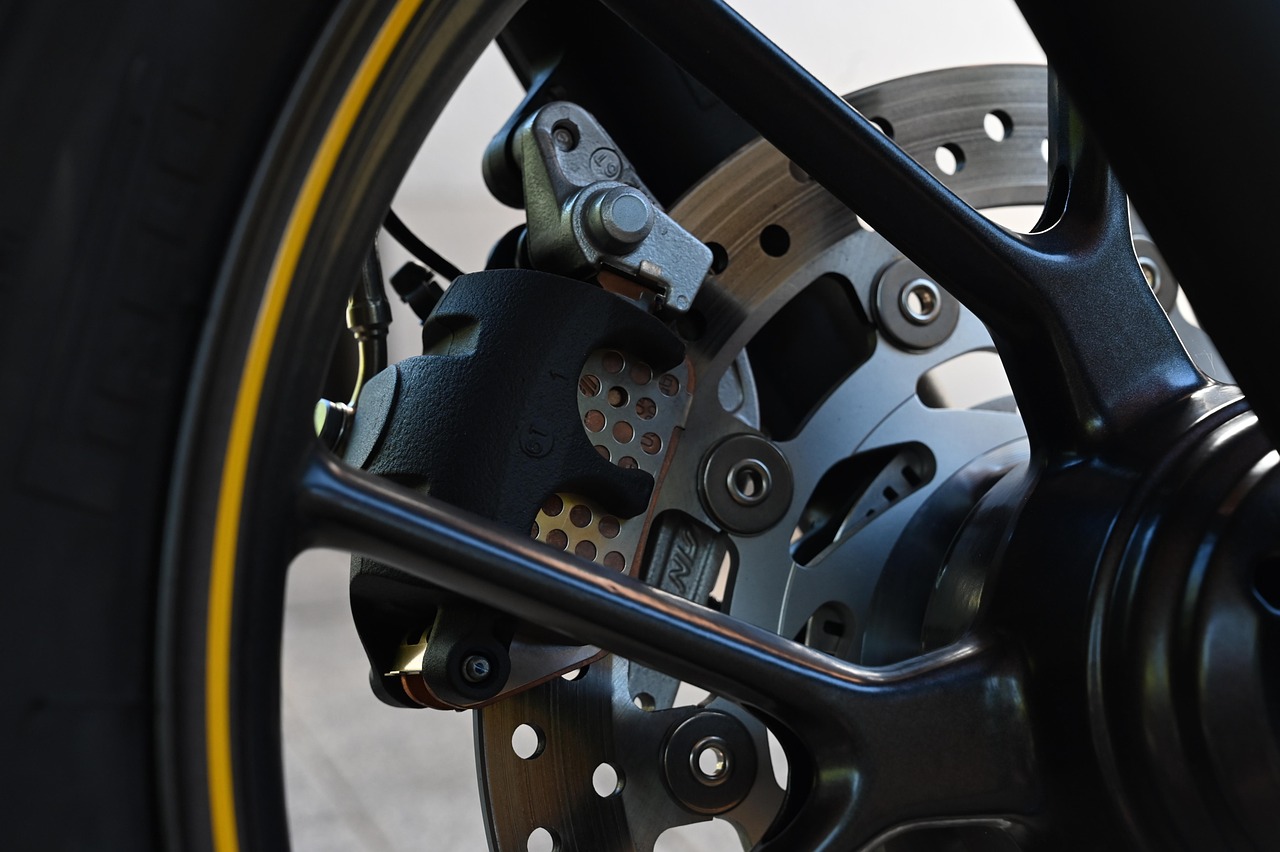
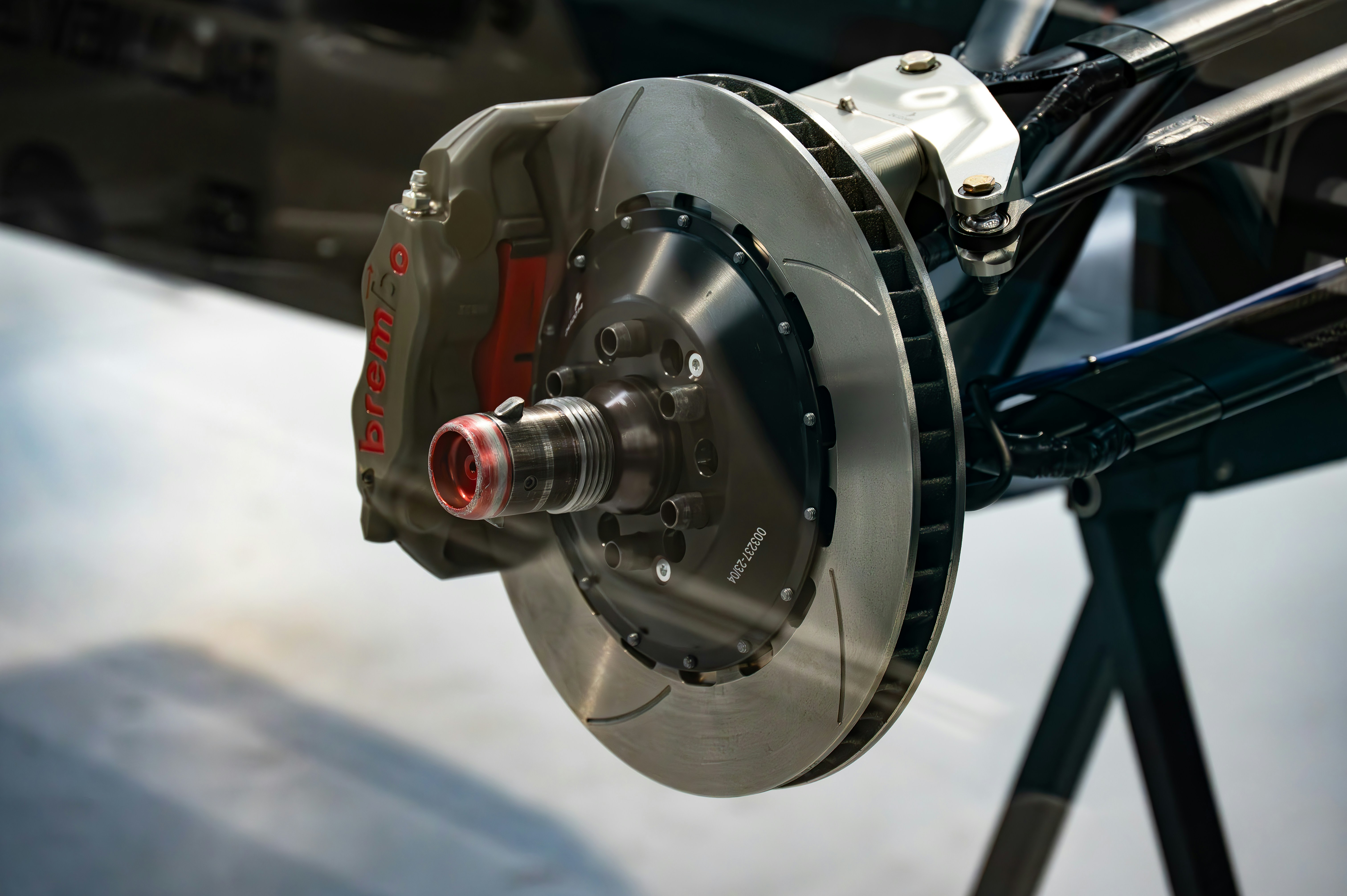
Brake rotors take a beating from heat, pressure, and repeated stops. Over time, they can develop thickness variation, uneven wear, or surface issues. Bendix describes brake shudder as the vibration felt through the steering wheel during braking, often associated with disc thickness variation and uneven rotor wear. On a TLX, this may feel like a steering wheel shake during highway braking or a pulsing sensation as the car slows. Replacing pads alone will not solve a rotor problem if the rotor surface remains uneven.
Brake Pads And Calipers Also Matter
Pads can wear unevenly, glaze from heat, or leave uneven material on the rotor face. A sticking caliper can hold pressure longer than it should, creating heat and uneven braking force. RepairPal lists bad rotors, bad brake pads, old brake fluid, and other issues as common reasons an Acura TLX shakes when braking. We inspect pad thickness, pad wear pattern, rotor condition, caliper movement, and hardware before recommending repairs. The goal is not to sell a complete brake job by default. The goal is to find the part causing the vibration.
Suspension Or Wheel Bearing Wear Can Amplify The Shake
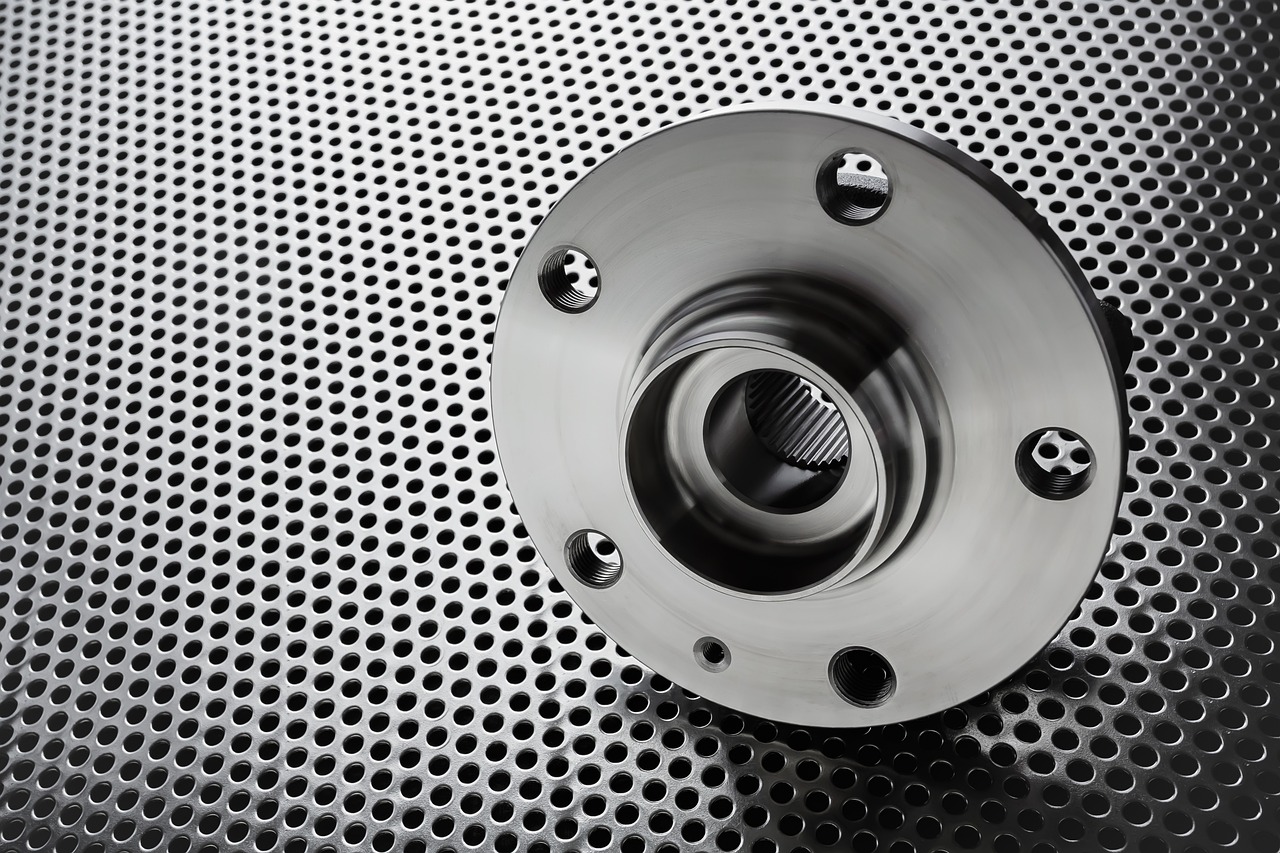
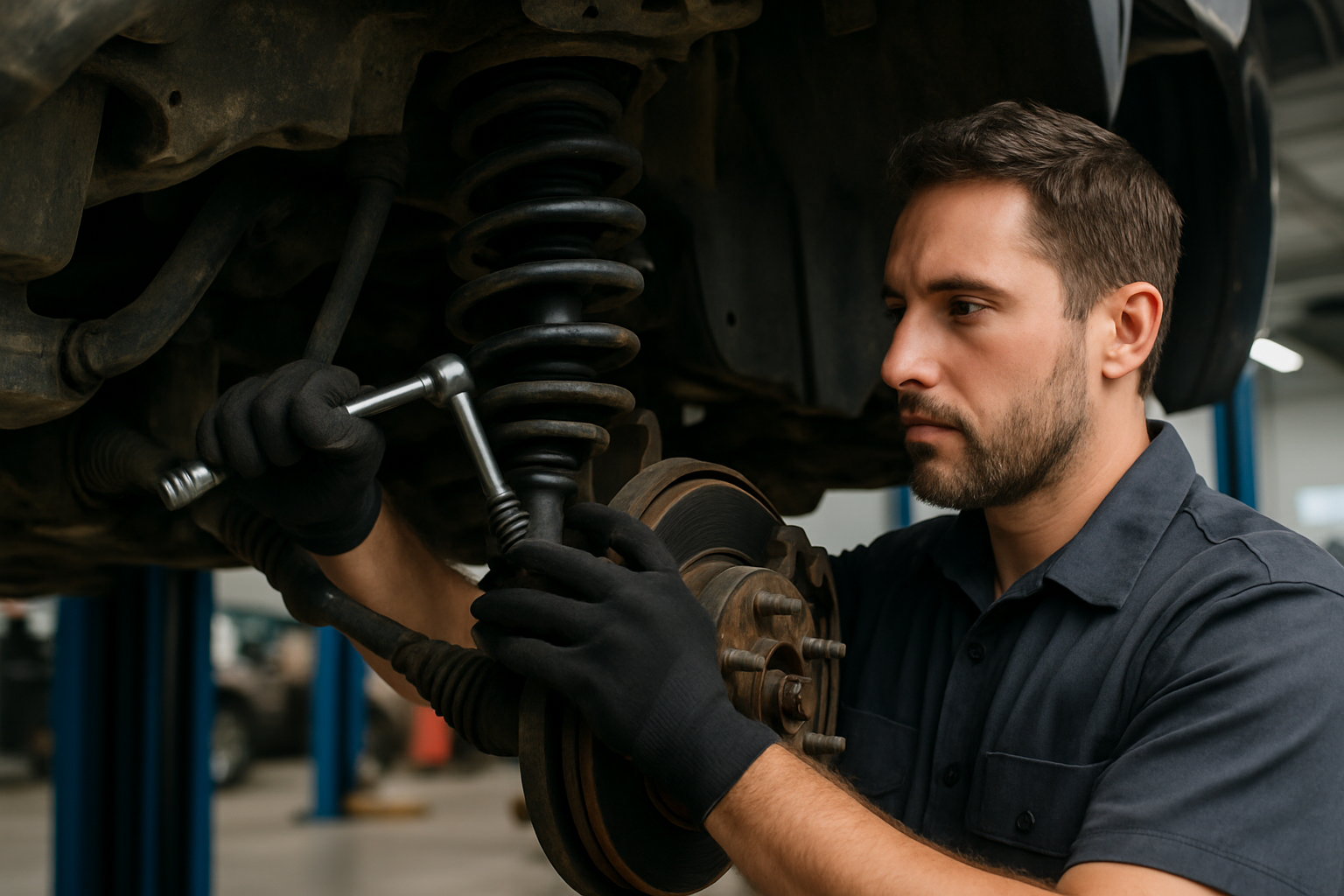
Sometimes the brake system starts the vibration, while loose suspension parts make it feel worse. A worn control arm bushing, ball joint, tie rod, or wheel bearing may allow movement under braking load. Driven Auto Care of Fremont, CA, lists suspension diagnosis, ball joint replacement, tie rod replacement, wheel bearing replacement, tire balancing, and wheel alignment among its services, which matters when brake vibration does not come from the rotors alone. A proper inspection checks the full front end, not just the parts behind the wheel.
Do Not Wait For A Brake Warning Light
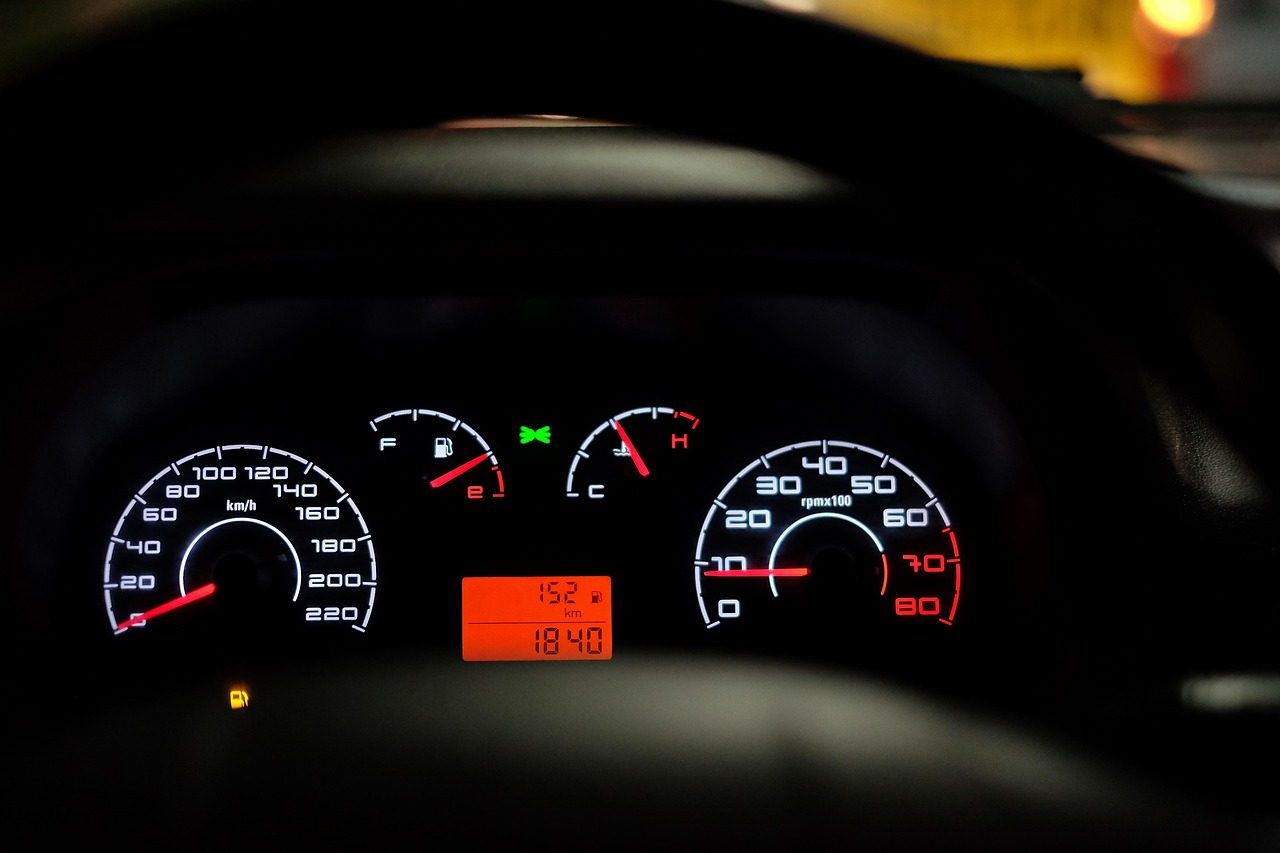
A shaking TLX may not show a dashboard warning right away. Acura dashboard guidance says the red brake warning can mean low brake fluid or a brake-system malfunction, and abnormal pedal pressure calls for immediate action. However, vibration often appears before a warning light does. If your 2018 Acura TLX vibrates while braking hard in Milpitas, schedule service at Driven Auto Care of Fremont, CA. We will road test the vehicle, inspect the brakes and suspension, and explain the repair clearly before the shake turns into longer stops, uneven tire wear, or a bigger bill.