Fremont, CA — Why Your 2019 Toyota Highlander Burns Oil Between Changes
Oil Loss Needs Real Toyota Diagnosis
Synopsis: A 2019 Toyota Highlander may burn oil from leaks, PCV trouble, worn seals, overdue maintenance, or internal engine wear. Early diagnosis helps prevent bigger repairs.
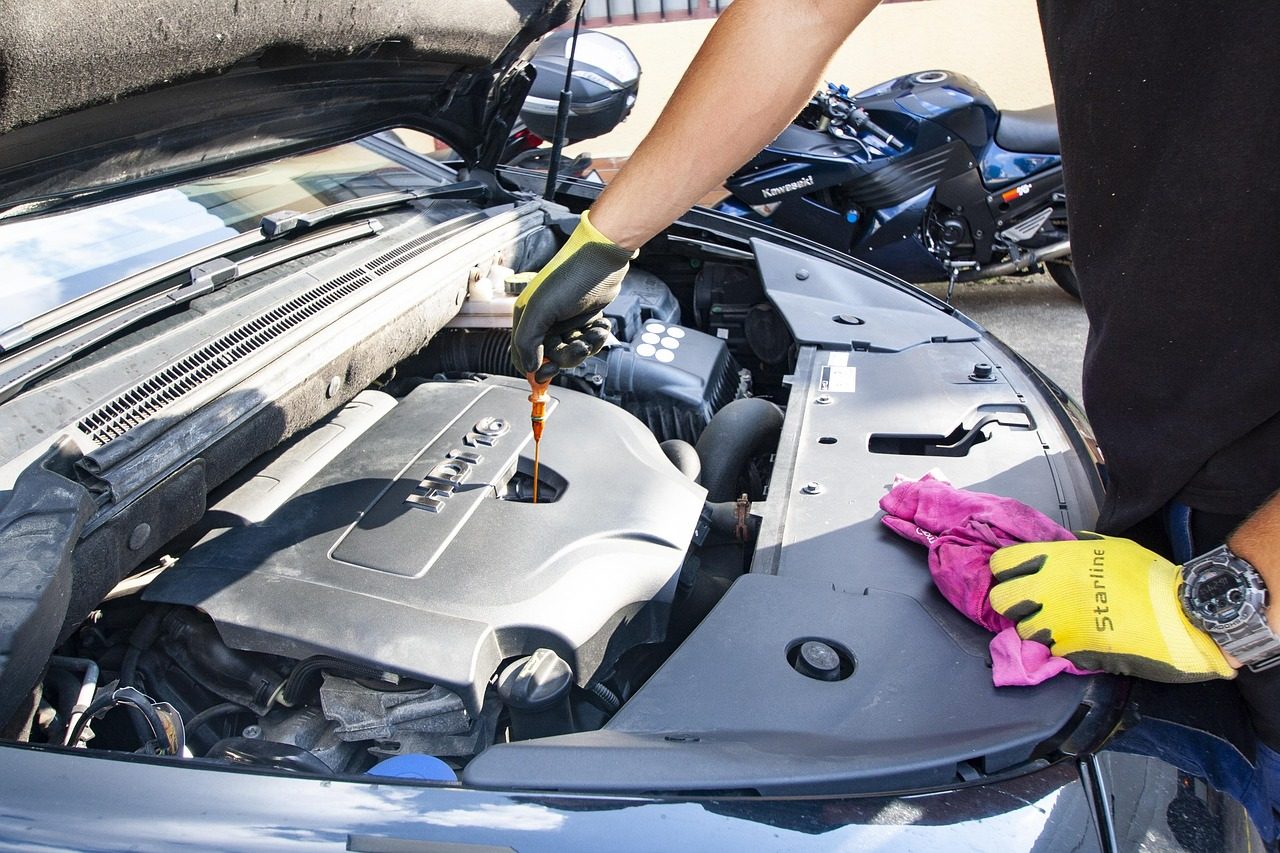
A 2019 Toyota Highlander needing oil between services should not be brushed off as "normal aging." Toyota's 2019 Highlander maintenance guide recommends regular fluid checks and visual inspections, with engine oil and filter replacement listed throughout the maintenance schedule. If the level drops before the next service, your SUV is giving you a clue. At Driven Auto Care of Fremont, CA, we find out whether the oil is leaking, burning, or both before the engine pays the price.
Why Oil Consumption Can Feel Confusing
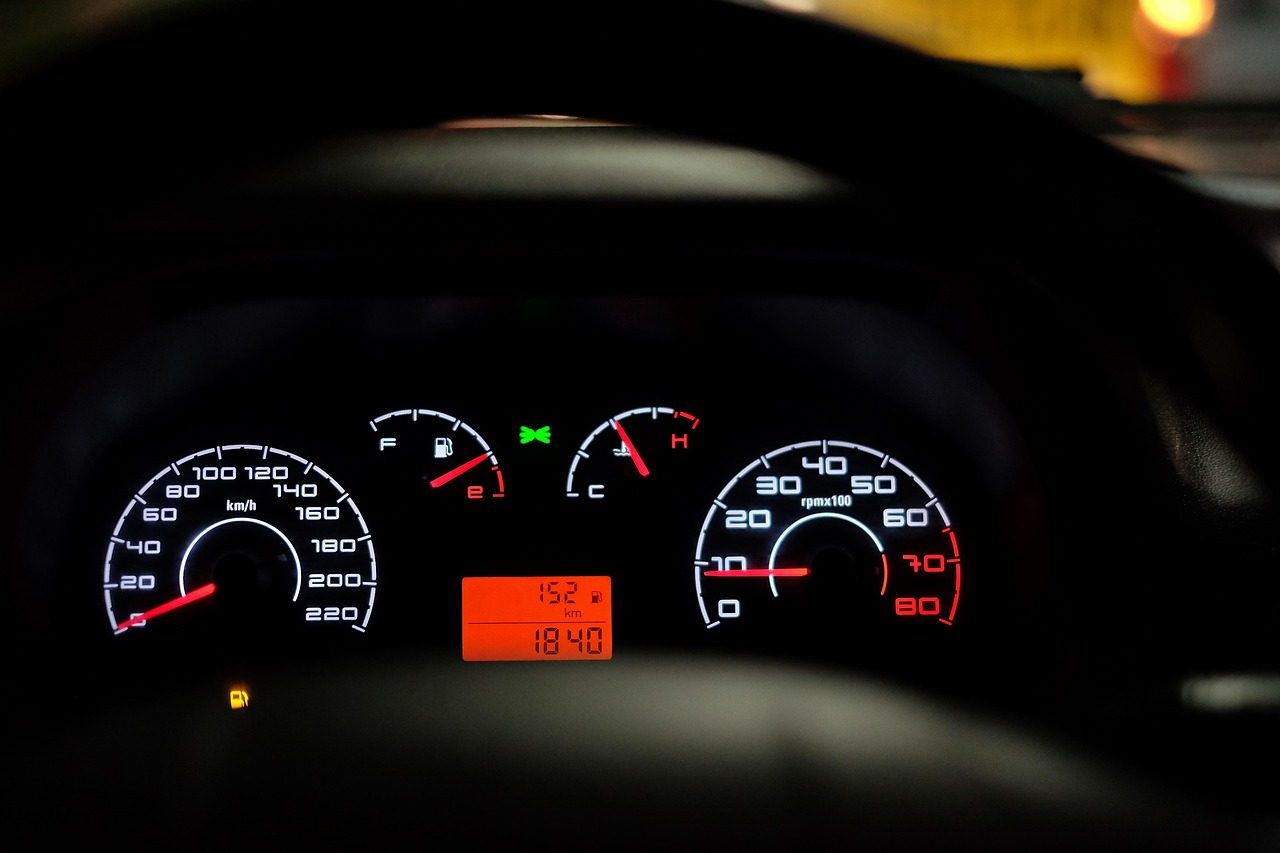
Toyota's owner's manual lists the maximum oil consumption at 1.1 qt. per 600 miles, but most owners do not expect to add oil often between changes. That number is not a free pass to ignore the issue. It is a threshold, not a diagnosis. If your Highlander smells like burning oil, shows blue smoke after startup, leaves spots after parking, or needs repeated top-offs, something deserves attention. Toyota also warns that low engine oil pressure is a red warning requiring immediate attention, so waiting until the dash lights up is the wrong plan.
External Leaks Are A Common Starting Point
A Highlander may appear to be "burning oil" when oil is actually leaking onto hot engine parts. Driven Auto Care's Toyota page lists oil seepage as a common concern for the Highlander, while our oil leak page explains that engines have many seals and gaskets that can fail as miles accumulate. Valve cover gaskets, oil pan gaskets, timing cover seals, and filter-related seals can all let oil escape. Once oil lands near hot exhaust components, drivers may smell it before seeing a puddle. Proper inspection matters because the visible mess is not always where the leak begins.
Internal Oil Burning Points To Wear Or Ventilation Trouble
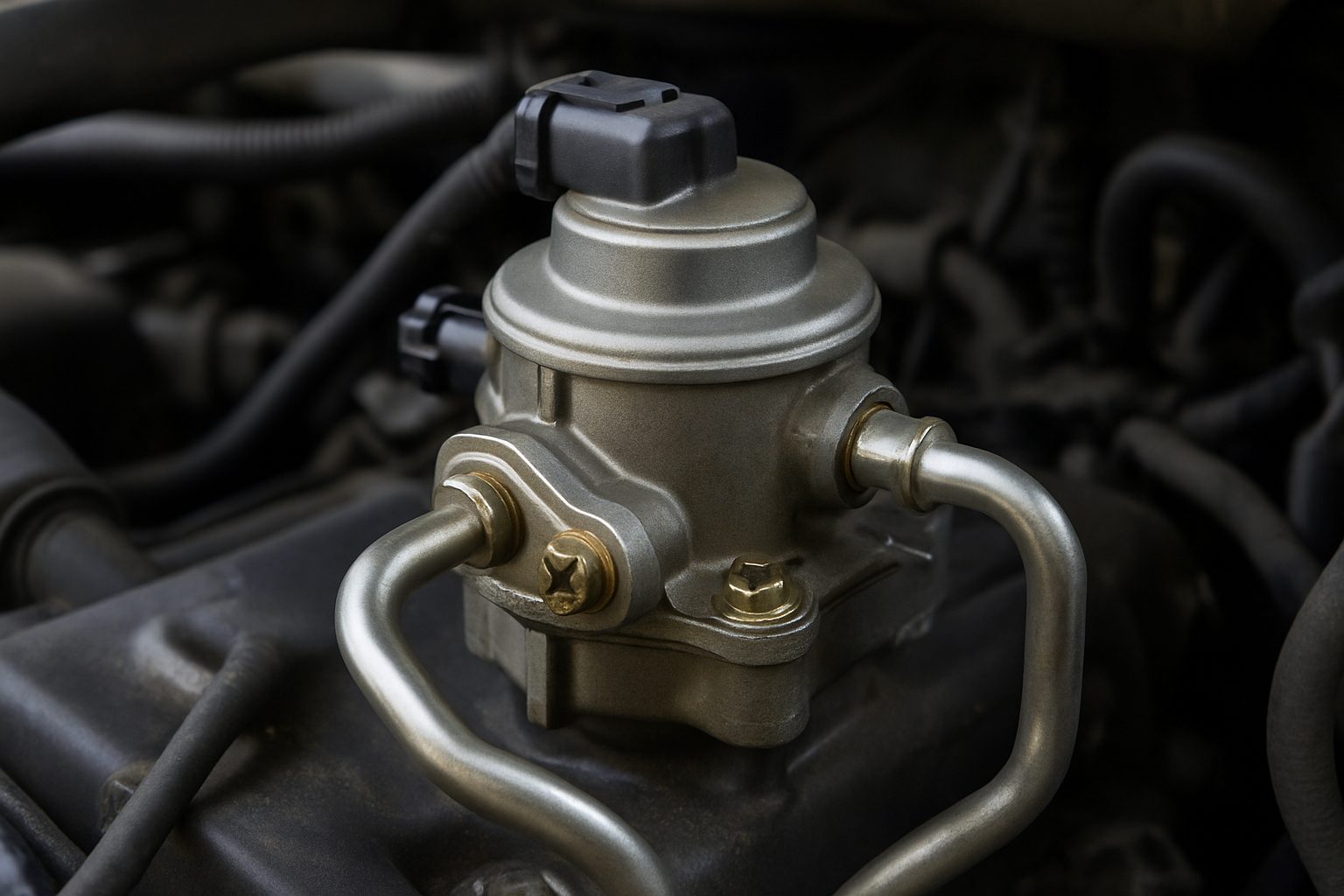
If we do not find an external leak, we look at how oil may be entering the combustion chambers. A stuck or restricted PCV system can pull oil vapor into the intake. Worn valve stem seals may cause smoke after sitting overnight. Ring wear can allow oil to enter the cylinders during normal driving. These problems do not always trigger a Check Engine light right away. The vehicle may still run smoothly while the oil level quietly drops. That is why we compare symptoms, service history, mileage, smoke patterns, and oil level records rather than guess.
Maintenance Habits Matter On Family SUVs
Highlanders often spend their lives hauling kids, groceries, gear, and commuters through traffic. Short trips, long idle time, heat, and delayed oil changes can all make oil work harder. Toyota's maintenance guide also lists special operating conditions where engine oil and filter replacement may be needed more often, including repeated short trips, towing, heavy loading, dusty roads, and extended low-speed driving. If your driving fits those conditions, stretching service intervals may lead to more deposits, more oil breakdown, and more consumption over time.
Get The Source Confirmed Before Repairs Grow
The smart move is not panic or endless top-offs. It is diagnosis. Driven Auto Care of Fremont, CA, serves Fremont and the surrounding Tri-City area, and our Toyota service page specifically includes the Highlander. We inspect for leaks, check oil condition, review maintenance history, look for smoke, and test related engine systems before recommending repairs. If your 2019 Toyota Highlander burns oil between changes, schedule service now. Catching the source early will help protect your engine, your budget, and your confidence every time you drive.