The brake pedal tells you a lot about what your brakes are doing. When it changes, your foot notices before anything else does. A pedal that feels different from the way it did last month is worth paying attention to.
The 2020 RAV4 is a reliable vehicle, but brakes are wear parts on any car. Here is what drivers feel and what each one usually means.
A Soft or Sinking Pedal
A pedal that goes too far down, or slowly sinks toward the floor while you hold it at a light, is a real concern. It points to a problem in the hydraulics. Air in the brake lines makes the pedal feel soft and spongy. A leak somewhere in the system does the same and gets worse over time. A worn master cylinder can let the pedal sink under steady pressure. None of these is wait-and-see. A pedal you cannot trust is the one problem on this list you should not drive on.
A Pulsing or Vibrating Pedal
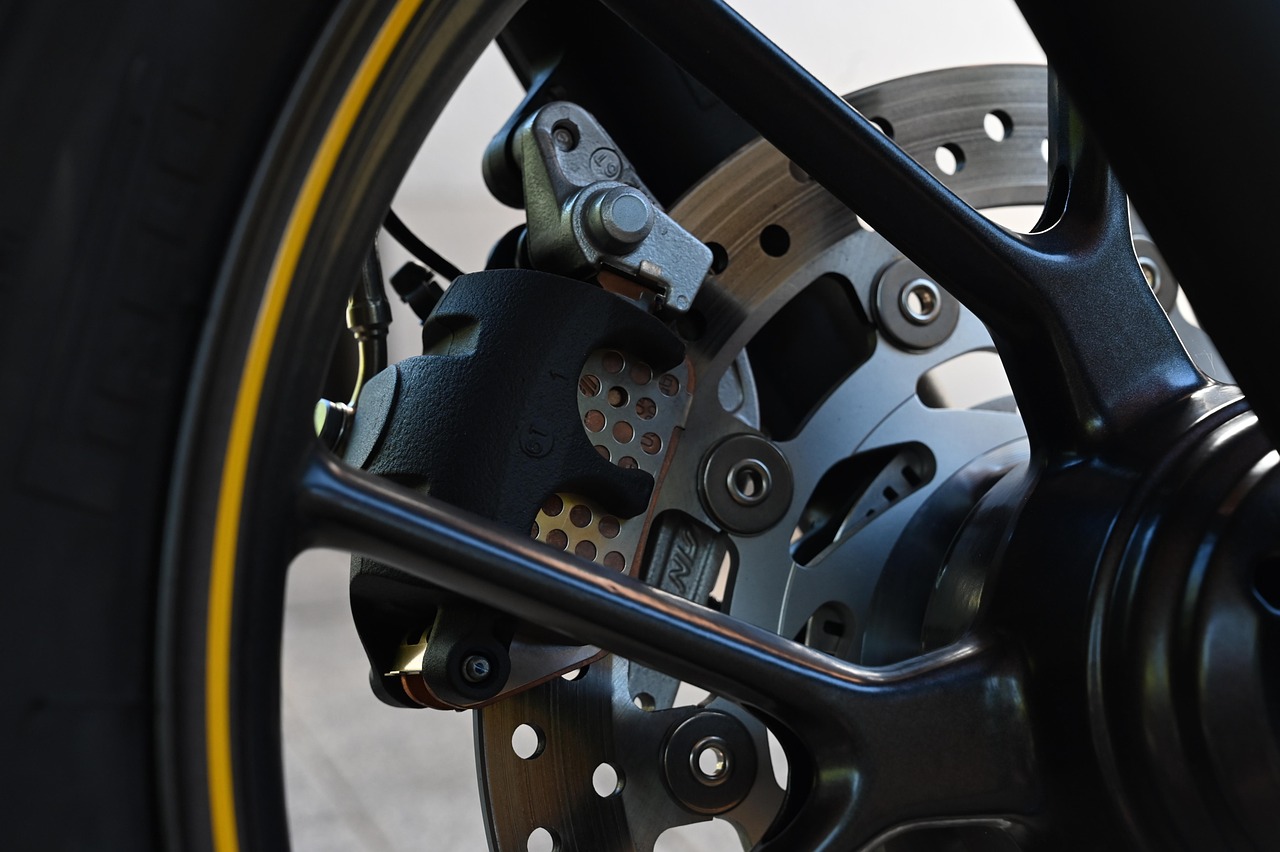
If the pedal pushes back against your foot in a steady rhythm when you brake, that pulsing usually comes from the rotors. Warped or unevenly worn rotors make the pedal throb as the brakes grab and release against the high and low spots. You often feel it through the steering wheel too, especially braking down from freeway speed on I-680. It tends to show up more on harder stops.
A Hard Pedal
A pedal that suddenly takes a lot more foot to press points to the brake booster. The booster uses engine vacuum to help you brake with light effort. When it or its vacuum supply fails, the assist drops and the pedal goes stiff. You will know it. The car takes much more leg to stop than it used to. That is worth getting in quickly.
Noise or Grinding With the Pedal
Sometimes the pedal feels fine, but the sound tells the story. A squeal when you press it means the pads are getting low. A grind means they are gone, and metal is meeting metal. Drive on that, and you start chewing up rotors.
The Brake Warning Light
If the brake light or ABS light comes on along with a pedal that feels off, do not write it off. The system is flagging something specific. Low fluid, a sensor, or an ABS fault can all light it up, and the car is telling you to get it scanned.
How Soon to Act
A soft or sinking pedal means get it in now, before you drive far. A pulsing pedal is worth handling soon but is not an emergency. A squeal gives you a little time, a grind does not. Anything paired with a warning light should be scanned right away.
Brakes are the system where waiting costs the most. A pedal problem caught early is usually a small fix. Ignored, it becomes a safety issue and a bigger bill.
What We Check
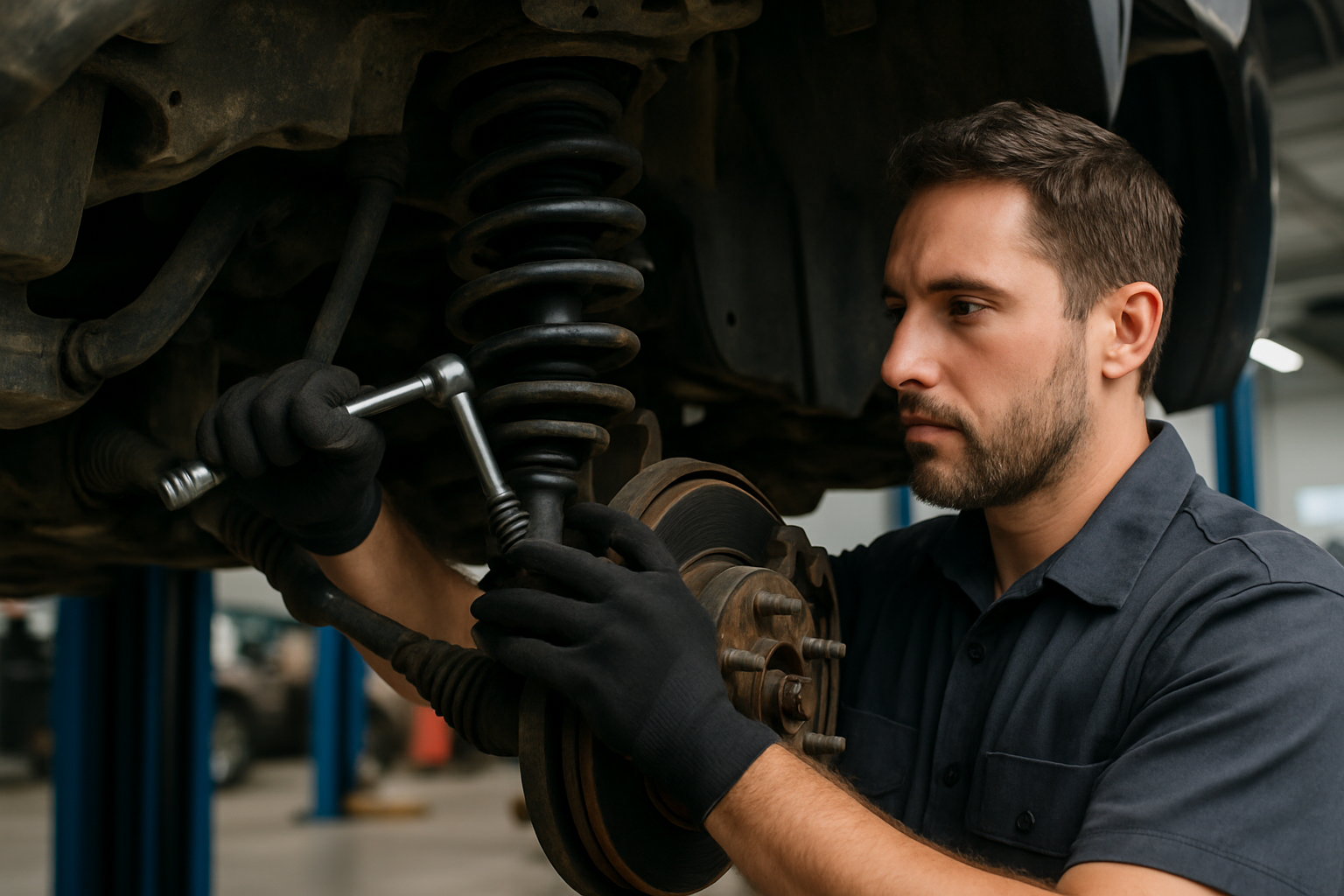
When a 2020 RAV4 comes in with a pedal complaint, we drive it to feel what you are feeling. Then we check the fluid level and condition, look for leaks, measure the rotors, and inspect the pads. If a light is on, we pull the codes.
That gives us the real cause. Air in the lines, a worn rotor, a tired booster, or pads at the end. We tell you what it needs and what it costs before we touch anything.
If your 2020 Toyota RAV4 has a soft, hard, or pulsing brake pedal, bring it to Driven Auto Care of Fremont, CA. We will drive it, inspect the system, and tell you straight what it needs. Call to set up a brake inspection.