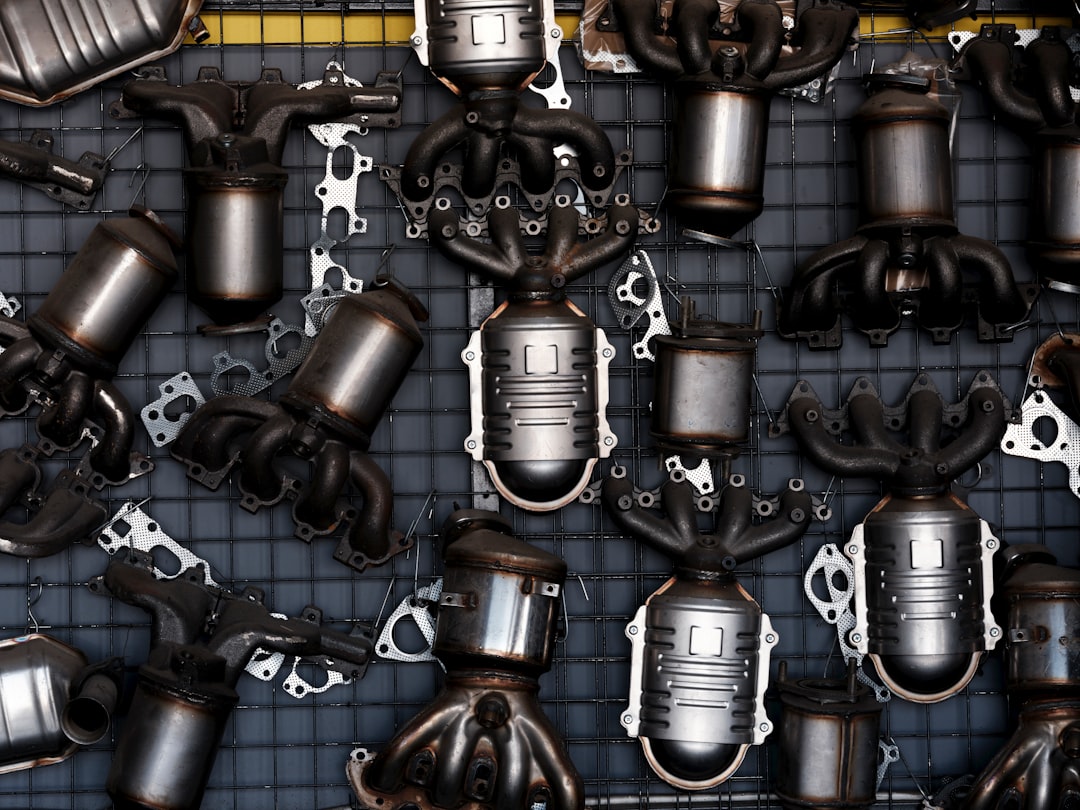
A catalytic converter is built to last a long time. When one fails on a 2016 Q5, it is usually a sign of something else going wrong upstream, not just bad luck. So before anyone bolts on a new one, the real question is what killed the old one.
Here is how to tell what is going on.
What the Codes Say
A failing converter almost always shows up as a check engine light first. The code to know is P0420, which means the converter is not cleaning the exhaust the way it should.
That code is the starting point, not the verdict. A lazy oxygen sensor can throw the same code without the converter being bad at all. So the first job is to figure out whether the converter actually failed or a sensor is lying about it. Replacing a good converter because of a bad sensor is a costly mistake. The diagnosis has to come first.
Why It Failed
A converter rarely dies on its own. Something upstream usually took it out, and if you skip that part, the new one fails too.
A few common causes on the Q5:
- An engine burning oil, which coats and clogs the converter
- Misfires, sending raw fuel into the exhaust, which overheats it
- A coolant leak into the cylinders, which poisons the catalyst
- A rich fuel condition, running too much gas through it
The 2.0 turbo in many Q5s is known for oil consumption as it ages. That oil is hard on a converter. Find and fix the cause, or you are buying converters twice.
What You Might Notice
You may feel a drop in power and worse fuel economy as a clogged converter chokes the exhaust. A rotten-egg, sulfur smell from the tailpipe is a classic sign. A rattle from under the car can mean the honeycomb inside the converter has broken apart. The car may struggle to accelerate when the converter is badly plugged.
A converter that has come apart inside can block the exhaust enough to put the car into limp mode. That is the late stage, and it is worth catching before you get there.
Why the Diagnosis Matters
Converters are expensive parts, more so on an Audi. That is exactly why guessing is the wrong move. We test the converter's actual efficiency and check the oxygen sensors before calling it. We look for the upstream cause, the oil burning, the misfire, or the leak, so the new converter is not set up to fail. An honest diagnosis here can save you from paying twice.
How Driven Auto Care of Fremont, CA, Checks It
When a 2016 Q5 comes in with a converter code, we read the codes and the live sensor data to see how the converter is really performing. We check upstream and downstream oxygen sensor behavior. We look for the misfires, oil burning, or leaks that take converters out.
Then you get the straight answer. A sensor, the converter, or the root cause behind it. We give you the cost before any work starts, and we do not sell you a converter that your car does not need.
If your 2016 Audi Q5 has a converter code or is losing power, bring it to Driven Auto Care of Fremont, CA. We will test the converter, check the sensors, and find the real cause before anything gets replaced. Call to set up an exhaust diagnostic.