 Pull the four spark plugs from a misfiring Elantra, line them up on a clean towel, and you've already finished half the diagnostic. Each plug carries microscopic deposits, electrode wear, and gap measurements that record what's been happening inside that specific cylinder. The plug is a free piece of evidence Hyundai installed at the factory and you remove every time you change them. At Driven Auto Care of Fremont, CA, our techs handle Elantra misfires for owners across Warm Springs, and the plugs come out first.
Each Electrode Shows What That Cylinder Was Doing
A healthy spark plug pulls out with a light tan coating on the porcelain insulator and clean steel electrodes still at their original gap. When ash-white deposits show up across the porcelain, that cylinder has been running lean from a vacuum leak, a fuel delivery issue, or an oxygen sensor sending the wrong correction. A sooty black coating signals a rich-running cylinder, with the usual suspects being a leaking injector or a thermostat stuck open. Wet, oily plugs come from valve stem seals or worn piston rings, and that cylinder is telling you the trouble has moved past ignition.
Swap a Coil Between Cylinders and Watch the Code Move
When a misfire code identifies one cylinder, the next test takes ten minutes and zero parts. Move the suspect cylinder's ignition coil to a different cylinder, clear the codes, run the engine through a few drive cycles, and check whether the misfire code followed the coil to its new position. A code that moves with the coil confirms the coil. When the code stays put on the original cylinder, the suspect list narrows to the plug, the injector, or compression in that hole. The procedure isolates the failing part with nothing more than a socket and a scan tool.
Hyundai's Plug Interval Assumes a Cleaner Fuel Diet Than Most Cars Get
Hyundai specifies NGK iridium plugs on the Nu and Smartstream engine families with a service interval of nearly one hundred thousand miles, written for vehicles running consistent fuel quality at highway speeds. Day-to-day driving with E10 ethanol blends, short trips, and city traffic prevents the combustion chamber from hitting the temperatures plugs were engineered to self-clean at. Many Elantras hit ignition trouble well before the published interval, and the plugs come out coated in deposits the spec sheet never anticipated.
Misfires Without Plug Evidence Point Toward Injectors or Compression
A plug that pulls out looking factory-fresh while a misfire code persists changes the question. Fuel injectors with worn pintles dribble fuel between injection pulses, which disrupts combustion timing without leaving deposits on the plug. Compression loss from a bent valve or a tired piston ring produces misfires the plug can't explain, since the cylinder isn't completing the compression cycle. A cylinder leak-down test separates injector misfires from compression-loss misfires quickly enough to keep the diagnostic on schedule.
Line Up a Visit With the Plugs Still in the Car
Pulling plugs at home is satisfying, though most owners would rather skip the knuckle-skinning and the gap gauges. Line up a visit with Driven Auto Care of Fremont, CA at (510) 270-3686, and the four plugs come out as part of the diagnostic on the first visit. The evidence comes with the car when you arrive.
Pull the four spark plugs from a misfiring Elantra, line them up on a clean towel, and you've already finished half the diagnostic. Each plug carries microscopic deposits, electrode wear, and gap measurements that record what's been happening inside that specific cylinder. The plug is a free piece of evidence Hyundai installed at the factory and you remove every time you change them. At Driven Auto Care of Fremont, CA, our techs handle Elantra misfires for owners across Warm Springs, and the plugs come out first.
Each Electrode Shows What That Cylinder Was Doing
A healthy spark plug pulls out with a light tan coating on the porcelain insulator and clean steel electrodes still at their original gap. When ash-white deposits show up across the porcelain, that cylinder has been running lean from a vacuum leak, a fuel delivery issue, or an oxygen sensor sending the wrong correction. A sooty black coating signals a rich-running cylinder, with the usual suspects being a leaking injector or a thermostat stuck open. Wet, oily plugs come from valve stem seals or worn piston rings, and that cylinder is telling you the trouble has moved past ignition.
Swap a Coil Between Cylinders and Watch the Code Move
When a misfire code identifies one cylinder, the next test takes ten minutes and zero parts. Move the suspect cylinder's ignition coil to a different cylinder, clear the codes, run the engine through a few drive cycles, and check whether the misfire code followed the coil to its new position. A code that moves with the coil confirms the coil. When the code stays put on the original cylinder, the suspect list narrows to the plug, the injector, or compression in that hole. The procedure isolates the failing part with nothing more than a socket and a scan tool.
Hyundai's Plug Interval Assumes a Cleaner Fuel Diet Than Most Cars Get
Hyundai specifies NGK iridium plugs on the Nu and Smartstream engine families with a service interval of nearly one hundred thousand miles, written for vehicles running consistent fuel quality at highway speeds. Day-to-day driving with E10 ethanol blends, short trips, and city traffic prevents the combustion chamber from hitting the temperatures plugs were engineered to self-clean at. Many Elantras hit ignition trouble well before the published interval, and the plugs come out coated in deposits the spec sheet never anticipated.
Misfires Without Plug Evidence Point Toward Injectors or Compression
A plug that pulls out looking factory-fresh while a misfire code persists changes the question. Fuel injectors with worn pintles dribble fuel between injection pulses, which disrupts combustion timing without leaving deposits on the plug. Compression loss from a bent valve or a tired piston ring produces misfires the plug can't explain, since the cylinder isn't completing the compression cycle. A cylinder leak-down test separates injector misfires from compression-loss misfires quickly enough to keep the diagnostic on schedule.
Line Up a Visit With the Plugs Still in the Car
Pulling plugs at home is satisfying, though most owners would rather skip the knuckle-skinning and the gap gauges. Line up a visit with Driven Auto Care of Fremont, CA at (510) 270-3686, and the four plugs come out as part of the diagnostic on the first visit. The evidence comes with the car when you arrive.
Warm Springs, CA - Can Bad Spark Plugs Cause Your Hyundai Elantra to Misfire?
SYNOPSIS: Driven Auto Care explains how spark plug readings reveal Elantra misfires, helping identify coil faults, fuel issues, and real-world service needs before they stop your daily commute.
Reading Spark Plugs on a Hyundai Elantra
BY: Arun Coumar, Driven Auto Care of Fremont, CA
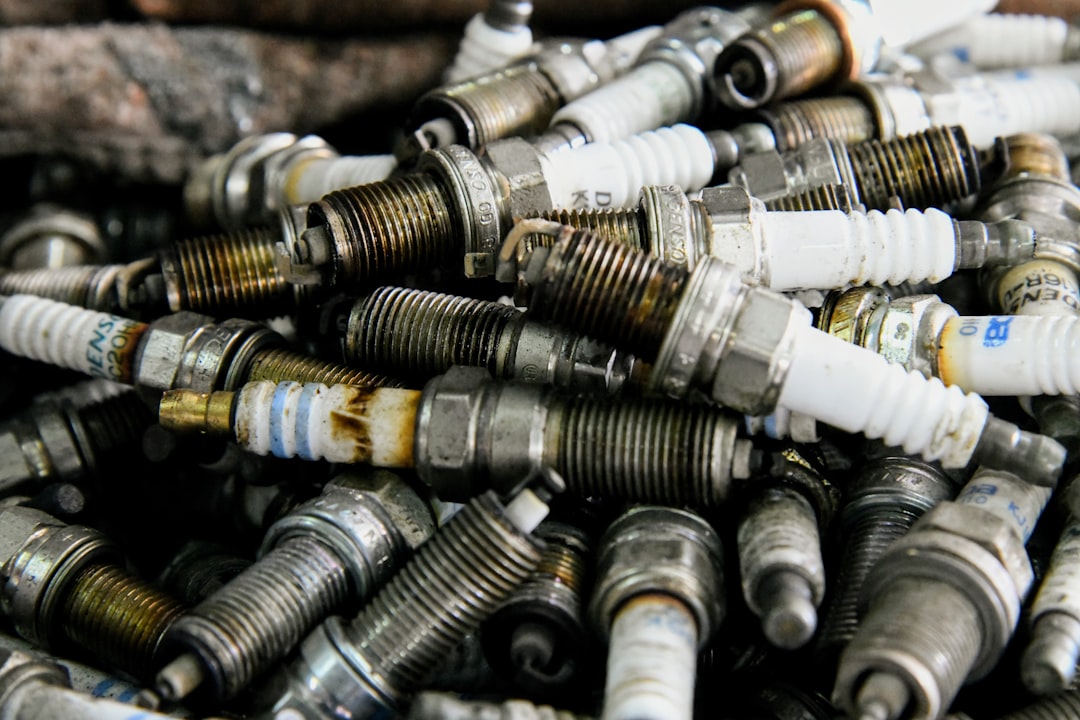
Pull the four spark plugs from a misfiring Elantra, line them up on a clean towel, and you've already finished half the diagnostic. Each plug carries microscopic deposits, electrode wear, and gap measurements that record what's been happening inside that specific cylinder. The plug is a free piece of evidence Hyundai installed at the factory and you remove every time you change them. At Driven Auto Care of Fremont, CA, our techs handle Elantra misfires for owners across Warm Springs, and the plugs come out first.
Each Electrode Shows What That Cylinder Was Doing
A healthy spark plug pulls out with a light tan coating on the porcelain insulator and clean steel electrodes still at their original gap. When ash-white deposits show up across the porcelain, that cylinder has been running lean from a vacuum leak, a fuel delivery issue, or an oxygen sensor sending the wrong correction. A sooty black coating signals a rich-running cylinder, with the usual suspects being a leaking injector or a thermostat stuck open. Wet, oily plugs come from valve stem seals or worn piston rings, and that cylinder is telling you the trouble has moved past ignition.
Swap a Coil Between Cylinders and Watch the Code Move
When a misfire code identifies one cylinder, the next test takes ten minutes and zero parts. Move the suspect cylinder's ignition coil to a different cylinder, clear the codes, run the engine through a few drive cycles, and check whether the misfire code followed the coil to its new position. A code that moves with the coil confirms the coil. When the code stays put on the original cylinder, the suspect list narrows to the plug, the injector, or compression in that hole. The procedure isolates the failing part with nothing more than a socket and a scan tool.
Hyundai's Plug Interval Assumes a Cleaner Fuel Diet Than Most Cars Get
Hyundai specifies NGK iridium plugs on the Nu and Smartstream engine families with a service interval of nearly one hundred thousand miles, written for vehicles running consistent fuel quality at highway speeds. Day-to-day driving with E10 ethanol blends, short trips, and city traffic prevents the combustion chamber from hitting the temperatures plugs were engineered to self-clean at. Many Elantras hit ignition trouble well before the published interval, and the plugs come out coated in deposits the spec sheet never anticipated.
Misfires Without Plug Evidence Point Toward Injectors or Compression
A plug that pulls out looking factory-fresh while a misfire code persists changes the question. Fuel injectors with worn pintles dribble fuel between injection pulses, which disrupts combustion timing without leaving deposits on the plug. Compression loss from a bent valve or a tired piston ring produces misfires the plug can't explain, since the cylinder isn't completing the compression cycle. A cylinder leak-down test separates injector misfires from compression-loss misfires quickly enough to keep the diagnostic on schedule.
Line Up a Visit With the Plugs Still in the Car
Pulling plugs at home is satisfying, though most owners would rather skip the knuckle-skinning and the gap gauges. Line up a visit with Driven Auto Care of Fremont, CA at (510) 270-3686, and the four plugs come out as part of the diagnostic on the first visit. The evidence comes with the car when you arrive.