 Mechanics with enough Outbacks under their belt can identify a grinding car's failed component from the parking lot. The sound itself names the part before anyone opens the hood, since each failure produces a frequency and load pattern that belongs to one component alone. Driven Auto Care of Fremont, CA serves Warm Springs Outback owners, and the diagnostic on a grinding car begins on a road test instead of a lift. Every grinding sound carries information about which part is failing and how fast it's progressing, once you know what to listen for.
Wheel Bearings Hum, and the Hum Changes Lanes With You
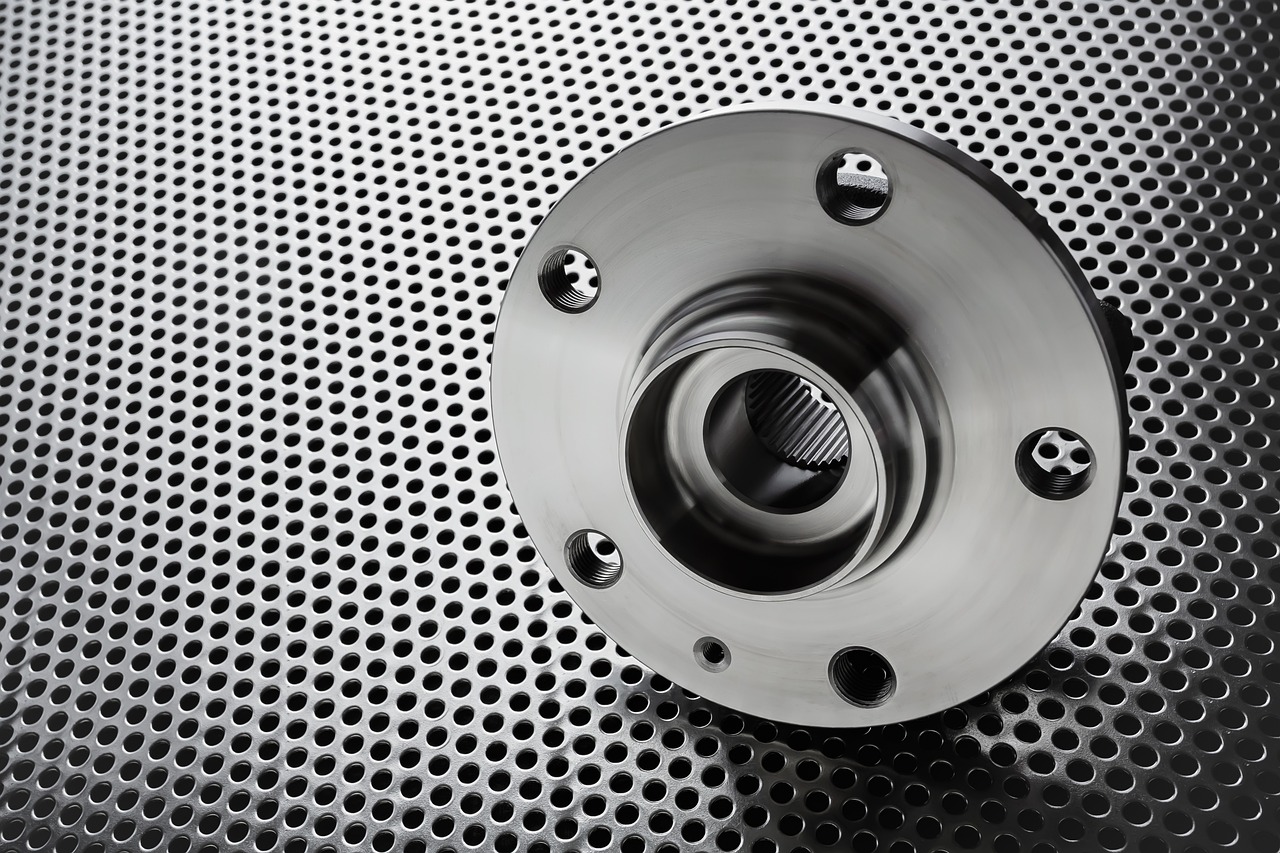
A failing wheel bearing produces a steady hum tied to wheel rotation speed rather than engine RPM. Pull onto an empty stretch and gently drift the car right while listening to the cabin. If the left bearing is the source, load shifts off it and the hum quiets. Drift left, and a right bearing goes silent the same way. The side-to-side load test puts most bearing diagnoses on the correct corner without any tools.
CV Joint Clicks Show Up Only Under Specific Conditions
Constant-velocity joints click at axle speed, and the click appears only when the joint loads in a specific direction. Outboard CV joints click during full-lock turns, especially when accelerating out of a parking space. Inboard CV joints clunk under straight-line acceleration after the throttle returns from coast. The boot tells the story before the joint does, since a torn boot lets grease escape and dirt enter, and a CV joint running without grease has weeks of useful life remaining at best.
Brake Hardware Scrapes and Goes Quiet When You Touch the Pedal
A scraping sound from one corner that disappears the instant you press the brake pedal is almost always hardware drag. Worn pad backing plates, a sticky caliper guide pin, or a stone wedged between the rotor and dust shield all behave the same way. Light pedal pressure resets the components, and the scrape stops. Lift off the brake and the scrape returns within a few seconds. That on-off pattern separates brake hardware from every other grinding source on the car.
Differential and Driveline Noises Are the Outback's Unique Vocabulary
Subaru's symmetrical AWD system gives the Outback a few grinding patterns that other crossovers don't produce. The rear differential whines under throttle and quiets on coast. The transfer clutch in the AWD system can grind during low-speed, tight turns if the fluid has degraded or if the clutch pack is wearing. A subtle ratcheting sound during a parking-lot maneuver is one of those Subaru-specific signatures, and the noise won't show up on a code scan since it lives in the mechanical side of the drivetrain.
How We Put a Stethoscope on the Sound
An electronic chassis-ear lets us clip microphones at each suspected component while the car is moving. Then we switch between channels on the road test to pinpoint the loudest source in real time. The diagnostic moves from speculation to evidence within a single drive.
Catch the Noise Before the Part Gives Out
If your Subaru Outback has been grinding through Warm Springs streets, contact Driven Auto Care of Fremont, CA at (510) 270-3686. Tell us when the noise shows up and what changes it. We'll set you up with a road test and a chassis-ear diagnosis on the first visit.
Mechanics with enough Outbacks under their belt can identify a grinding car's failed component from the parking lot. The sound itself names the part before anyone opens the hood, since each failure produces a frequency and load pattern that belongs to one component alone. Driven Auto Care of Fremont, CA serves Warm Springs Outback owners, and the diagnostic on a grinding car begins on a road test instead of a lift. Every grinding sound carries information about which part is failing and how fast it's progressing, once you know what to listen for.
Wheel Bearings Hum, and the Hum Changes Lanes With You
A failing wheel bearing produces a steady hum tied to wheel rotation speed rather than engine RPM. Pull onto an empty stretch and gently drift the car right while listening to the cabin. If the left bearing is the source, load shifts off it and the hum quiets. Drift left, and a right bearing goes silent the same way. The side-to-side load test puts most bearing diagnoses on the correct corner without any tools.
CV Joint Clicks Show Up Only Under Specific Conditions
Constant-velocity joints click at axle speed, and the click appears only when the joint loads in a specific direction. Outboard CV joints click during full-lock turns, especially when accelerating out of a parking space. Inboard CV joints clunk under straight-line acceleration after the throttle returns from coast. The boot tells the story before the joint does, since a torn boot lets grease escape and dirt enter, and a CV joint running without grease has weeks of useful life remaining at best.
Brake Hardware Scrapes and Goes Quiet When You Touch the Pedal
A scraping sound from one corner that disappears the instant you press the brake pedal is almost always hardware drag. Worn pad backing plates, a sticky caliper guide pin, or a stone wedged between the rotor and dust shield all behave the same way. Light pedal pressure resets the components, and the scrape stops. Lift off the brake and the scrape returns within a few seconds. That on-off pattern separates brake hardware from every other grinding source on the car.
Differential and Driveline Noises Are the Outback's Unique Vocabulary
Subaru's symmetrical AWD system gives the Outback a few grinding patterns that other crossovers don't produce. The rear differential whines under throttle and quiets on coast. The transfer clutch in the AWD system can grind during low-speed, tight turns if the fluid has degraded or if the clutch pack is wearing. A subtle ratcheting sound during a parking-lot maneuver is one of those Subaru-specific signatures, and the noise won't show up on a code scan since it lives in the mechanical side of the drivetrain.
How We Put a Stethoscope on the Sound
An electronic chassis-ear lets us clip microphones at each suspected component while the car is moving. Then we switch between channels on the road test to pinpoint the loudest source in real time. The diagnostic moves from speculation to evidence within a single drive.
Catch the Noise Before the Part Gives Out
If your Subaru Outback has been grinding through Warm Springs streets, contact Driven Auto Care of Fremont, CA at (510) 270-3686. Tell us when the noise shows up and what changes it. We'll set you up with a road test and a chassis-ear diagnosis on the first visit.
Warm Springs, CA - Are You Hearing Grinding Noises From Your Subaru Outback?
SYNOPSIS: Driven Auto Care explains how grinding sounds reveal failed components on Outbacks and how technicians confirm each diagnosis on the road. The key is to catch the noise before the part gives out.
Outback Grinding Noises Decoded by Sound
BY: Arun Coumar, Driven Auto Care of Fremont, CA
Mechanics with enough Outbacks under their belt can identify a grinding car's failed component from the parking lot. The sound itself names the part before anyone opens the hood, since each failure produces a frequency and load pattern that belongs to one component alone. Driven Auto Care of Fremont, CA serves Warm Springs Outback owners, and the diagnostic on a grinding car begins on a road test instead of a lift. Every grinding sound carries information about which part is failing and how fast it's progressing, once you know what to listen for.
Wheel Bearings Hum, and the Hum Changes Lanes With You
A failing wheel bearing produces a steady hum tied to wheel rotation speed rather than engine RPM. Pull onto an empty stretch and gently drift the car right while listening to the cabin. If the left bearing is the source, load shifts off it and the hum quiets. Drift left, and a right bearing goes silent the same way. The side-to-side load test puts most bearing diagnoses on the correct corner without any tools.
CV Joint Clicks Show Up Only Under Specific Conditions
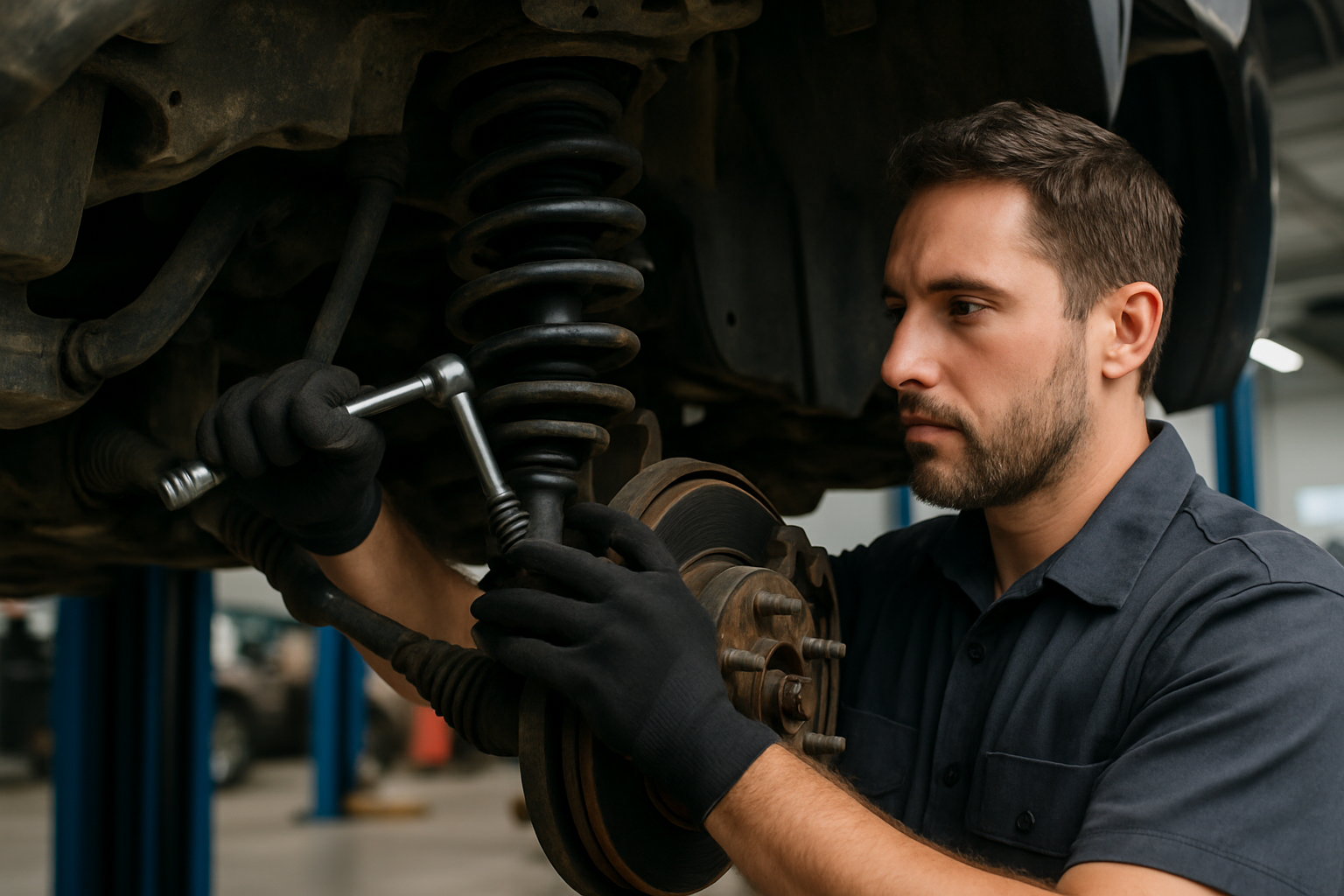
Constant-velocity joints click at axle speed, and the click appears only when the joint loads in a specific direction. Outboard CV joints click during full-lock turns, especially when accelerating out of a parking space. Inboard CV joints clunk under straight-line acceleration after the throttle returns from coast. The boot tells the story before the joint does, since a torn boot lets grease escape and dirt enter, and a CV joint running without grease has weeks of useful life remaining at best.
Brake Hardware Scrapes and Goes Quiet When You Touch the Pedal
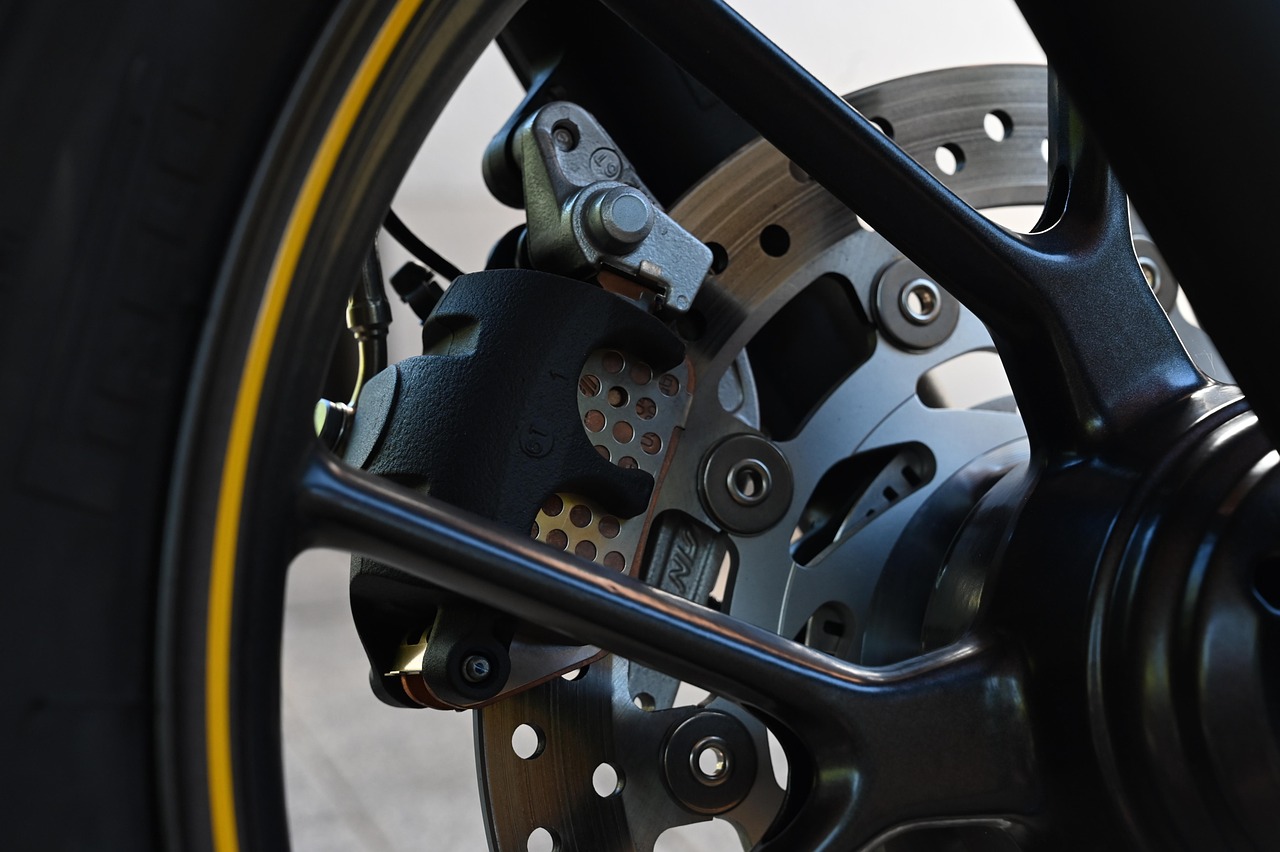
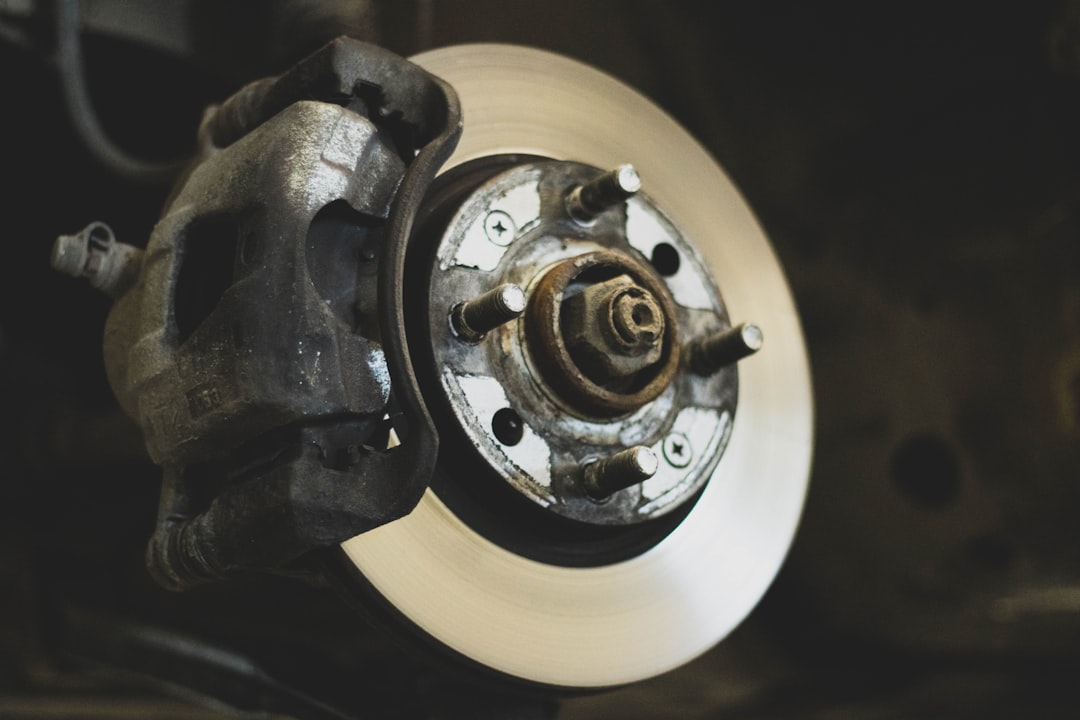
A scraping sound from one corner that disappears the instant you press the brake pedal is almost always hardware drag. Worn pad backing plates, a sticky caliper guide pin, or a stone wedged between the rotor and dust shield all behave the same way. Light pedal pressure resets the components, and the scrape stops. Lift off the brake and the scrape returns within a few seconds. That on-off pattern separates brake hardware from every other grinding source on the car.
Differential and Driveline Noises Are the Outback's Unique Vocabulary
Subaru's symmetrical AWD system gives the Outback a few grinding patterns that other crossovers don't produce. The rear differential whines under throttle and quiets on coast. The transfer clutch in the AWD system can grind during low-speed, tight turns if the fluid has degraded or if the clutch pack is wearing. A subtle ratcheting sound during a parking-lot maneuver is one of those Subaru-specific signatures, and the noise won't show up on a code scan since it lives in the mechanical side of the drivetrain.
How We Put a Stethoscope on the Sound
An electronic chassis-ear lets us clip microphones at each suspected component while the car is moving. Then we switch between channels on the road test to pinpoint the loudest source in real time. The diagnostic moves from speculation to evidence within a single drive.
Catch the Noise Before the Part Gives Out
If your Subaru Outback has been grinding through Warm Springs streets, contact Driven Auto Care of Fremont, CA at (510) 270-3686. Tell us when the noise shows up and what changes it. We'll set you up with a road test and a chassis-ear diagnosis on the first visit.