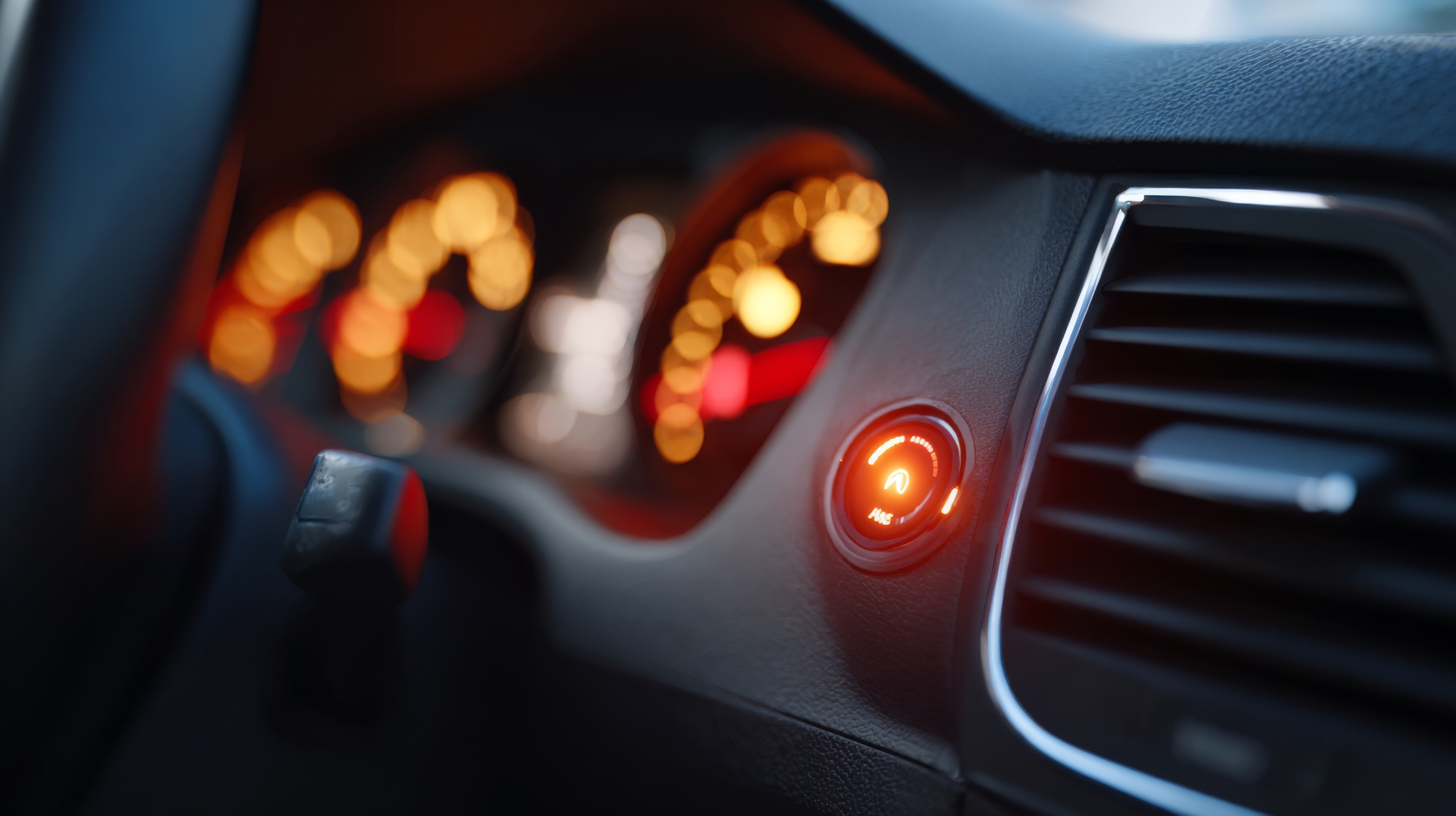
 When your Nissan ABS light comes on, the first thing to understand is simple: the anti-lock braking system has detected a fault. Nissan’s own warning-light guidance says if the ABS light stays on while the engine is running or while driving, the system may not be functioning properly. It also explains something important many drivers miss: your standard brakes will usually still work, but the anti-lock feature is turned off. In a panic stop, on wet pavement, or during a sudden lane change, that difference matters more than most people realize.
So why does the light come on in the first place? In many cases, the trouble starts with one of the system’s wheel-speed sensors or the ABS control side. Delphi notes the ABS light is often the first sign of a sensor or control module problem, and Nissan’s parts guidance says a Nissan ABS warning can point to problems with components tied to the anti-lock brake system. Since modern Nissan models often integrate ABS, traction, and stability control, a single fault can trigger multiple warning lights and make the car feel less secure during hard braking.
Brake fluid is another big one. Nissan’s dashboard-light page says the red brake warning light can indicate a low brake fluid level, while Nissan’s ABS guidance also notes low brake fluid or brake fluid loss can trigger the ABS light. That is where the conversation changes from inconvenient to urgent. If your Nissan has an ABS light plus a brake warning light, you should not assume it is just an electrical glitch. Low fluid levels may indicate worn pads, a leak, or another hydraulic issue that requires immediate inspection. Waiting too long here is how a warning light becomes a real brake problem.
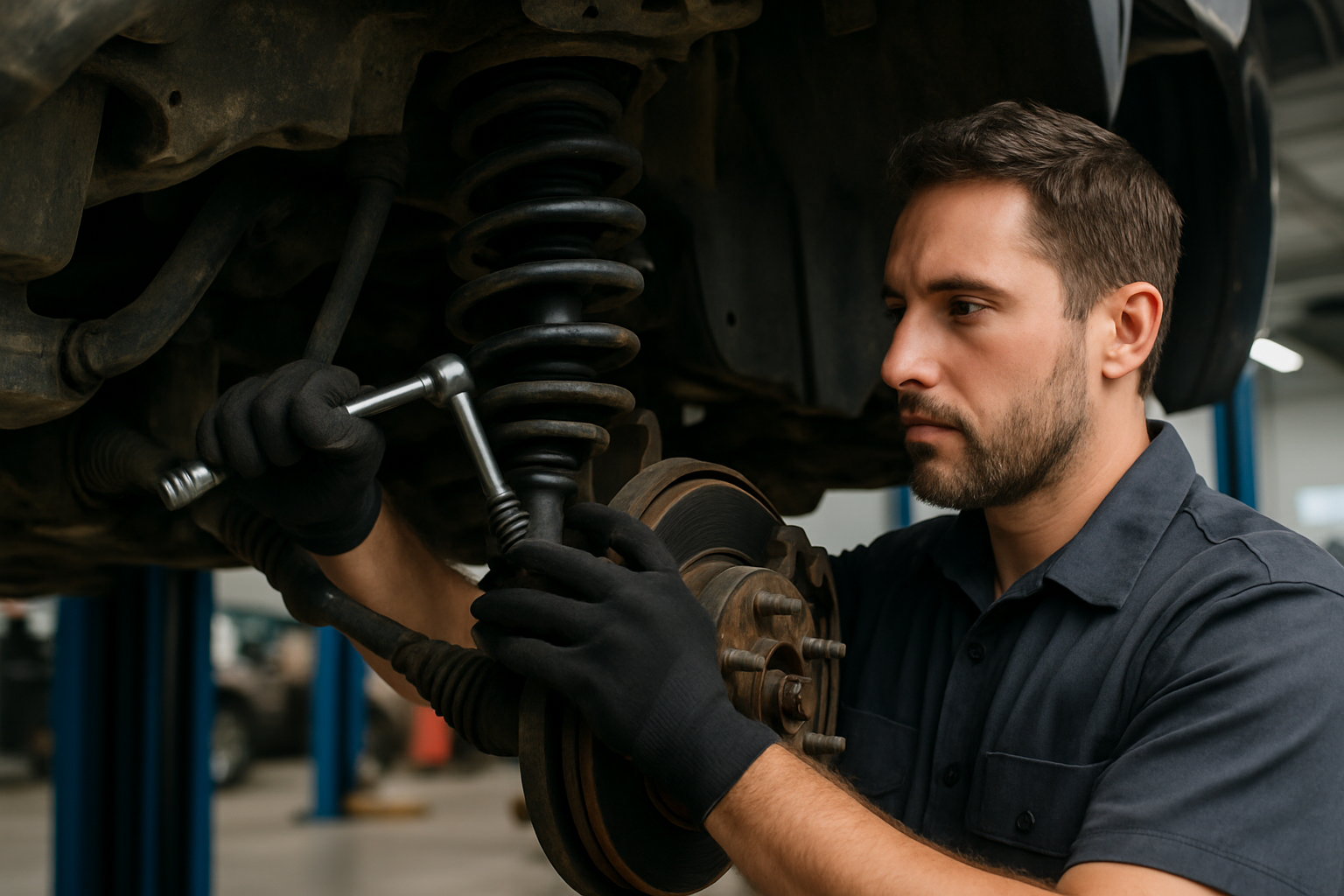
As for repairs, the answer depends on the root cause, not the light itself. In many Nissan cases, the repair may be as straightforward as replacing a failed wheel speed sensor or repairing damaged wiring near the hub. Other vehicles need a brake fluid service after low fluid or contamination is found. In tougher cases, the problem may trace back to the ABS control module, pump, tone ring, wheel bearing, or another part affecting sensor readings. In other words, the light does not automatically mean a massive repair bill, but it does mean proper testing matters. Guessing at it is how people replace parts they do not need.
At Driven Auto Care, the expected repairs align with the exact brake and electrical services we already perform every day. Our Fremont location lists ABS repair, brake inspection, brake pad replacement, brake rotor replacement, brake caliper replacement, brake line repair, brake hose replacement, brake fluid flush, sensor replacement, and electrical system troubleshooting among its regular services. We also specialize in Nissan vehicles, including the Altima, Rogue, Sentra, Pathfinder, Maxima, and Frontier, so we know these systems well and can distinguish a minor sensor issue from a deeper brake-system fault.
For Fremont drivers, the smart move is not to panic, but not to ignore the light either. An ABS light means your Nissan needs a real brake-system diagnosis, especially if you are also noticing a traction-control light, a red brake warning, longer stopping distances, or a strange pedal feel. At Driven Auto Care, we inspect the system, pull the fault data, test the related components, and tell you exactly what repair the vehicle needs. Sometimes it is a sensor. Sometimes it is a fluid or hydraulic issue. Sometimes it is a module problem. Either way, you are much better off finding out early than learning the hard way in traffic.
When your Nissan ABS light comes on, the first thing to understand is simple: the anti-lock braking system has detected a fault. Nissan’s own warning-light guidance says if the ABS light stays on while the engine is running or while driving, the system may not be functioning properly. It also explains something important many drivers miss: your standard brakes will usually still work, but the anti-lock feature is turned off. In a panic stop, on wet pavement, or during a sudden lane change, that difference matters more than most people realize.
So why does the light come on in the first place? In many cases, the trouble starts with one of the system’s wheel-speed sensors or the ABS control side. Delphi notes the ABS light is often the first sign of a sensor or control module problem, and Nissan’s parts guidance says a Nissan ABS warning can point to problems with components tied to the anti-lock brake system. Since modern Nissan models often integrate ABS, traction, and stability control, a single fault can trigger multiple warning lights and make the car feel less secure during hard braking.
Brake fluid is another big one. Nissan’s dashboard-light page says the red brake warning light can indicate a low brake fluid level, while Nissan’s ABS guidance also notes low brake fluid or brake fluid loss can trigger the ABS light. That is where the conversation changes from inconvenient to urgent. If your Nissan has an ABS light plus a brake warning light, you should not assume it is just an electrical glitch. Low fluid levels may indicate worn pads, a leak, or another hydraulic issue that requires immediate inspection. Waiting too long here is how a warning light becomes a real brake problem.
As for repairs, the answer depends on the root cause, not the light itself. In many Nissan cases, the repair may be as straightforward as replacing a failed wheel speed sensor or repairing damaged wiring near the hub. Other vehicles need a brake fluid service after low fluid or contamination is found. In tougher cases, the problem may trace back to the ABS control module, pump, tone ring, wheel bearing, or another part affecting sensor readings. In other words, the light does not automatically mean a massive repair bill, but it does mean proper testing matters. Guessing at it is how people replace parts they do not need.
At Driven Auto Care, the expected repairs align with the exact brake and electrical services we already perform every day. Our Fremont location lists ABS repair, brake inspection, brake pad replacement, brake rotor replacement, brake caliper replacement, brake line repair, brake hose replacement, brake fluid flush, sensor replacement, and electrical system troubleshooting among its regular services. We also specialize in Nissan vehicles, including the Altima, Rogue, Sentra, Pathfinder, Maxima, and Frontier, so we know these systems well and can distinguish a minor sensor issue from a deeper brake-system fault.
For Fremont drivers, the smart move is not to panic, but not to ignore the light either. An ABS light means your Nissan needs a real brake-system diagnosis, especially if you are also noticing a traction-control light, a red brake warning, longer stopping distances, or a strange pedal feel. At Driven Auto Care, we inspect the system, pull the fault data, test the related components, and tell you exactly what repair the vehicle needs. Sometimes it is a sensor. Sometimes it is a fluid or hydraulic issue. Sometimes it is a module problem. Either way, you are much better off finding out early than learning the hard way in traffic.
Fremont, CA - Why Is Your Nissan ABS Light On And What Repairs Can You Expect?
SYNOPSIS: A Nissan ABS light may point to sensor, wiring, or module issues. Fast diagnosis helps Fremont drivers prevent brake problems and maintain safety. Brake fluid isn't the only culprit.
Nissan ABS Lights Mean Brake System Trouble
BY: Arun Coumar, Driven Auto Care of Fremont, CA
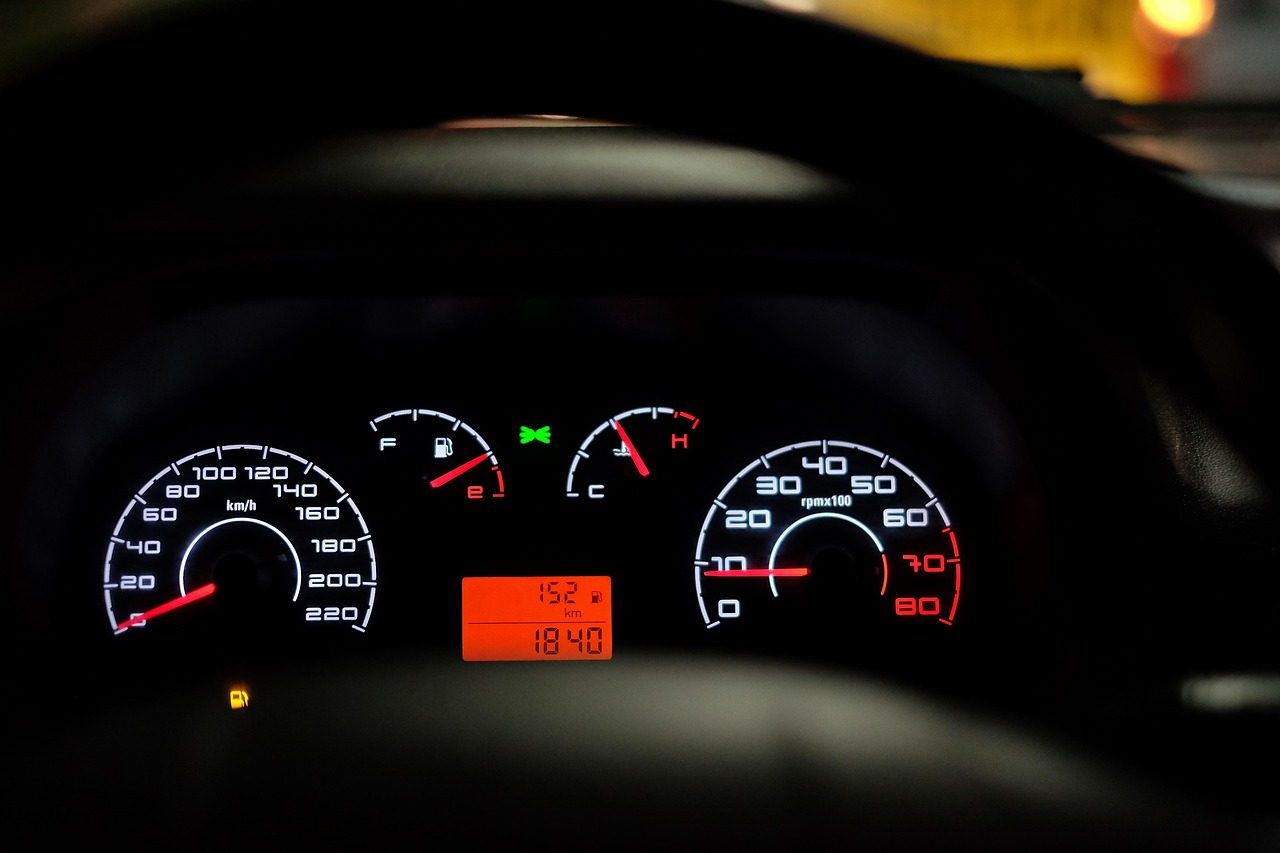
When your Nissan ABS light comes on, the first thing to understand is simple: the anti-lock braking system has detected a fault. Nissan’s own warning-light guidance says if the ABS light stays on while the engine is running or while driving, the system may not be functioning properly. It also explains something important many drivers miss: your standard brakes will usually still work, but the anti-lock feature is turned off. In a panic stop, on wet pavement, or during a sudden lane change, that difference matters more than most people realize.
So why does the light come on in the first place? In many cases, the trouble starts with one of the system’s wheel-speed sensors or the ABS control side. Delphi notes the ABS light is often the first sign of a sensor or control module problem, and Nissan’s parts guidance says a Nissan ABS warning can point to problems with components tied to the anti-lock brake system. Since modern Nissan models often integrate ABS, traction, and stability control, a single fault can trigger multiple warning lights and make the car feel less secure during hard braking.
Brake fluid is another big one. Nissan’s dashboard-light page says the red brake warning light can indicate a low brake fluid level, while Nissan’s ABS guidance also notes low brake fluid or brake fluid loss can trigger the ABS light. That is where the conversation changes from inconvenient to urgent. If your Nissan has an ABS light plus a brake warning light, you should not assume it is just an electrical glitch. Low fluid levels may indicate worn pads, a leak, or another hydraulic issue that requires immediate inspection. Waiting too long here is how a warning light becomes a real brake problem.
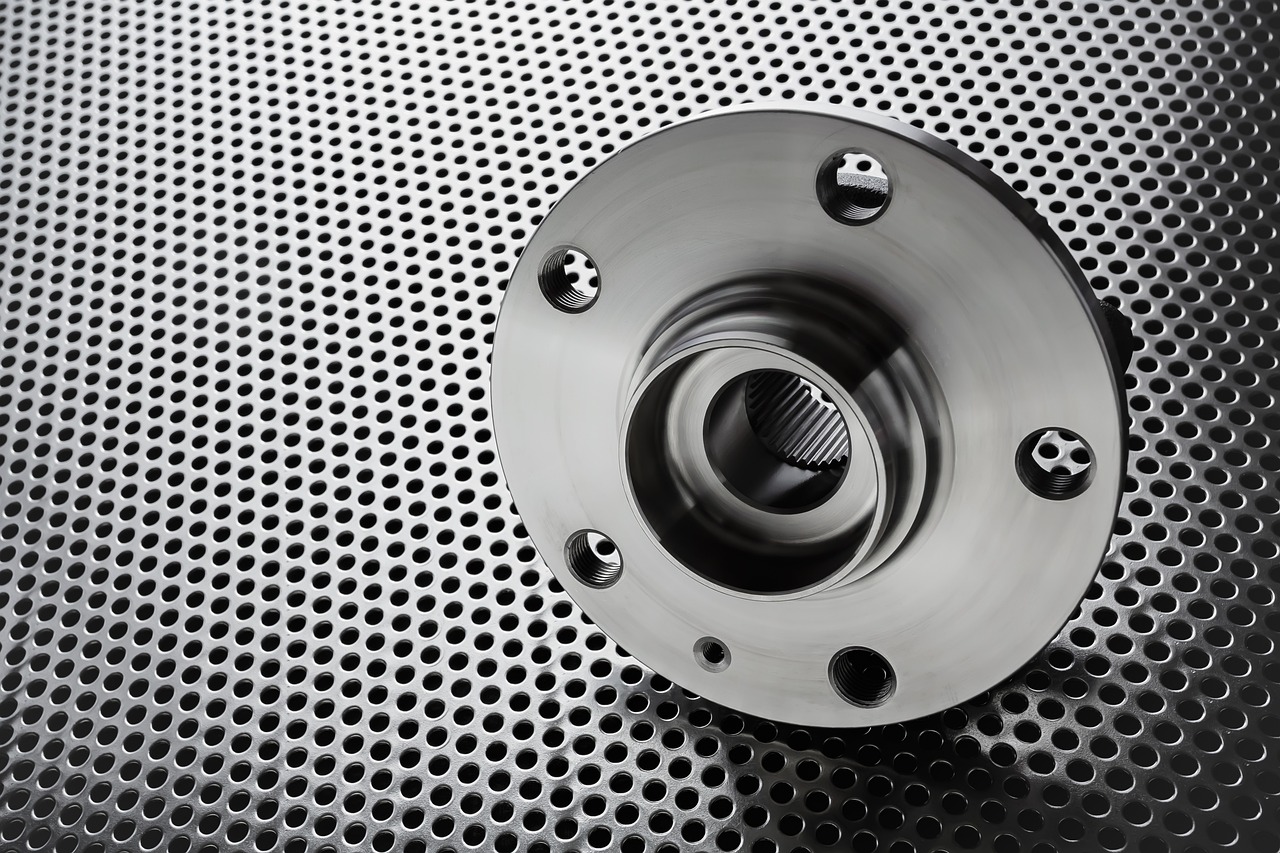
As for repairs, the answer depends on the root cause, not the light itself. In many Nissan cases, the repair may be as straightforward as replacing a failed wheel speed sensor or repairing damaged wiring near the hub. Other vehicles need a brake fluid service after low fluid or contamination is found. In tougher cases, the problem may trace back to the ABS control module, pump, tone ring, wheel bearing, or another part affecting sensor readings. In other words, the light does not automatically mean a massive repair bill, but it does mean proper testing matters. Guessing at it is how people replace parts they do not need.
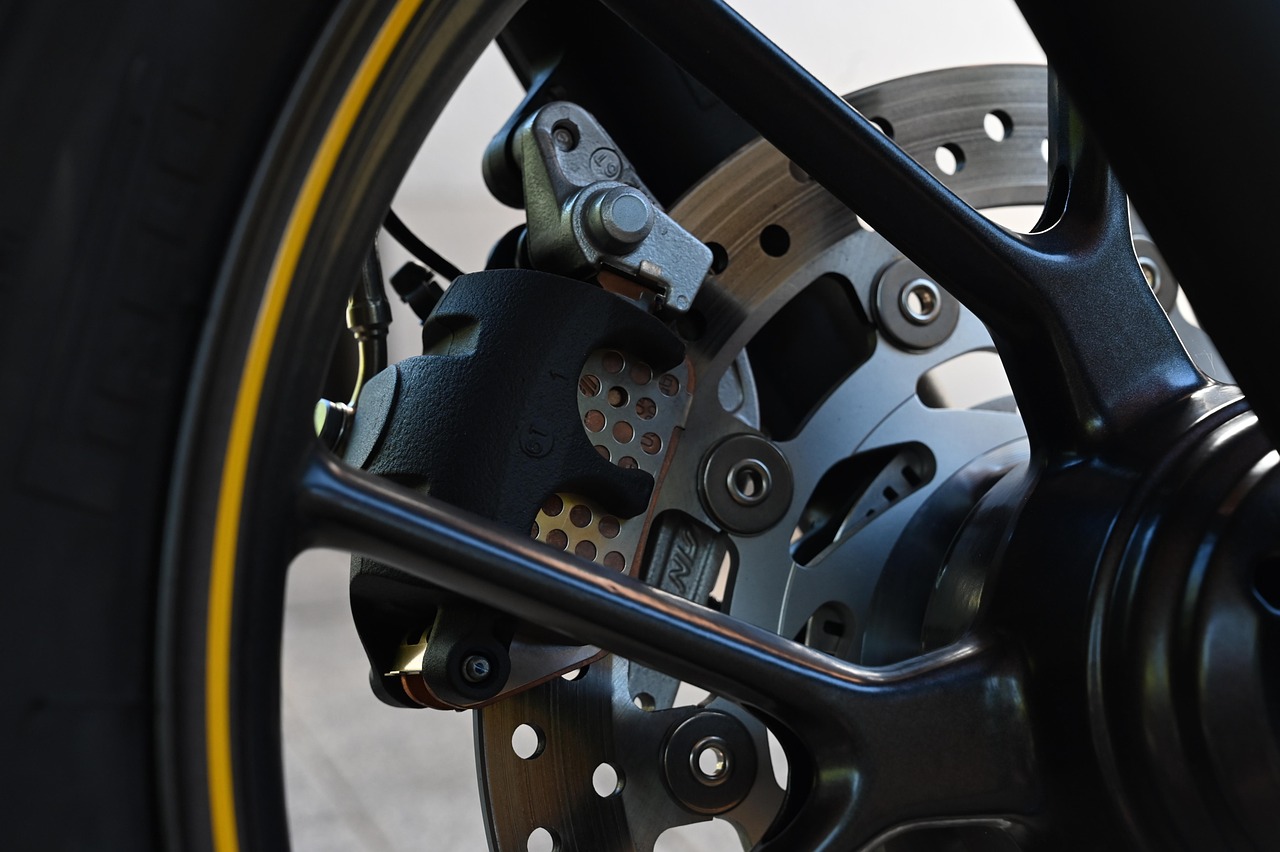
At Driven Auto Care, the expected repairs align with the exact brake and electrical services we already perform every day. Our Fremont location lists ABS repair, brake inspection, brake pad replacement, brake rotor replacement, brake caliper replacement, brake line repair, brake hose replacement, brake fluid flush, sensor replacement, and electrical system troubleshooting among its regular services. We also specialize in Nissan vehicles, including the Altima, Rogue, Sentra, Pathfinder, Maxima, and Frontier, so we know these systems well and can distinguish a minor sensor issue from a deeper brake-system fault.
For Fremont drivers, the smart move is not to panic, but not to ignore the light either. An ABS light means your Nissan needs a real brake-system diagnosis, especially if you are also noticing a traction-control light, a red brake warning, longer stopping distances, or a strange pedal feel. At Driven Auto Care, we inspect the system, pull the fault data, test the related components, and tell you exactly what repair the vehicle needs. Sometimes it is a sensor. Sometimes it is a fluid or hydraulic issue. Sometimes it is a module problem. Either way, you are much better off finding out early than learning the hard way in traffic.