 Your nose found the problem before anything else did. That hot oil smell coming through the vents of your BMW at a Fremont stoplight isn't road debris or a spill from your last oil change. It's engine oil landing on the exhaust manifold, and the source sits right on top of the engine where the valve cover meets the cylinder head.
BMW built the N52 and N54 inline six engines with a plastic valve cover instead of aluminum, and that engineering choice creates a failure pattern we see in our Fremont shop on 2006 through 2013 3 Series and 5 Series models every single week. The cover warps, the gasket hardens, and oil finds its way out. Here's what's happening inside your engine bay and how we track it down.
Why BMW Used Plastic in the First Place
BMW engineers chose high-density plastic for the valve cover to shave weight off the top of the engine. The material handles heat well for the first several years, but it can't survive indefinite thermal cycling. Every time the engine heats to operating temperature and cools back down, the plastic expands and contracts at a different rate than the aluminum cylinder head underneath it. That mismatch stresses the seal between the two surfaces, and the molded silicone gasket in the channel gets compressed thinner with each cycle. After five or six years, the gasket hardens enough that oil pressure pushes past the seal.
Where the Oil Goes Once It Escapes
The leak path on these engines follows gravity and airflow toward the rear passenger side of the cylinder head. Oil seeps past the gasket, runs down the back of the engine, and lands on the exhaust manifold. The manifold surface temperature sits above 400 degrees Fahrenheit at operating heat, and that contact produces the burning smell you're catching at idle. You won't see puddles in your driveway with this kind of leak because the oil evaporates on contact with the exhaust. The smoke curls up through the engine bay and enters the cabin through the fresh air intake at the base of the windshield.
The Bolt Grommets That Everyone Forgets
Each valve cover bolt passes through a rubber grommet washer that seals the bolt hole. These grommets split and crack at the same rate as the main gasket, and a torn grommet lets oil seep into the spark plug wells around each coil pack. We've pulled ignition coils off N52 engines and found them sitting in a pool of oil. That oil doesn't destroy the coil immediately, but it degrades the rubber boot over time and can cause a misfire condition that triggers its own check engine light.
How We Trace the Leak at Our Shop
We start by degreasing the entire top and passenger side of the engine with solvent, so we're working with a clean surface. We add UV fluorescent dye to the engine oil, run the car to operating temperature, and use a black light to trace every path the oil takes from the gasket surface downward. The dye glows bright green under UV, and it shows us whether the leak is coming from the valve cover gasket, the oil filter housing gasket below it, or both. The oil filter housing gasket on N52 engines is another common failure, and the two leaks can overlap enough that fixing only one leaves oil still dripping onto the serpentine belt.
The Cover Itself Can Crack
A hardened gasket is the less expensive repair. A cracked valve cover means the whole unit gets replaced, and on N52 engines, the crankcase ventilation valve is built into the cover assembly. We inspect the cover under a work light for hairline fractures along the bolt bosses and the rear sealing edge before we quote the job. If the cover is cracked, replacing the gasket alone won't hold.
When the Smell Becomes a Bigger Problem
Oil on the exhaust manifold creates smoke, and sustained oil contact with wiring harnesses and rubber hoses accelerates their aging. The serpentine belt can absorb oil from a filter housing leak and start slipping, which affects the alternator and power steering pump. Catching the valve cover gasket early keeps the repair contained to one gasket and one afternoon on the lift.
Your BMW Told You Something Worth Hearing
That burning smell is your engine giving you a straightforward signal about a specific gasket that failed in a predictable way. Driven Auto Care in Fremont diagnoses BMW oil leaks with UV dye tracing and a thorough inspection of every sealing surface on the top end of the engine. Give us a call at (510) 270-3686 and we'll get your car on a lift, confirm the source, and walk you through the repair before we touch a single bolt.
Your nose found the problem before anything else did. That hot oil smell coming through the vents of your BMW at a Fremont stoplight isn't road debris or a spill from your last oil change. It's engine oil landing on the exhaust manifold, and the source sits right on top of the engine where the valve cover meets the cylinder head.
BMW built the N52 and N54 inline six engines with a plastic valve cover instead of aluminum, and that engineering choice creates a failure pattern we see in our Fremont shop on 2006 through 2013 3 Series and 5 Series models every single week. The cover warps, the gasket hardens, and oil finds its way out. Here's what's happening inside your engine bay and how we track it down.
Why BMW Used Plastic in the First Place
BMW engineers chose high-density plastic for the valve cover to shave weight off the top of the engine. The material handles heat well for the first several years, but it can't survive indefinite thermal cycling. Every time the engine heats to operating temperature and cools back down, the plastic expands and contracts at a different rate than the aluminum cylinder head underneath it. That mismatch stresses the seal between the two surfaces, and the molded silicone gasket in the channel gets compressed thinner with each cycle. After five or six years, the gasket hardens enough that oil pressure pushes past the seal.
Where the Oil Goes Once It Escapes
The leak path on these engines follows gravity and airflow toward the rear passenger side of the cylinder head. Oil seeps past the gasket, runs down the back of the engine, and lands on the exhaust manifold. The manifold surface temperature sits above 400 degrees Fahrenheit at operating heat, and that contact produces the burning smell you're catching at idle. You won't see puddles in your driveway with this kind of leak because the oil evaporates on contact with the exhaust. The smoke curls up through the engine bay and enters the cabin through the fresh air intake at the base of the windshield.
The Bolt Grommets That Everyone Forgets
Each valve cover bolt passes through a rubber grommet washer that seals the bolt hole. These grommets split and crack at the same rate as the main gasket, and a torn grommet lets oil seep into the spark plug wells around each coil pack. We've pulled ignition coils off N52 engines and found them sitting in a pool of oil. That oil doesn't destroy the coil immediately, but it degrades the rubber boot over time and can cause a misfire condition that triggers its own check engine light.
How We Trace the Leak at Our Shop
We start by degreasing the entire top and passenger side of the engine with solvent, so we're working with a clean surface. We add UV fluorescent dye to the engine oil, run the car to operating temperature, and use a black light to trace every path the oil takes from the gasket surface downward. The dye glows bright green under UV, and it shows us whether the leak is coming from the valve cover gasket, the oil filter housing gasket below it, or both. The oil filter housing gasket on N52 engines is another common failure, and the two leaks can overlap enough that fixing only one leaves oil still dripping onto the serpentine belt.
The Cover Itself Can Crack
A hardened gasket is the less expensive repair. A cracked valve cover means the whole unit gets replaced, and on N52 engines, the crankcase ventilation valve is built into the cover assembly. We inspect the cover under a work light for hairline fractures along the bolt bosses and the rear sealing edge before we quote the job. If the cover is cracked, replacing the gasket alone won't hold.
When the Smell Becomes a Bigger Problem
Oil on the exhaust manifold creates smoke, and sustained oil contact with wiring harnesses and rubber hoses accelerates their aging. The serpentine belt can absorb oil from a filter housing leak and start slipping, which affects the alternator and power steering pump. Catching the valve cover gasket early keeps the repair contained to one gasket and one afternoon on the lift.
Your BMW Told You Something Worth Hearing
That burning smell is your engine giving you a straightforward signal about a specific gasket that failed in a predictable way. Driven Auto Care in Fremont diagnoses BMW oil leaks with UV dye tracing and a thorough inspection of every sealing surface on the top end of the engine. Give us a call at (510) 270-3686 and we'll get your car on a lift, confirm the source, and walk you through the repair before we touch a single bolt.
Fremont, CA - BMW Oil Leak Smell From Engine Bay? Auto Repair Shop Explains Risk
SYNOPSIS: Driven Auto Care of Fremont explains why BMW inline-six engines develop burning oil smells and how diagnostics confirm valve cover gasket leaks. Your nose found the problem, now let experts fix it.
BMW Oil Smell? Check Your Valve Cover Gasket
BY: Arun Coumar, Driven Auto Care of Fremont, CA
Your nose found the problem before anything else did. That hot oil smell coming through the vents of your BMW at a Fremont stoplight isn't road debris or a spill from your last oil change. It's engine oil landing on the exhaust manifold, and the source sits right on top of the engine where the valve cover meets the cylinder head.
BMW built the N52 and N54 inline six engines with a plastic valve cover instead of aluminum, and that engineering choice creates a failure pattern we see in our Fremont shop on 2006 through 2013 3 Series and 5 Series models every single week. The cover warps, the gasket hardens, and oil finds its way out. Here's what's happening inside your engine bay and how we track it down.
Why BMW Used Plastic in the First Place
BMW engineers chose high-density plastic for the valve cover to shave weight off the top of the engine. The material handles heat well for the first several years, but it can't survive indefinite thermal cycling. Every time the engine heats to operating temperature and cools back down, the plastic expands and contracts at a different rate than the aluminum cylinder head underneath it. That mismatch stresses the seal between the two surfaces, and the molded silicone gasket in the channel gets compressed thinner with each cycle. After five or six years, the gasket hardens enough that oil pressure pushes past the seal.
Where the Oil Goes Once It Escapes
The leak path on these engines follows gravity and airflow toward the rear passenger side of the cylinder head. Oil seeps past the gasket, runs down the back of the engine, and lands on the exhaust manifold. The manifold surface temperature sits above 400 degrees Fahrenheit at operating heat, and that contact produces the burning smell you're catching at idle. You won't see puddles in your driveway with this kind of leak because the oil evaporates on contact with the exhaust. The smoke curls up through the engine bay and enters the cabin through the fresh air intake at the base of the windshield.
The Bolt Grommets That Everyone Forgets
Each valve cover bolt passes through a rubber grommet washer that seals the bolt hole. These grommets split and crack at the same rate as the main gasket, and a torn grommet lets oil seep into the spark plug wells around each coil pack. We've pulled ignition coils off N52 engines and found them sitting in a pool of oil. That oil doesn't destroy the coil immediately, but it degrades the rubber boot over time and can cause a misfire condition that triggers its own check engine light.
How We Trace the Leak at Our Shop
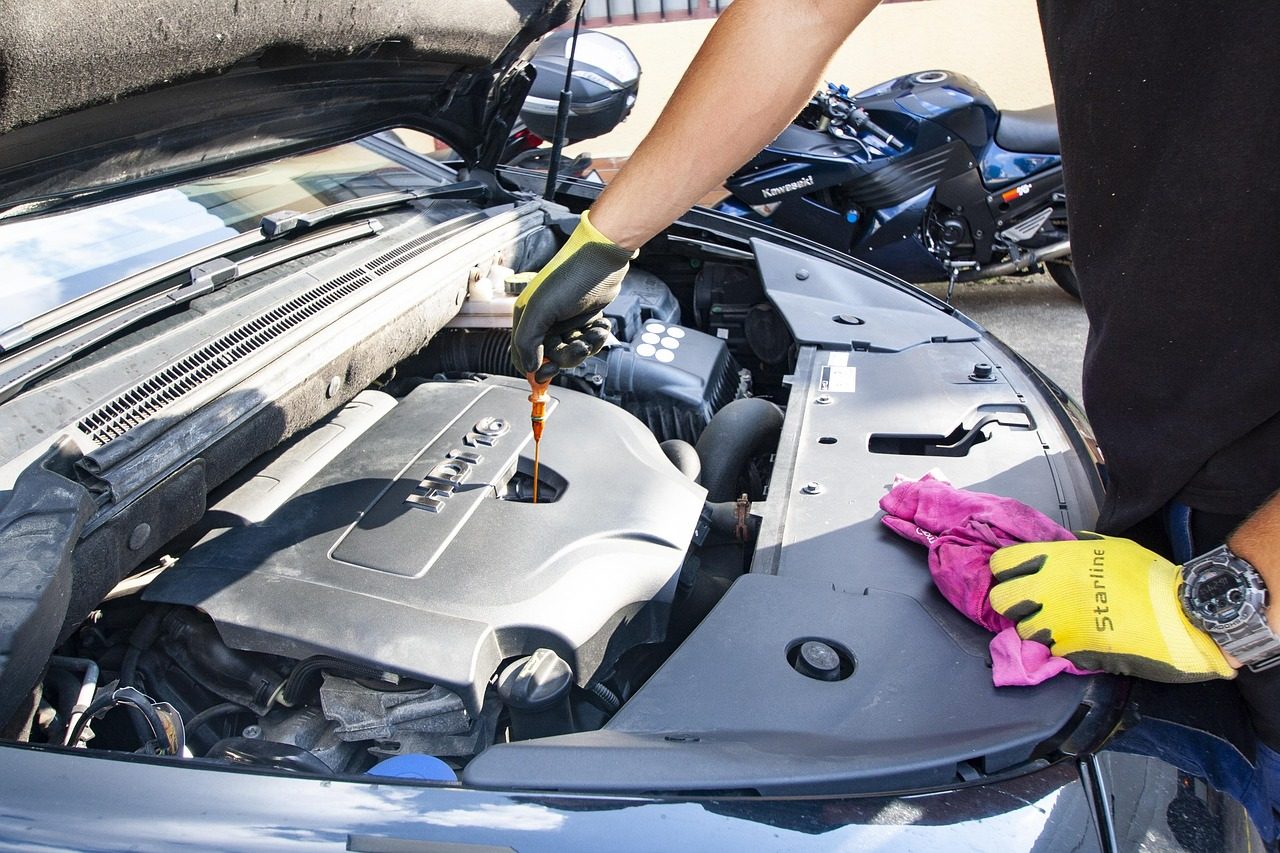
We start by degreasing the entire top and passenger side of the engine with solvent, so we're working with a clean surface. We add UV fluorescent dye to the engine oil, run the car to operating temperature, and use a black light to trace every path the oil takes from the gasket surface downward. The dye glows bright green under UV, and it shows us whether the leak is coming from the valve cover gasket, the oil filter housing gasket below it, or both. The oil filter housing gasket on N52 engines is another common failure, and the two leaks can overlap enough that fixing only one leaves oil still dripping onto the serpentine belt.
The Cover Itself Can Crack
A hardened gasket is the less expensive repair. A cracked valve cover means the whole unit gets replaced, and on N52 engines, the crankcase ventilation valve is built into the cover assembly. We inspect the cover under a work light for hairline fractures along the bolt bosses and the rear sealing edge before we quote the job. If the cover is cracked, replacing the gasket alone won't hold.
When the Smell Becomes a Bigger Problem
Oil on the exhaust manifold creates smoke, and sustained oil contact with wiring harnesses and rubber hoses accelerates their aging. The serpentine belt can absorb oil from a filter housing leak and start slipping, which affects the alternator and power steering pump. Catching the valve cover gasket early keeps the repair contained to one gasket and one afternoon on the lift.
Your BMW Told You Something Worth Hearing
That burning smell is your engine giving you a straightforward signal about a specific gasket that failed in a predictable way. Driven Auto Care in Fremont diagnoses BMW oil leaks with UV dye tracing and a thorough inspection of every sealing surface on the top end of the engine. Give us a call at (510) 270-3686 and we'll get your car on a lift, confirm the source, and walk you through the repair before we touch a single bolt.