 You checked the coolant reservoir last month and it sat right at the full line. This morning it's a quarter inch below the low mark, and there's nothing wet under the car. Your Toyota didn't burn through that fluid on its own, and the cooling system doesn't consume coolant the way an engine consumes oil. That fluid left through a gap in a seal somewhere between the radiator and the engine block, and it evaporated on a hot surface before it had the chance to drip onto your Milpitas driveway.
Week One: The Reservoir Drops and Nothing Else Changes
The earliest sign of a coolant leak on 2007 through 2017 Toyota Camry and Corolla four-cylinder models is a slow decline in the overflow reservoir that the driver spots during a routine underhood check. The engine temperature gauge reads normal, the heater blows warm, and the car drives the same as it did last week. The plastic water outlet housing that bolts to the cylinder head has started to warp from years of thermal cycling, and the gasket sandwiched between the housing and the head has compressed enough that coolant weeps past the seal under operating pressure. The fluid runs down the front of the engine, contacts the timing cover surface at over 200 degrees, and evaporates into steam that mixes with engine bay airflow. No puddle forms because the volume is too small and the surface is too hot.
Week Four: The Sweet Smell Finds You
Coolant has a glycol base that produces a sweet, almost syrupy smell when it evaporates on hot metal. As the leak rate increases over the next few weeks, enough vapor enters the engine bay airflow to reach the cabin through the fresh air intake at the base of the windshield. Milpitas drivers who catch this smell while sitting in traffic on Dixon Landing Road with the fan on fresh air are sensing coolant that's boiling off the engine faster than before. Driven Auto Care in Fremont sees Toyota owners at this stage more than any other, because the smell is distinctive enough to prompt a phone call even when the gauge still reads normal.
Week Eight: The Gauge Starts Moving
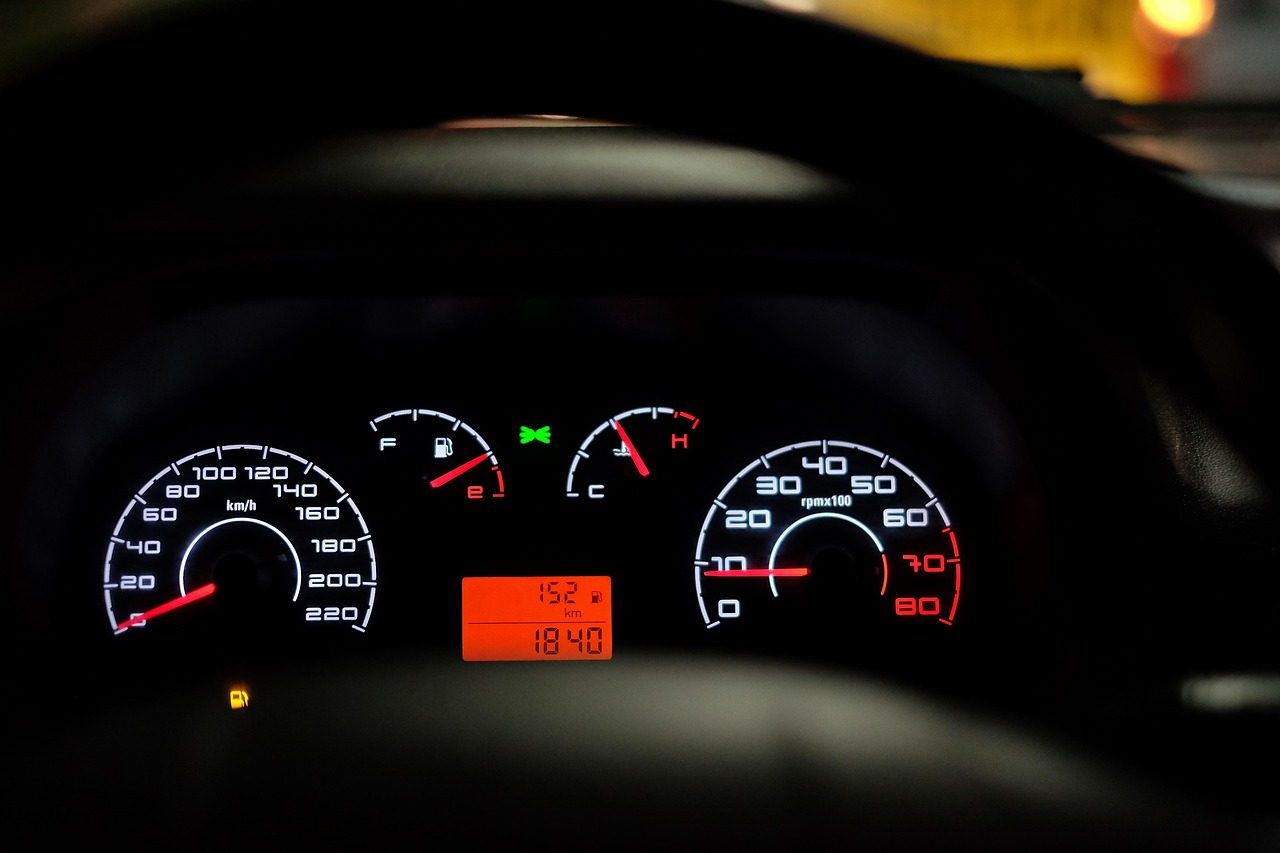
The cooling system has now lost enough volume that the water pump begins drawing small air pockets through the circuit. Those air pockets can't absorb heat the way liquid coolant does, and they create hot spots on the cylinder head surface wherever they settle. The temperature gauge responds by climbing at idle, where coolant flow is slowest, and dropping back to center at highway speed, where the pump pushes more volume and the radiator gets maximum airflow. This idle-versus-highway fluctuation is the system telling the driver that fluid volume has dropped below the threshold where the pump can maintain consistent circulation.
What Changes If You Wait Past the Gauge
The cylinder head on these Toyota four-cylinders is cast aluminum, and aluminum distorts at temperatures well below what cast iron can tolerate. A head that warps from sustained overheating won't seal against the head gasket even after the gasket is replaced, and the head requires machine shop surfacing to restore a flat mating surface. The water outlet housing that started the leak is a repair for the afternoon. The cylinder head that warps because the leak went unaddressed is a week-long job with the engine partially disassembled.
The Reservoir Told You First
That declining coolant level is the most forgiving warning your Toyota's cooling system can give. Driven Auto Care in Fremont traces coolant leaks on Camry and Corolla models for Milpitas drivers and identifies the failing seal before the temperature gauge gets involved. The article you're reading describes exactly what to watch for, and (510) 270-3686 is the number to call while your engine is still running cool.
You checked the coolant reservoir last month and it sat right at the full line. This morning it's a quarter inch below the low mark, and there's nothing wet under the car. Your Toyota didn't burn through that fluid on its own, and the cooling system doesn't consume coolant the way an engine consumes oil. That fluid left through a gap in a seal somewhere between the radiator and the engine block, and it evaporated on a hot surface before it had the chance to drip onto your Milpitas driveway.
Week One: The Reservoir Drops and Nothing Else Changes
The earliest sign of a coolant leak on 2007 through 2017 Toyota Camry and Corolla four-cylinder models is a slow decline in the overflow reservoir that the driver spots during a routine underhood check. The engine temperature gauge reads normal, the heater blows warm, and the car drives the same as it did last week. The plastic water outlet housing that bolts to the cylinder head has started to warp from years of thermal cycling, and the gasket sandwiched between the housing and the head has compressed enough that coolant weeps past the seal under operating pressure. The fluid runs down the front of the engine, contacts the timing cover surface at over 200 degrees, and evaporates into steam that mixes with engine bay airflow. No puddle forms because the volume is too small and the surface is too hot.
Week Four: The Sweet Smell Finds You
Coolant has a glycol base that produces a sweet, almost syrupy smell when it evaporates on hot metal. As the leak rate increases over the next few weeks, enough vapor enters the engine bay airflow to reach the cabin through the fresh air intake at the base of the windshield. Milpitas drivers who catch this smell while sitting in traffic on Dixon Landing Road with the fan on fresh air are sensing coolant that's boiling off the engine faster than before. Driven Auto Care in Fremont sees Toyota owners at this stage more than any other, because the smell is distinctive enough to prompt a phone call even when the gauge still reads normal.
Week Eight: The Gauge Starts Moving
The cooling system has now lost enough volume that the water pump begins drawing small air pockets through the circuit. Those air pockets can't absorb heat the way liquid coolant does, and they create hot spots on the cylinder head surface wherever they settle. The temperature gauge responds by climbing at idle, where coolant flow is slowest, and dropping back to center at highway speed, where the pump pushes more volume and the radiator gets maximum airflow. This idle-versus-highway fluctuation is the system telling the driver that fluid volume has dropped below the threshold where the pump can maintain consistent circulation.
What Changes If You Wait Past the Gauge
The cylinder head on these Toyota four-cylinders is cast aluminum, and aluminum distorts at temperatures well below what cast iron can tolerate. A head that warps from sustained overheating won't seal against the head gasket even after the gasket is replaced, and the head requires machine shop surfacing to restore a flat mating surface. The water outlet housing that started the leak is a repair for the afternoon. The cylinder head that warps because the leak went unaddressed is a week-long job with the engine partially disassembled.
The Reservoir Told You First
That declining coolant level is the most forgiving warning your Toyota's cooling system can give. Driven Auto Care in Fremont traces coolant leaks on Camry and Corolla models for Milpitas drivers and identifies the failing seal before the temperature gauge gets involved. The article you're reading describes exactly what to watch for, and (510) 270-3686 is the number to call while your engine is still running cool.
Milpitas, CA - Toyota Coolant Leak Warning Signs Found by Local Auto Mechanic
SYNOPSIS: Driven Auto Care of Fremont explains how to trace the oil leaks on your Nissan Altima and Maxima VQ35DE engines and identify the failed gasket before the repairs are done.
Your Toyota Is Losing Coolant and Hiding It
BY: Arun Coumar, Driven Auto Care of Fremont, CA
You checked the coolant reservoir last month and it sat right at the full line. This morning it's a quarter inch below the low mark, and there's nothing wet under the car. Your Toyota didn't burn through that fluid on its own, and the cooling system doesn't consume coolant the way an engine consumes oil. That fluid left through a gap in a seal somewhere between the radiator and the engine block, and it evaporated on a hot surface before it had the chance to drip onto your Milpitas driveway.
Week One: The Reservoir Drops and Nothing Else Changes
The earliest sign of a coolant leak on 2007 through 2017 Toyota Camry and Corolla four-cylinder models is a slow decline in the overflow reservoir that the driver spots during a routine underhood check. The engine temperature gauge reads normal, the heater blows warm, and the car drives the same as it did last week. The plastic water outlet housing that bolts to the cylinder head has started to warp from years of thermal cycling, and the gasket sandwiched between the housing and the head has compressed enough that coolant weeps past the seal under operating pressure. The fluid runs down the front of the engine, contacts the timing cover surface at over 200 degrees, and evaporates into steam that mixes with engine bay airflow. No puddle forms because the volume is too small and the surface is too hot.
Week Four: The Sweet Smell Finds You
Coolant has a glycol base that produces a sweet, almost syrupy smell when it evaporates on hot metal. As the leak rate increases over the next few weeks, enough vapor enters the engine bay airflow to reach the cabin through the fresh air intake at the base of the windshield. Milpitas drivers who catch this smell while sitting in traffic on Dixon Landing Road with the fan on fresh air are sensing coolant that's boiling off the engine faster than before. Driven Auto Care in Fremont sees Toyota owners at this stage more than any other, because the smell is distinctive enough to prompt a phone call even when the gauge still reads normal.
Week Eight: The Gauge Starts Moving
The cooling system has now lost enough volume that the water pump begins drawing small air pockets through the circuit. Those air pockets can't absorb heat the way liquid coolant does, and they create hot spots on the cylinder head surface wherever they settle. The temperature gauge responds by climbing at idle, where coolant flow is slowest, and dropping back to center at highway speed, where the pump pushes more volume and the radiator gets maximum airflow. This idle-versus-highway fluctuation is the system telling the driver that fluid volume has dropped below the threshold where the pump can maintain consistent circulation.
What Changes If You Wait Past the Gauge
The cylinder head on these Toyota four-cylinders is cast aluminum, and aluminum distorts at temperatures well below what cast iron can tolerate. A head that warps from sustained overheating won't seal against the head gasket even after the gasket is replaced, and the head requires machine shop surfacing to restore a flat mating surface. The water outlet housing that started the leak is a repair for the afternoon. The cylinder head that warps because the leak went unaddressed is a week-long job with the engine partially disassembled.
The Reservoir Told You First
That declining coolant level is the most forgiving warning your Toyota's cooling system can give. Driven Auto Care in Fremont traces coolant leaks on Camry and Corolla models for Milpitas drivers and identifies the failing seal before the temperature gauge gets involved. The article you're reading describes exactly what to watch for, and (510) 270-3686 is the number to call while your engine is still running cool.