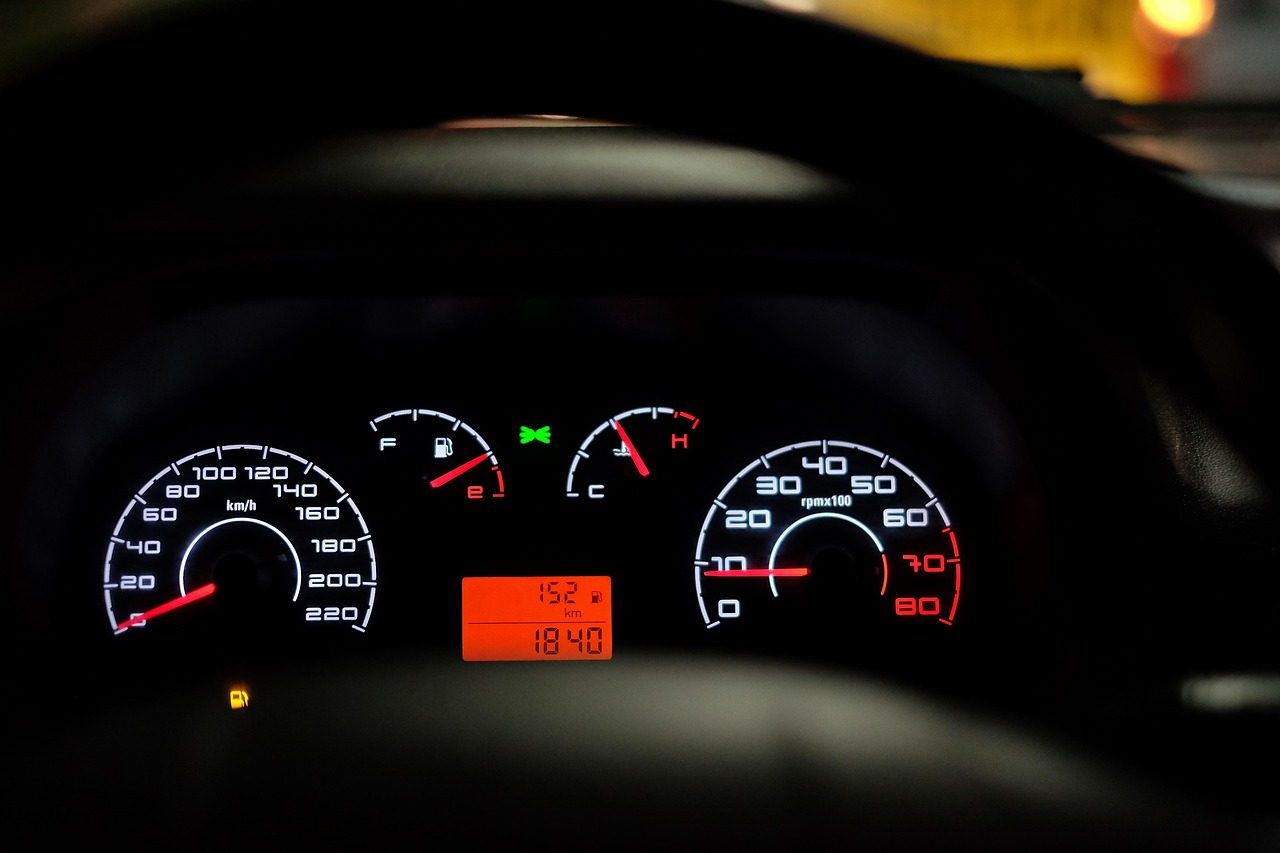
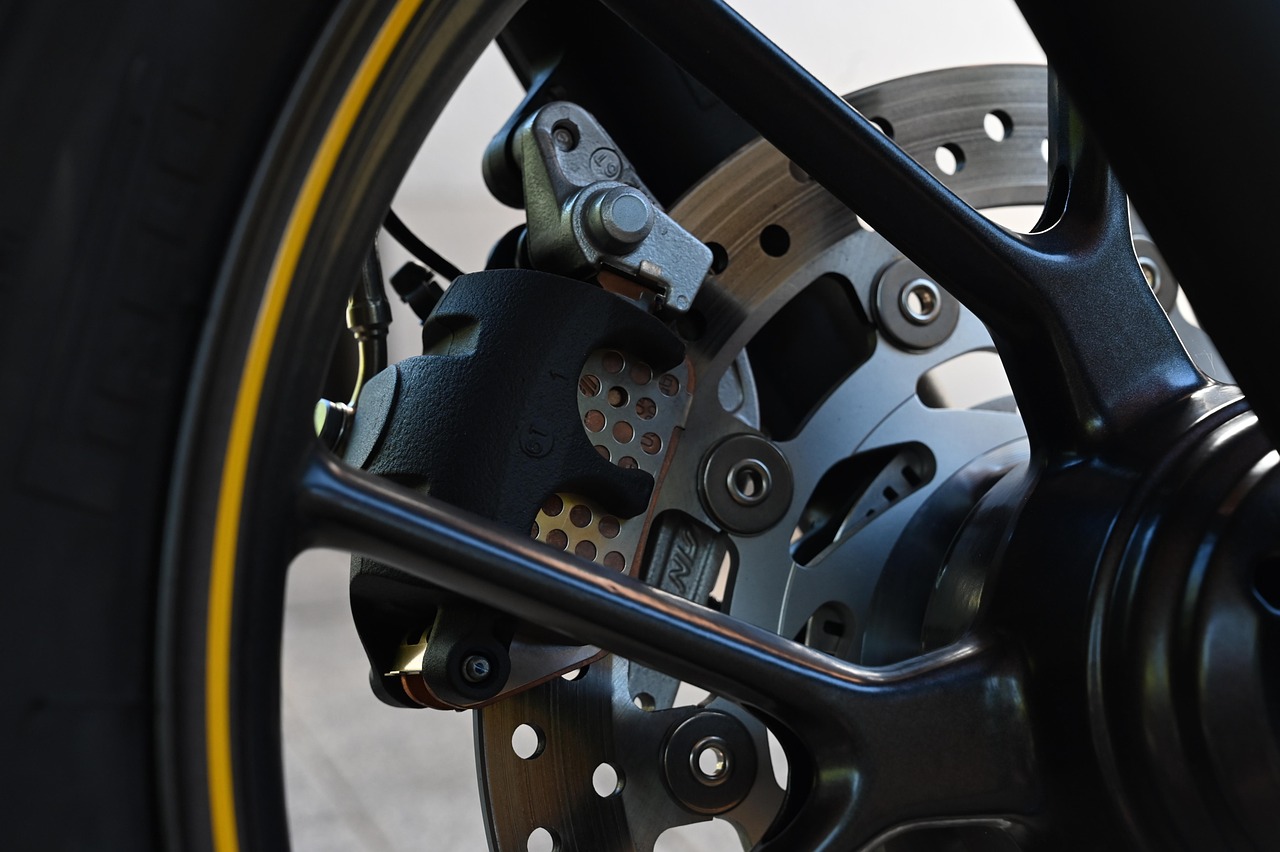
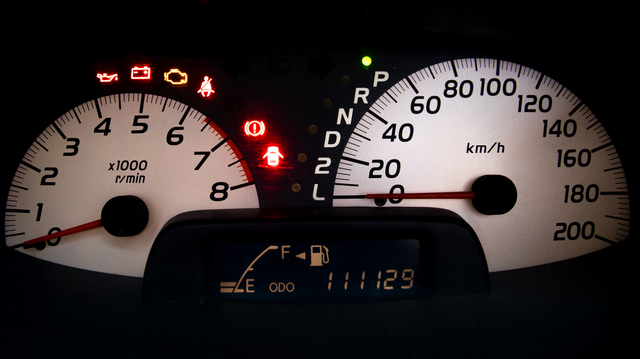
 The ABS light on your Toyota's dashboard means the system has tested itself, found a problem, and shut down. Your brakes still work. The pedal still stops the car. But the anti-lock function that prevents wheel lockup on wet pavement or during a panic stop on Fremont's Auto Mall Parkway is no longer active. You're driving with 1990s braking technology in a modern car, and most drivers don't realize the difference until they need it.
The Module Made a Decision for You
The ABS control module on 2007 through 2019 Toyota Camry and RAV4 models runs a self-check every time you start the engine. It monitors four wheel speed sensors, one at each corner, and compares their signals against each other and against vehicle speed. When one sensor sends a reading that doesn't match the others by more than the module's programmed tolerance, the system stores a diagnostic trouble code and turns the ABS light on. The module doesn't take chances with faulty data. It would rather give you standard brakes than activate the hydraulic pump and solenoids based on a signal it can't verify. That logic protects you from an ABS system that could pulse the wrong caliper at the wrong moment.
Reluctor Rings and the Signal They Send
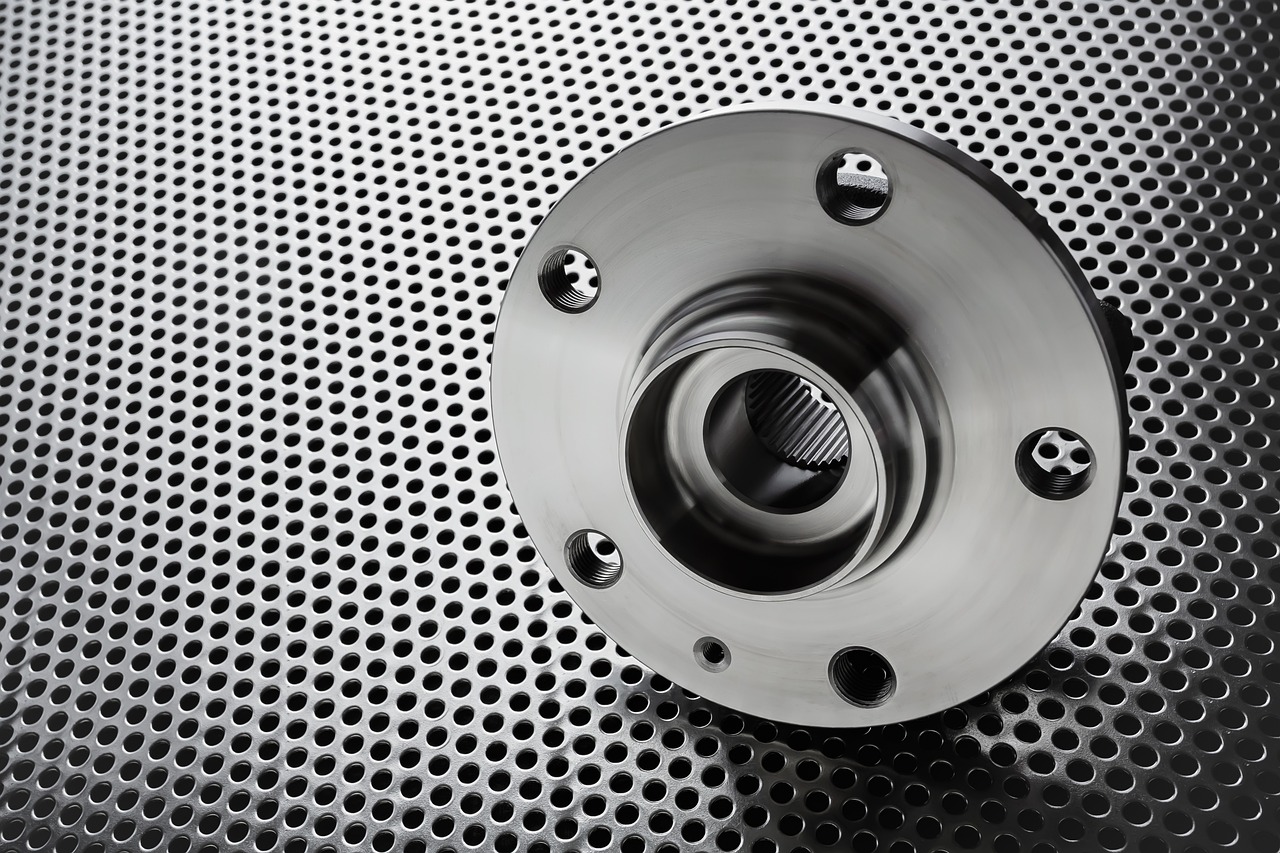
Each wheel speed sensor reads a toothed metal ring that spins with the hub assembly. The sensor generates a small AC voltage pulse every time a tooth passes its magnetic tip, and the module counts those pulses to calculate wheel speed. The ring's teeth need to be clean, evenly spaced, and at a consistent distance from the sensor tip. A ring with corroded teeth, a chipped section, or debris packed between the teeth sends a signal that stutters or drops out. The module reads the stutter as a deceleration when there isn't one, and the fault code is stored within seconds.
When the Problem Isn't the Sensor at All
Here's the detail that separates a parts-swapper from a diagnostician. A wheel speed sensor code can set because the hub bearing behind the sensor has developed enough play to change the air gap between the sensor tip and the reluctor ring while the wheel is spinning. The sensor itself tests fine on the bench, resistance falls within specification, and the wiring checks clean. But when the wheel is loaded and rotating, the bearing's lateral play moves the ring closer and farther from the sensor with each revolution, creating the erratic signal that tripped the code. We've seen this pattern on RAV4 models with higher mileage, and replacing the sensor alone brings the light back within a week.
How We Test Without Guessing
At our Fremont shop, we connect a bidirectional scan tool that reads ABS codes and displays live sensor data from all four wheels simultaneously. We spin each wheel by hand and watch the voltage waveform on screen, looking for dropouts, amplitude variations, or irregular tooth patterns in the signal. We measure sensor resistance with a multimeter and check the air gap with a feeler gauge. And we rock the wheel at twelve and six o'clock to feel for hub bearing play that no scan tool can detect. Each test eliminates one possibility, and the sequence narrows the diagnosis to the specific component that failed.
Do You Know Which Brakes You're Driving On?
If your Toyota's ABS light has been glowing on the dashboard for a few days, a few weeks, or longer, you've been driving without anti-lock protection for every one of those miles. Driven Auto Care in Fremont tests ABS systems with sensor-level diagnostics and live waveform analysis. Call (510) 270-3686 and find out what your ABS module already knows.
The ABS light on your Toyota's dashboard means the system has tested itself, found a problem, and shut down. Your brakes still work. The pedal still stops the car. But the anti-lock function that prevents wheel lockup on wet pavement or during a panic stop on Fremont's Auto Mall Parkway is no longer active. You're driving with 1990s braking technology in a modern car, and most drivers don't realize the difference until they need it.
The Module Made a Decision for You
The ABS control module on 2007 through 2019 Toyota Camry and RAV4 models runs a self-check every time you start the engine. It monitors four wheel speed sensors, one at each corner, and compares their signals against each other and against vehicle speed. When one sensor sends a reading that doesn't match the others by more than the module's programmed tolerance, the system stores a diagnostic trouble code and turns the ABS light on. The module doesn't take chances with faulty data. It would rather give you standard brakes than activate the hydraulic pump and solenoids based on a signal it can't verify. That logic protects you from an ABS system that could pulse the wrong caliper at the wrong moment.
Reluctor Rings and the Signal They Send
Each wheel speed sensor reads a toothed metal ring that spins with the hub assembly. The sensor generates a small AC voltage pulse every time a tooth passes its magnetic tip, and the module counts those pulses to calculate wheel speed. The ring's teeth need to be clean, evenly spaced, and at a consistent distance from the sensor tip. A ring with corroded teeth, a chipped section, or debris packed between the teeth sends a signal that stutters or drops out. The module reads the stutter as a deceleration when there isn't one, and the fault code is stored within seconds.
When the Problem Isn't the Sensor at All
Here's the detail that separates a parts-swapper from a diagnostician. A wheel speed sensor code can set because the hub bearing behind the sensor has developed enough play to change the air gap between the sensor tip and the reluctor ring while the wheel is spinning. The sensor itself tests fine on the bench, resistance falls within specification, and the wiring checks clean. But when the wheel is loaded and rotating, the bearing's lateral play moves the ring closer and farther from the sensor with each revolution, creating the erratic signal that tripped the code. We've seen this pattern on RAV4 models with higher mileage, and replacing the sensor alone brings the light back within a week.
How We Test Without Guessing
At our Fremont shop, we connect a bidirectional scan tool that reads ABS codes and displays live sensor data from all four wheels simultaneously. We spin each wheel by hand and watch the voltage waveform on screen, looking for dropouts, amplitude variations, or irregular tooth patterns in the signal. We measure sensor resistance with a multimeter and check the air gap with a feeler gauge. And we rock the wheel at twelve and six o'clock to feel for hub bearing play that no scan tool can detect. Each test eliminates one possibility, and the sequence narrows the diagnosis to the specific component that failed.
Do You Know Which Brakes You're Driving On?
If your Toyota's ABS light has been glowing on the dashboard for a few days, a few weeks, or longer, you've been driving without anti-lock protection for every one of those miles. Driven Auto Care in Fremont tests ABS systems with sensor-level diagnostics and live waveform analysis. Call (510) 270-3686 and find out what your ABS module already knows.
Fremont, CA - Toyota ABS Light On While Driving? Auto Repair Shop Reviews Risks
SYNOPSIS: Driven Auto Care of Fremont diagnoses Land Rover 5.0L V8 oil leaks by isolating the valley gasket sources before repair begins. The problem is not always a faulty sensor.
Toyota ABS Light On? Your Brakes Changed?
BY: Arun Coumar, Driven Auto Care of Fremont, CA
The ABS light on your Toyota's dashboard means the system has tested itself, found a problem, and shut down. Your brakes still work. The pedal still stops the car. But the anti-lock function that prevents wheel lockup on wet pavement or during a panic stop on Fremont's Auto Mall Parkway is no longer active. You're driving with 1990s braking technology in a modern car, and most drivers don't realize the difference until they need it.
The Module Made a Decision for You
The ABS control module on 2007 through 2019 Toyota Camry and RAV4 models runs a self-check every time you start the engine. It monitors four wheel speed sensors, one at each corner, and compares their signals against each other and against vehicle speed. When one sensor sends a reading that doesn't match the others by more than the module's programmed tolerance, the system stores a diagnostic trouble code and turns the ABS light on. The module doesn't take chances with faulty data. It would rather give you standard brakes than activate the hydraulic pump and solenoids based on a signal it can't verify. That logic protects you from an ABS system that could pulse the wrong caliper at the wrong moment.
Reluctor Rings and the Signal They Send
Each wheel speed sensor reads a toothed metal ring that spins with the hub assembly. The sensor generates a small AC voltage pulse every time a tooth passes its magnetic tip, and the module counts those pulses to calculate wheel speed. The ring's teeth need to be clean, evenly spaced, and at a consistent distance from the sensor tip. A ring with corroded teeth, a chipped section, or debris packed between the teeth sends a signal that stutters or drops out. The module reads the stutter as a deceleration when there isn't one, and the fault code is stored within seconds.
When the Problem Isn't the Sensor at All
Here's the detail that separates a parts-swapper from a diagnostician. A wheel speed sensor code can set because the hub bearing behind the sensor has developed enough play to change the air gap between the sensor tip and the reluctor ring while the wheel is spinning. The sensor itself tests fine on the bench, resistance falls within specification, and the wiring checks clean. But when the wheel is loaded and rotating, the bearing's lateral play moves the ring closer and farther from the sensor with each revolution, creating the erratic signal that tripped the code. We've seen this pattern on RAV4 models with higher mileage, and replacing the sensor alone brings the light back within a week.
How We Test Without Guessing
At our Fremont shop, we connect a bidirectional scan tool that reads ABS codes and displays live sensor data from all four wheels simultaneously. We spin each wheel by hand and watch the voltage waveform on screen, looking for dropouts, amplitude variations, or irregular tooth patterns in the signal. We measure sensor resistance with a multimeter and check the air gap with a feeler gauge. And we rock the wheel at twelve and six o'clock to feel for hub bearing play that no scan tool can detect. Each test eliminates one possibility, and the sequence narrows the diagnosis to the specific component that failed.
Do You Know Which Brakes You're Driving On?
If your Toyota's ABS light has been glowing on the dashboard for a few days, a few weeks, or longer, you've been driving without anti-lock protection for every one of those miles. Driven Auto Care in Fremont tests ABS systems with sensor-level diagnostics and live waveform analysis. Call (510) 270-3686 and find out what your ABS module already knows.