 An aluminum cylinder head that overheats once can warp enough to never seal again. That's the stakes on a Lexus with a coolant leak, and it's the reason a slow drip under the hood deserves attention before the temperature gauge moves. Warm Springs drivers who've noticed their Lexus running warmer than usual, or caught a faint sweet smell near the dashboard vents, are picking up on signals from a cooling system that's losing fluid somewhere between the radiator and the engine.
Driven Auto Care in Fremont works on Lexus ES350 and RX350 models from 2007 through 2017, and the 2GR-FE V6 in these cars develops cooling system leaks in predictable locations as the rubber seals and plastic housings age past 80,000 miles. The good news is that every one of these leaks can be found, measured, and fixed before the engine takes heat damage.
The Water Pump's Built-In Warning Signal
Toyota engineered a weep hole into the water pump housing on the 2GR-FE, and that hole serves a specific diagnostic purpose. When the internal shaft seal behind the pump impeller wears through, coolant seeps past the seal and exits through the weep hole instead of contaminating the engine oil. A pink stain or dried residue below that hole is the pump telling you its seal is finished. The pump still circulates coolant at this stage, but the leak rate increases as the seal erodes further, and the system loses enough fluid to affect cooling capacity during highway driving or stop-and-go heat soak on Mission Boulevard.
The Thermostat Housing O-Ring That Fails Quietly
The thermostat housing on the 2GR-FE bolts to the front of the engine with a rubber O-ring sealing the junction between the housing and the cylinder head coolant passage. That O-ring sits in a high-temperature environment and degrades from thermal cycling over the life of the vehicle. When it fails, coolant seeps between the housing and the head, runs down the front of the block, and can evaporate before it reaches the ground. You might lose a quarter of your coolant reservoir between oil changes without ever seeing a puddle in the driveway. The temperature gauge creeps up a few degrees at idle, recovers at highway speed when airflow helps the radiator, and creeps again in traffic.
How Pressure Testing Catches What Your Eyes Miss
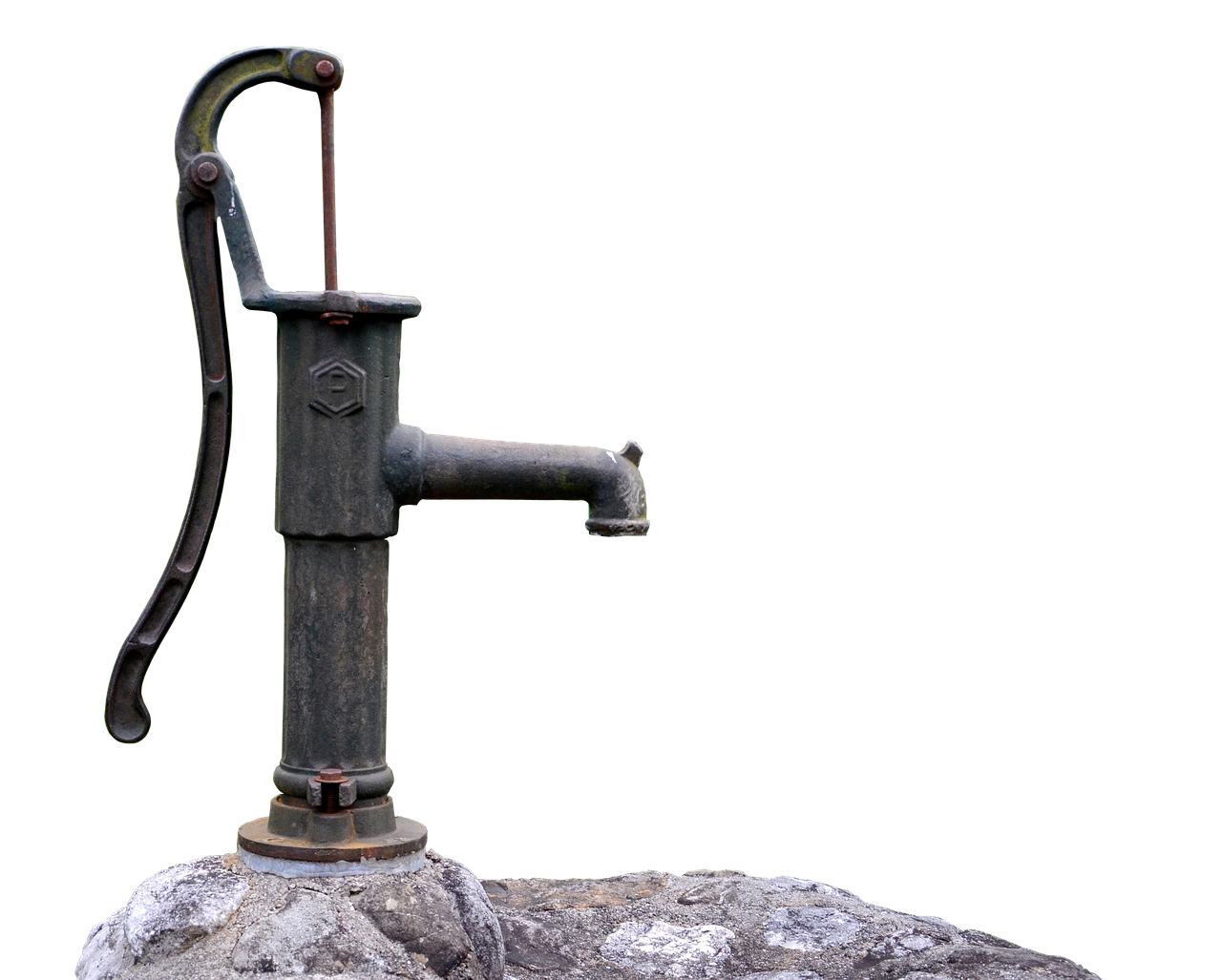
We connect a hand pump tester to the radiator filler neck and pressurize the cooling system to the factory cap rating. The system holds at that pressure for fifteen minutes while we inspect every gasket surface, hose connection, and component seal with a mirror and flashlight. A leak that seeps at idle under normal pressure becomes visible under sustained test pressure because the fluid has nowhere to hide. We check the radiator end tanks for hairline cracks, the heater hose connections at the firewall, and the lower radiator hose clamp, where vibration can loosen the seal over time.
What Happens When the Coolant Level Drops Below the Threshold
The 2GR-FE cooling system holds roughly eight quarts of Toyota Super Long Life Coolant mixed with distilled water. When the level drops below the minimum, the water pump starts drawing air pockets into the system, and those pockets create hot spots on the cylinder head surface where coolant can't reach. Aluminum warps at a lower temperature than cast iron, and a 2GR-FE head that overheats beyond the gasket's clamping tolerance won't seal properly even after the gasket is replaced. The head requires machining to restore a flat mating surface, and that repair multiplies the cost of what started as a weep hole or an O-ring.
Catch the Drip, Keep the Engine
Warm Springs drivers who've noticed a temperature gauge climbing or a sweet coolant smell through the cabin vents should treat those signals as the early warning they are. Driven Auto Care in Fremont pressure tests Lexus cooling systems and traces every leak to its source before the engine reaches a temperature it can't recover from. Pick up the phone and call (510) 270-3686 so we can get your Lexus on the lift and find where the coolant is going.
An aluminum cylinder head that overheats once can warp enough to never seal again. That's the stakes on a Lexus with a coolant leak, and it's the reason a slow drip under the hood deserves attention before the temperature gauge moves. Warm Springs drivers who've noticed their Lexus running warmer than usual, or caught a faint sweet smell near the dashboard vents, are picking up on signals from a cooling system that's losing fluid somewhere between the radiator and the engine.
Driven Auto Care in Fremont works on Lexus ES350 and RX350 models from 2007 through 2017, and the 2GR-FE V6 in these cars develops cooling system leaks in predictable locations as the rubber seals and plastic housings age past 80,000 miles. The good news is that every one of these leaks can be found, measured, and fixed before the engine takes heat damage.
The Water Pump's Built-In Warning Signal
Toyota engineered a weep hole into the water pump housing on the 2GR-FE, and that hole serves a specific diagnostic purpose. When the internal shaft seal behind the pump impeller wears through, coolant seeps past the seal and exits through the weep hole instead of contaminating the engine oil. A pink stain or dried residue below that hole is the pump telling you its seal is finished. The pump still circulates coolant at this stage, but the leak rate increases as the seal erodes further, and the system loses enough fluid to affect cooling capacity during highway driving or stop-and-go heat soak on Mission Boulevard.
The Thermostat Housing O-Ring That Fails Quietly
The thermostat housing on the 2GR-FE bolts to the front of the engine with a rubber O-ring sealing the junction between the housing and the cylinder head coolant passage. That O-ring sits in a high-temperature environment and degrades from thermal cycling over the life of the vehicle. When it fails, coolant seeps between the housing and the head, runs down the front of the block, and can evaporate before it reaches the ground. You might lose a quarter of your coolant reservoir between oil changes without ever seeing a puddle in the driveway. The temperature gauge creeps up a few degrees at idle, recovers at highway speed when airflow helps the radiator, and creeps again in traffic.
How Pressure Testing Catches What Your Eyes Miss
We connect a hand pump tester to the radiator filler neck and pressurize the cooling system to the factory cap rating. The system holds at that pressure for fifteen minutes while we inspect every gasket surface, hose connection, and component seal with a mirror and flashlight. A leak that seeps at idle under normal pressure becomes visible under sustained test pressure because the fluid has nowhere to hide. We check the radiator end tanks for hairline cracks, the heater hose connections at the firewall, and the lower radiator hose clamp, where vibration can loosen the seal over time.
What Happens When the Coolant Level Drops Below the Threshold
The 2GR-FE cooling system holds roughly eight quarts of Toyota Super Long Life Coolant mixed with distilled water. When the level drops below the minimum, the water pump starts drawing air pockets into the system, and those pockets create hot spots on the cylinder head surface where coolant can't reach. Aluminum warps at a lower temperature than cast iron, and a 2GR-FE head that overheats beyond the gasket's clamping tolerance won't seal properly even after the gasket is replaced. The head requires machining to restore a flat mating surface, and that repair multiplies the cost of what started as a weep hole or an O-ring.
Catch the Drip, Keep the Engine
Warm Springs drivers who've noticed a temperature gauge climbing or a sweet coolant smell through the cabin vents should treat those signals as the early warning they are. Driven Auto Care in Fremont pressure tests Lexus cooling systems and traces every leak to its source before the engine reaches a temperature it can't recover from. Pick up the phone and call (510) 270-3686 so we can get your Lexus on the lift and find where the coolant is going.
Warm Springs CA – Lexus Coolant Leak Causing Overheating? Local Auto Repair Shop
SYNOPSIS: Driven Auto Care of Fremont diagnoses coolant leaks on Lexus ES350 and RX350 2GR-FE engines using pressure testing before overheating causes catastrophic damage to your engine.
Lexus Overheating in Warm Springs? Find the Leak
BY: Arun Coumar, Driven Auto Care of Fremont, CA
An aluminum cylinder head that overheats once can warp enough to never seal again. That's the stakes on a Lexus with a coolant leak, and it's the reason a slow drip under the hood deserves attention before the temperature gauge moves. Warm Springs drivers who've noticed their Lexus running warmer than usual, or caught a faint sweet smell near the dashboard vents, are picking up on signals from a cooling system that's losing fluid somewhere between the radiator and the engine.
Driven Auto Care in Fremont works on Lexus ES350 and RX350 models from 2007 through 2017, and the 2GR-FE V6 in these cars develops cooling system leaks in predictable locations as the rubber seals and plastic housings age past 80,000 miles. The good news is that every one of these leaks can be found, measured, and fixed before the engine takes heat damage.
The Water Pump's Built-In Warning Signal
Toyota engineered a weep hole into the water pump housing on the 2GR-FE, and that hole serves a specific diagnostic purpose. When the internal shaft seal behind the pump impeller wears through, coolant seeps past the seal and exits through the weep hole instead of contaminating the engine oil. A pink stain or dried residue below that hole is the pump telling you its seal is finished. The pump still circulates coolant at this stage, but the leak rate increases as the seal erodes further, and the system loses enough fluid to affect cooling capacity during highway driving or stop-and-go heat soak on Mission Boulevard.
The Thermostat Housing O-Ring That Fails Quietly
The thermostat housing on the 2GR-FE bolts to the front of the engine with a rubber O-ring sealing the junction between the housing and the cylinder head coolant passage. That O-ring sits in a high-temperature environment and degrades from thermal cycling over the life of the vehicle. When it fails, coolant seeps between the housing and the head, runs down the front of the block, and can evaporate before it reaches the ground. You might lose a quarter of your coolant reservoir between oil changes without ever seeing a puddle in the driveway. The temperature gauge creeps up a few degrees at idle, recovers at highway speed when airflow helps the radiator, and creeps again in traffic.
How Pressure Testing Catches What Your Eyes Miss
We connect a hand pump tester to the radiator filler neck and pressurize the cooling system to the factory cap rating. The system holds at that pressure for fifteen minutes while we inspect every gasket surface, hose connection, and component seal with a mirror and flashlight. A leak that seeps at idle under normal pressure becomes visible under sustained test pressure because the fluid has nowhere to hide. We check the radiator end tanks for hairline cracks, the heater hose connections at the firewall, and the lower radiator hose clamp, where vibration can loosen the seal over time.
What Happens When the Coolant Level Drops Below the Threshold
The 2GR-FE cooling system holds roughly eight quarts of Toyota Super Long Life Coolant mixed with distilled water. When the level drops below the minimum, the water pump starts drawing air pockets into the system, and those pockets create hot spots on the cylinder head surface where coolant can't reach. Aluminum warps at a lower temperature than cast iron, and a 2GR-FE head that overheats beyond the gasket's clamping tolerance won't seal properly even after the gasket is replaced. The head requires machining to restore a flat mating surface, and that repair multiplies the cost of what started as a weep hole or an O-ring.
Catch the Drip, Keep the Engine
Warm Springs drivers who've noticed a temperature gauge climbing or a sweet coolant smell through the cabin vents should treat those signals as the early warning they are. Driven Auto Care in Fremont pressure tests Lexus cooling systems and traces every leak to its source before the engine reaches a temperature it can't recover from. Pick up the phone and call (510) 270-3686 so we can get your Lexus on the lift and find where the coolant is going.