Many Nissan oil leaks start as a faint smell or a low oil warning, then turn into a regular top-off habit. Many drivers never see a puddle. The oil lands on an engine cover, collects on the splash shield, then burns off on the hot parts. The car still runs, so it is easy to delay. Oil level still drops, and that is where the real risk lives.
What Causes Oil Leaks On Nissan Vehicles
Oil leaks usually come from gaskets and seals that age and shrink. Heat cycles harden rubber. Tight engine bays keep temperatures high. Short trips can add moisture and fuel dilution, which stresses seals. Crankcase pressure can also push oil past weak points, especially when the PCV system is not functioning properly.
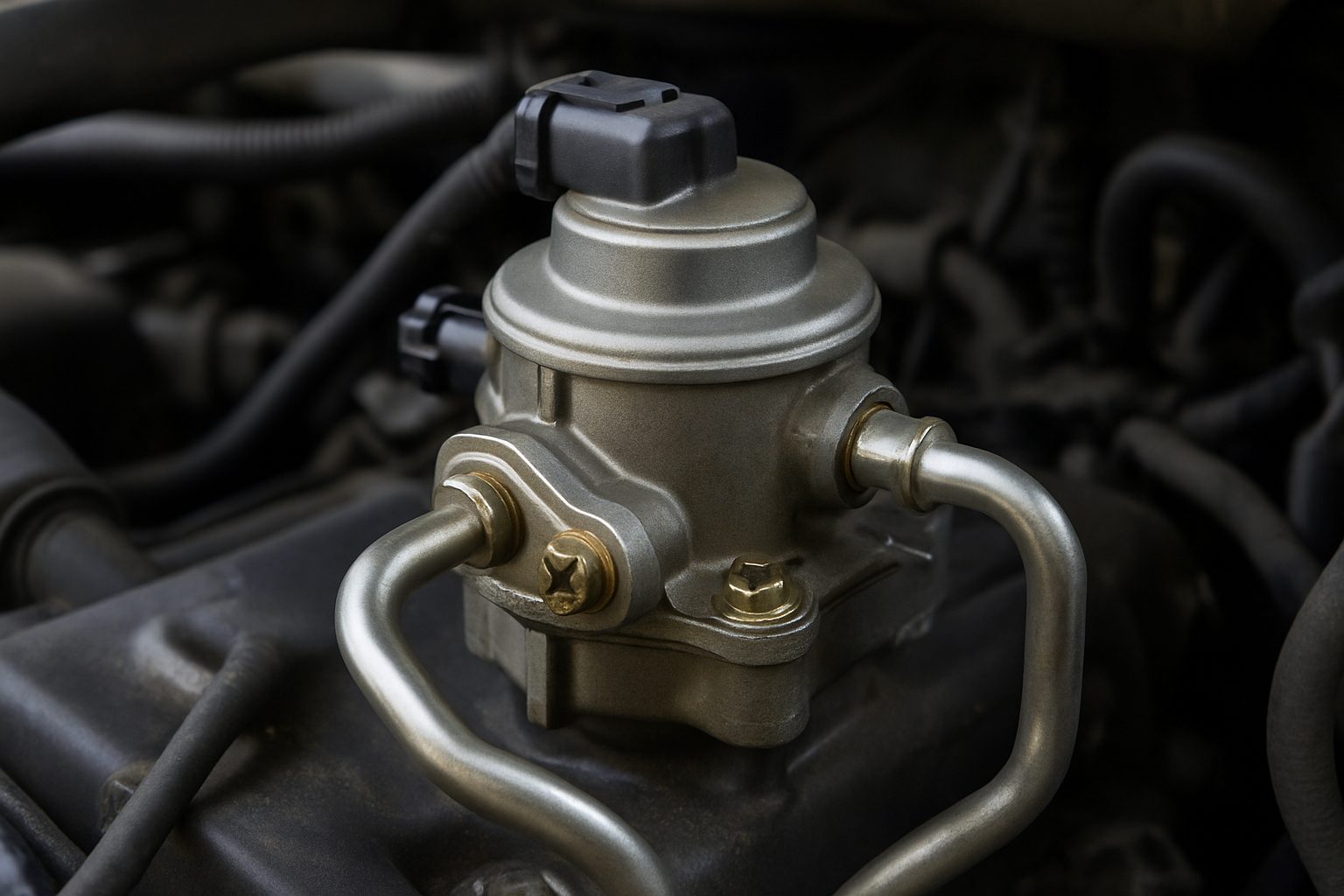
Common leak sources we check first include valve cover gaskets, oil pan sealing surfaces, and oil filter housing areas. We also see leaks from front engine seals on higher mileage vehicles, plus seepage from timing cover areas on some engines.
Signs Of An Oil Leak Beyond A Driveway Spot
A driveway spot is the obvious sign. Most leaks show up in other ways first:
- Burnt oil smell after a drive
- Light smoke from under the hood after you park
- Oil level drops between oil changes
- The low oil light or warning message shows up
- Greasy film on the lower engine cover
- Wet dirt buildup around the front or side of the engine
Oil can also soften rubber hoses and mounts. It attracts grime and traps heat, which makes under-hood parts age faster.
How We Diagnose A Nissan Oil Leak In Fremont
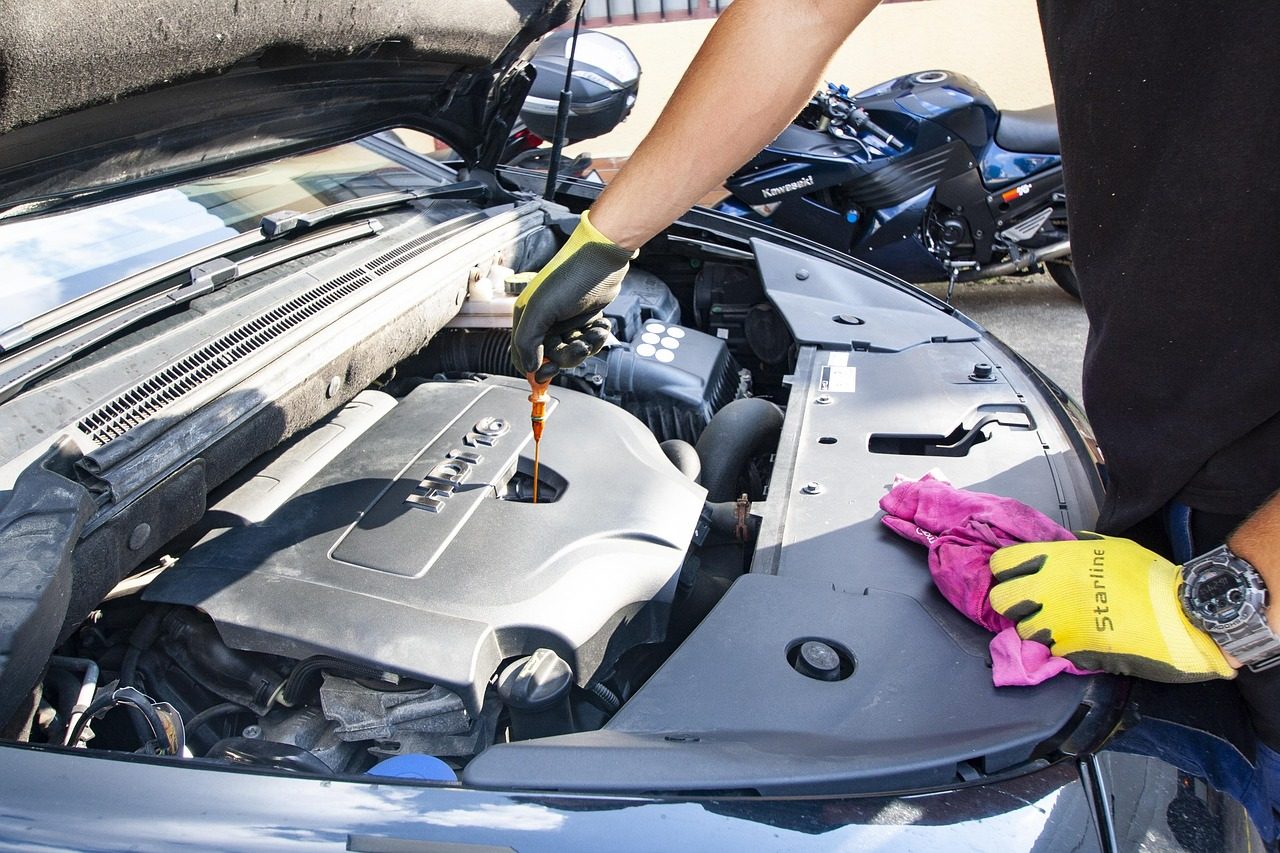
We start with a visual inspection on the lift. We check the top of the engine, then the underside. We inspect for wet trails, spray patterns, and oil that has collected on covers. We check the oil level and look for signs of recent top-offs.
When the source hides, we use UV dye and a light to track fresh oil from the highest point down. That step matters. Oil can travel, so the lowest wet spot is not always the source. We also check crankcase ventilation and look for pressure issues when the leak pattern suggests it.
Oil Leak Repairs We Perform
Once we confirm the source, we explain the repair and why it fixes the leak. Common Nissan oil leak repairs include replacing valve cover gaskets, resealing oil pans, replacing worn seals, and fixing oil filter housing leaks. We clean mating surfaces, use the correct seal materials, and torque fasteners to spec. If oil-damaged belts or hoses, we point that out and help you plan the next step.
After the repair, we recheck for leaks under heat. Then we road test and inspect again.
Stop The Leak Before It Costs More
Call Driven Auto Care of Fremont for Nissan oil leak diagnosis and repair. We will pinpoint the source, stop the leak, and help protect your engine from the wear that comes from running low on oil.