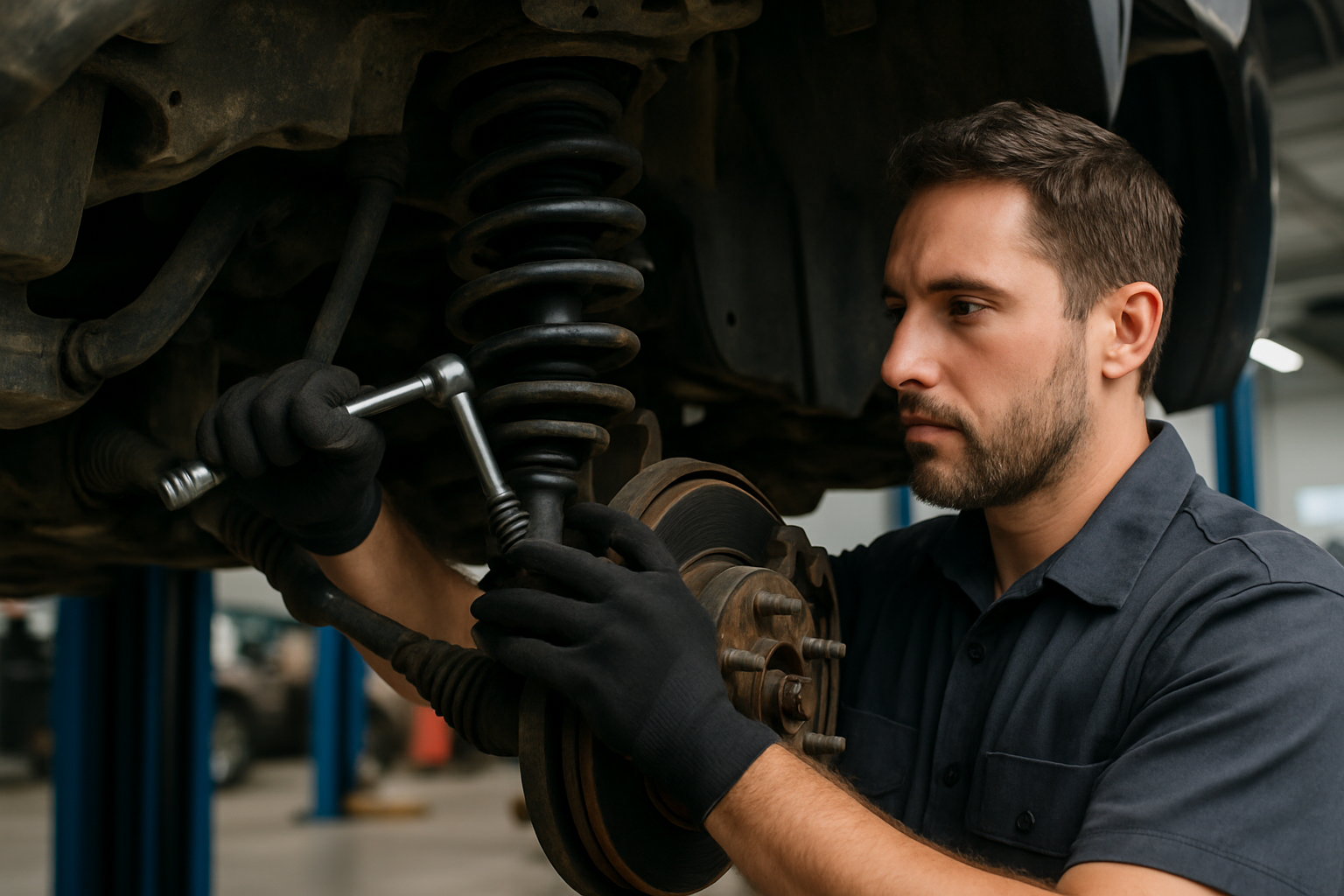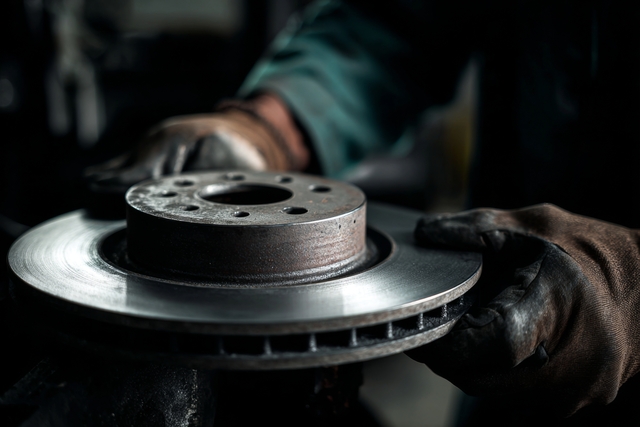
Your commute asks a lot from the brake system. Stoplights, merges, school zones, and freeway slowdowns all add heat and wear. Brakes do not stay “good enough” for long once they start showing signs. We check the whole system and get you back to steady, predictable stops.
Common Brake Issues We See On Nissan Vehicles
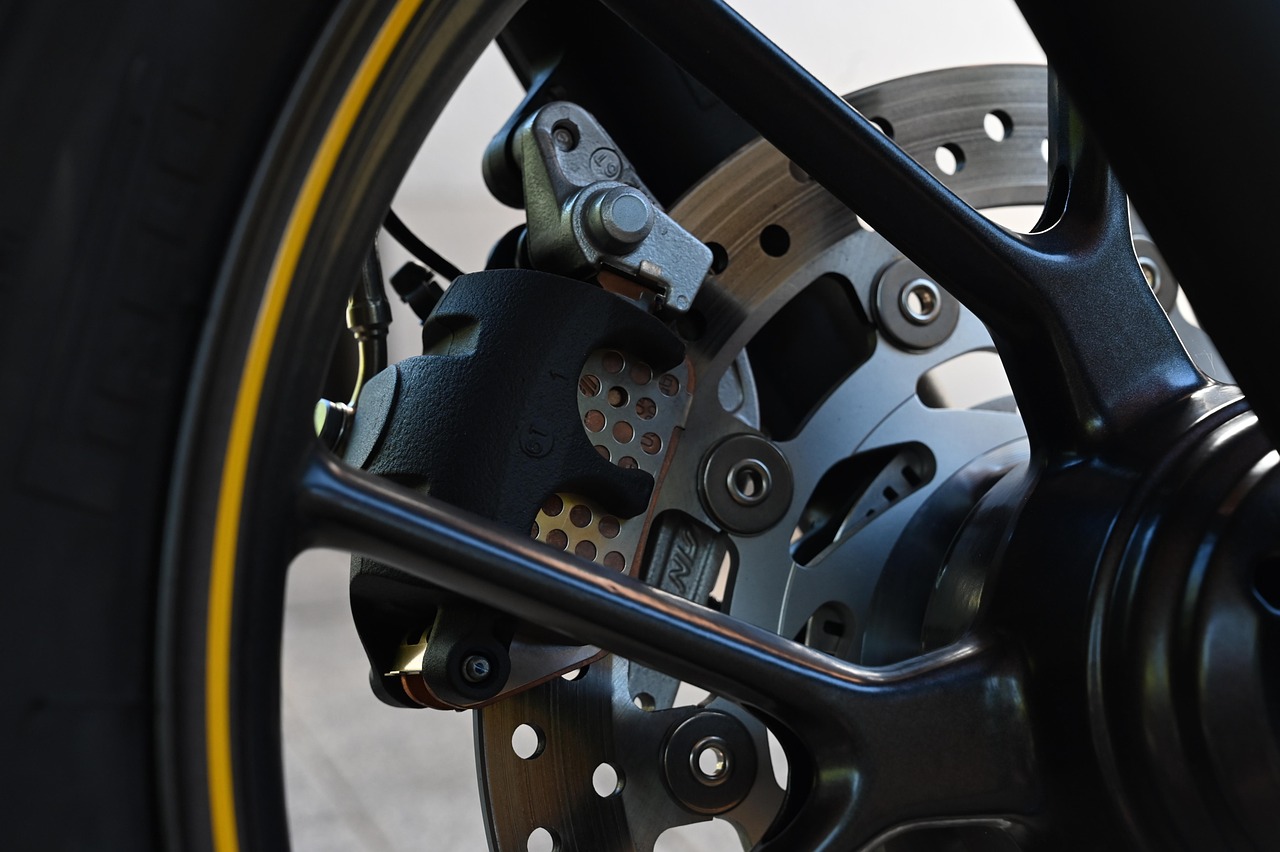
Nissan brakes usually wear in normal ways, yet a few patterns show up often. We see pads worn down to the sensor or backing plate. We see rotors that develop grooves from metal-on-metal contact. We also see rotors that warp or develop uneven thickness, which can cause steering wheel shake during braking.
We also see caliper slide pins that stick. That can make one pad wear faster than the other. On some vehicles, the rear brakes wear faster than expected, especially when the car sees a lot of short trips. Brake fluid also gets overlooked. Old fluid can make the pedal feel softer and can stress ABS parts over time.
Signs You Need New Brakes Or Rotors
Some signs are obvious. Others feel subtle at first. Look for these changes:
- Squealing, grinding, or scraping when you brake
- Steering wheel shake during braking, often at 45 to 65 mph
- Longer stopping distance or a pedal that feels lower
- Pulling left or right when braking
- Burning smell after a stop-and-go drive
- Brake warning light, ABS light, or low brake fluid alert
Pads can be worn even when you do not hear noise. Rotors can be damaged even when the pedal feels normal.
How We Tell Pads Versus Rotors
Pads wear down first. Rotors take the hit when pads get too thin or when heat builds up over time. We measure pad thickness on all four wheels. We check rotor thickness and condition. We look for scoring, heat spots, and uneven wear. We also check the caliper function and hardware condition. This matters because you can replace pads and still have noise or shake if the rotor surface is not right.
Why You Should Not Wait
Brake repairs cost less when you act early. Thin pads can grind into rotors. That turns a pad job into a pad-and-rotor job. If a caliper sticks, it can overheat the rotor and cook the pads in a short time. A worn brake system can also stress ABS parts during hard stops.
There is another reason not to wait. Braking feel changes your driving. People start leaving bigger gaps and braking earlier. That is a sign your car no longer feels predictable, and that is not how a commute-ready car should feel.
What Our Brake Inspection Includes
At our Fremont shop, we check more than the front pads. We inspect:
- Pad thickness and wear pattern on all wheels
- Rotor thickness, surface, and runout when needed
- Caliper slide pins, boots, and piston movement
- Brake fluid condition and level
- Brake lines and hoses for seepage
- Parking brake function on the rear systems
Keep Your Commute Stops Smooth And Predictable
Call Driven Auto Care of Fremont for Nissan brake inspection and repair. We will measure pads and rotors, find the cause of noise or shake, and get your brakes back to commute-ready performance.