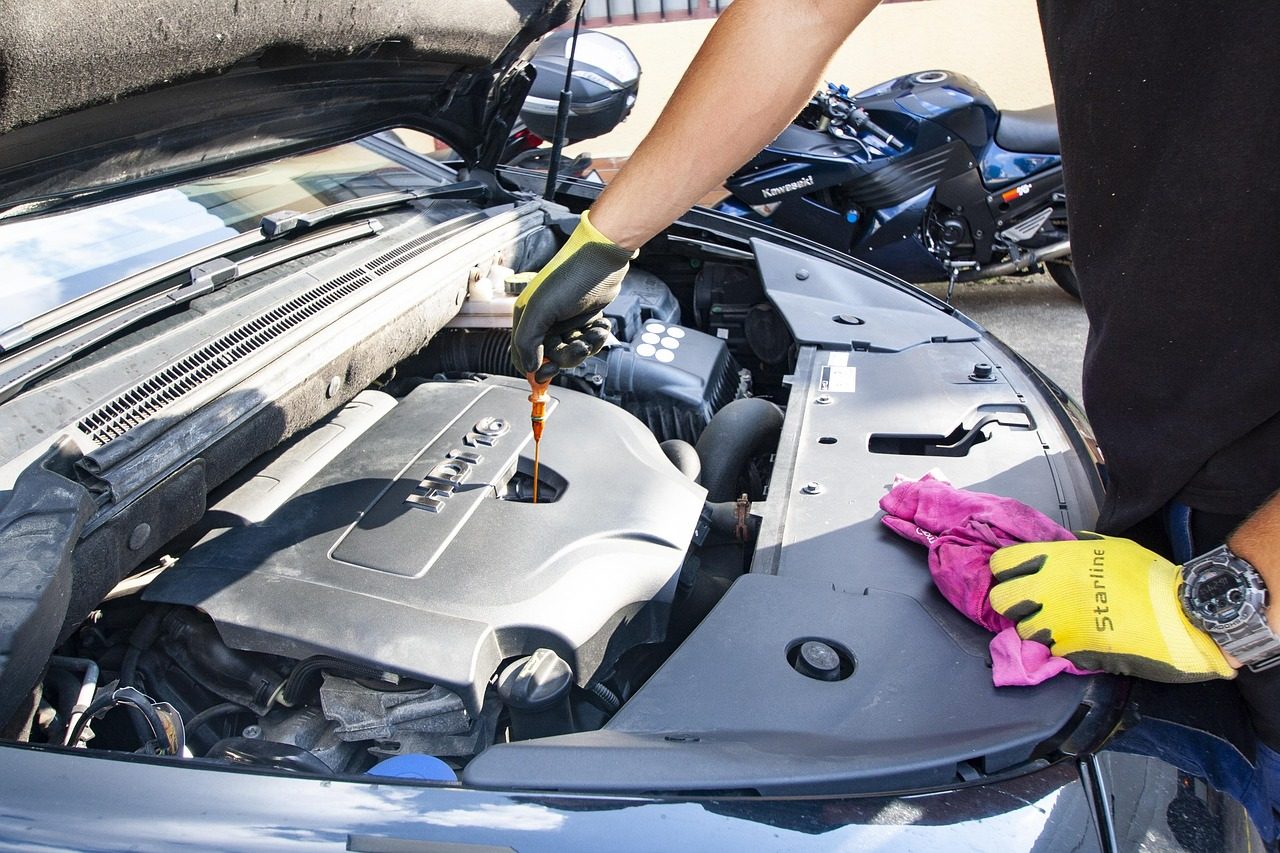
At Driven Auto Care of Fremont, we help Audi owners who smell oil or notice the engine bay looks damp. Oil leaks feel small at first. They rarely stay small. Heat, pressure, and age keep pushing oil past worn seals, so the leak spreads and can land on parts that hate oil.
What Causes Oil Leaks On Audi Engines
Most oil leaks come from rubber seals and gaskets that harden over time. Heat cycles do that. Short trips do it too, since moisture and fuel dilution can stress seals. Crankcase pressure plays a role. A restricted PCV system can raise pressure and push oil out of the weakest point.
Common leak sources we see include:
- Valve cover gaskets and spark plug tube seals
- Oil filter housing and oil cooler seals
- Upper timing cover seals and cam adjuster areas
- Rear main seal area on higher mileage cars
- Oil pan gasket and drain plug sealing surfaces
On some Audis, a small seep turns into a drip once the gasket shrinks or bolts loosen slightly.
Signs You Have An Oil Leak Beyond A Puddle
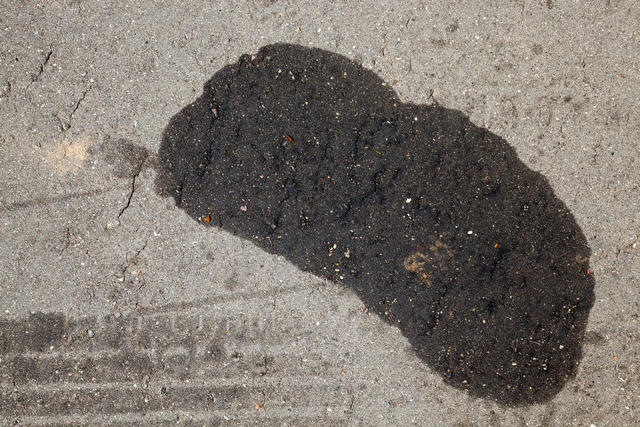
A lot of drivers only look for spots on the driveway. Audi leaks can hide for a long time. Watch for these signs:
- Burnt oil smell after a drive or at a stoplight
- Light smoke from the back of the engine bay after parking
- Oil level drops between changes
- The low oil warning shows up sooner than normal
- Greasy film on the lower engine cover or belly pan
- Wet dirt buildup around the front of the engine
- Misfire feel from oil in the plug wells on some engines
Audi Models We See With Oil Leaks More Often
Any Audi can leak, yet a few patterns show up in our bays. We often see leaks on:
- A4 and A5 with 2.0T engines
- Q5 with 2.0T engines
- A6 and Q7 with 3.0T engines
- Older models with higher mileage and more heat cycles
Why Oil Leaks Matter On Performance Parts
Audi engines run hot and tight. Oil protects timing components, turbo parts on turbo models, and internal bearings. A leak can lead to a low oil level, and a low oil level can lead to real wear. Even before that, oil can damage engine mounts, belts, and hoses. It can also drip onto the alternator or starter area and shorten the life of those parts.
The Repair Process
Once we confirm the source, we explain it in plain terms. Then we move into repair.
A typical repair includes:
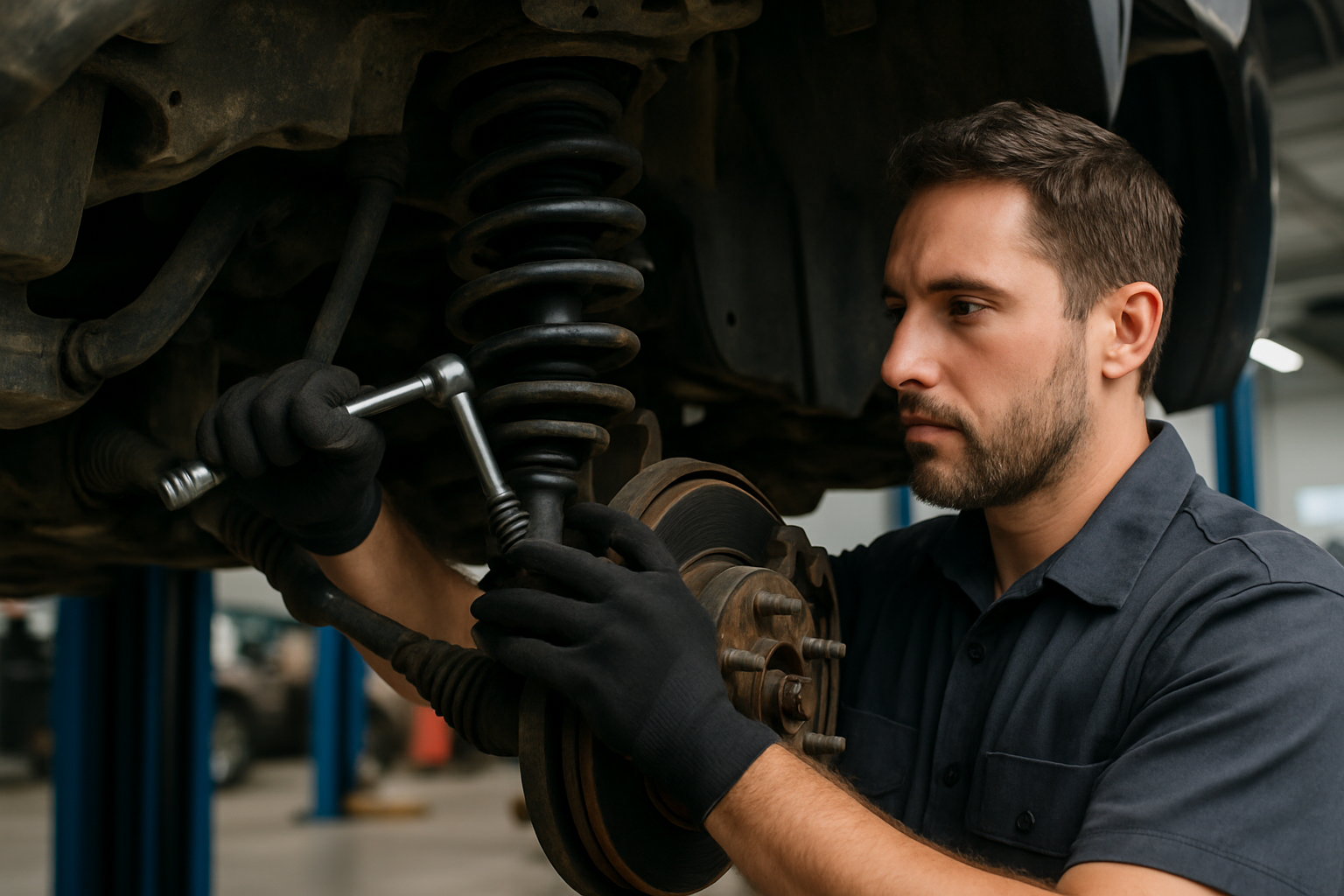
- Remove the parts needed to reach the leaking seal
- Clean mating surfaces so the new gasket seals flat
- Install new OEM-grade gaskets or seals and any required hardware
- Inspect nearby hoses, belts, and wiring for oil damage
- Refill oil to spec and check for leaks under heat and pressure
- Road test and recheck for fresh seepage
Book Audi Oil Leak Diagnosis At Our Fremont Shop
Call Driven Auto Care of Fremont for an Audi oil leak diagnosis and repair. We will find the source, fix it right, and help protect the engine parts that keep your Audi running strong on Milpitas commutes and freeway drives.