 What Does the GMC EVAP System Do?
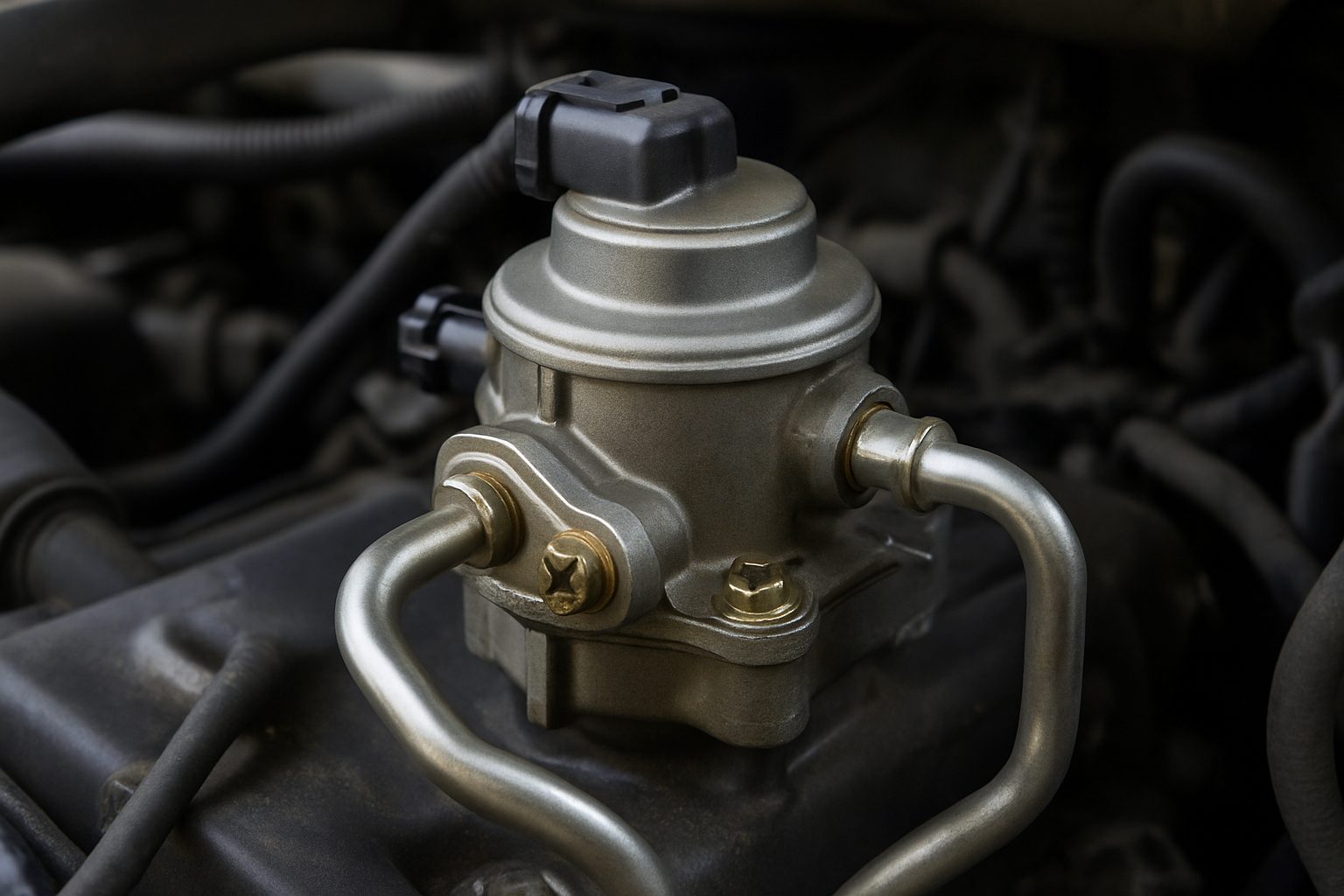
EVAP stands for evaporative emissions. Your fuel gives off vapors in the tank, even when the engine is off. The EVAP system traps those vapors and sends them to the engine to burn during normal driving. It relies on a sealed path from the fuel tank to a charcoal canister, purge valve, vent valve, and connecting hoses. The system runs self-checks. It looks for leaks, stuck valves, and pressure changes that do not match expected values.
How EVAP Issues Show Up Day To Day
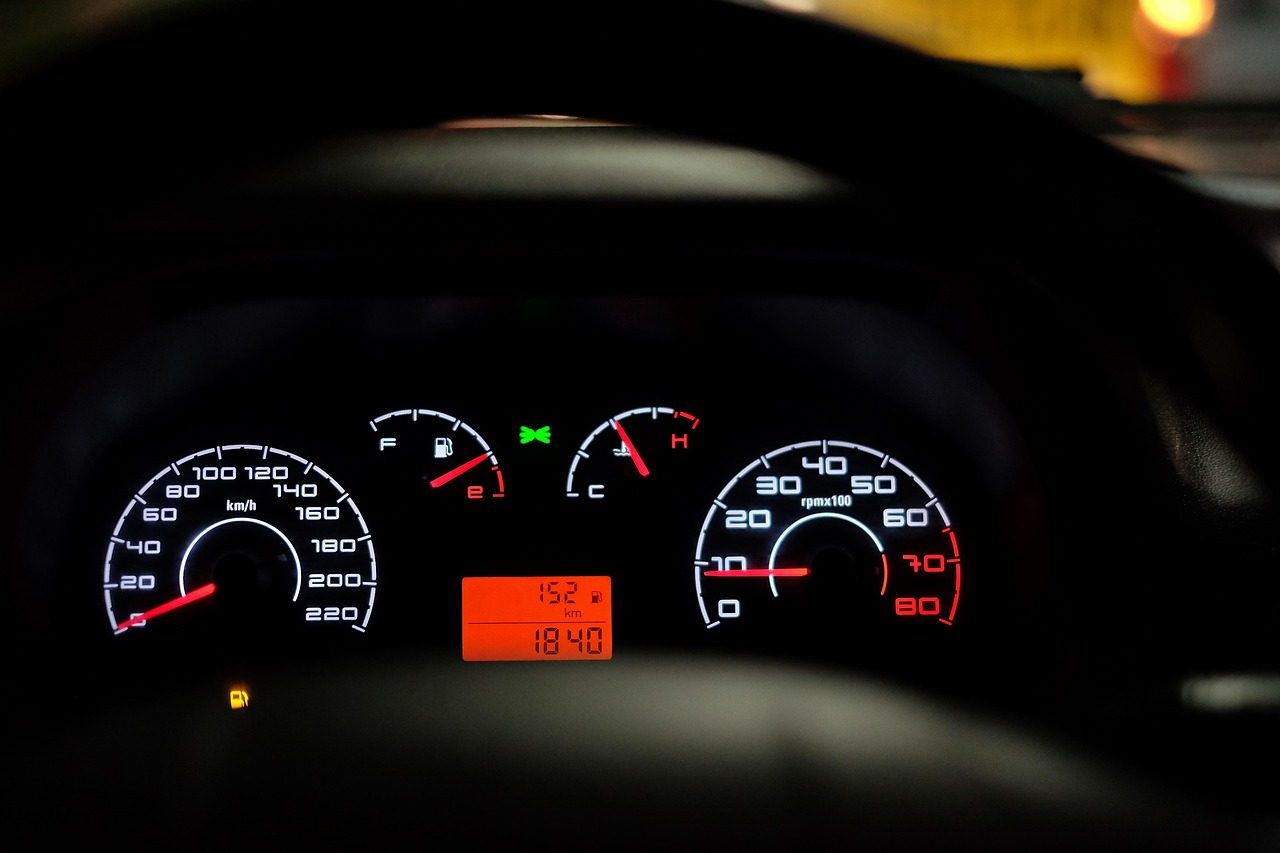
Most EVAP faults show up as a light on the dashboard. Some drivers notice extra hints:
- Fuel smell near the rear of the truck
- Gas pump keeps clicking off during fill-ups
- Rough idle right after fueling
- Light turns on, then off, then on again
- “Emissions” or “Check Engine” message in the cluster
A loose cap can trigger the light, yet many GMC faults come from other parts.
Common GMC EVAP Codes And What They Point To
EVAP codes often start with P04xx. A small leak can come from a weak seal, a cracked hose, a bad vent valve, or a canister issue. A purge flow code can point to a stuck purge valve, wiring trouble, or a pressure sensor reading that does not match reality.
Can you keep driving with an EVAP code? Yes, most drivers can, so long as the light stays solid and the truck runs normally. A flashing light is different, so call us right away.
Our Diagnosis Process At Driven Auto Care Of Fremont
We start with a scan. We pull stored codes, pending codes, and freeze-frame data. Freeze-frame shows what the truck saw at the moment the fault set. We check the monitor status too, since EVAP monitors matter for smog.
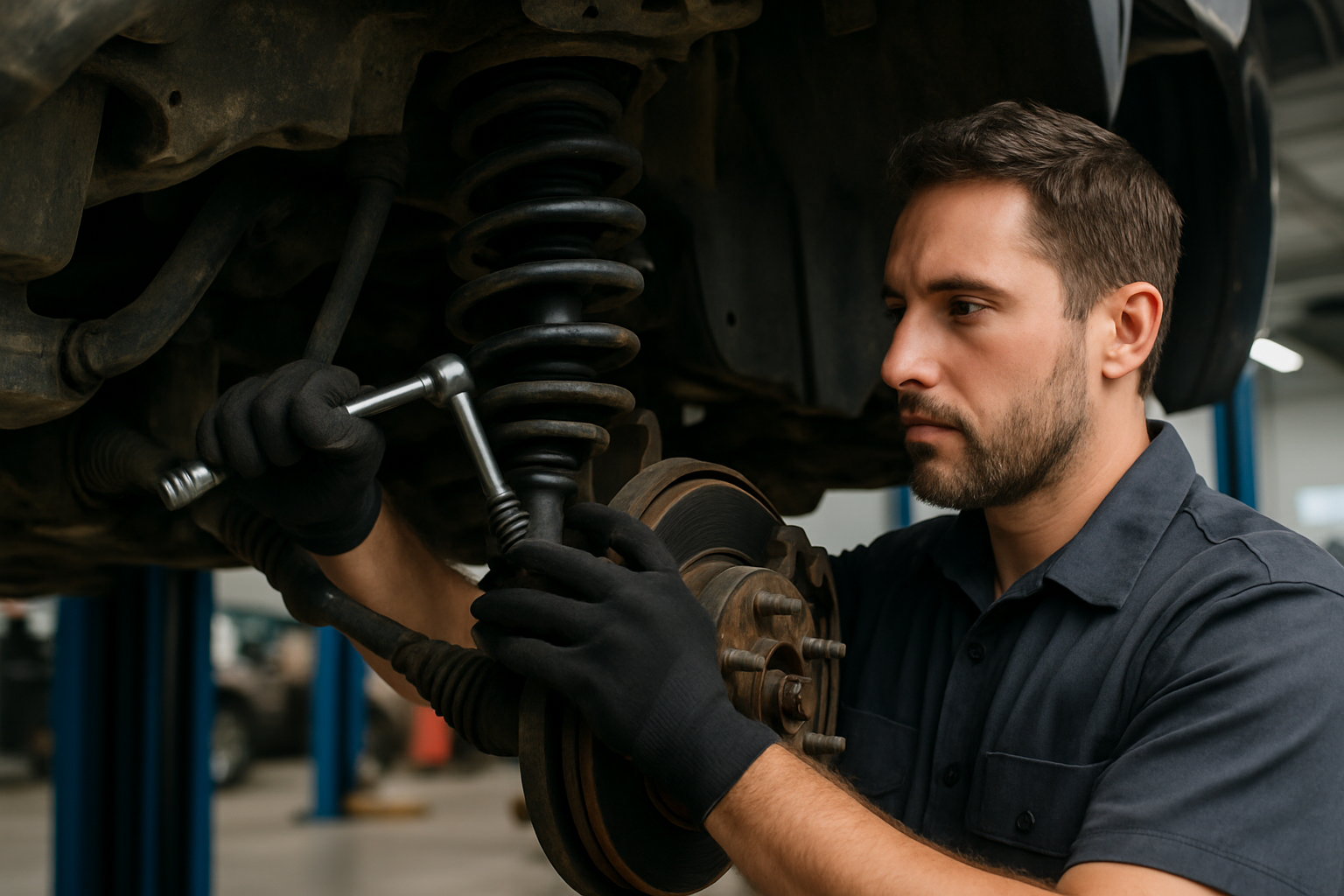
Next, we inspect the basics. We check the gas cap seal, cap fit, and filler neck condition. We look under the truck for cracked lines, loose fittings, and damage near the canister area. Then we move into measured testing.
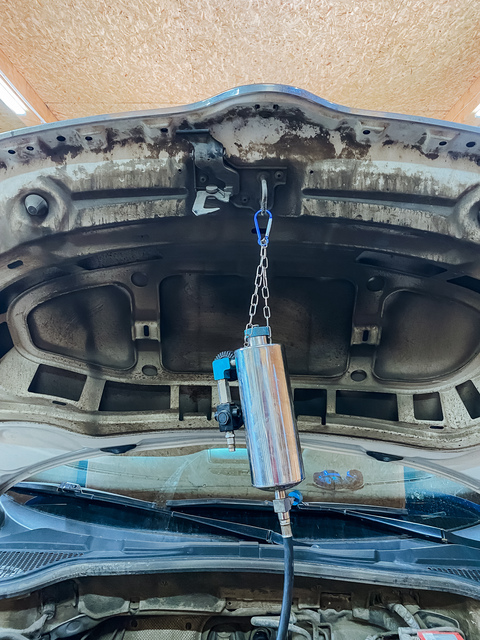
We use a smoke test for leak codes. Smoke testing helps us see tiny leaks that the eyes miss. We test purge and vent valves for command and response. We verify power, ground, and signal where needed. We check fuel tank pressure sensor readings on the scan tool. We compare those numbers to what we see on the gauge and test setup.
We stop when we have proof. That keeps repairs focused.
How We Repair GMC EVAP Problems
The repair depends on what failed. These are common fixes we perform:
- Replace a worn gas cap with the correct OEM-style cap
- Repair cracked EVAP hoses or damaged plastic lines
- Replace a stuck purge valve that pulls vapor at the wrong time
- Replace a vent valve that fails to seal or fails to open
- Replace a charcoal canister that is fuel-saturated or damaged
- Repair wiring at connectors near the frame or rear wheel area
- Address a filler neck seal problem that leaks under pressure
After the repair, we clear codes, then we run checks.
Let’s Clear The Light The Right Way
If your GMC shows a check engine light tied to EVAP, call Driven Auto Care of Fremont. We will test the system, find the leak or valve fault, and repair the right part so your emissions alert clears and stays cleared.