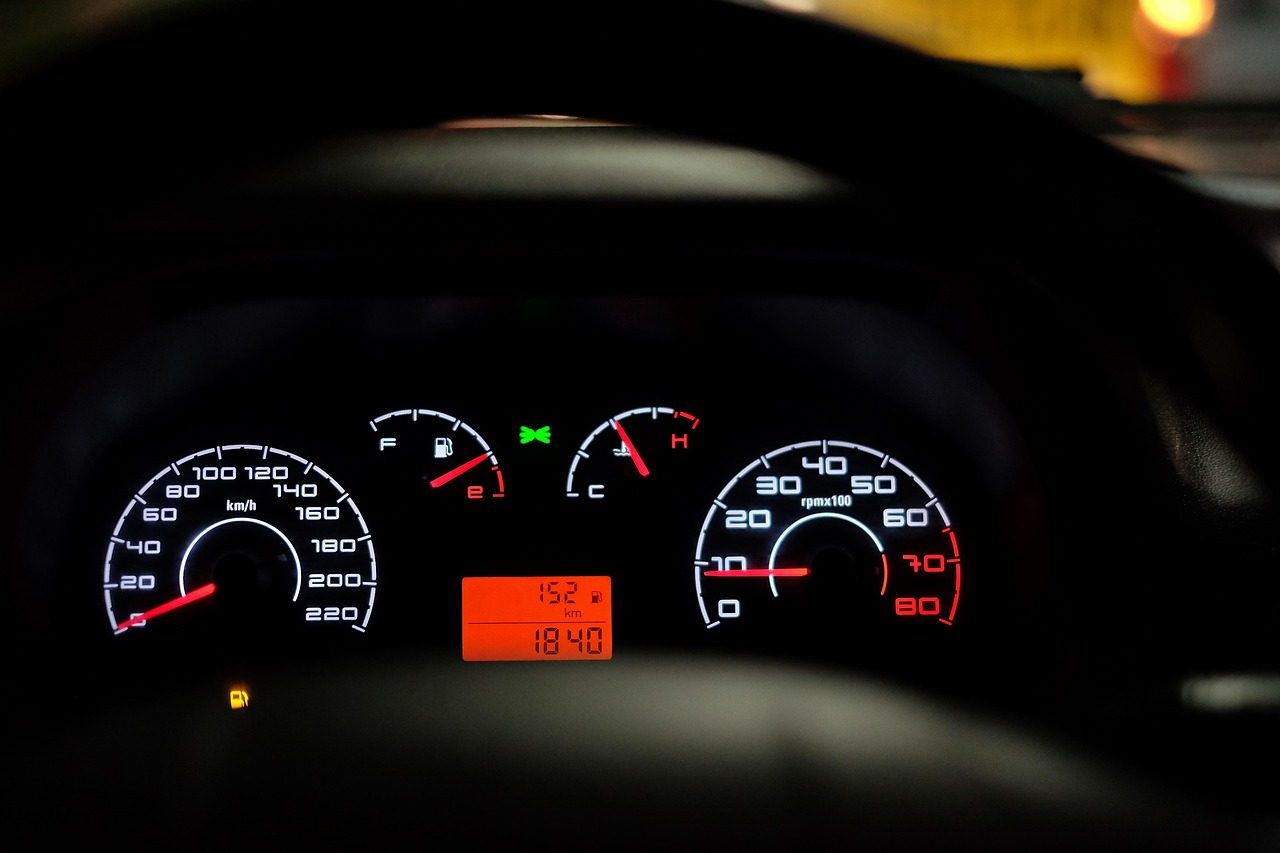
 That maintenance light blinking at you from the Camry dashboard isn't an alarm; it's a reminder that your car is ready for more service and probably more life than most people would guess. At Driven Auto Care in Fremont, CA, we've watched Camrys roll past 250,000 and 300,000 miles with owners who treated maintenance as an investment rather than an interruption. Yours can get there too, but what got you to 150,000 miles isn't quite enough to get you to 300,000. High-mileage Toyotas need specific attention that goes beyond the basics.
The maintenance indicator on 2007 and newer Camrys triggers based on programmed mileage intervals, not actual oil condition or engine computer calculations. Toyota set those reminders at 5,000 miles for conventional oil and 10,000 for 0W-20 synthetic as general guidelines, and your car has no idea whether you've been sitting in Bay Area traffic or cruising empty highways. We reset the light after every service and document everything in your vehicle's history, because detailed maintenance records matter when a Camry with 180,000 miles can still be worth something to the next owner if they can see it was cared for properly.
Oil Selection Gets More Important As Engines Age
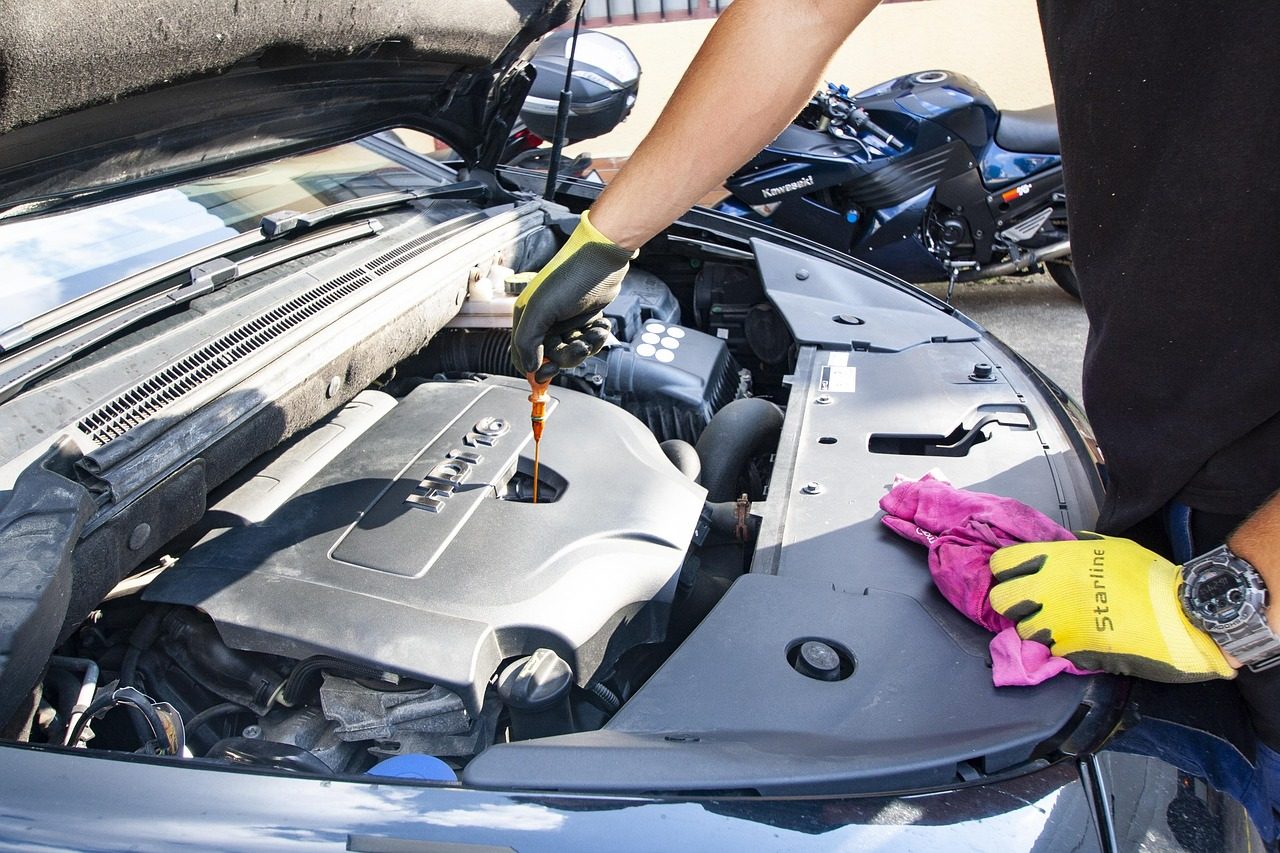
The 2.5-liter 2AR-FE in 2012 through 2017 Camrys runs best on Toyota's specified 0W-20 full synthetic, but high-mileage variants from quality brands add something useful for older engines. Seal conditioners in high-mileage formulations keep aged rubber gaskets and valve stem seals pliable instead of letting them harden and shrink away from sealing surfaces. We've seen measurable consumption reduction in Camrys over 100,000 miles after switching to high-mileage oil, which means less blue smoke at cold startup and longer intervals between adding quarts.
Valve Cover Seepage And The VVT Problem It Creates
Camry 2AR-FE engines start seeping oil around the valve cover gasket edges somewhere around 120,000 miles because rubber compounds harden after years of temperature cycling. That external seepage wouldn't be a huge deal by itself, but the variable valve timing solenoids sit right on the cylinder head where that oil drips. When oil contaminates the electromagnetic coils in those solenoids, timing control degrades, and you get rough idle, hesitation, and eventually codes pointing at cam timing correlation faults. We clean or replace affected solenoids during every valve cover gasket job because leaving contaminated electrical components in place means they'll fail within months even after the gasket stops the leak.
Cooling System Neglect That Destroys Engines
Toyota's pink extended-life coolant lasts longer than traditional green antifreeze, but it still breaks down over time and loses the corrosion inhibitors protecting aluminum components throughout your cooling system. Water jackets corrode slowly as pH levels shift, and debris accumulates in radiator tubes restricting flow. We recommend coolant exchange every 100,000 miles or five years with thermostat replacement included, because stuck-closed thermostats are the most common cause of the overheating events that warp cylinder heads and blow head gaskets. Water pump inspection during service catches bearing wear and weep hole seepage before complete failures strand you somewhere inconvenient.
Transmission Fluid Despite What The Manual Says
Toyota markets the U760E six-speed in your Camry as lifetime fill, and we respectfully disagree based on what we've seen inside failed units. Fluid exchange around 60,000 miles removes wear debris and replenishes friction modifiers that keep shift engagement smooth, and high-mileage Camrys benefit even more from fresh fluid than newer ones. We use Toyota genuine ATF-WS exclusively because aftermarket alternatives don't match the friction characteristics these transmissions need for proper clutch application timing.
Keep Your Camry Running For Years To Come
That 200,000-mile Camry sitting in your driveway has another 100,000 miles in it with the right attention. Call Driven Auto Care at (510) 270-3686 to schedule the maintenance that makes the difference.
That maintenance light blinking at you from the Camry dashboard isn't an alarm; it's a reminder that your car is ready for more service and probably more life than most people would guess. At Driven Auto Care in Fremont, CA, we've watched Camrys roll past 250,000 and 300,000 miles with owners who treated maintenance as an investment rather than an interruption. Yours can get there too, but what got you to 150,000 miles isn't quite enough to get you to 300,000. High-mileage Toyotas need specific attention that goes beyond the basics.
The maintenance indicator on 2007 and newer Camrys triggers based on programmed mileage intervals, not actual oil condition or engine computer calculations. Toyota set those reminders at 5,000 miles for conventional oil and 10,000 for 0W-20 synthetic as general guidelines, and your car has no idea whether you've been sitting in Bay Area traffic or cruising empty highways. We reset the light after every service and document everything in your vehicle's history, because detailed maintenance records matter when a Camry with 180,000 miles can still be worth something to the next owner if they can see it was cared for properly.
Oil Selection Gets More Important As Engines Age
The 2.5-liter 2AR-FE in 2012 through 2017 Camrys runs best on Toyota's specified 0W-20 full synthetic, but high-mileage variants from quality brands add something useful for older engines. Seal conditioners in high-mileage formulations keep aged rubber gaskets and valve stem seals pliable instead of letting them harden and shrink away from sealing surfaces. We've seen measurable consumption reduction in Camrys over 100,000 miles after switching to high-mileage oil, which means less blue smoke at cold startup and longer intervals between adding quarts.
Valve Cover Seepage And The VVT Problem It Creates
Camry 2AR-FE engines start seeping oil around the valve cover gasket edges somewhere around 120,000 miles because rubber compounds harden after years of temperature cycling. That external seepage wouldn't be a huge deal by itself, but the variable valve timing solenoids sit right on the cylinder head where that oil drips. When oil contaminates the electromagnetic coils in those solenoids, timing control degrades, and you get rough idle, hesitation, and eventually codes pointing at cam timing correlation faults. We clean or replace affected solenoids during every valve cover gasket job because leaving contaminated electrical components in place means they'll fail within months even after the gasket stops the leak.
Cooling System Neglect That Destroys Engines
Toyota's pink extended-life coolant lasts longer than traditional green antifreeze, but it still breaks down over time and loses the corrosion inhibitors protecting aluminum components throughout your cooling system. Water jackets corrode slowly as pH levels shift, and debris accumulates in radiator tubes restricting flow. We recommend coolant exchange every 100,000 miles or five years with thermostat replacement included, because stuck-closed thermostats are the most common cause of the overheating events that warp cylinder heads and blow head gaskets. Water pump inspection during service catches bearing wear and weep hole seepage before complete failures strand you somewhere inconvenient.
Transmission Fluid Despite What The Manual Says
Toyota markets the U760E six-speed in your Camry as lifetime fill, and we respectfully disagree based on what we've seen inside failed units. Fluid exchange around 60,000 miles removes wear debris and replenishes friction modifiers that keep shift engagement smooth, and high-mileage Camrys benefit even more from fresh fluid than newer ones. We use Toyota genuine ATF-WS exclusively because aftermarket alternatives don't match the friction characteristics these transmissions need for proper clutch application timing.
Keep Your Camry Running For Years To Come
That 200,000-mile Camry sitting in your driveway has another 100,000 miles in it with the right attention. Call Driven Auto Care at (510) 270-3686 to schedule the maintenance that makes the difference.
Fremont, CA - Toyota Camry Maintenance Light Service for High-Mileage Vehicles
SYNOPSIS: High-mileage Camrys need specific attention beyond basic oil changes to keep running strong past 250,000 miles. Driven Auto Care of Fremont, CA explains what your aging Toyota actually requires to go.
Your 200K Camry Might Have Another 100K In It
BY: Arun Coumar, Driven Auto Care of Fremont, CA
That maintenance light blinking at you from the Camry dashboard isn't an alarm; it's a reminder that your car is ready for more service and probably more life than most people would guess. At Driven Auto Care in Fremont, CA, we've watched Camrys roll past 250,000 and 300,000 miles with owners who treated maintenance as an investment rather than an interruption. Yours can get there too, but what got you to 150,000 miles isn't quite enough to get you to 300,000. High-mileage Toyotas need specific attention that goes beyond the basics.
The maintenance indicator on 2007 and newer Camrys triggers based on programmed mileage intervals, not actual oil condition or engine computer calculations. Toyota set those reminders at 5,000 miles for conventional oil and 10,000 for 0W-20 synthetic as general guidelines, and your car has no idea whether you've been sitting in Bay Area traffic or cruising empty highways. We reset the light after every service and document everything in your vehicle's history, because detailed maintenance records matter when a Camry with 180,000 miles can still be worth something to the next owner if they can see it was cared for properly.
Oil Selection Gets More Important As Engines Age
The 2.5-liter 2AR-FE in 2012 through 2017 Camrys runs best on Toyota's specified 0W-20 full synthetic, but high-mileage variants from quality brands add something useful for older engines. Seal conditioners in high-mileage formulations keep aged rubber gaskets and valve stem seals pliable instead of letting them harden and shrink away from sealing surfaces. We've seen measurable consumption reduction in Camrys over 100,000 miles after switching to high-mileage oil, which means less blue smoke at cold startup and longer intervals between adding quarts.
Valve Cover Seepage And The VVT Problem It Creates
Camry 2AR-FE engines start seeping oil around the valve cover gasket edges somewhere around 120,000 miles because rubber compounds harden after years of temperature cycling. That external seepage wouldn't be a huge deal by itself, but the variable valve timing solenoids sit right on the cylinder head where that oil drips. When oil contaminates the electromagnetic coils in those solenoids, timing control degrades, and you get rough idle, hesitation, and eventually codes pointing at cam timing correlation faults. We clean or replace affected solenoids during every valve cover gasket job because leaving contaminated electrical components in place means they'll fail within months even after the gasket stops the leak.
Cooling System Neglect That Destroys Engines
Toyota's pink extended-life coolant lasts longer than traditional green antifreeze, but it still breaks down over time and loses the corrosion inhibitors protecting aluminum components throughout your cooling system. Water jackets corrode slowly as pH levels shift, and debris accumulates in radiator tubes restricting flow. We recommend coolant exchange every 100,000 miles or five years with thermostat replacement included, because stuck-closed thermostats are the most common cause of the overheating events that warp cylinder heads and blow head gaskets. Water pump inspection during service catches bearing wear and weep hole seepage before complete failures strand you somewhere inconvenient.
Transmission Fluid Despite What The Manual Says
Toyota markets the U760E six-speed in your Camry as lifetime fill, and we respectfully disagree based on what we've seen inside failed units. Fluid exchange around 60,000 miles removes wear debris and replenishes friction modifiers that keep shift engagement smooth, and high-mileage Camrys benefit even more from fresh fluid than newer ones. We use Toyota genuine ATF-WS exclusively because aftermarket alternatives don't match the friction characteristics these transmissions need for proper clutch application timing.
Keep Your Camry Running For Years To Come
That 200,000-mile Camry sitting in your driveway has another 100,000 miles in it with the right attention. Call Driven Auto Care at (510) 270-3686 to schedule the maintenance that makes the difference.