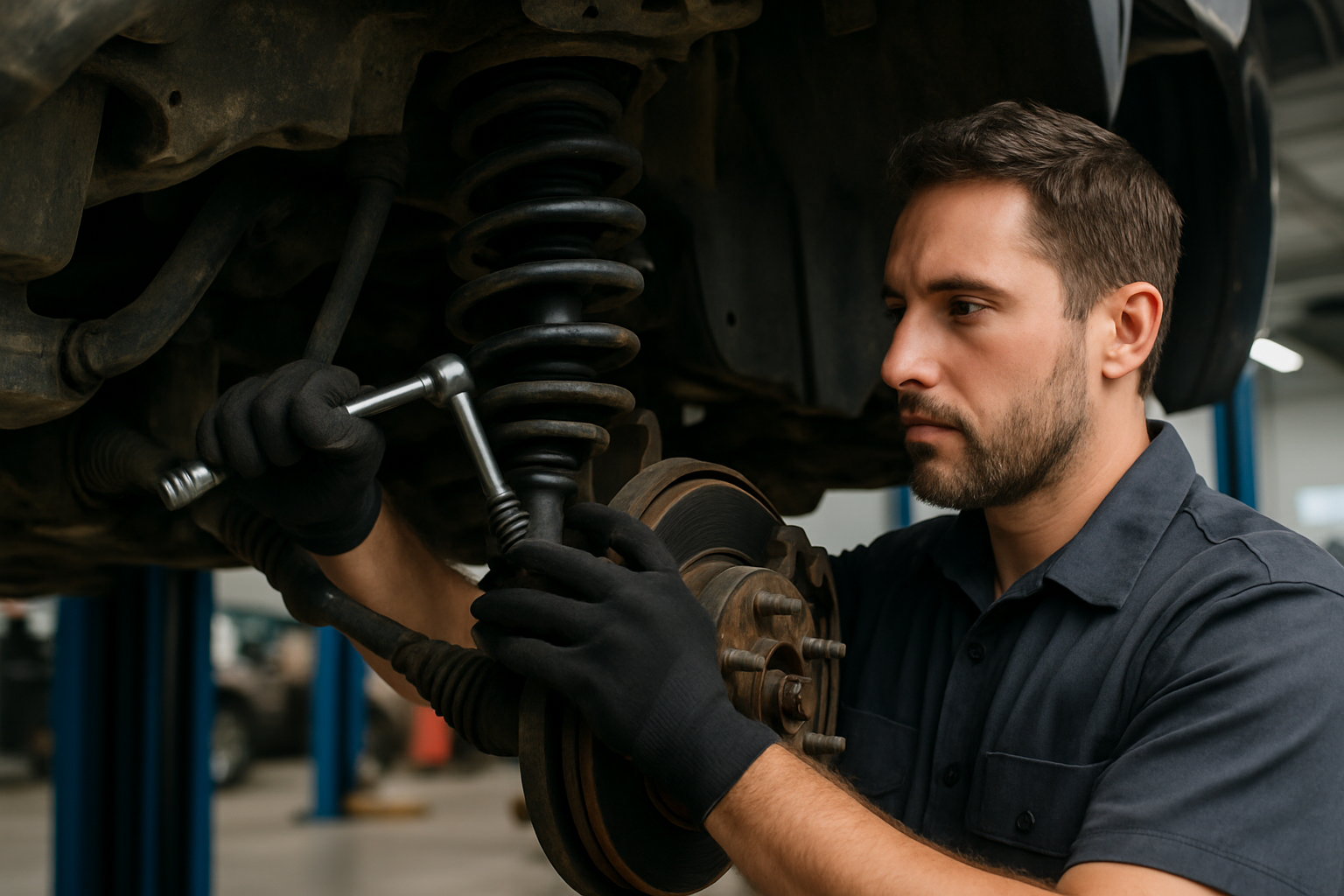
 Your owner's manual reads like it was written by committee, and the dealership just quoted you nine hundred dollars for the 60,000-mile service without explaining what any of it actually does for your car. At Driven Auto Care in Fremont, CA, we think Milpitas Toyota and Lexus owners deserve plain answers about what maintenance matters, what can wait, and what you're probably being oversold on. So let's talk about what your car actually needs instead of what makes someone else's spreadsheet look good.
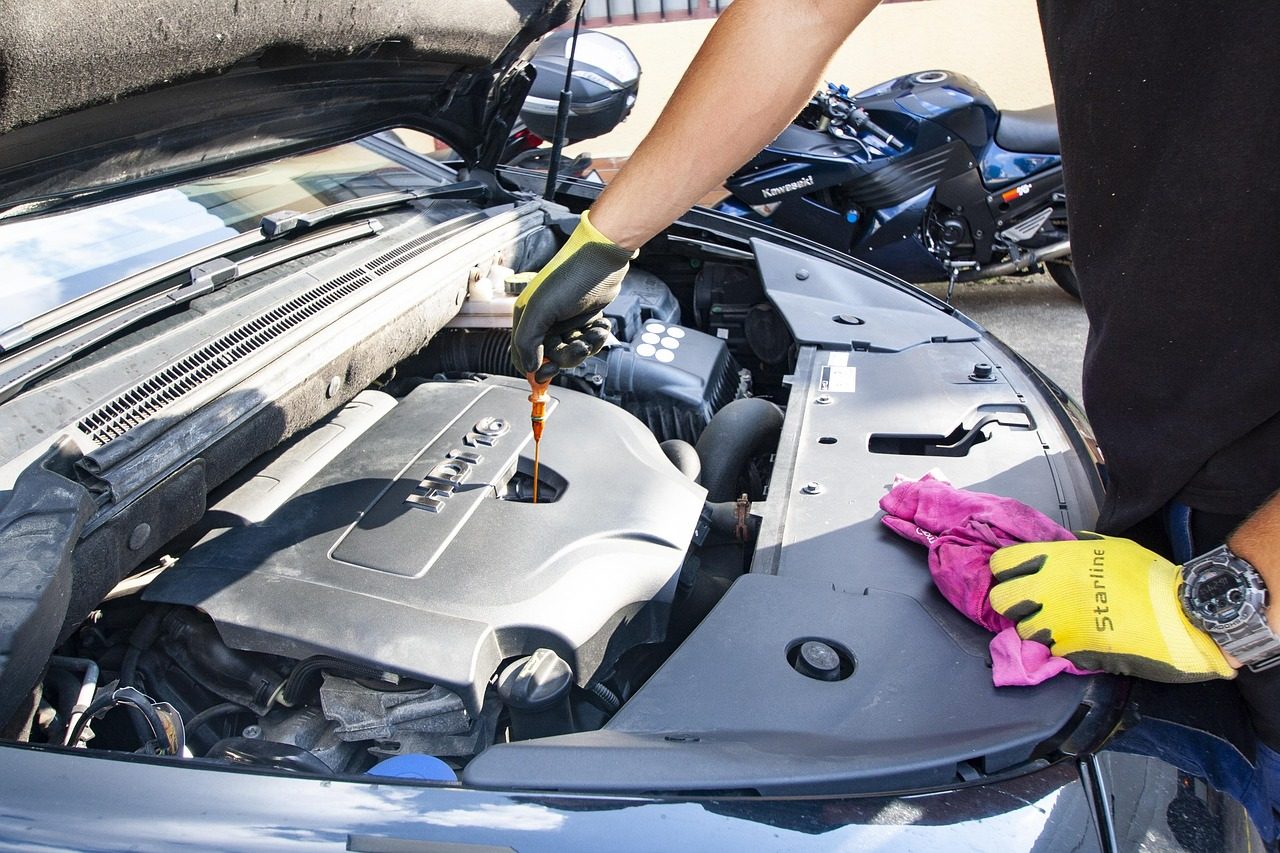
First thing you need to know: most Bay Area driving qualifies as severe according to Toyota's own definitions, even with our nice weather. Stop-and-go traffic that keeps your engine below optimal temperature counts as severe. Short trips that never let things warm up completely count as severe. That 10,000-mile oil change interval published in your manual assumes normal conditions, and normal means highway cruising in moderate climates with minimal traffic. If you're commuting on 880 or surface streets through Milpitas every day, you're in severe territory, and that means 5,000-mile oil intervals regardless of what the synthetic oil marketing wants you to believe.
The 30,000 Mile Service Decoded
This one matters, so let's break it down. Cabin air filter replacement restores the airflow your HVAC system needs to actually cool or heat the cabin effectively. When that filter clogs with Bay Area dust and pollen, your AC works harder to push less air, and the max fan barely matches what it used to deliver. Engine air filter replacement keeps contaminated air from reaching your mass airflow sensor and throwing off fuel calculations. Brake fluid testing tells us whether moisture absorption has dropped the boiling point below safe levels for hard stops from freeway speeds. We use calibrated refractometers to measure the actual boiling point rather than just eyeballing whether the fluid looks dark, because color doesn't tell you anything useful about contamination level.
Transmission Fluid And The Lifetime Fill Myth
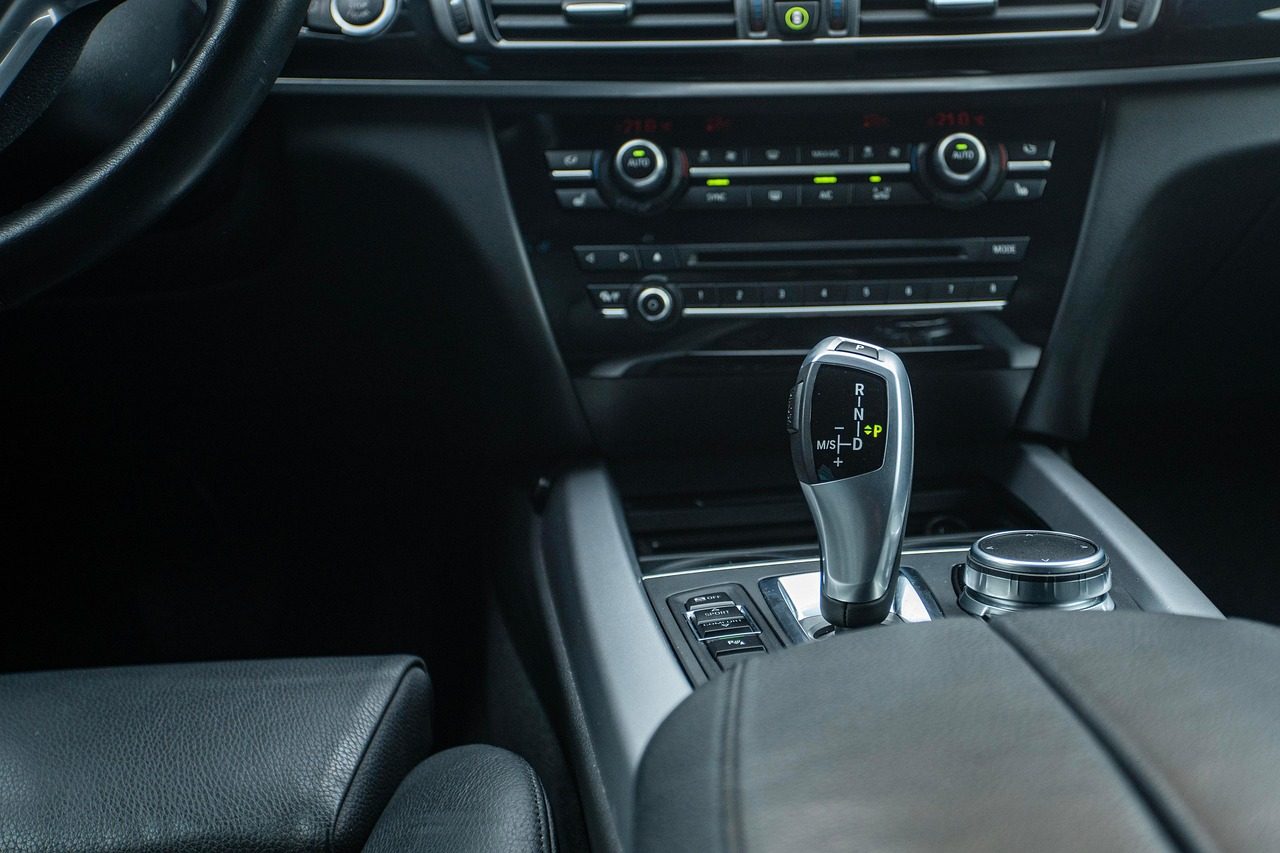
Toyota calls many of their transmissions sealed lifetime-fill units, and that marketing language has convinced a lot of owners they never need fluid service. We've rebuilt enough transmissions to know better. The WS fluid in Camry, RAV4, Highlander, and Lexus ES models darkens from heat cycling and accumulates microscopic debris from clutch pack wear, whether Toyota admits it or not. Friction modifiers deplete over time, and shift quality degrades so gradually that owners adapt without realizing the transmission is getting worse. We recommend exchange between 60,000 and 90,000 miles because the couple of hundred dollars for fluid service beats the four to six thousand dollars for a replacement when the transmission finally gives up at 160,000 miles without ever seeing fresh fluid.
Brake Fluid Eats Itself From The Inside
Here's something most shops won't explain: brake fluid absorbs moisture through microscopic pores in rubber brake hoses and around reservoir cap seals, and there's nothing you can do to prevent it. Fresh fluid boils above 400 degrees, which gives you margin for aggressive braking. Contaminated fluid boils below 300 degrees, right in the range where panic stops generate heat through friction. Toyota says replace every 30,000 miles or two years, and they're right. We flush complete systems, including the ABS modulator passages, because bleeding calipers until clear fluid shows doesn't do anything about contaminated fluid hiding inside expensive hydraulic components.
Straight Answers About Your Service Schedule
Milpitas drivers deserve maintenance recommendations based on what their cars need, not what makes the biggest sale. Call Driven Auto Care at (510) 270-3686 for explanations you can actually understand and services that actually help.
Your owner's manual reads like it was written by committee, and the dealership just quoted you nine hundred dollars for the 60,000-mile service without explaining what any of it actually does for your car. At Driven Auto Care in Fremont, CA, we think Milpitas Toyota and Lexus owners deserve plain answers about what maintenance matters, what can wait, and what you're probably being oversold on. So let's talk about what your car actually needs instead of what makes someone else's spreadsheet look good.
First thing you need to know: most Bay Area driving qualifies as severe according to Toyota's own definitions, even with our nice weather. Stop-and-go traffic that keeps your engine below optimal temperature counts as severe. Short trips that never let things warm up completely count as severe. That 10,000-mile oil change interval published in your manual assumes normal conditions, and normal means highway cruising in moderate climates with minimal traffic. If you're commuting on 880 or surface streets through Milpitas every day, you're in severe territory, and that means 5,000-mile oil intervals regardless of what the synthetic oil marketing wants you to believe.
The 30,000 Mile Service Decoded
This one matters, so let's break it down. Cabin air filter replacement restores the airflow your HVAC system needs to actually cool or heat the cabin effectively. When that filter clogs with Bay Area dust and pollen, your AC works harder to push less air, and the max fan barely matches what it used to deliver. Engine air filter replacement keeps contaminated air from reaching your mass airflow sensor and throwing off fuel calculations. Brake fluid testing tells us whether moisture absorption has dropped the boiling point below safe levels for hard stops from freeway speeds. We use calibrated refractometers to measure the actual boiling point rather than just eyeballing whether the fluid looks dark, because color doesn't tell you anything useful about contamination level.
Transmission Fluid And The Lifetime Fill Myth
Toyota calls many of their transmissions sealed lifetime-fill units, and that marketing language has convinced a lot of owners they never need fluid service. We've rebuilt enough transmissions to know better. The WS fluid in Camry, RAV4, Highlander, and Lexus ES models darkens from heat cycling and accumulates microscopic debris from clutch pack wear, whether Toyota admits it or not. Friction modifiers deplete over time, and shift quality degrades so gradually that owners adapt without realizing the transmission is getting worse. We recommend exchange between 60,000 and 90,000 miles because the couple of hundred dollars for fluid service beats the four to six thousand dollars for a replacement when the transmission finally gives up at 160,000 miles without ever seeing fresh fluid.
Brake Fluid Eats Itself From The Inside
Here's something most shops won't explain: brake fluid absorbs moisture through microscopic pores in rubber brake hoses and around reservoir cap seals, and there's nothing you can do to prevent it. Fresh fluid boils above 400 degrees, which gives you margin for aggressive braking. Contaminated fluid boils below 300 degrees, right in the range where panic stops generate heat through friction. Toyota says replace every 30,000 miles or two years, and they're right. We flush complete systems, including the ABS modulator passages, because bleeding calipers until clear fluid shows doesn't do anything about contaminated fluid hiding inside expensive hydraulic components.
Straight Answers About Your Service Schedule
Milpitas drivers deserve maintenance recommendations based on what their cars need, not what makes the biggest sale. Call Driven Auto Care at (510) 270-3686 for explanations you can actually understand and services that actually help.
Milpitas, CA - Toyota & Lexus Scheduled Maintenance Explained by Auto Techs
SYNOPSIS: Dealership packages push services you might not need while quick-lube shops skip items that actually matter. Driven Auto Care of Fremont, CA serves owners with maintenance basics.
What Your Toyota Actually Needs At Each Service
BY: Arun Coumar, Driven Auto Care of Fremont, CA
Your owner's manual reads like it was written by committee, and the dealership just quoted you nine hundred dollars for the 60,000-mile service without explaining what any of it actually does for your car. At Driven Auto Care in Fremont, CA, we think Milpitas Toyota and Lexus owners deserve plain answers about what maintenance matters, what can wait, and what you're probably being oversold on. So let's talk about what your car actually needs instead of what makes someone else's spreadsheet look good.
First thing you need to know: most Bay Area driving qualifies as severe according to Toyota's own definitions, even with our nice weather. Stop-and-go traffic that keeps your engine below optimal temperature counts as severe. Short trips that never let things warm up completely count as severe. That 10,000-mile oil change interval published in your manual assumes normal conditions, and normal means highway cruising in moderate climates with minimal traffic. If you're commuting on 880 or surface streets through Milpitas every day, you're in severe territory, and that means 5,000-mile oil intervals regardless of what the synthetic oil marketing wants you to believe.
The 30,000 Mile Service Decoded
This one matters, so let's break it down. Cabin air filter replacement restores the airflow your HVAC system needs to actually cool or heat the cabin effectively. When that filter clogs with Bay Area dust and pollen, your AC works harder to push less air, and the max fan barely matches what it used to deliver. Engine air filter replacement keeps contaminated air from reaching your mass airflow sensor and throwing off fuel calculations. Brake fluid testing tells us whether moisture absorption has dropped the boiling point below safe levels for hard stops from freeway speeds. We use calibrated refractometers to measure the actual boiling point rather than just eyeballing whether the fluid looks dark, because color doesn't tell you anything useful about contamination level.
Transmission Fluid And The Lifetime Fill Myth
Toyota calls many of their transmissions sealed lifetime-fill units, and that marketing language has convinced a lot of owners they never need fluid service. We've rebuilt enough transmissions to know better. The WS fluid in Camry, RAV4, Highlander, and Lexus ES models darkens from heat cycling and accumulates microscopic debris from clutch pack wear, whether Toyota admits it or not. Friction modifiers deplete over time, and shift quality degrades so gradually that owners adapt without realizing the transmission is getting worse. We recommend exchange between 60,000 and 90,000 miles because the couple of hundred dollars for fluid service beats the four to six thousand dollars for a replacement when the transmission finally gives up at 160,000 miles without ever seeing fresh fluid.
Brake Fluid Eats Itself From The Inside
Here's something most shops won't explain: brake fluid absorbs moisture through microscopic pores in rubber brake hoses and around reservoir cap seals, and there's nothing you can do to prevent it. Fresh fluid boils above 400 degrees, which gives you margin for aggressive braking. Contaminated fluid boils below 300 degrees, right in the range where panic stops generate heat through friction. Toyota says replace every 30,000 miles or two years, and they're right. We flush complete systems, including the ABS modulator passages, because bleeding calipers until clear fluid shows doesn't do anything about contaminated fluid hiding inside expensive hydraulic components.
Straight Answers About Your Service Schedule
Milpitas drivers deserve maintenance recommendations based on what their cars need, not what makes the biggest sale. Call Driven Auto Care at (510) 270-3686 for explanations you can actually understand and services that actually help.