 Passengers used to mention how smoothly your A4 absorbed terrible pavement without transmitting anything uncomfortable to the cabin. Now they brace themselves before railroad crossings, and you've started routing around streets you used to ignore. At Driven Auto Care in Fremont, CA, we help Milpitas Audi owners understand that strut failure doesn't announce itself with sudden change. It creeps in over fifty thousand miles until harsh becomes normal and you forget what the car felt like when everything worked correctly. The transformation from floating to crashing happened while you adapted instead of recognizing.
Audi A4 models from the B8 generation, spanning 2009 through 2016, and B9 from 2017 forward, use MacPherson struts combining spring support and damping in single sealed assemblies. B8 struts typically reach end-of-life around 70,000 miles under normal Bay Area driving. B9 units last closer to 90,000 miles thanks to revised internal valving, but both degrade so incrementally that owners recalibrate their perception of acceptable ride quality rather than identifying mechanical wear requiring repair.
Symptoms Extending Beyond Harsh Feel Over Bumps
Nose-dive during braking reveals front struts that can't control forward weight transfer anymore. You're pressing the brake pedal and watching the hood drop toward the pavement in ways you don't remember from earlier ownership. Body roll through corners indicates dampers allowing lateral lean beyond original design limits, which reduces tire contact patch size and cornering confidence simultaneously. Cupped tire wear appears as scalloped valleys across tread surfaces when struts bounce tires instead of keeping the rubber planted consistently. We look for all these symptoms during test drives over specific routes with expansion joints, surface transitions, and bump sequences, revealing damper condition far more accurately than any parking lot inspection ever could.
Why The Bounce Test Tells You Nothing
Pushing down on fenders and counting oscillations worked reasonably well on 1970s vehicles with separate coil springs and tube shocks using basic hydraulic valving. That test became obsolete three decades ago. Modern strut assemblies require dynamic evaluation under actual driving conditions, and shops still using the bounce method might as well flip coins. We drive your A4 through controlled route segments where worn struts reveal themselves against the baseline of thousands of functioning examples we've evaluated over years of doing this work daily.
Upper Mount Bearings Create Noise And Geometry Problems
The upper strut mounts contain bearings allowing rotation during steering input while supporting spring compression load simultaneously. A4 mounts dry out and bind after years of use, producing creaking sounds during parking maneuvers that owners frequently mistake for steering rack problems. Failed mounts also shift camber angle under load and create alignment drift that adjustment alone cannot permanently correct. We evaluate mount bearing condition during every strut diagnosis and recommend replacement alongside dampers when wear appears, because installing new struts on worn mounts means returning within a year for the mounts you should have done initially.
Electronic Damping Adds Complexity Worth Understanding
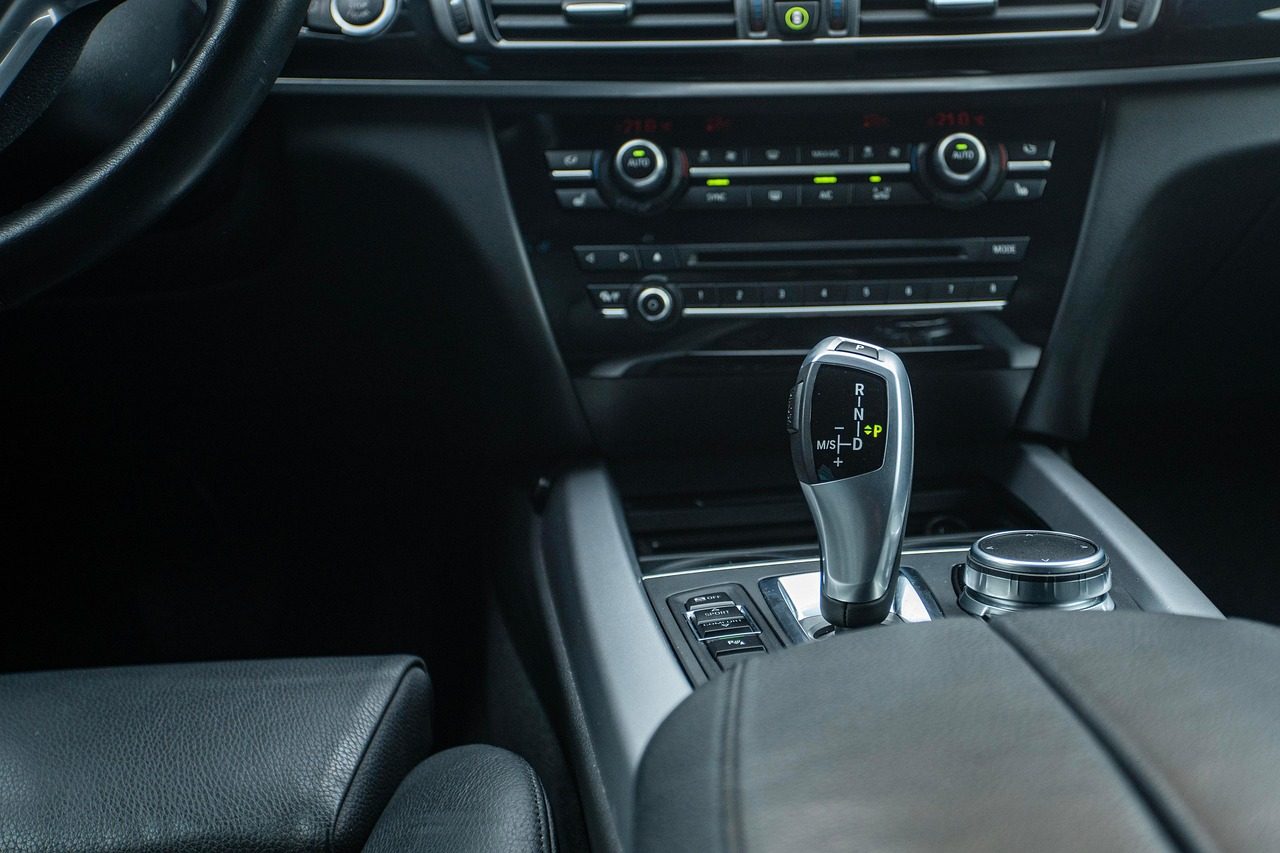
Some A4 configurations with Audi Drive Select use electronically controlled dampers adjusting firmness based on mode selection and real-time driving conditions. These units cost significantly more than standard struts and require diagnostic coding after installation to communicate properly with suspension control modules. Dashboard warnings appear when replacements lack proper software configuration, and handling suffers even with a physically correct installation. We have factory-compatible equipment handling these systems correctly from initial diagnosis through final calibration and road testing.
Reclaim What You Paid For Originally
That harsh ride steals the refined experience, making Audi ownership worthwhile. Call Driven Auto Care at (510) 270-3686 to schedule a strut evaluation and remember what your A4 felt like before wear erased the difference.
Passengers used to mention how smoothly your A4 absorbed terrible pavement without transmitting anything uncomfortable to the cabin. Now they brace themselves before railroad crossings, and you've started routing around streets you used to ignore. At Driven Auto Care in Fremont, CA, we help Milpitas Audi owners understand that strut failure doesn't announce itself with sudden change. It creeps in over fifty thousand miles until harsh becomes normal and you forget what the car felt like when everything worked correctly. The transformation from floating to crashing happened while you adapted instead of recognizing.
Audi A4 models from the B8 generation, spanning 2009 through 2016, and B9 from 2017 forward, use MacPherson struts combining spring support and damping in single sealed assemblies. B8 struts typically reach end-of-life around 70,000 miles under normal Bay Area driving. B9 units last closer to 90,000 miles thanks to revised internal valving, but both degrade so incrementally that owners recalibrate their perception of acceptable ride quality rather than identifying mechanical wear requiring repair.
Symptoms Extending Beyond Harsh Feel Over Bumps
Nose-dive during braking reveals front struts that can't control forward weight transfer anymore. You're pressing the brake pedal and watching the hood drop toward the pavement in ways you don't remember from earlier ownership. Body roll through corners indicates dampers allowing lateral lean beyond original design limits, which reduces tire contact patch size and cornering confidence simultaneously. Cupped tire wear appears as scalloped valleys across tread surfaces when struts bounce tires instead of keeping the rubber planted consistently. We look for all these symptoms during test drives over specific routes with expansion joints, surface transitions, and bump sequences, revealing damper condition far more accurately than any parking lot inspection ever could.
Why The Bounce Test Tells You Nothing
Pushing down on fenders and counting oscillations worked reasonably well on 1970s vehicles with separate coil springs and tube shocks using basic hydraulic valving. That test became obsolete three decades ago. Modern strut assemblies require dynamic evaluation under actual driving conditions, and shops still using the bounce method might as well flip coins. We drive your A4 through controlled route segments where worn struts reveal themselves against the baseline of thousands of functioning examples we've evaluated over years of doing this work daily.
Upper Mount Bearings Create Noise And Geometry Problems
The upper strut mounts contain bearings allowing rotation during steering input while supporting spring compression load simultaneously. A4 mounts dry out and bind after years of use, producing creaking sounds during parking maneuvers that owners frequently mistake for steering rack problems. Failed mounts also shift camber angle under load and create alignment drift that adjustment alone cannot permanently correct. We evaluate mount bearing condition during every strut diagnosis and recommend replacement alongside dampers when wear appears, because installing new struts on worn mounts means returning within a year for the mounts you should have done initially.
Electronic Damping Adds Complexity Worth Understanding
Some A4 configurations with Audi Drive Select use electronically controlled dampers adjusting firmness based on mode selection and real-time driving conditions. These units cost significantly more than standard struts and require diagnostic coding after installation to communicate properly with suspension control modules. Dashboard warnings appear when replacements lack proper software configuration, and handling suffers even with a physically correct installation. We have factory-compatible equipment handling these systems correctly from initial diagnosis through final calibration and road testing.
Reclaim What You Paid For Originally
That harsh ride steals the refined experience, making Audi ownership worthwhile. Call Driven Auto Care at (510) 270-3686 to schedule a strut evaluation and remember what your A4 felt like before wear erased the difference.
Milpitas, CA - Audi A4 Strut and Shock Replacement for Rough Ride Quality
SYNOPSIS: Strut wear happens so gradually that Audi A4 owners adjust their expectations without recognizing the mechanical failure underneath them. Driven Auto Care of Fremont, CA serves drivers with precision.
Why Has Your Audi A4 Lost Its Smooth Ride?
BY: Arun Coumar, Driven Auto Care of Fremont, CA
Passengers used to mention how smoothly your A4 absorbed terrible pavement without transmitting anything uncomfortable to the cabin. Now they brace themselves before railroad crossings, and you've started routing around streets you used to ignore. At Driven Auto Care in Fremont, CA, we help Milpitas Audi owners understand that strut failure doesn't announce itself with sudden change. It creeps in over fifty thousand miles until harsh becomes normal and you forget what the car felt like when everything worked correctly. The transformation from floating to crashing happened while you adapted instead of recognizing.
Audi A4 models from the B8 generation, spanning 2009 through 2016, and B9 from 2017 forward, use MacPherson struts combining spring support and damping in single sealed assemblies. B8 struts typically reach end-of-life around 70,000 miles under normal Bay Area driving. B9 units last closer to 90,000 miles thanks to revised internal valving, but both degrade so incrementally that owners recalibrate their perception of acceptable ride quality rather than identifying mechanical wear requiring repair.
Symptoms Extending Beyond Harsh Feel Over Bumps
Nose-dive during braking reveals front struts that can't control forward weight transfer anymore. You're pressing the brake pedal and watching the hood drop toward the pavement in ways you don't remember from earlier ownership. Body roll through corners indicates dampers allowing lateral lean beyond original design limits, which reduces tire contact patch size and cornering confidence simultaneously. Cupped tire wear appears as scalloped valleys across tread surfaces when struts bounce tires instead of keeping the rubber planted consistently. We look for all these symptoms during test drives over specific routes with expansion joints, surface transitions, and bump sequences, revealing damper condition far more accurately than any parking lot inspection ever could.
Why The Bounce Test Tells You Nothing
Pushing down on fenders and counting oscillations worked reasonably well on 1970s vehicles with separate coil springs and tube shocks using basic hydraulic valving. That test became obsolete three decades ago. Modern strut assemblies require dynamic evaluation under actual driving conditions, and shops still using the bounce method might as well flip coins. We drive your A4 through controlled route segments where worn struts reveal themselves against the baseline of thousands of functioning examples we've evaluated over years of doing this work daily.
Upper Mount Bearings Create Noise And Geometry Problems
The upper strut mounts contain bearings allowing rotation during steering input while supporting spring compression load simultaneously. A4 mounts dry out and bind after years of use, producing creaking sounds during parking maneuvers that owners frequently mistake for steering rack problems. Failed mounts also shift camber angle under load and create alignment drift that adjustment alone cannot permanently correct. We evaluate mount bearing condition during every strut diagnosis and recommend replacement alongside dampers when wear appears, because installing new struts on worn mounts means returning within a year for the mounts you should have done initially.
Electronic Damping Adds Complexity Worth Understanding
Some A4 configurations with Audi Drive Select use electronically controlled dampers adjusting firmness based on mode selection and real-time driving conditions. These units cost significantly more than standard struts and require diagnostic coding after installation to communicate properly with suspension control modules. Dashboard warnings appear when replacements lack proper software configuration, and handling suffers even with a physically correct installation. We have factory-compatible equipment handling these systems correctly from initial diagnosis through final calibration and road testing.
Reclaim What You Paid For Originally
That harsh ride steals the refined experience, making Audi ownership worthwhile. Call Driven Auto Care at (510) 270-3686 to schedule a strut evaluation and remember what your A4 felt like before wear erased the difference.