 You pressed the brake pedal harder yesterday than you did last month. You probably didn't notice. That's exactly the problem. At Driven Auto Care in Fremont, CA, we see Toyota and Lexus owners who've unconsciously adjusted to longer stopping distances over months of daily driving, pushing their foot down earlier at intersections, leaving more following distance on 880, and avoiding the hard stops they used to make confidently. These vehicles feel so refined that worn brakes still seem acceptable compared to lesser cars with fresh pads. That smoothness hides genuine danger.
Brake fade develops from three distinct failure modes, and each demands different repairs. Pads wear thin until the friction material gives way to the backing plate steel grinding against rotors. Rotors develop thickness variation that reduces contact area and creates pulsation you feel through the pedal and steering wheel. Brake fluid absorbs moisture through rubber hoses and boils under hard stops when temperatures exceed its degraded boiling point. Throwing parts at symptoms without identifying which failure mode applies wastes money every single time.
What Pad Wear Actually Reveals
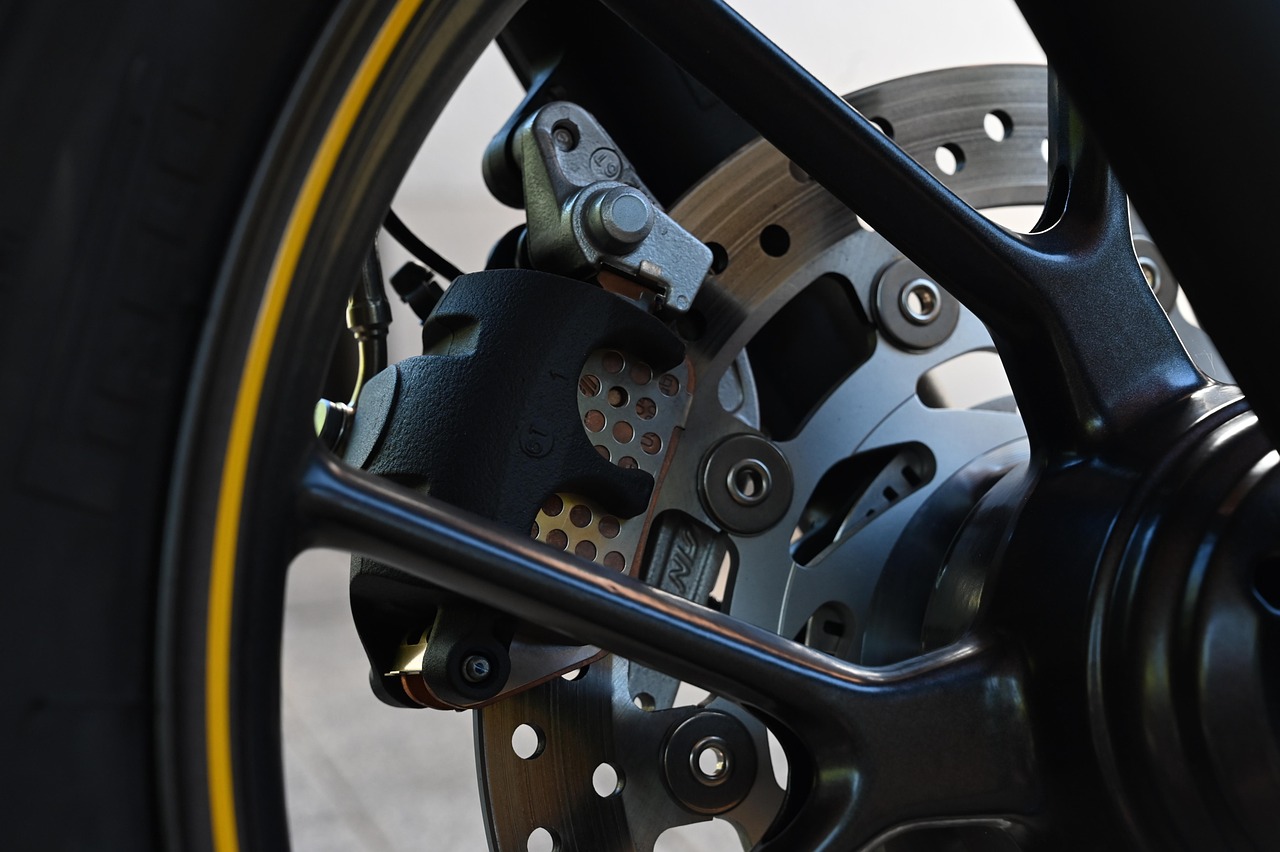
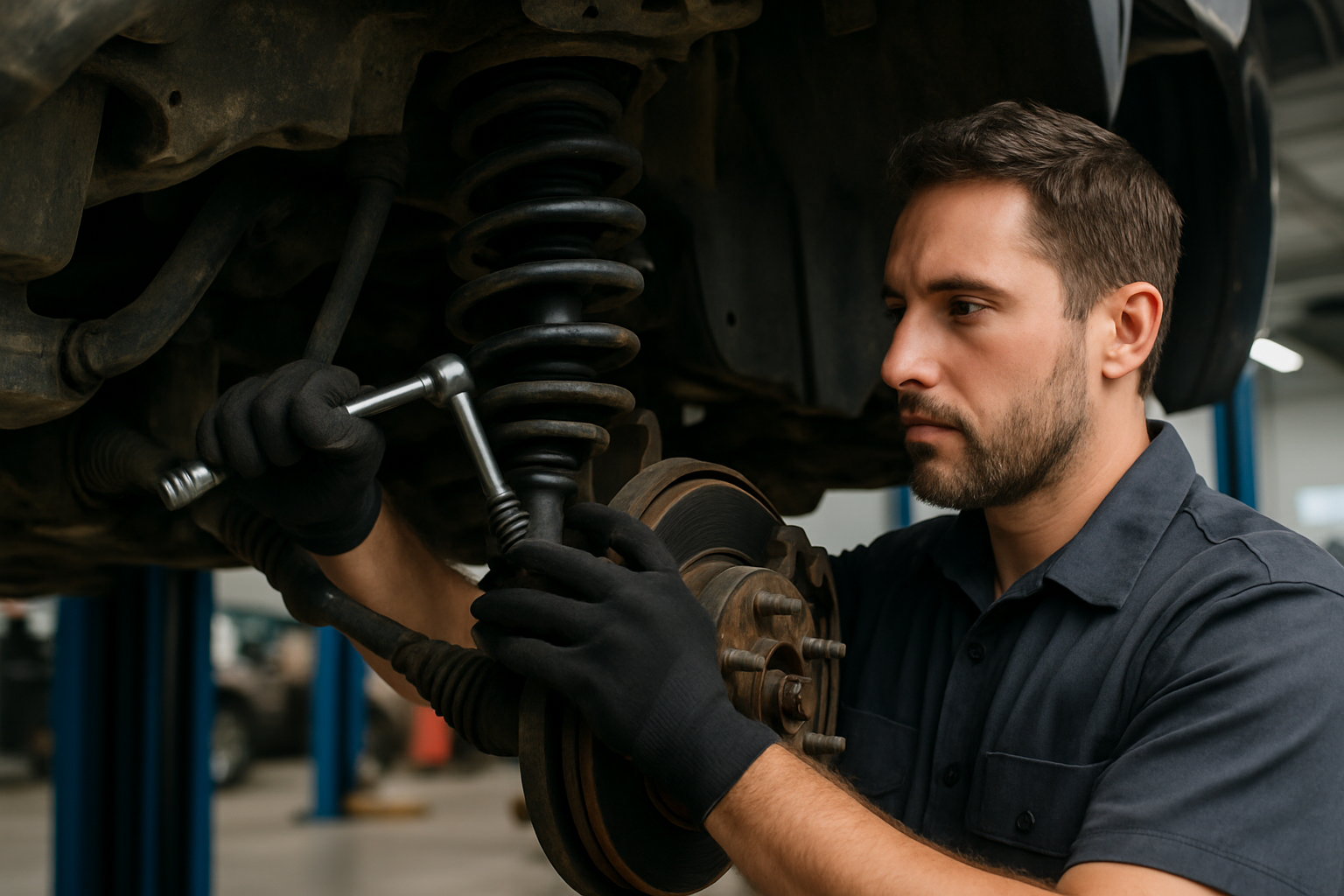
Toyota Camry, RAV4, and Highlander models from 2015 through 2023 use sliding calipers where inner pads wear faster than outer ones by design. Looking at the visible outer pad through wheel spokes tells you almost nothing useful. The dangerous wear hides on the inner surface against the piston, invisible without wheel removal. City driving concentrates heat on the pad edges from thousands of lights, repeated stops. Highway commuting spreads wear more evenly across friction surfaces. We measure thickness at multiple points and positions because four millimeters remaining in the center means nothing when the edges show backing plate contact.
Rotor Thickness Variation Creates Pulsation And Fade
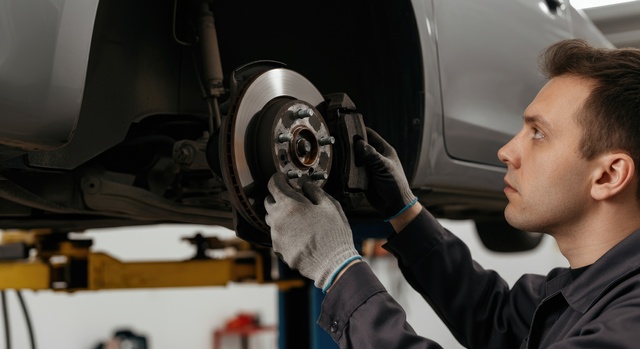
Every brake rotor has a minimum thickness specification stamped into the casting, and that number exists for thermal mass reasons most shops never explain. A rotor measuring 28mm new and machined to 26mm might look perfectly serviceable, but it's lost the heat absorption capacity, preventing warp during aggressive stops from freeway speeds. We measure thickness at eight positions around the circumference because wear creates localized thin spots that averages hide completely. Lateral runout checks with dial indicators reveal warped rotors causing the pulsation drivers feel through steering wheels during braking. These measurements take five minutes per wheel and prevent the "we machined your rotors and they still pulsate" callback nobody wants.
Brake Fluid Degrades Whether You Drive Or Not
Fresh DOT 3 and DOT 4 fluid boils above 400 degrees Fahrenheit. Fluid with three percent moisture contamination boils below 300 degrees, right where repeated hard stops from freeway speeds generate heat through friction. Moisture enters through microscopic pores in rubber brake hoses and around reservoir cap seals regardless of climate, driving habits, or how carefully you maintain everything else. Toyota recommends replacement every 30,000 miles or two years for good reason. We flush complete systems using pressure bleeding equipment that cycles fresh fluid through ABS modulators rather than simply bleeding calipers until clear fluid appears at bleeder screws. Contaminated fluid hiding in ABS passages continues attacking expensive hydraulic components from the inside.
ABS System Testing Most Shops Skip
Anti-lock systems use pumps and solenoid valves that degrade gradually without illuminating warning lights until failure becomes severe. We activate ABS self-tests using factory-compatible diagnostic equipment and verify each wheel channel responds with proper pressure modulation. Soft pedal complaints sometimes trace to ABS modulators bleeding pressure internally through worn valve seats rather than worn pads or contaminated fluid. Finding that failure first prevents wasted brake component replacement that doesn't address the actual problem.
Stop Accepting Longer Distances
Your Toyota should stop exactly like it did when you drove it off the lot. Call Driven Auto Care at (510) 270-3686 and find out precisely what's degrading your brakes before a longer stopping distance creates consequences nobody can fix.
You pressed the brake pedal harder yesterday than you did last month. You probably didn't notice. That's exactly the problem. At Driven Auto Care in Fremont, CA, we see Toyota and Lexus owners who've unconsciously adjusted to longer stopping distances over months of daily driving, pushing their foot down earlier at intersections, leaving more following distance on 880, and avoiding the hard stops they used to make confidently. These vehicles feel so refined that worn brakes still seem acceptable compared to lesser cars with fresh pads. That smoothness hides genuine danger.
Brake fade develops from three distinct failure modes, and each demands different repairs. Pads wear thin until the friction material gives way to the backing plate steel grinding against rotors. Rotors develop thickness variation that reduces contact area and creates pulsation you feel through the pedal and steering wheel. Brake fluid absorbs moisture through rubber hoses and boils under hard stops when temperatures exceed its degraded boiling point. Throwing parts at symptoms without identifying which failure mode applies wastes money every single time.
What Pad Wear Actually Reveals
Toyota Camry, RAV4, and Highlander models from 2015 through 2023 use sliding calipers where inner pads wear faster than outer ones by design. Looking at the visible outer pad through wheel spokes tells you almost nothing useful. The dangerous wear hides on the inner surface against the piston, invisible without wheel removal. City driving concentrates heat on the pad edges from thousands of lights, repeated stops. Highway commuting spreads wear more evenly across friction surfaces. We measure thickness at multiple points and positions because four millimeters remaining in the center means nothing when the edges show backing plate contact.
Rotor Thickness Variation Creates Pulsation And Fade
Every brake rotor has a minimum thickness specification stamped into the casting, and that number exists for thermal mass reasons most shops never explain. A rotor measuring 28mm new and machined to 26mm might look perfectly serviceable, but it's lost the heat absorption capacity, preventing warp during aggressive stops from freeway speeds. We measure thickness at eight positions around the circumference because wear creates localized thin spots that averages hide completely. Lateral runout checks with dial indicators reveal warped rotors causing the pulsation drivers feel through steering wheels during braking. These measurements take five minutes per wheel and prevent the "we machined your rotors and they still pulsate" callback nobody wants.
Brake Fluid Degrades Whether You Drive Or Not
Fresh DOT 3 and DOT 4 fluid boils above 400 degrees Fahrenheit. Fluid with three percent moisture contamination boils below 300 degrees, right where repeated hard stops from freeway speeds generate heat through friction. Moisture enters through microscopic pores in rubber brake hoses and around reservoir cap seals regardless of climate, driving habits, or how carefully you maintain everything else. Toyota recommends replacement every 30,000 miles or two years for good reason. We flush complete systems using pressure bleeding equipment that cycles fresh fluid through ABS modulators rather than simply bleeding calipers until clear fluid appears at bleeder screws. Contaminated fluid hiding in ABS passages continues attacking expensive hydraulic components from the inside.
ABS System Testing Most Shops Skip
Anti-lock systems use pumps and solenoid valves that degrade gradually without illuminating warning lights until failure becomes severe. We activate ABS self-tests using factory-compatible diagnostic equipment and verify each wheel channel responds with proper pressure modulation. Soft pedal complaints sometimes trace to ABS modulators bleeding pressure internally through worn valve seats rather than worn pads or contaminated fluid. Finding that failure first prevents wasted brake component replacement that doesn't address the actual problem.
Stop Accepting Longer Distances
Your Toyota should stop exactly like it did when you drove it off the lot. Call Driven Auto Care at (510) 270-3686 and find out precisely what's degrading your brakes before a longer stopping distance creates consequences nobody can fix.
Fremont, CA - Toyota & Lexus Brake Repair When Stopping Distance Increases
SYNOPSIS: Stopping distance creeps longer so gradually that most Toyota and Lexus owners adapt without noticing the danger growing beneath their feet. Driven Auto Care of Fremont, CA identifies what it is.
Your Toyota Stops Slower Than You Realize
BY: Arun Coumar, Driven Auto Care of Fremont, CA
You pressed the brake pedal harder yesterday than you did last month. You probably didn't notice. That's exactly the problem. At Driven Auto Care in Fremont, CA, we see Toyota and Lexus owners who've unconsciously adjusted to longer stopping distances over months of daily driving, pushing their foot down earlier at intersections, leaving more following distance on 880, and avoiding the hard stops they used to make confidently. These vehicles feel so refined that worn brakes still seem acceptable compared to lesser cars with fresh pads. That smoothness hides genuine danger.
Brake fade develops from three distinct failure modes, and each demands different repairs. Pads wear thin until the friction material gives way to the backing plate steel grinding against rotors. Rotors develop thickness variation that reduces contact area and creates pulsation you feel through the pedal and steering wheel. Brake fluid absorbs moisture through rubber hoses and boils under hard stops when temperatures exceed its degraded boiling point. Throwing parts at symptoms without identifying which failure mode applies wastes money every single time.
What Pad Wear Actually Reveals
Toyota Camry, RAV4, and Highlander models from 2015 through 2023 use sliding calipers where inner pads wear faster than outer ones by design. Looking at the visible outer pad through wheel spokes tells you almost nothing useful. The dangerous wear hides on the inner surface against the piston, invisible without wheel removal. City driving concentrates heat on the pad edges from thousands of lights, repeated stops. Highway commuting spreads wear more evenly across friction surfaces. We measure thickness at multiple points and positions because four millimeters remaining in the center means nothing when the edges show backing plate contact.
Rotor Thickness Variation Creates Pulsation And Fade
Every brake rotor has a minimum thickness specification stamped into the casting, and that number exists for thermal mass reasons most shops never explain. A rotor measuring 28mm new and machined to 26mm might look perfectly serviceable, but it's lost the heat absorption capacity, preventing warp during aggressive stops from freeway speeds. We measure thickness at eight positions around the circumference because wear creates localized thin spots that averages hide completely. Lateral runout checks with dial indicators reveal warped rotors causing the pulsation drivers feel through steering wheels during braking. These measurements take five minutes per wheel and prevent the "we machined your rotors and they still pulsate" callback nobody wants.
Brake Fluid Degrades Whether You Drive Or Not
Fresh DOT 3 and DOT 4 fluid boils above 400 degrees Fahrenheit. Fluid with three percent moisture contamination boils below 300 degrees, right where repeated hard stops from freeway speeds generate heat through friction. Moisture enters through microscopic pores in rubber brake hoses and around reservoir cap seals regardless of climate, driving habits, or how carefully you maintain everything else. Toyota recommends replacement every 30,000 miles or two years for good reason. We flush complete systems using pressure bleeding equipment that cycles fresh fluid through ABS modulators rather than simply bleeding calipers until clear fluid appears at bleeder screws. Contaminated fluid hiding in ABS passages continues attacking expensive hydraulic components from the inside.
ABS System Testing Most Shops Skip
Anti-lock systems use pumps and solenoid valves that degrade gradually without illuminating warning lights until failure becomes severe. We activate ABS self-tests using factory-compatible diagnostic equipment and verify each wheel channel responds with proper pressure modulation. Soft pedal complaints sometimes trace to ABS modulators bleeding pressure internally through worn valve seats rather than worn pads or contaminated fluid. Finding that failure first prevents wasted brake component replacement that doesn't address the actual problem.
Stop Accepting Longer Distances
Your Toyota should stop exactly like it did when you drove it off the lot. Call Driven Auto Care at (510) 270-3686 and find out precisely what's degrading your brakes before a longer stopping distance creates consequences nobody can fix.