Good Practice Starts With Clear Feedback
Golfers often know when a shot feels wrong, but identifying the exact cause is harder. A rushed transition, unstable posture, poor weight shift, or late clubface change may happen too quickly to notice during a normal swing. Swing analysis technology slows motion and gives players a clearer view of what happened.
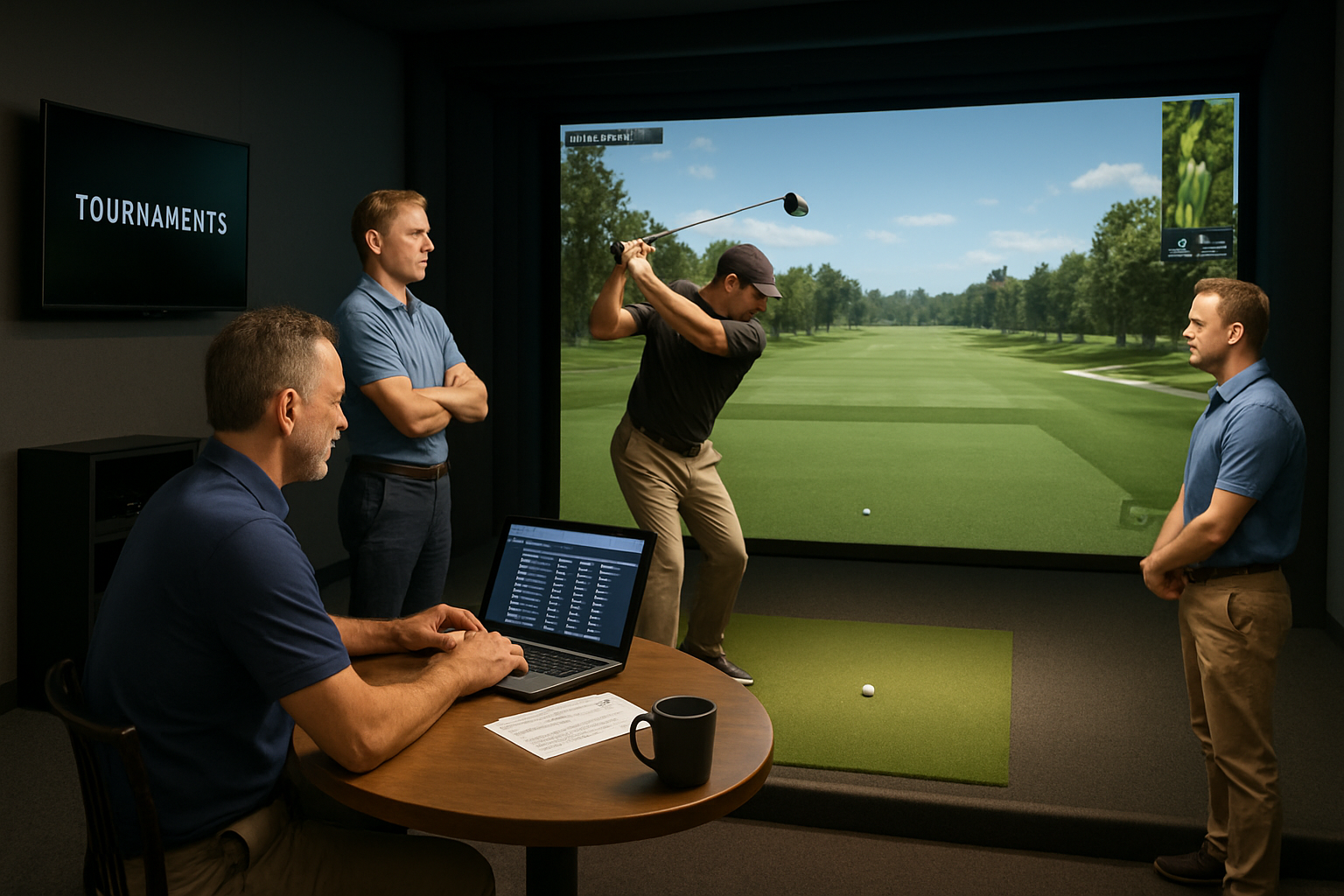
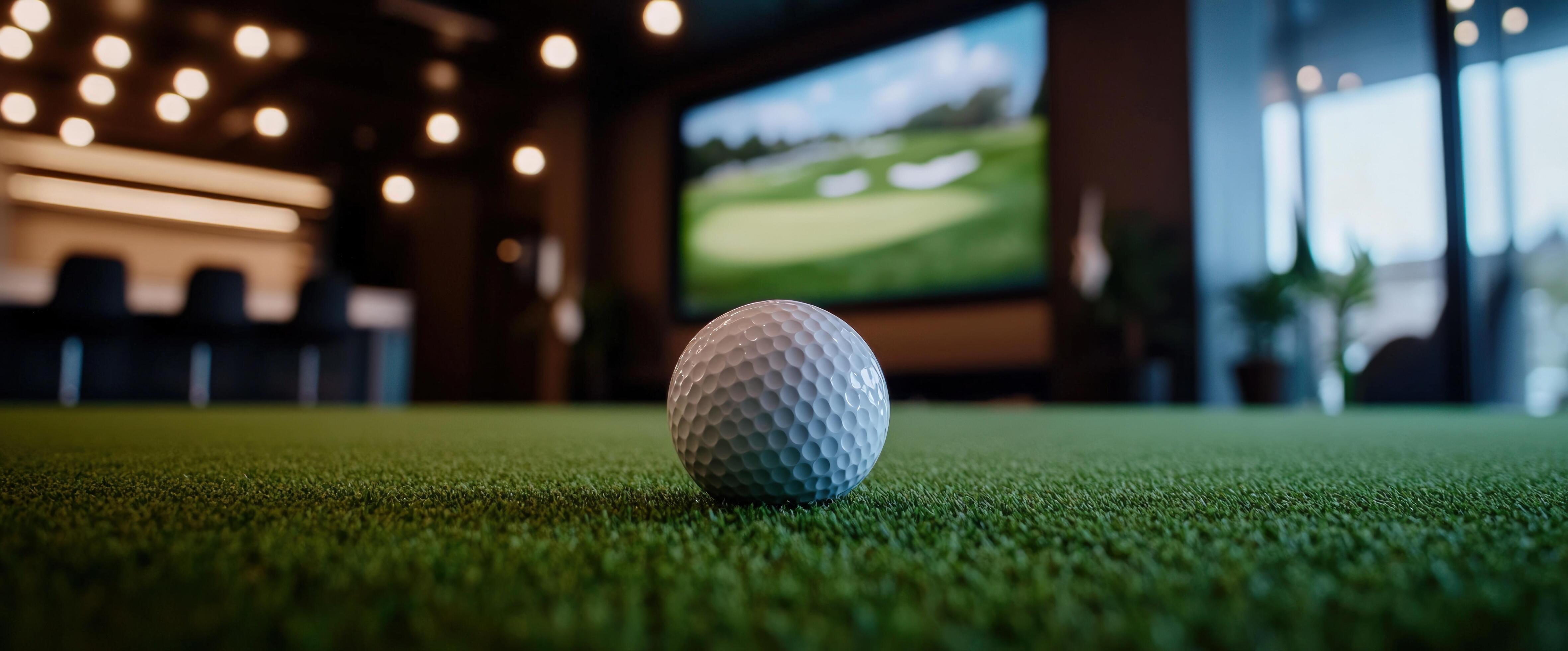
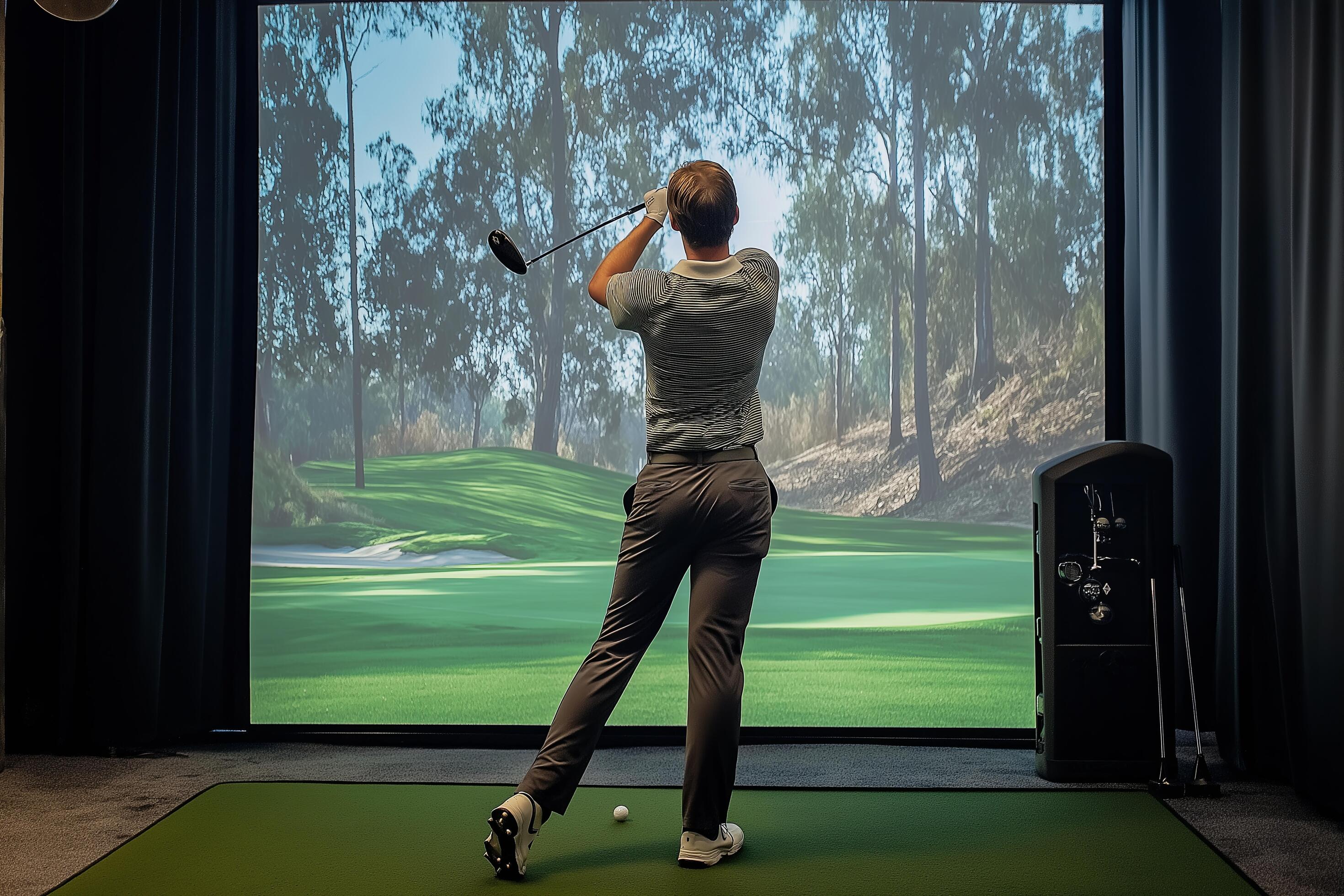
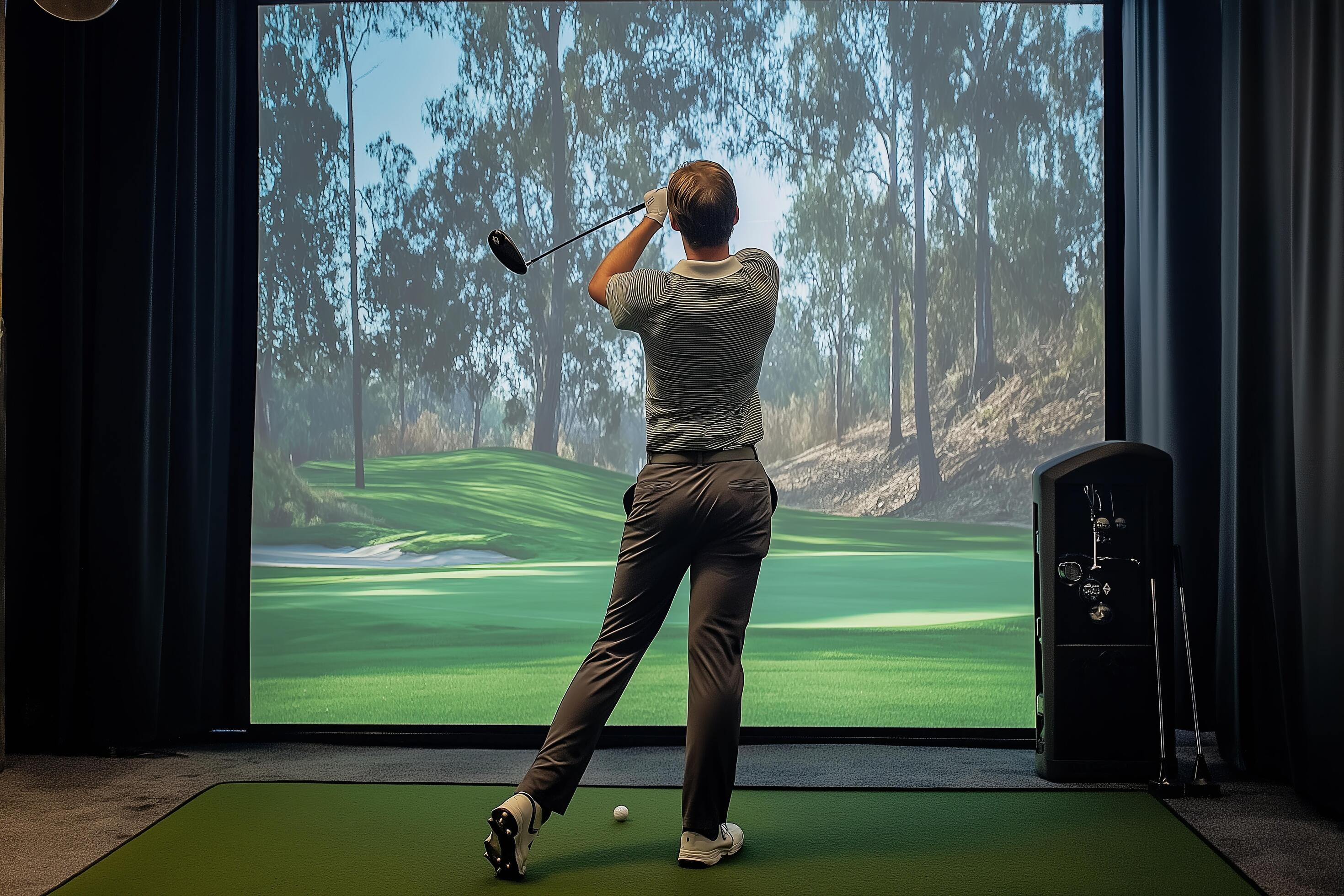
At 9Yards Golf Course Simulators of Pittsburgh, PA, we use Golfzon TwoVision technology to support focused indoor practice. Slow-motion swing playback lets golfers review movement after each shot, compare results, and connect what they felt with what the camera captured. Instead of relying solely on memory, players will see the swing from a more useful perspective.
Slow-Motion Playback Reveals Small Problems
Golf swings happen in seconds. Small mistakes may disappear before a player has time to recognize them. Video playback helps reveal details such as head movement, posture changes, loss of balance, arm position, and the timing of the follow-through.
This visual feedback gives practice direction. A golfer who keeps missing right may discover a repeated movement pattern rather than trying several unrelated fixes. Once the problem becomes visible, the player will work on one adjustment and review the next swing to see whether anything changed.
The process saves time because each repetition has a purpose. Players are no longer hitting balls and hoping for improvement.
Realistic Conditions Make Feedback More Useful
Swing analysis works best when practice includes more than flat, perfect lies. Golfzon TwoVision features a hydraulic, 24-position swing plate that creates uphill, downhill, and sidehill stances. Multi-surface mats also recreate fairway, rough, and bunker conditions.
These features help golfers see how balance and posture change in different situations. A swing may look controlled from a level mat but become unstable on a sidehill lie. Reviewing both swings helps the player understand what needs attention before returning to outdoor play.
The auto-tee and ball retrieval systems also keep sessions moving. Less time spent resetting means more time for swings, review, and useful corrections.
Combine Technology With Coaching
Video is valuable, but players still need to understand what they are seeing. Our golf academy pairs advanced feedback with hands-on instruction for beginners, recreational players, and competitive golfers.
An instructor will identify the most important issue, explain the adjustment in plain language, and help the player test it immediately. Slow-motion playback then shows whether the new movement is taking shape. This cycle of swing, review, adjust, and repeat turns a lesson into an active learning session.
It also keeps players from overcorrecting. Golfers sometimes spot several issues and try to fix everything at once. A coach will help prioritize the change most likely to improve contact and consistency.
Track Progress Through Different Game Modes
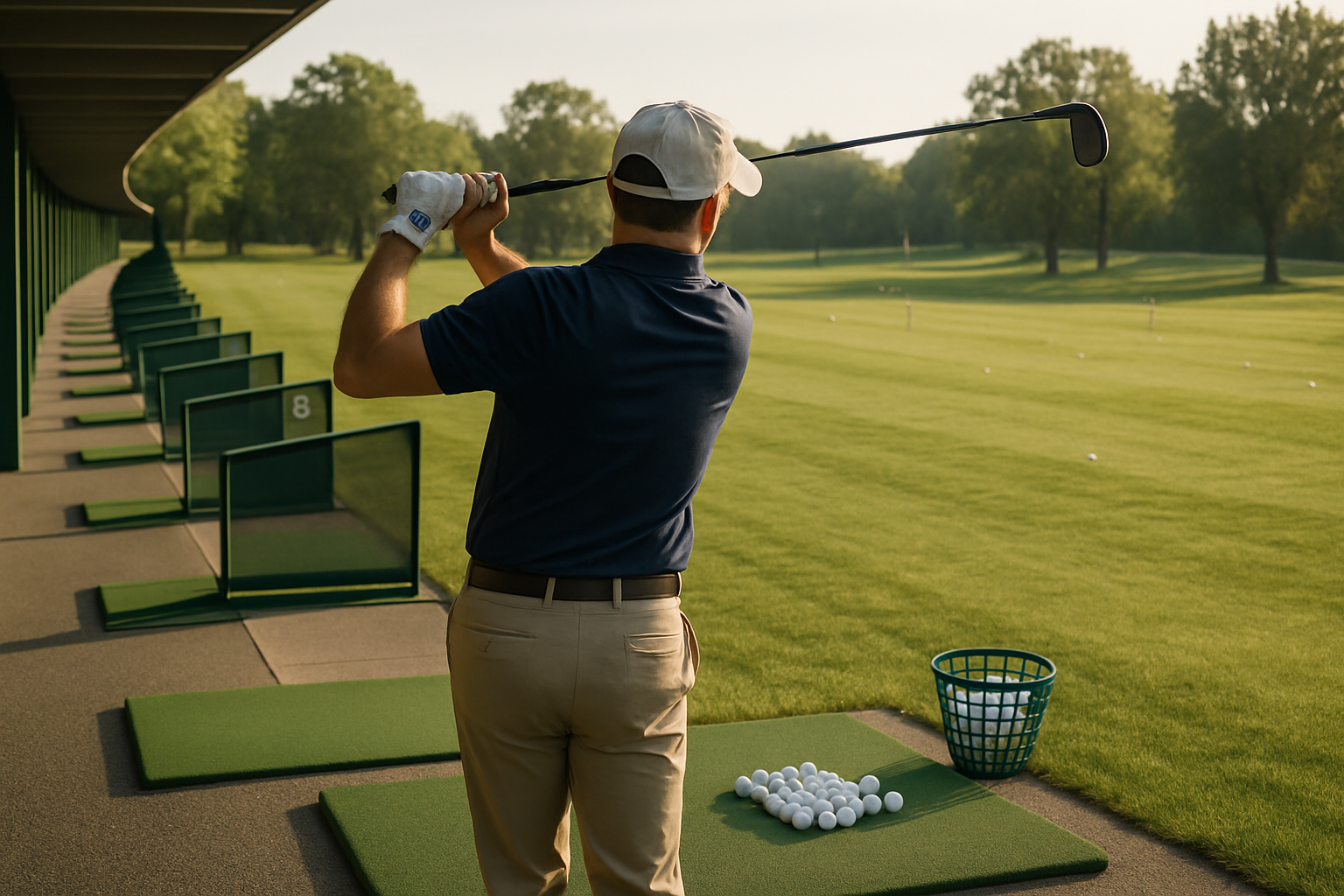
Swing work becomes more meaningful when golfers test it in different settings. Practice modes support range work, approach shots, and putting. Gameplay and competition modes add course decisions, scoring pressure, and changing shot demands.
With more than 240 virtual courses available, players will see whether a swing adjustment holds up across different holes and lies. Improvement should extend beyond a single perfect range shot.
Build a Sharper Game Year-Round
Swing analysis technology sharpens a golf game by making movement easier to see, understand, and improve. It provides players with immediate feedback, supports focused practice, and connects indoor training with outdoor performance.
For Pittsburgh golfers ready to replace guesswork with a clearer plan, we offer the technology, realistic conditions, and coaching support needed to make every practice session count.