Almost every team has sat through a training day that felt productive and changed nothing. People nod along, take notes, and slide back into old habits by midweek. I've run group training for companies and nonprofits for years, and one lesson keeps repeating: off-the-shelf training seldom produces lasting improvement. Communication skills can sharpen fast, but only when the workshop is built around the specific people in the room.
Before you book a group session, whether with me or anyone else, run it against the checklist below.
Before Anyone Walks In
The team has been assessed. I begin with one-on-one conversations, group surveys, and time spent observing daily interactions. I'm looking for communication breakdowns and mismatched goals before designing a single exercise. Two departments may each believe the other is the problem, and the assessment usually shows both are working from different assumptions about the same goal.
Targets are written down ahead of time. Decide what success looks like before the first session starts. If nobody can describe the change you're after, you won't recognize it when it shows up.
The format matches the goal. Interactive workshops, small-group leadership training, and adventure-based learning each serve a different purpose, and group size should depend on what you're trying to accomplish.
Inside the Session
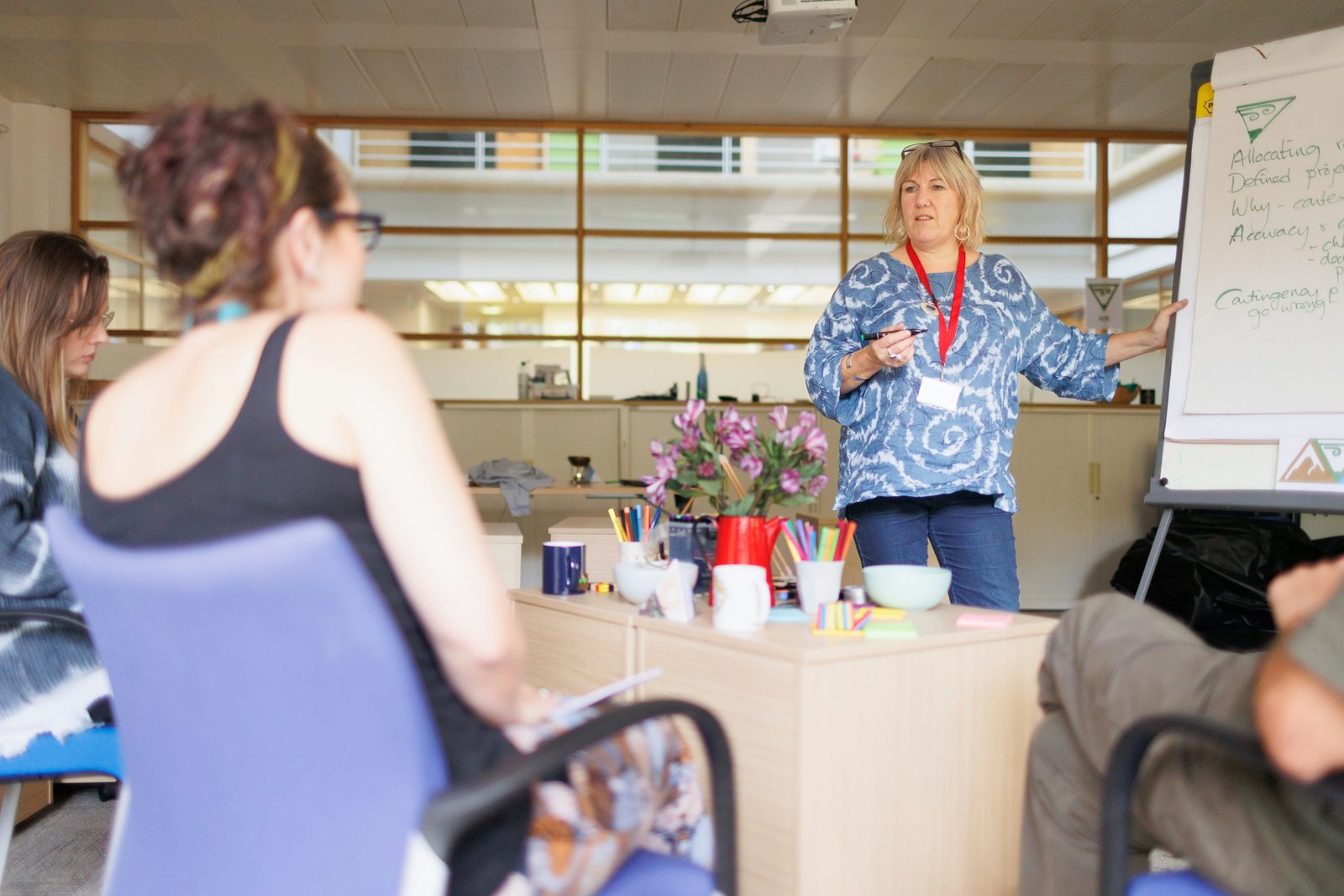
People practice more than they listen. My sessions are meant to be practiced, not passively watched. Participants rehearse active listening, giving feedback, and working through disagreements using situations from their own jobs.
A supervisor might practice the conversation she has been dreading with a long-time employee, then hear from peers how it landed. Rehearsing in a safe room makes the real version far less intimidating.
Behavioral styles get named. DISC communication training gives a group a shared vocabulary for how each person prefers to talk and decide. I cover it in depth in separate workshops, but even a short introduction helps teammates stop taking each other's style personally.
Related skills come along for the ride. Communication rarely improves in isolation. Depending on the team, sessions may also touch on leadership, priority and time management, selling skills, goal setting and metrics, or accountability structures.
Everyone learns it together. Training the whole team at once helps new practices spread faster, and teammates start holding one another to the shared standard without waiting for a manager to step in. New hires also absorb the language faster when the people training them already use it every day.
After the Room Empties
Progress gets measured. I track changes in decision-making, cross-functional cooperation, productivity, turnover, and financial performance, and I use 360-degree feedback to capture what the numbers miss.
Someone keeps coaching. A workshop starts the change, while follow-up coaching keeps it alive once the regular workload returns. Busy weeks are when old habits creep back, so a check-in during those weeks matters more than any slide deck shown on training day.
Bringing It Home to Tempe
If your group keeps talking past each other, send me a note describing your team's size and the one communication habit you'd most like to change. I'm Danny Creed, Certified Master Coach, and I'll come back to you with a few ideas for a workshop built around your people.