Over the years, I’ve sat in a lot of conference rooms where the strategy was sound, the people were capable, and the work still stalled. When I trace those stalls back, they almost always start with a conversation nobody had, one handled badly, or one ending without anyone owning the next step. These are a few notes from that work.
Note 1: Problems usually hide in the work, not the paperwork
Founders often credit failure to wrong hires or a broken roadmap. Salespeople fail to sell the vision, and leaders push off difficult discussions about results. At the same time, sloppy managers waste everyone's time with meetings that lack an agenda or real accountability. Financial leaks hurt. Worse, your strongest employees leave when you ignore these problems.
The companies compounding wins year after year are the ones where people talk clearly, listen deliberately, and close every conversation with a next step. Everything here grows with effort.
Note 2: Spot where the conversation breaks down before offering advice
I skip the cookie-cutter lesson plans. We start by diagnosing where communication breaks down, whether it's inside the company, with customers, or with partners. Sometimes the problem sits between two departments. Sometimes it sits between two owners.
The diagnosis also tells us which kind of communication training a team needs. Connecting with new faces is tough for some. They often fail to turn a quick handshake into a solid partnership. Some people want to sharpen their slide decks and speeches. Others ask for help fixing strained office ties, calming stage fright, or spotting the best talent during job interviews. Different projects require different skills, and shifting that balance changes your whole approach.
Note 3: Master your own habits before directing a team
My Communication Mastery program trains people to understand, adapt to, and then manage any relationship, personal or professional. It starts with each participant pegging their own personality profile. DISC training is how we teach behavioral styles, and it gives a team a common vocabulary for why the fast-talking salesperson and the careful operations lead keep frustrating each other. Once people can name the difference, they stop taking it personally and start adjusting.
Note 4: Role-play the upcoming meeting
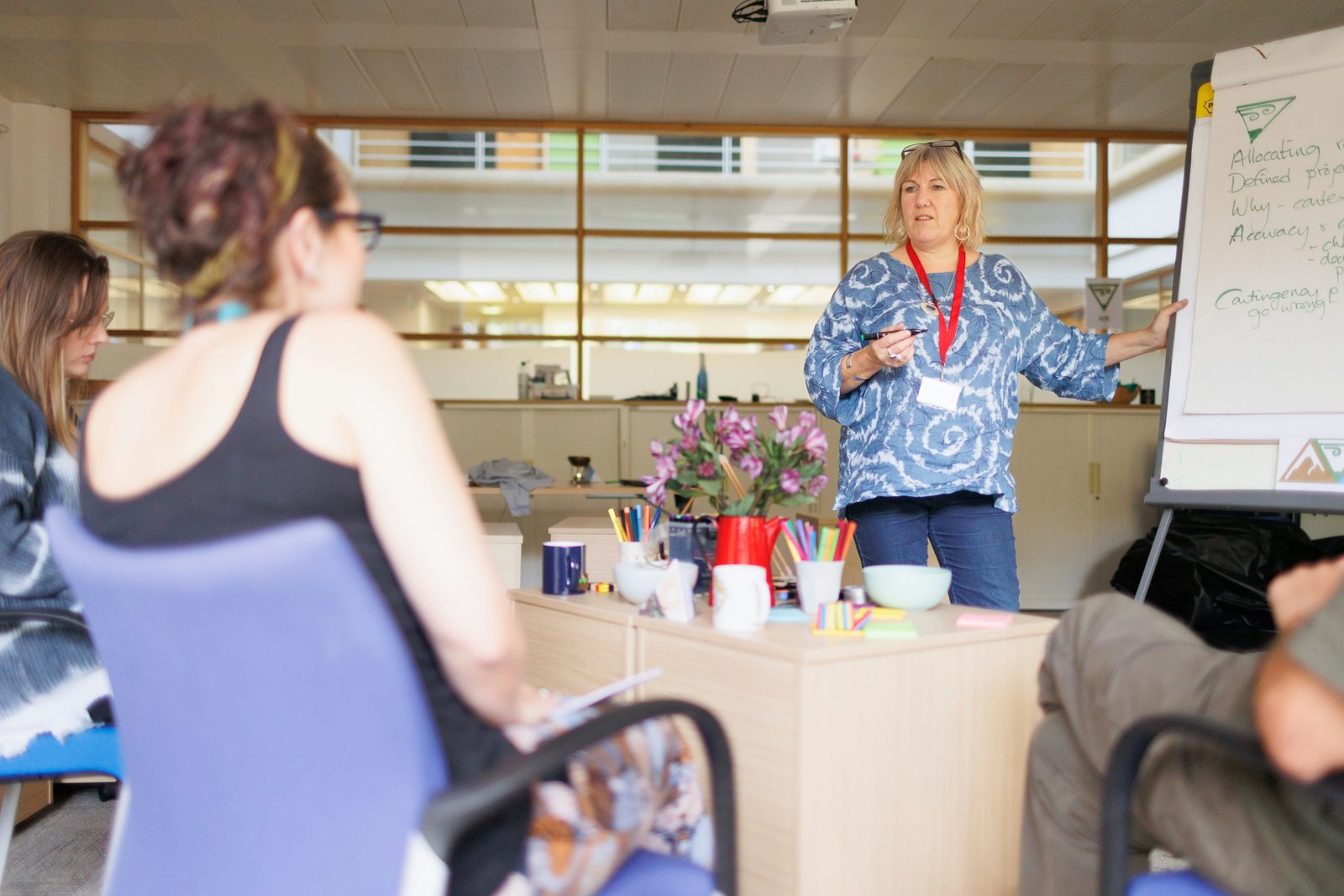
Standard theory rarely stays with us. In sessions, we rehearse actual client calls, performance discussions, negotiations, and pitches pulled from the participants' own week. Listening, non-verbal communication, straight talking, emotion control, and stress management get practiced in the context where they'll be needed.
Note 5: Track communication like any other skill
If communication matters, it belongs on a scoreboard. Clients track one-on-ones held, how quickly conflicts get addressed, follow-through on commitments made in meetings, and team sentiment from short surveys. Solid metrics bridge the gap between simple hopes and lasting growth.
Teams also need to know what they're aiming for. A good communicator listens well and delivers a concise message with impact. Confidence, friendliness, observation, appreciation, and politeness all help, but listening comes first, and it's the skill most teams practice least.
A pair of squads, both flipping the script
This family-run shop hit a wall and reached out for help. Constant infighting between family members had created a hostile work environment with almost no internal communication, teamwork, or leadership, and sales, productivity, and retention were all suffering. We sat the owners down and had them agree on an organizational chart with clear lines of communication. Then we put out as many fires as we could and built a program of improved communication, trust, and pride, starting with the family and extending to every employee. Success felt far off. One of the family managers chose to leave the firm. Slowly, the negativity stopped. Sales grew, pride in the company returned, and its reputation was saved.
Who gets the most value
Learning how to talk to people helps everyone, not just the folks closing deals. I've delivered it to managers, executives, founders, and leadership teams in real estate, financial planning, insurance, construction, healthcare, landscaping, retail, and digital production.
I'm Danny Creed, Certified Master Business Coach and seven-time winner of the Brian Tracy Award for Sales Excellence. If your Phoenix, AZ team keeps solving the same problem in separate rooms, call me and describe the last meeting that went sideways. Everything begins with the experiences you share today.