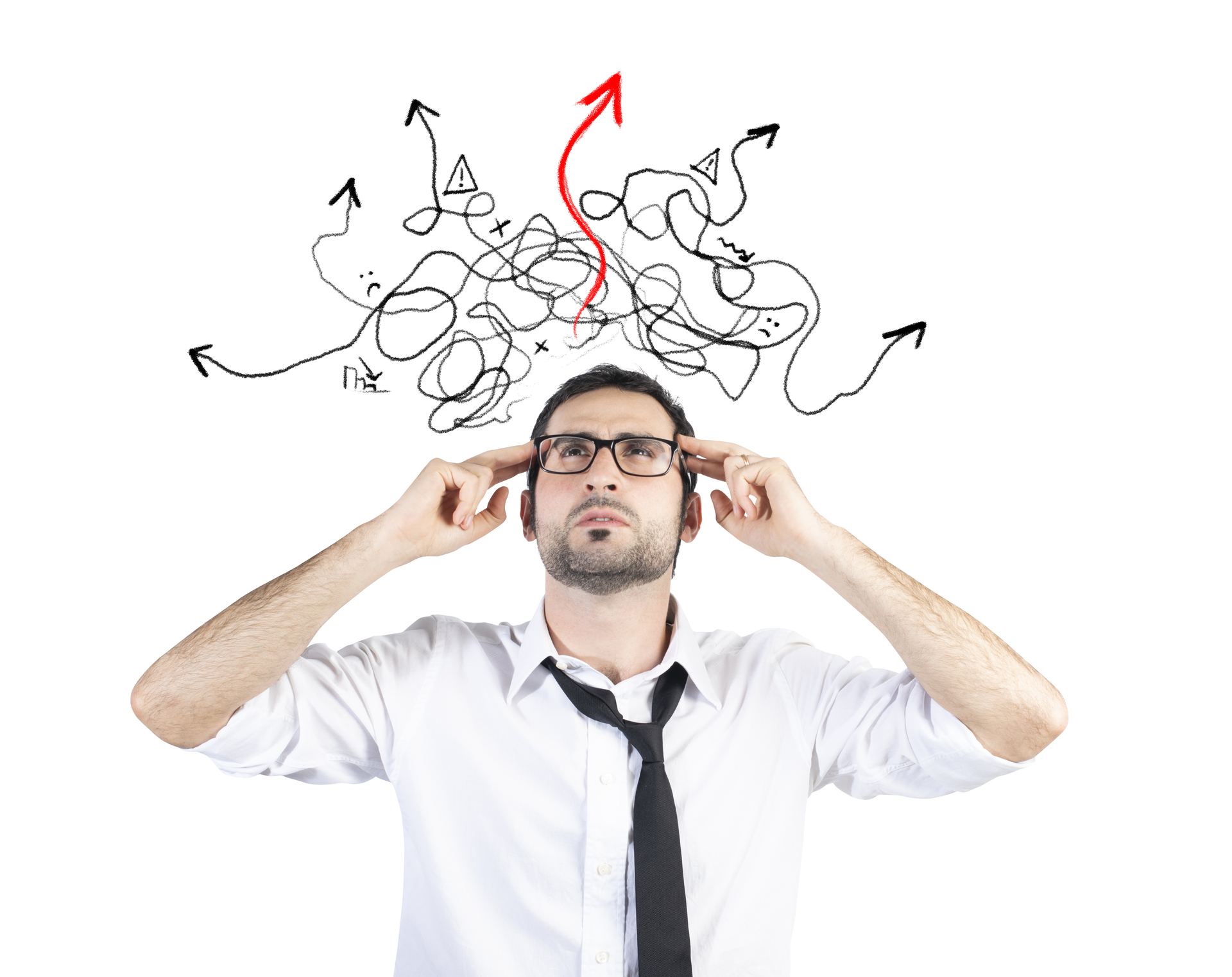
Customers feel it first, then think. They pick up on a company’s vibe, asking if it seems reliable, uniform, and truly human. You can tweak the logo and choose shades later, but the core concept comes before both. What matters first is the feeling people get the moment they encounter you.
Owners of small businesses tend to see branding as merely advertising. I teach them that branding is a habit shaping perception over time, personal behavior insight. Your brand is the story people tell themselves about who you are and what it’s like to work with you. Long before the average owner catches on, the plot is already forming in the background.
Below are the three psychological levers I coach entrepreneurs to master.
1. Familiarity: People Trust What They Recognize
There’s a reason the same coffee shop line attracts the same customers day after day—it feels familiar. Recognizable sequences act like shortcuts for the brain, trimming the fog of uncertainty.
Small business owners unintentionally sabotage themselves by presenting a new voice, a new message, or a new tone every time they communicate. I spot clever bits, but the shifting tone sows doubt.
Everyday tricks for learning something new:
- Speak with a consistent tone whether you’re writing an email, posting online, or talking face‑to‑face.
- Echo the main lines that hold your sense of self.
- Focus your communication on the promise you’ve already given.
- Familiarity doesn’t make your brand boring. It makes it trusted.
2. Meaning: A Brand Must Stand for Something People Can Feel
Every successful brand creates emotional shortcuts. Customers don’t evaluate features. They respond to meaning.
A landscaper’s job goes beyond cutting grass; it shapes outdoor spaces. They’re selling pride, calm, and the relief of a beautiful home without weekend chores.
A financial planner won’t hand you a stack of spreadsheets. They’re selling confidence and uninterrupted sleep.
When a small business names the emotion it provides, customers remember the business long after they’ve forgotten the price.
Questions I ask clients during branding sessions:
- When you partner with someone, which mood tends to lift?
- What frustration disappears?
- What does your shopper truly need? Feel it within yourself. At the end of the experience?
Meaning is the invisible magnet that turns casual interest into loyalty.
3. Identity: People Choose Brands To Reinforce Who They Want to Become
Shoppers tend to favor businesses whose ideas line up with their own hopes and perspectives.
This is the psychology most small business owners overlook: people buy from you because doing so feels consistent with who they believe themselves to be.
A brand gains strength when it mirrors the way customers see themselves.
Here’s an illustration:
- If you view yourself as disciplined, a boutique fitness studio can feel like a perfect fit.
- If you aim to manage your health with intention, a premium spa is a natural draw.
- Consulting’s pull tends to catch the attention of those who proudly call themselves strategic thinkers
- Identity-based branding asks: Who is my customer trying to become, and how do I help them step into that identity?
This shifts branding from decoration to transformation.
Why This Matters Here in Scottsdale, AZ
The companies flourishing in this space know the mind behind every purchase. They don’t try to outspend competitors; they out-understand them.
I see entrepreneurs in Scottsdale building remarkable companies, and the ones who rise fastest are the ones who ground their brand in emotional truth.