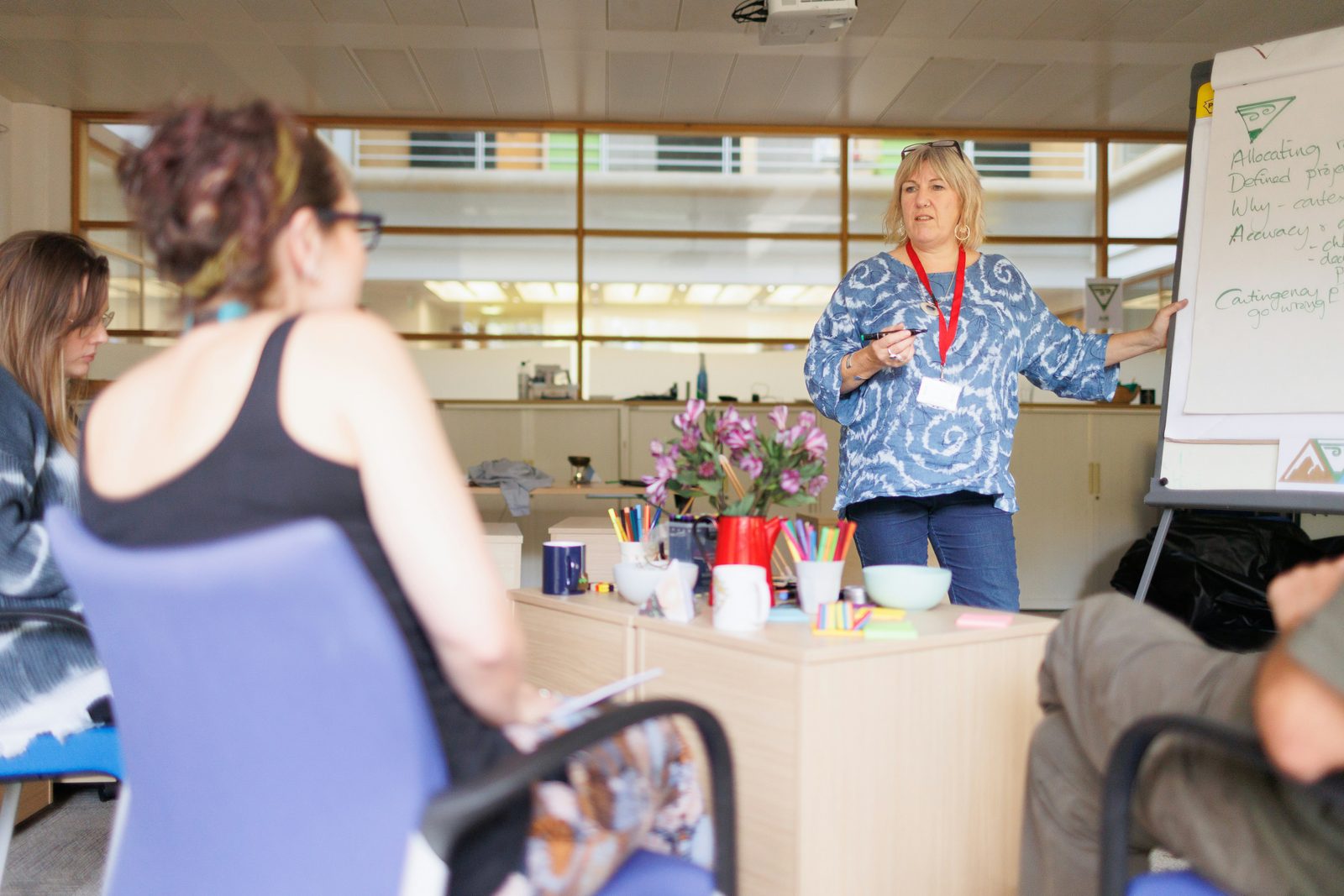
High-performing sales teams don’t leave growth to chance. They operate from a shared language, a clear cadence, and a prospecting system anyone on the team can pick up and run. This is where certification and coaching meet: you’re not just “doing more outreach,” you’re executing a playbook the whole team knows, practices, and improves.
Why certification changes the conversation
When sellers learn a common framework, three things happen quickly: ramp time drops because new hires can mdel winning behaviors; managers coach to the same standards; pipeline reviews become diagnostic beyond just the emotional.
My work starts by choosing one sales model and sticking with it. We've packed in all the key terms, the steps involved, and handy scripts. Everyone can easily learn and teach these. Hello, I'm Danny Creed, your Certified Master Coach. I help sales teams build a rock-solid process they can use again and again to make sales and perform at their best, even during the toughest times.
The prospecting system your team can actually sustain
A prospecting system is more than a tech stack; it’s a rhythm. We design it around four dials you can tune week to week:
- Who: Two ICP slices, max. Write them like personas you could hand to a stranger.
- What: One core problem statement, three proof points, and a short invitation to talk.
- Where: Two channels you’ll master first (for most teams: targeted introductions and short-form outbound).
- When: A weekly cadence of touches respects the buyer and gets you to a live conversation.
Teams win when they remove guesswork. We script first touches, map objections, and decide what “next step” we’ll ask for before the call starts.
Make managers multiplier forces
Great managers don’t just “check the CRM.” They run the practice field. We install three lightweight rituals:
- Monday micro-plans: each seller commits to a small number of named targets and introduction asks.
- Midweek call practice: 20 minutes of role-play on one sticking point (opening, discovery pivot, or de-risking the meeting).
- Friday debrief: wins, losses, and the one adjustment for next week.
Keep it short. Coaching that takes hours won’t survive quarter-end.
Clean up the pipeline, then turn on volume
Volume hides confusion. Before we add more activity, we tighten definitions: what counts as a qualified first meeting, what “commit” means, and how fast a stalled opportunity gets recycled. With shared definitions, your dashboard becomes a map.
Give sellers tools to shorten time-to-meeting
A few simple assets go a long way:
- Conversation openers to earn curiosity without pitching.
- A one-page discovery map so the seller captures pains, stakes, and the first decision to make together.
- Micro-promises at the end of the call: calendar invite sent, prep checklist shared, next agenda agreed.
Prospecting works best when the buyer knows exactly what happens next.
Scoreboards driving behavior (not just reports)
I ask teams to track five signals weekly: targeted introduction asks; first conversations booked; first conversations held; next-step conversions; fresh opportunities created.
Those numbers tell you whether to adjust the message, list, or skill. They also keep recognition honest to celebrate the behaviors producing revenue, not just the end-of-quarter heroics.
Why bring in an outside coach for this?
Internal leaders often know what to do; they’re too close to enforce it. A coach brings objective pressure, a tested process, and the accountability to keep the team on the rails. I’ve spent my career helping “non-selling” professionals become confident, consistent producers using structured sales communication, skills I teach in workshops and apply in the field with managers and reps.
You’ll see fewer “maybe” deals and more predictable first meetings.
Near the end of any engagement, I tailor the cadence to local realities like introductions that travel in your community, events worth showing up for, and timing to fit your market. If your team is in Glendale, AZ, we’ll design for how business actually gets done across Maricopa County.
I’m Danny Creed, Certified Master Coach and a seven-time recipient of the Brian Tracy Award for Sales Excellence. Titles aside, my job is simple: build the prospecting system your team will execute next week. If you want to explore this, send me a short note about your team size and where prospecting breaks down. We’ll start with this and map the next step.