 Any shop owner would want their customers to have a good shopping experience. Between having a well-organized store and having a warm set of staff on duty to provide assistance, there are many things a store owner can do to improve how customers feel about their business.
Ensuring customers can swiftly find their way around your store without confusion is also critical. This can be done by installing wayfinding signs. Our wayfinding sign guide below will help you make sense of this type of sign and understand how important they can be. We’ll also touch on how you can design wayfinding signs for your own shop.
The Purpose of Wayfinding Signs
The primary purpose of wayfinding signs, as their name implies, is to help people find their way around a facility. However, it’s not just about finding one’s way; it’s more about being able to confidently and independently navigate a building without help.
Proper wayfinding signs should not only be able to help the average person find their way around a facility, but should also be able to ensure children, those with disabilities, and people with language barriers can also get around your storefront.
Benefits of Wayfinding Signs for Shop Owners
Having wayfinding signs installed in your store can bring many benefits. For instance, they can:
- Help customers quickly find the right aisle, department, shelf, restroom, dressing room, or exit
- Increase impulse buys
- Reduce the chance of customers walking out without buying anything
- Boost inclusivity and accessibility on your property
- Eliminate staff interruptions
- Improve the safety and overall flow of your store
- Help increase overall customer satisfaction and improve customer retention
Types of Wayfinding Signs
A big decision you’ll have to make when getting custom wayfinding signs made for your store is the type of sign you want.
There are four main types of wayfinding signs:
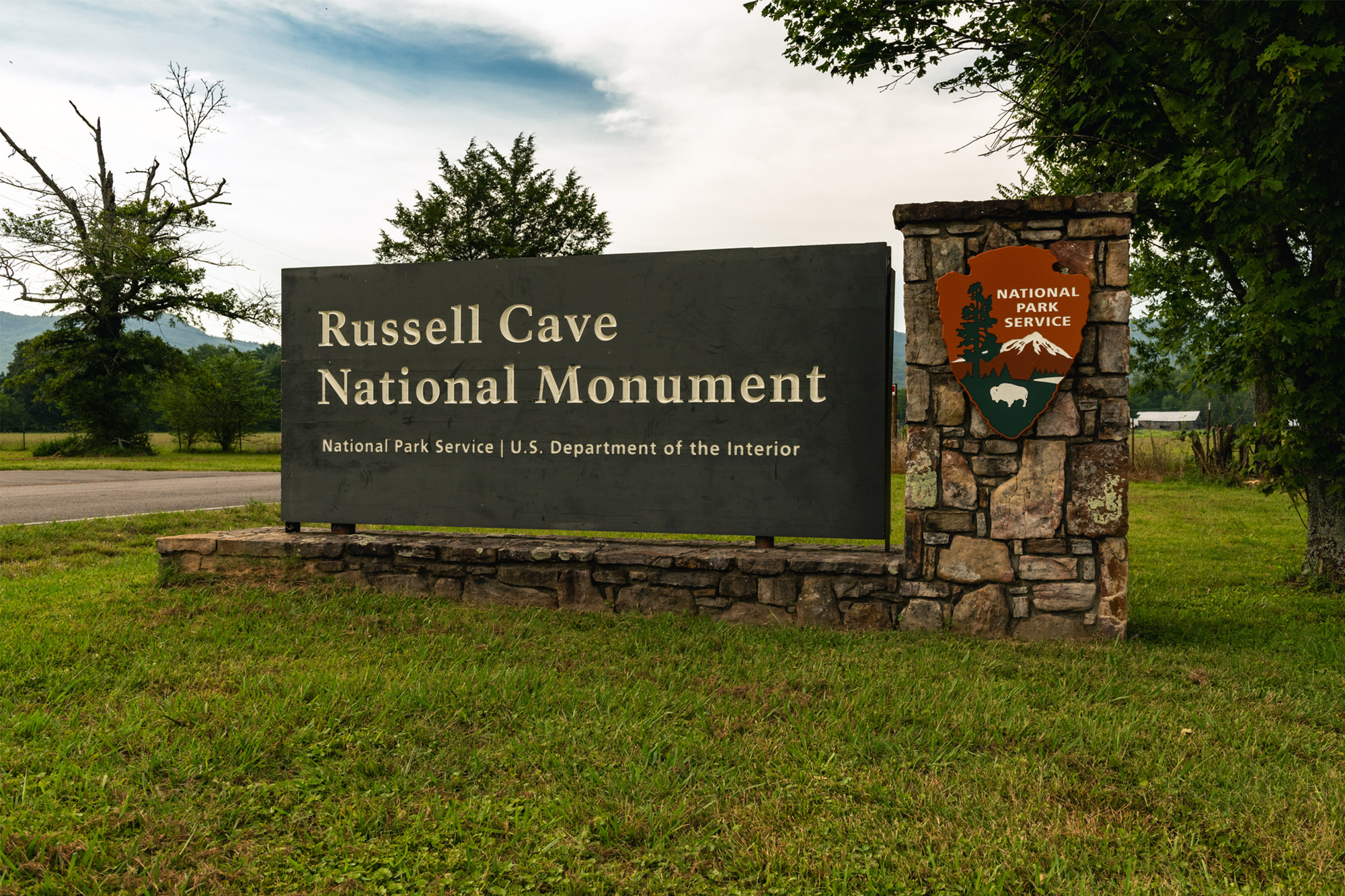
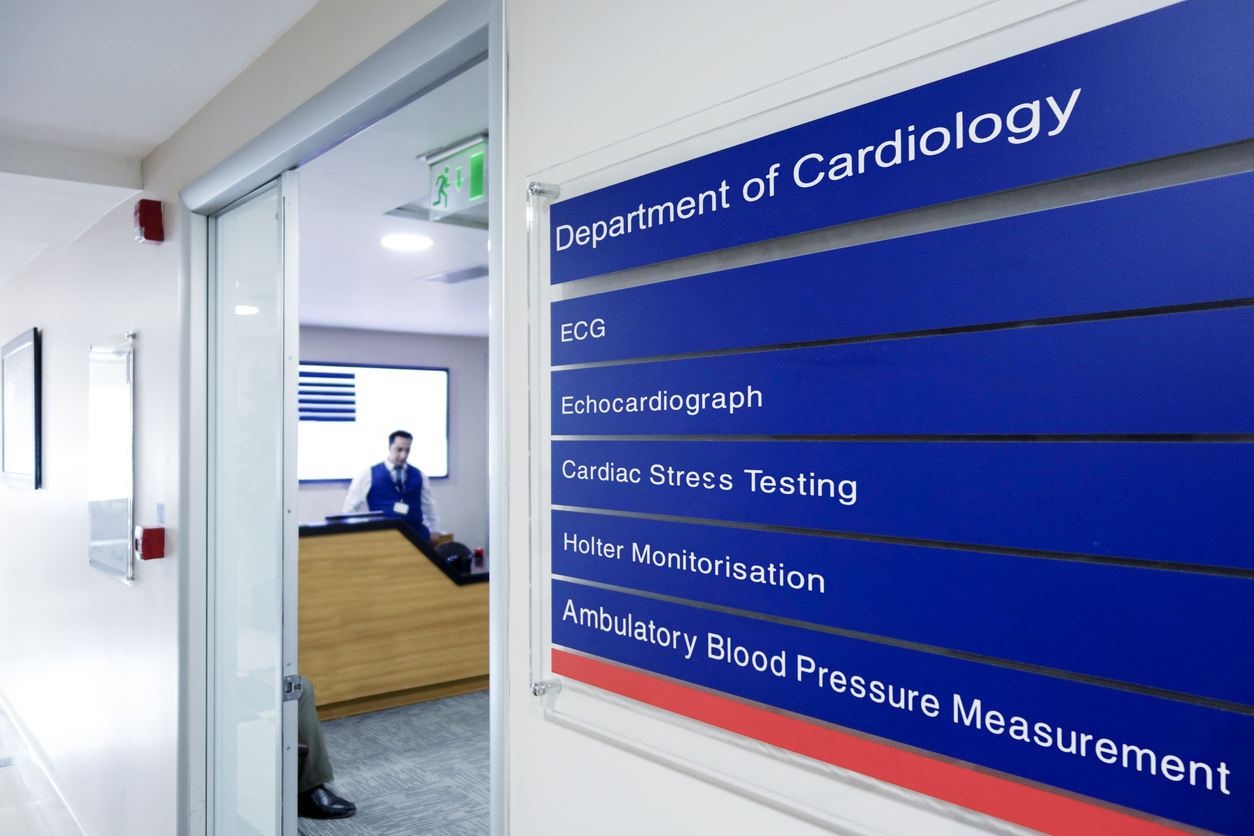
- Identification Signs: Helps name or identify certain rooms or areas of a building (e.g., waiting room, Meeting Room C, reception)
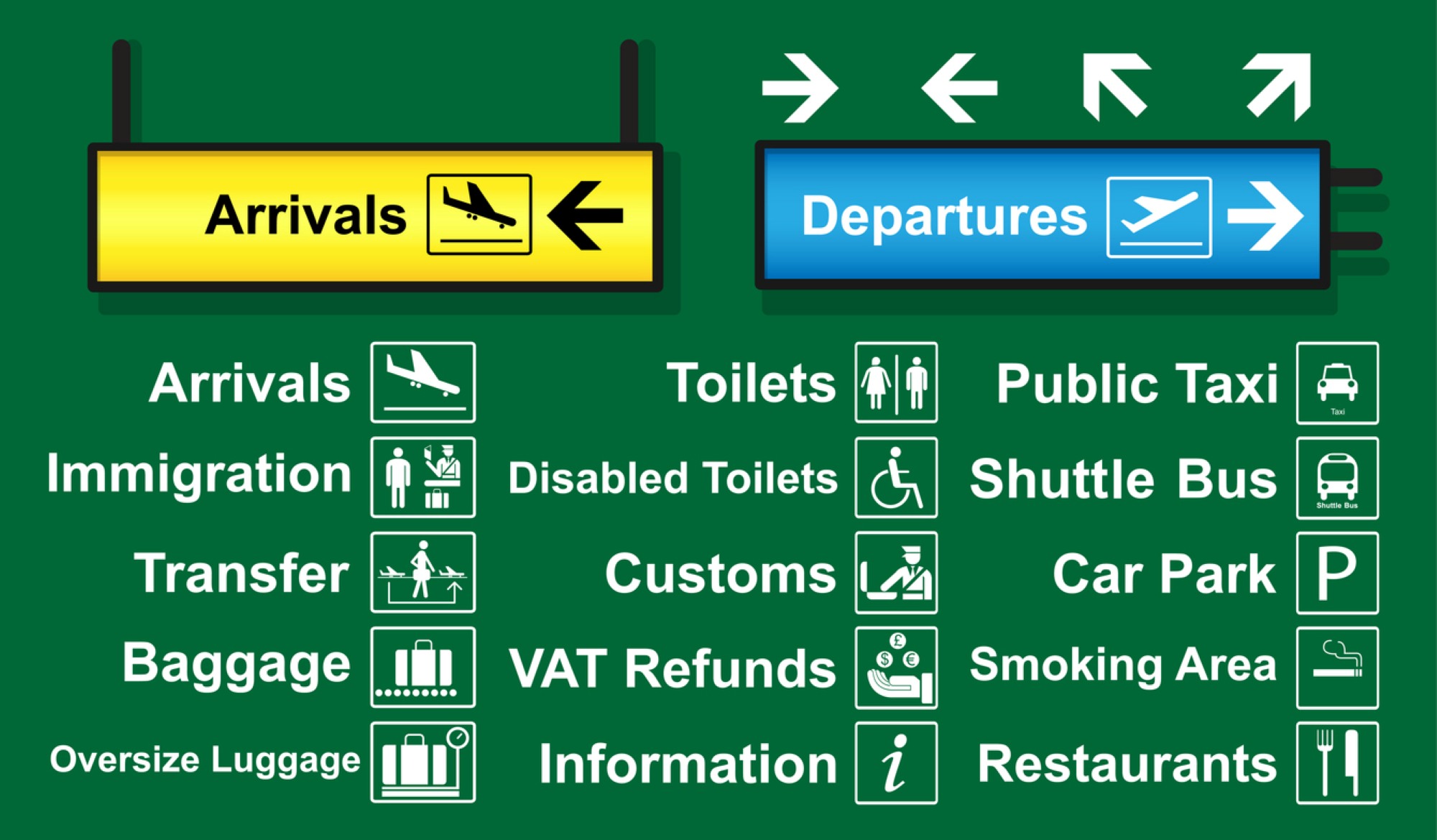
- Directional Signs: Guides customers with text or arrows on where to go next or where they can locate certain rooms, amenities, or facilities in the building
- Regulatory Signs: Required signs providing warnings, explaining rules, or listing vital requirements (e.g., no smoking, authorized personnel only, do not enter)
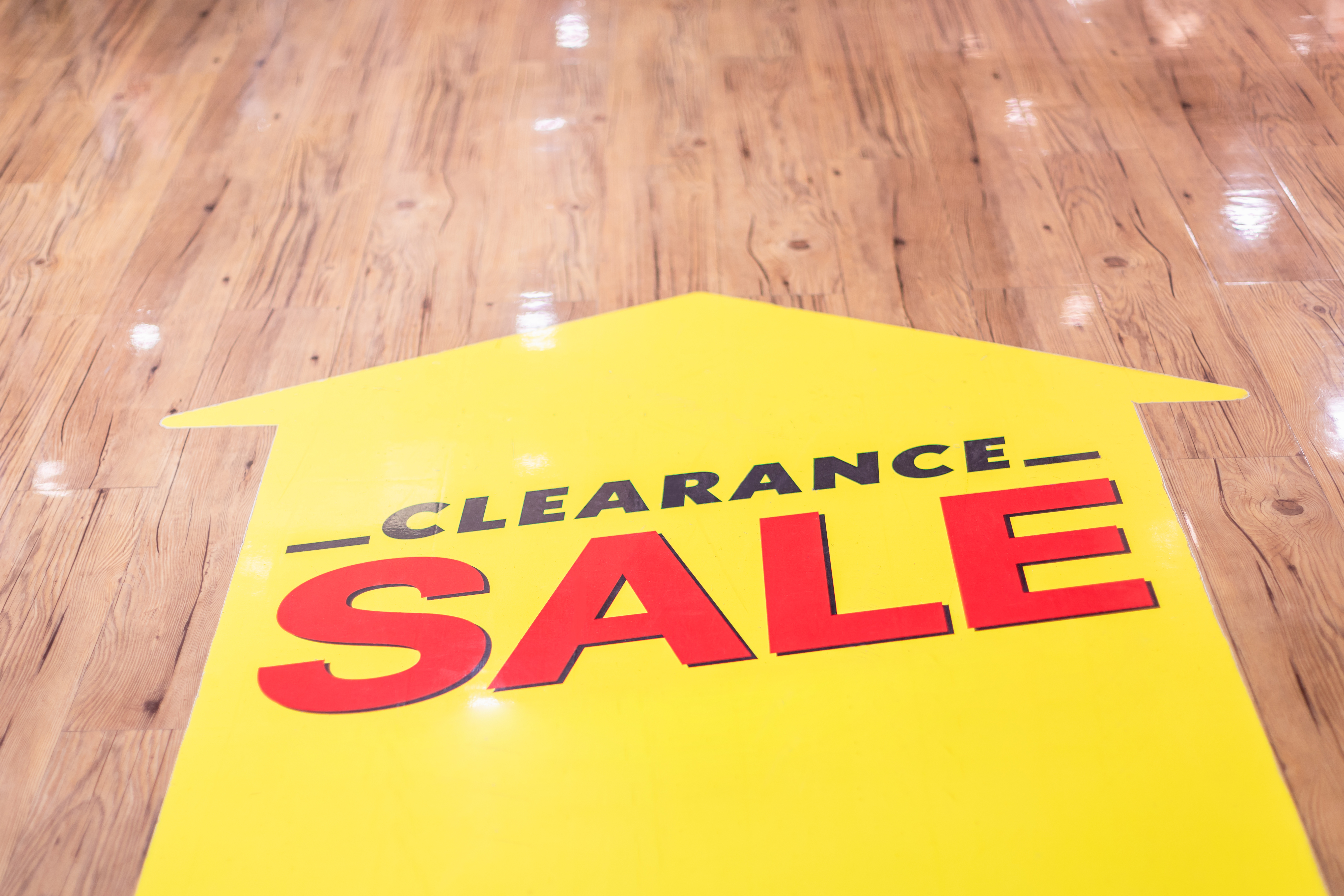
- Informational Signs: Provide useful instructions, rules, or insights to customers (e.g., cash only, hours of operation, all sales final)
How to Design a Wayfinding Sign
Designing a wayfinding sign for your store seems complicated. While it does require a keen eye for detail, marketing knowledge, and solid design skills, don’t worry – you don’t have to do it all alone. A professional sign design company like Allmark Signs would be happy to get the job done for you.
While we’ll create mockups, finalize all the design details, and physically make your sign come to life and have it professionally installed for you, there are some things we need from you. We want to know your branding, your budget, what you want in a design, the type of wayfinding sign and material you prefer, and your specific expectations.
Are you interested in improving the wayfinding around your storefront? Call Allmark Signs today to discuss your dream wayfinding sign.