 A Cranston business owner puts serious thought into the logo, the website, and the interior of the space, and then the sign becomes the one brand element that gets spec’d at the end with whatever’s left over. That’s a problem, because the sign is the largest physical version of the brand that any customer will see. It’s bigger than the business card, louder than the website, and visible from across a parking lot. Allmark Signs & Graphics is located in Pawtucket and fabricates custom signage for Cranston businesses, and we treat the sign as the anchor of the brand’s physical presence, because that’s what it is.
Getting The Color Right Is Harder Than It Looks
Every brand has specific colors, and those colors are defined by Pantone codes embedded in the original logo file. Translating a Pantone code into a physical sign material requires a precise matching process, because the color that looks right on a screen won’t necessarily look right on vinyl, acrylic, or painted aluminum without calibration. When a sign company doesn’t receive the original vector file with the correct Pantone references and matches the color by eye from a JPEG, the result is a sign that’s close but visibly off. That gap between “close” and “exact” is small on a screen and obvious on a building, and customers register the inconsistency even when they can’t name what’s wrong.
What Your Letters Are Made Of Changes How They Feel
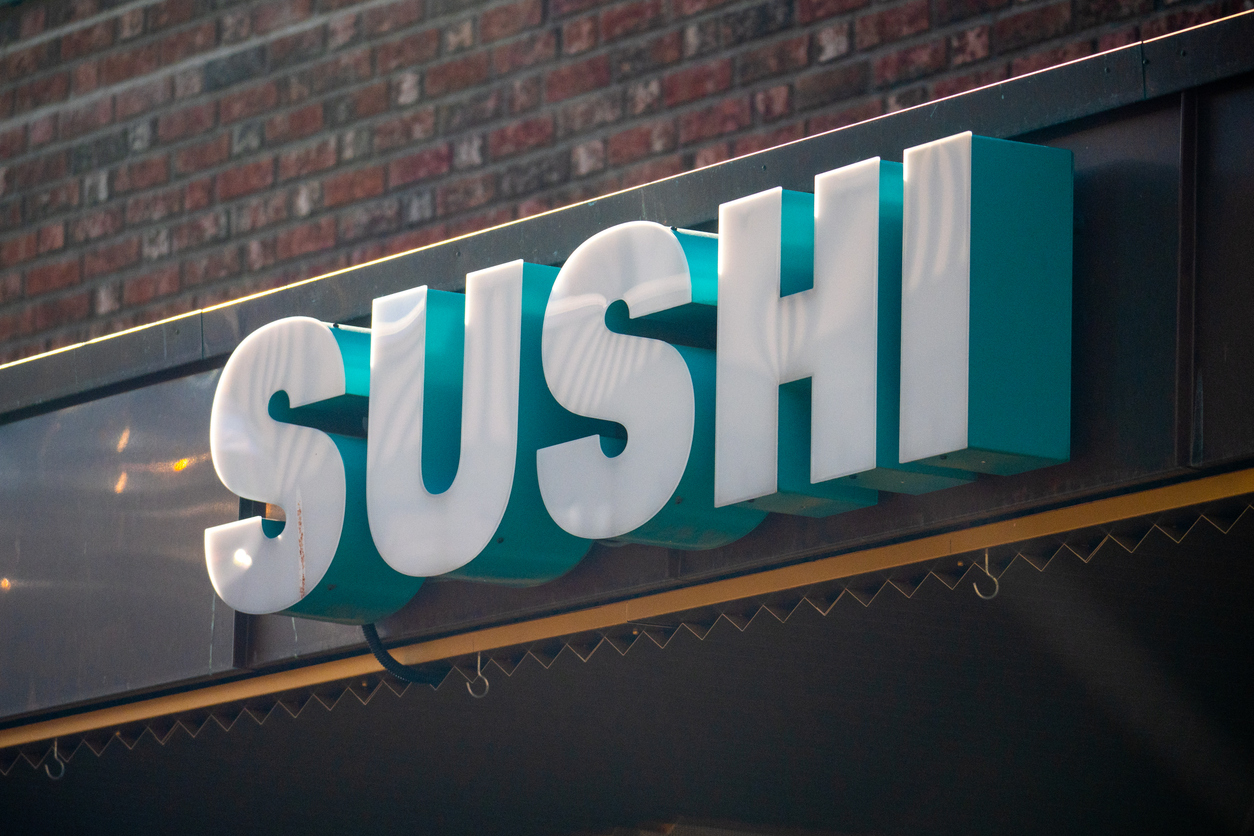
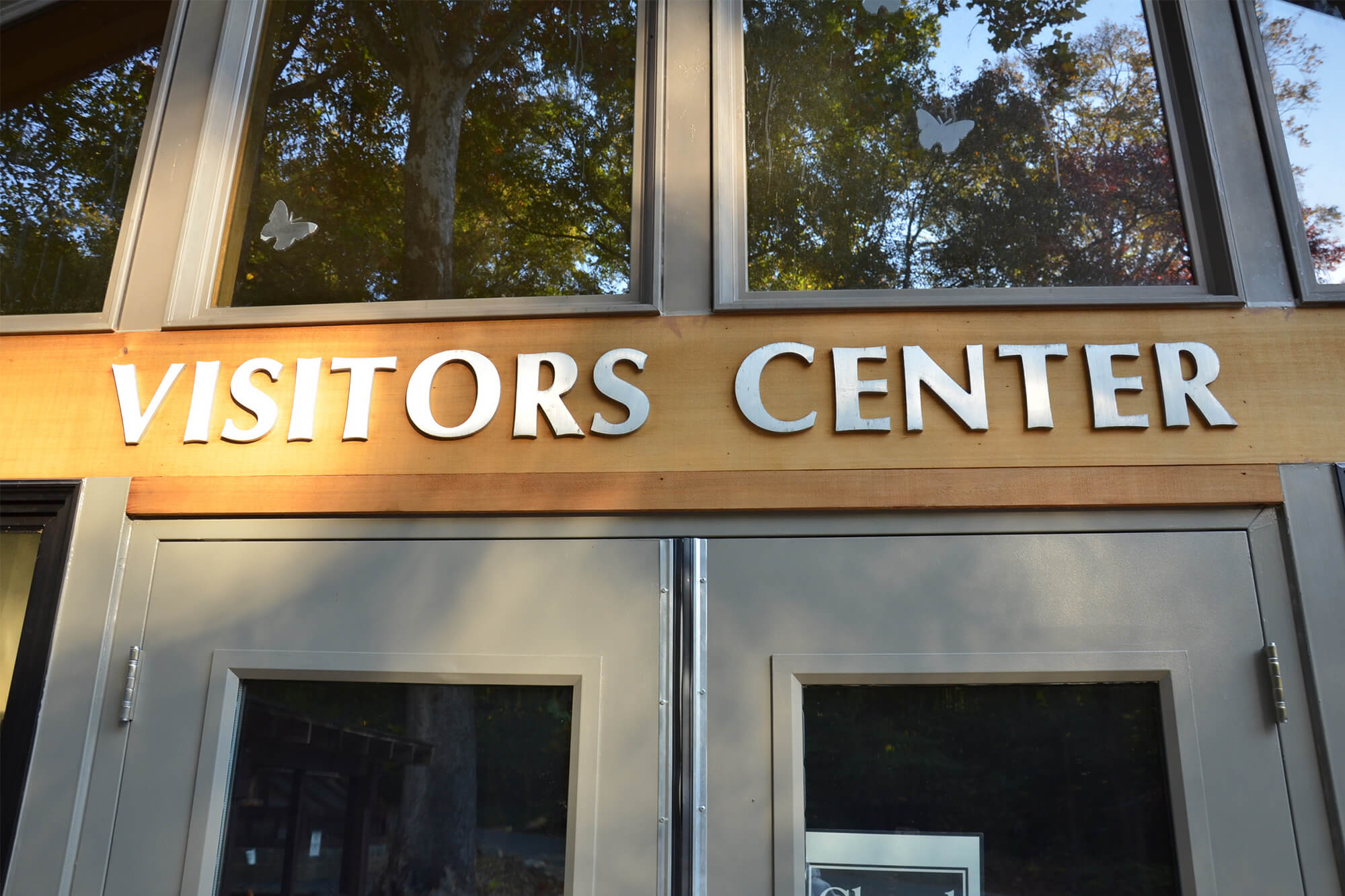
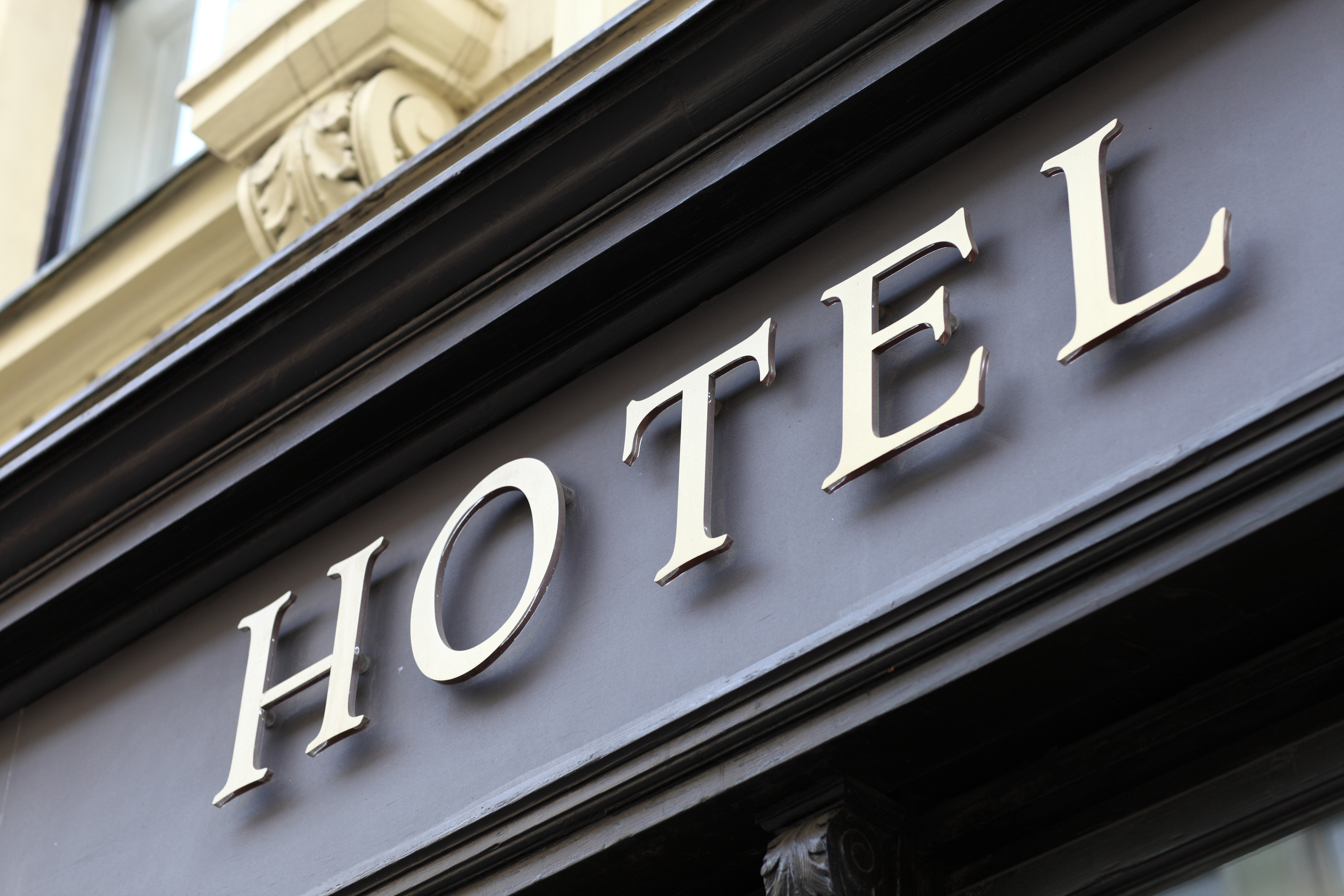
Dimensional letters, the individual letters mounted on a building face, come in three primary materials, and each one creates a different visual effect. Acrylic produces a glossy, polished surface that catches light and reads as clean and contemporary. Aluminum is durable, holds up in weather, and can be finished in brushed metal, painted, or powder-coated, depending on the desired look. PVC is lighter and more cost-effective, making it practical for interior signs or sheltered exterior spots where heavy weather isn’t a factor. The material you choose shows up in how the letters look at different times of day, how they age, and how substantial they feel on the building.
How Letters Get Mounted Changes What Customers See
The distance between a letter and the wall is one of the most overlooked decisions in signage. Stud-mounted letters with standoff spacers sit off the building surface by an inch or more, and that gap lets the letters cast shadows that shift throughout the day, creating a dimensional effect visible from the street. Flush-mounted letters sit flat against the surface for a cleaner, more minimal look, and they work well on modern facades where the design language favors simplicity. The building’s exterior material matters too: stud-mounting on stucco or EIFS (synthetic stucco) requires specific anchoring hardware to avoid cracking the surface, and an experienced fabricator will spec the correct mounting for the wall type before production begins.
One Sign Isn’t A Brand; A System Is
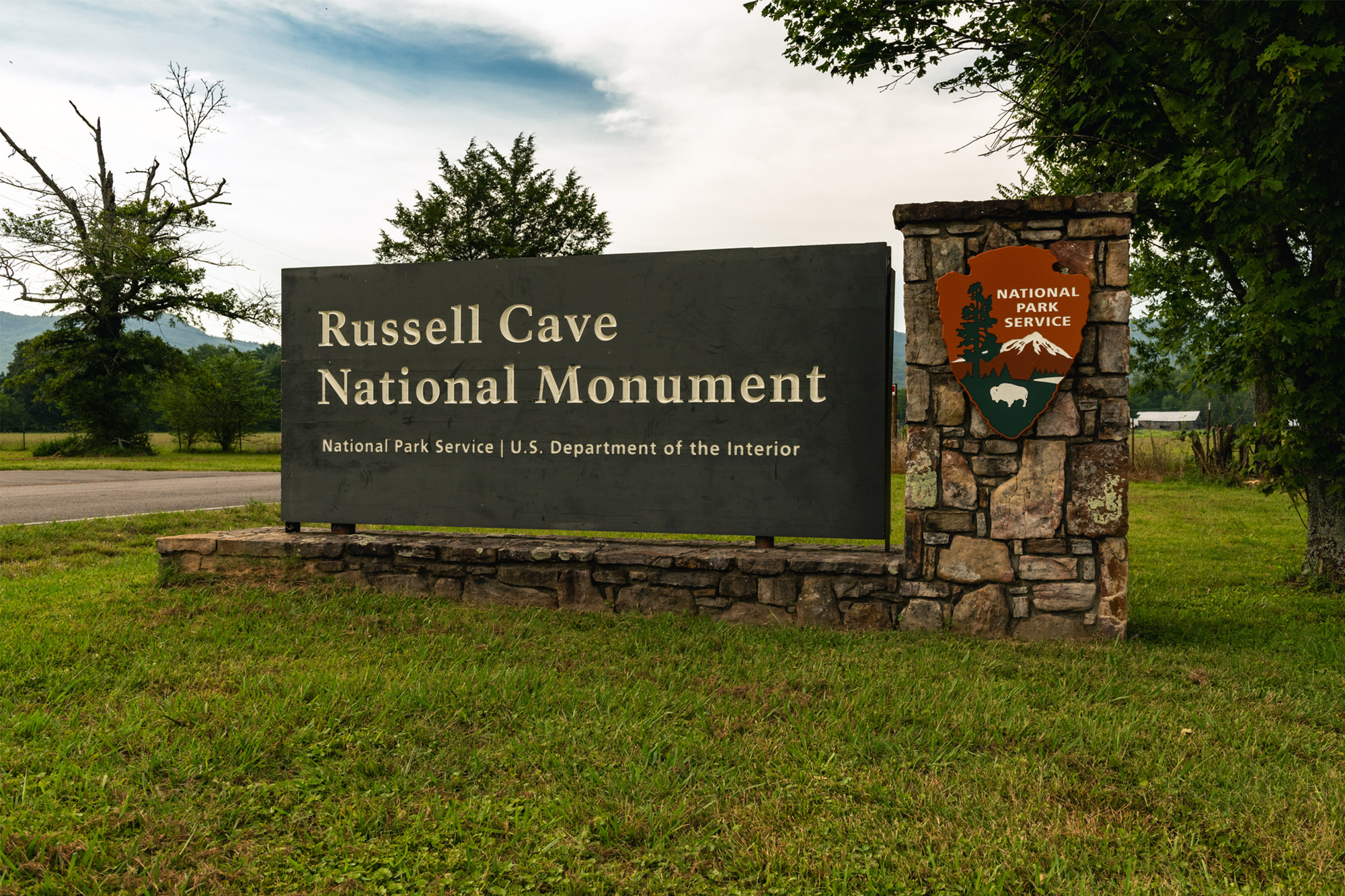
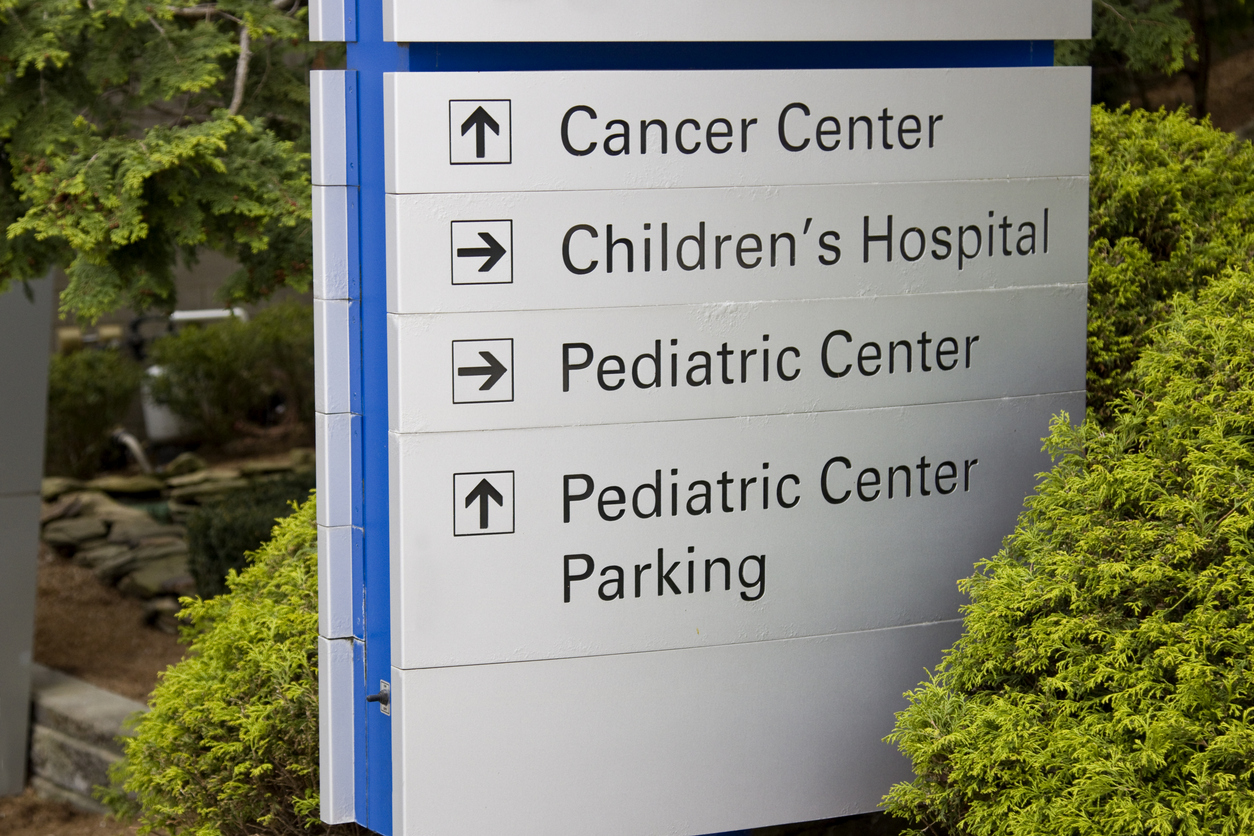
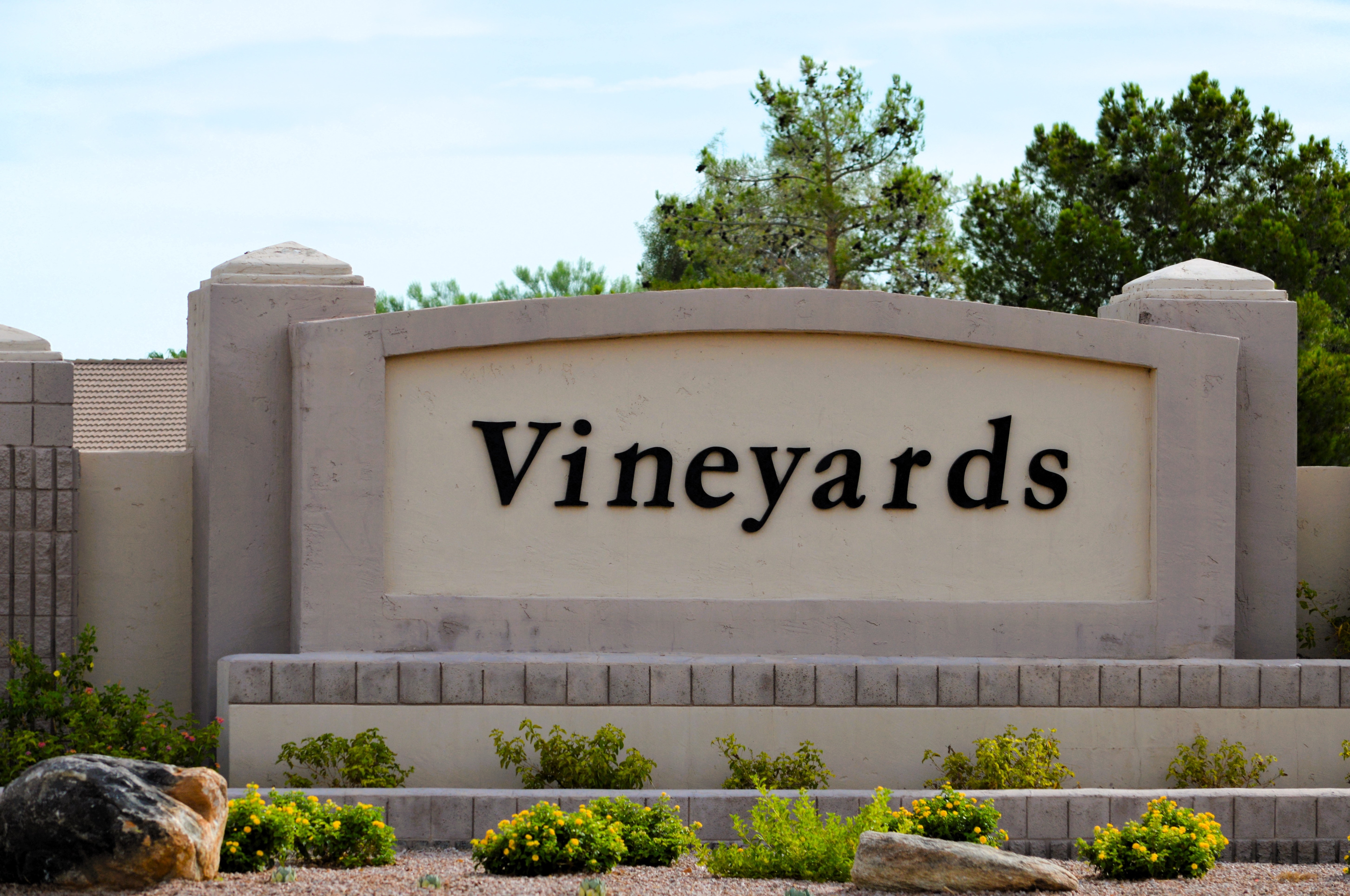
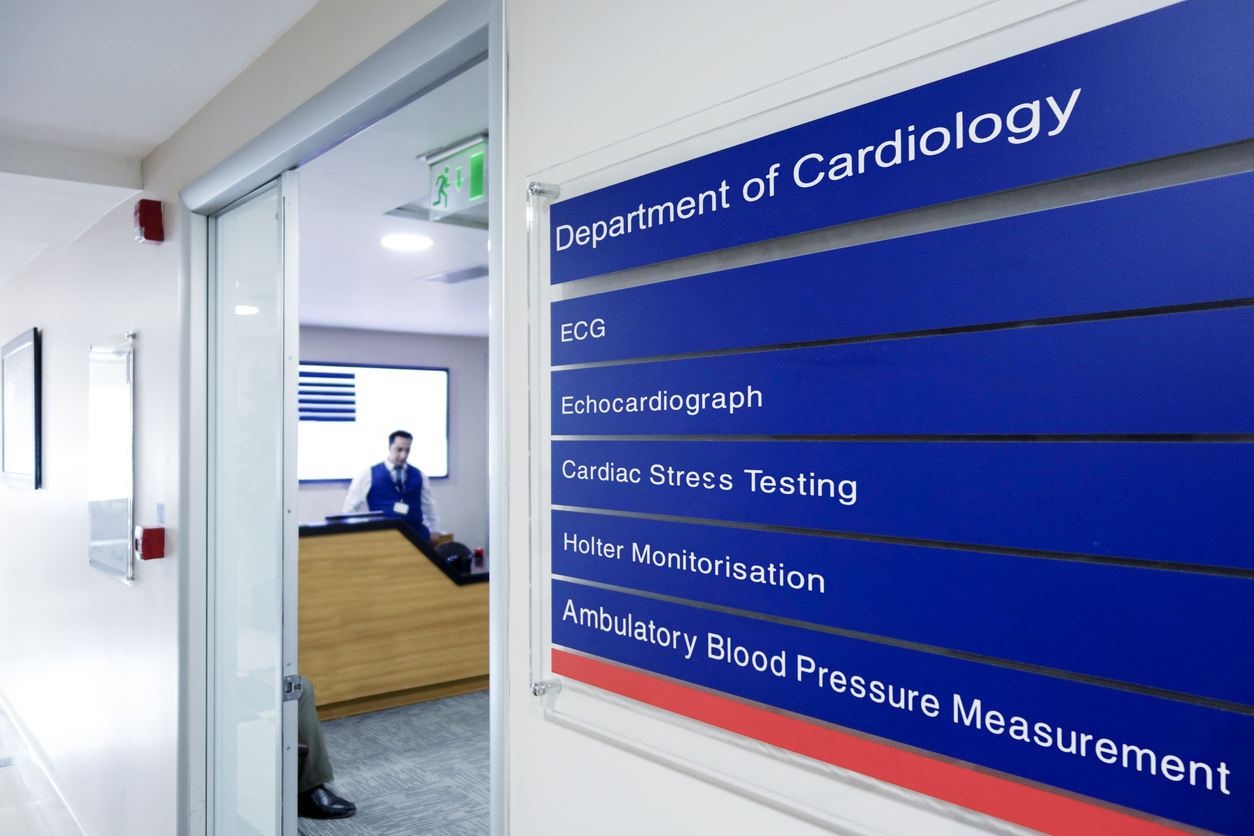
A single sign on the building facade handles identification, but a coordinated sign package handles the brand experience across the property. A monument sign on the road gives the business a street-level presence and catches traffic that can’t see the building-mounted letters from the road. Directional signs in the parking area guide customers to the entrance, the accessible parking spaces, and the correct suite in a multi-tenant building. ADA-compliant interior signs carry the brand into the lobby and hallways. When every sign on the property uses the same Pantone colors, the same typeface, and the same design language, the property reinforces one message: this business pays attention.
Your Brand Files Are The Starting Point
Allmark Signs & Graphics in Pawtucket fabricates coordinated sign packages for Cranston businesses, and we start every project with the brand files, because the logo, the Pantone codes, and the design standards are the blueprint for everything we build. If you’re opening a new location in Cranston, refreshing an existing space, or expanding to a second site, the sign package is the place to start. Call Allmark Signs & Graphics at (401) 232-7080 and bring your brand files; we’ll show you how every color, material, and mounting choice translates from the screen to the building.