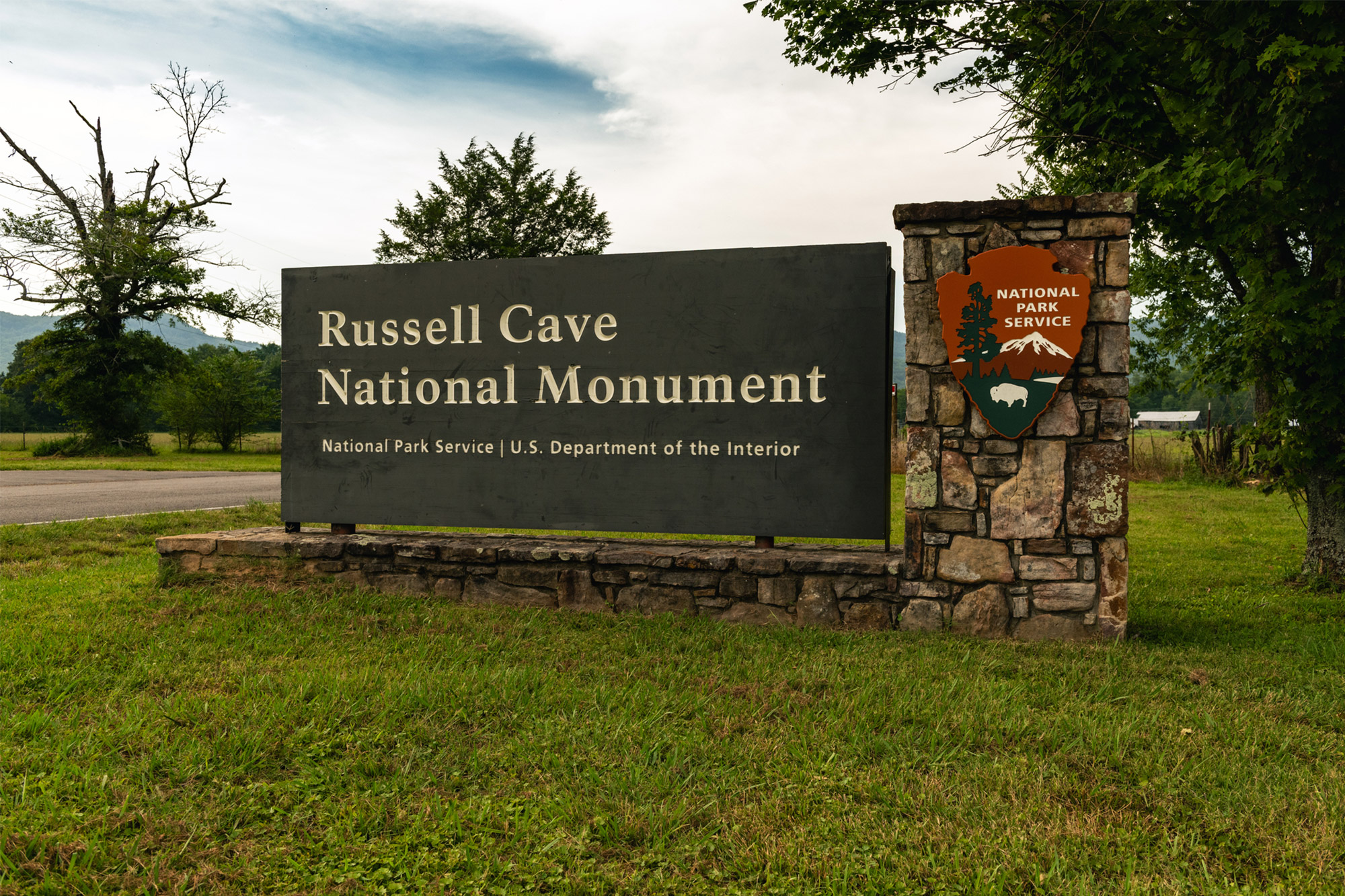
 Most monument signs in Pawtucket fall into two buckets. The ones that read from the road for twenty years and the ones that start leaning by the third winter. The detail that puts your sign in the right bucket gets buried under concrete on install day and never sees daylight again after the pour cures. At Allmark Signs & Graphics, we’ve replaced enough tilted monuments around Pawtucket to know which corners get cut on cheap installs and which corners never should be cut at any price. This article walks through what separates the two outcomes and how we approach each decision when we build a monument cabinet from scratch.
The Footing Carries Everything Above It
Ground in Pawtucket freezes to roughly 42 inches below grade during a hard winter. Concrete poured shallower than that line gets pushed up when the soil freezes and dropped when the soil thaws back out in spring. Repeat that cycle four or five winters in a row and the cabinet sitting on top is no longer plumb to the eye. Every monument footing we pour extends past the frost line, either as a sonotube column or a spread footing tied into native soil. The cabinet above only stays straight when the concrete underneath stays right where it was poured.
Materials Have to Match What the Road Sees
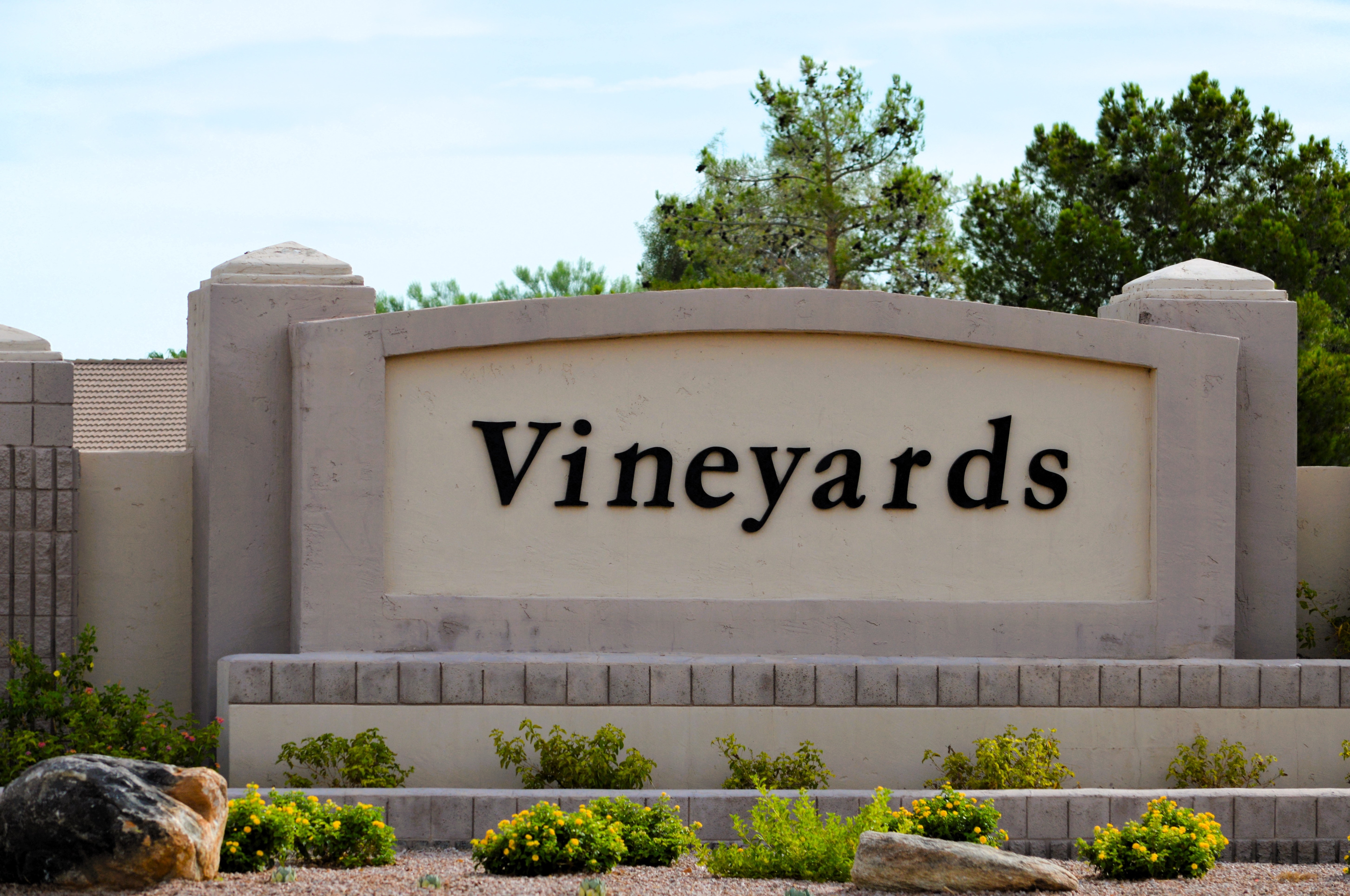
A monument sign weathers differently on every face exposed to the elements. Aluminum cabinets handle decades of Pawtucket weather without rust, fade, or panel warp. Routed high-density urethane letters take paint and hold it through coastal salt air, year after year, where lesser substrates start chalking out by the second season. Masonry bases ground the cabinet visually and keep the sign from looking lightweight on a property with real square footage behind it. We match every material to the building, the lot grade, and the brand identity, so the finished sign reads as part of the property instead of being dropped on top of it.
Sundown Is When Half Your Visibility Gets Decided
A sign that goes dark at 5 P.M. in December cancels half its working hours during the months when foot traffic matters most. Internal LED illumination lights a cabinet face from inside for a clean, balanced glow across the entire night. External gooseneck fixtures handle masonry-faced signs where internal lighting would be the wrong call structurally. We pick LED color temperature to contrast against the surrounding streetlights, because a warm-white sign reads cleanly when the nearby streetlight is cool-white, and the inverse holds true in the other direction. Match a sign to its ambient color and the sign washes out into it. Contrast it and the sign holds the eye every time.
A Multi-Tenant Sign Should Outlast Three Tenant Cycles
Tenant turnover is a fact of life on every multi-tenant property in Pawtucket. A monument cabinet built without a plan for that turnover becomes a refabrication problem the first time a suite changes hands. We engineer modular panel slots into the cabinet on day one, so swapping a tenant means swapping a routed insert instead of replacing the entire sign. Property managers around Pawtucket who specify modularity at the design stage protect the original spend across every lease that follows the first one.
Permits Decide What You Can Build Before You Draw It
Pawtucket zoning rules vary by district when it comes to setback. Height caps and illumination ordinances change district by district as well. The fastest way to lose three weeks on a monument project is to design first and apply for the permit second. Our shop reviews what the address can legally support before any artwork ever starts. Running the right sequence at the start protects the budget across the whole project. The schedule stays honest with everyone involved when we know the code constraints up front. The design holds together too, since nothing has to be redrawn after a permit office kicks it back for revisions.
Walk the Property With Us Before You Sign Any Quote
A site visit costs nothing and surfaces details that no quote written from a phone photo can catch. We measure the exact setback from the road to the proposed sign location. Sightline checks happen from both directions of approach. The grade across the installation location matters too, along with the soil conditions that tell us how deep the footing needs to go. From there, we propose a monument sign that fits the property and holds up for the long haul. Call Allmark Signs & Graphics at (401) 232-7080 and we’ll put a walk on this week’s schedule.