 As a business owner, you may have a lot of questions regarding commercial signage. There are so many different sign options to explore, so by the time you get to the installation, you may find yourself feeling overwhelmed. So many decisions to make, so little time.
To help you explore the sign installation process, we’ll answer some frequent questions to make you more familiar and comfortable with what it entails.
What’s the Ideal Height for Installing Signs?
The ideal height for signs will depend on the type of sign you have.
For instance, directional and informational signs are normally placed at eye level or five feet to ensure easy reading. Meanwhile, ADA regulations must be placed 48 to 60 inches by law, with braille signs at 48 to 54 inches. Overhead signs, on the other hand, are installed at seven feet or higher.
How Do I Determine Where to Install a Sign?
Apart from picking the proper height for your sign, there are other considerations when deciding where to install it.
In most cases. signs should be installed in high-traffic areas with good lighting and no physical obstructions like trees or structures. This ensures the best visibility possible, allowing you to get the most out of your signage.
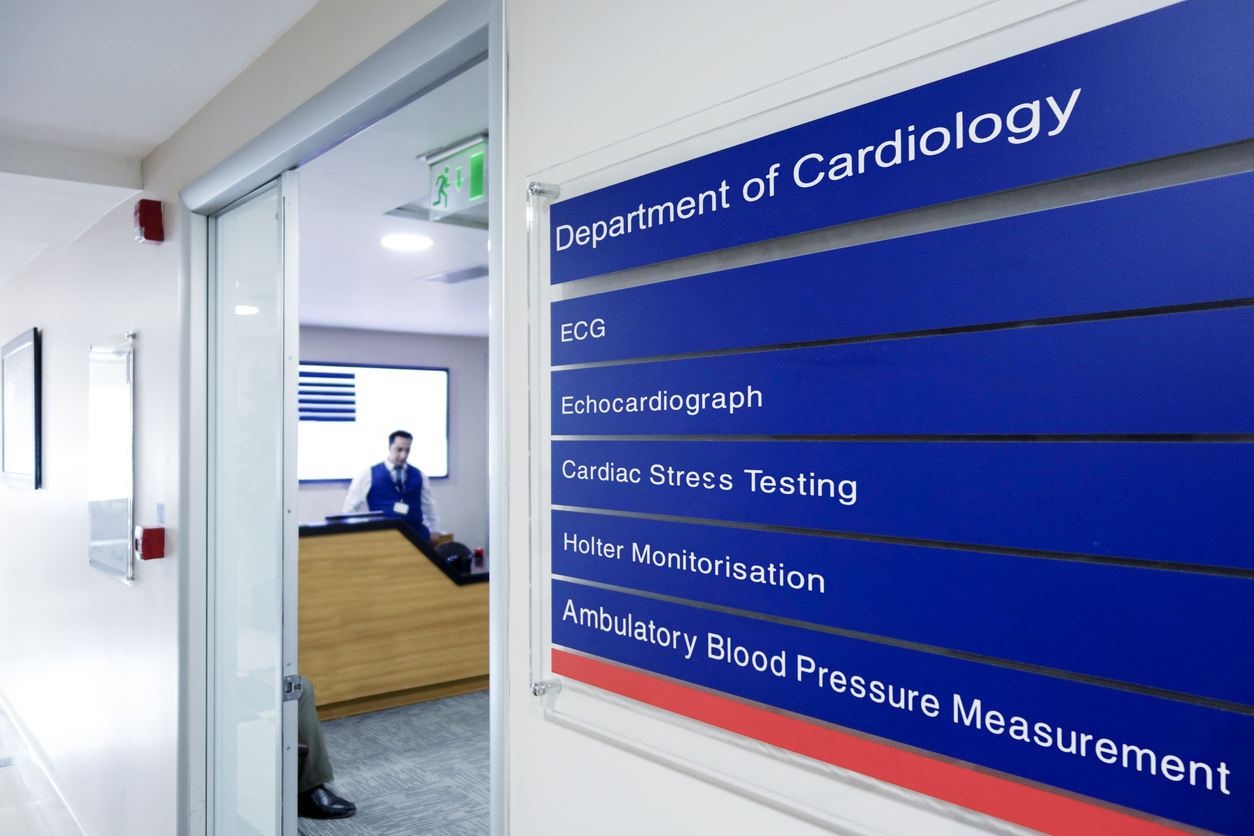
Where you’ll want to install your sign will also depend on the type of sign it is. For instance, directional signs are best installed by entrances, stairways, before a hallway, or in an intersection. On the other hand, informational signs should be placed in easily accessible areas like reception desks, near key service areas, or waiting areas.
Ultimately, the installation location all comes down to the function and intent of your sign.
Are There Any Environmental Considerations for Sign Installation?
Outdoor signs have multiple environmental considerations to keep in mind – but they aren’t without solutions.
To keep your exterior sign safe in the elements – from high temperatures to snow and frost to high UV rays – we recommend going for a certain material considered weather resistant.
Other environmental considerations include the eco-friendliness of the material of your sign, the energy efficiency of your sign if it lights up, maintenance requirements, and the sign’s potential impact on wildlife (i.e., the use of reflective materials on exterior signs).
What if There’s Limited Space for Sign Installation?
Even small or limited spaces can benefit from signage. While sign design and installation can be affected by lack of space, there are many ways around this.
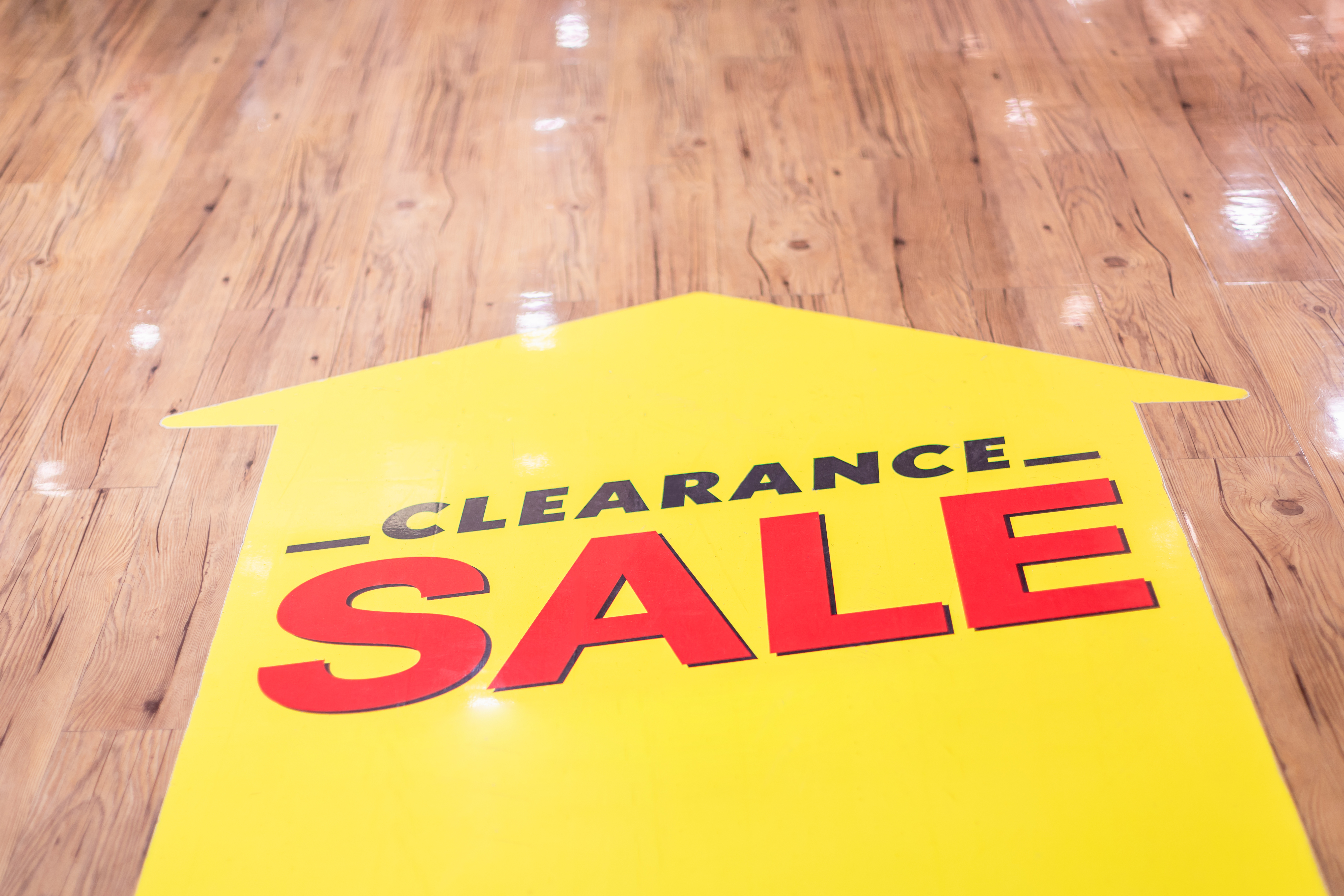
The first solution would be to opt for a smaller sign or go vertical to maximize space. Also consider signs not installed on wall space like ceiling-mounted signs, floor decals, window stickers, and A-frame signs. Digital signage can be another solution if you need to display a lot of different information with limited wall space.
Should I Hire a Professional for Sign Installation?
While lightweight, temporary signs like banners can be easily installed by most people, we strongly recommend professional sign installation for all other types of signs. Whether the sign is permanent, heavy, pole-mounted, LED-enabled, or must be installed on an uneven surface, our sign experts can get the job done.
Do you have a need for interior or exterior sign installation? Whether you already have signs in your possession or still need to have some designed, we can help you out. Call Allmark Signs & Graphics today to learn more about custom sign creation and installation in Warwick, RI.