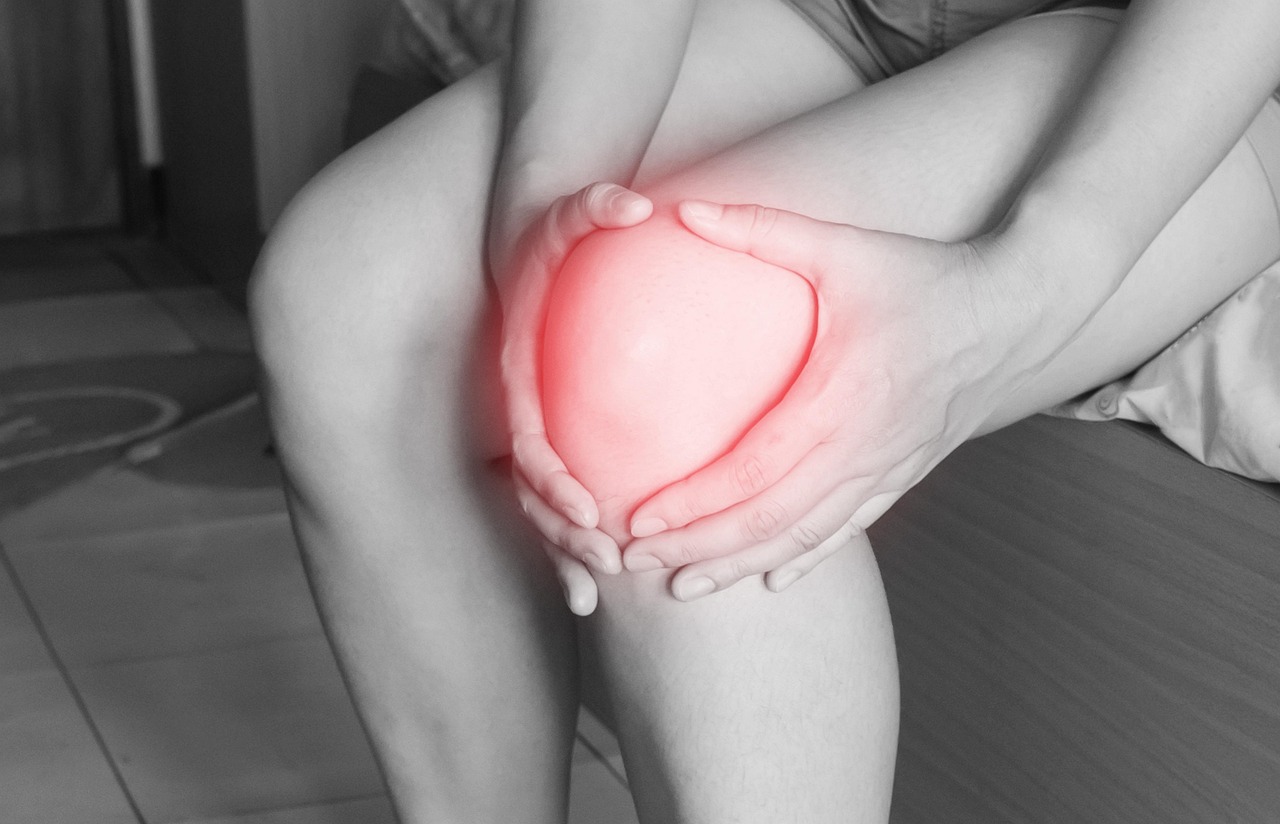
Your knee hurts, so you blame the knee because that's where the pain is. But the knee might not be the troublemaker. A lot of the time, it's the muscle sitting right next to it.
Muscles wrap every joint. They move it, they steady it. And when one of them knots up tight, it starts pulling on the joint. All the time, even when you're just sitting there. The joint gets yanked a little out of line, loaded wrong, and ground down where it shouldn't be. Then it aches, and you call it a joint problem. Dry needling goes after the muscle instead. That's the whole idea, and it's why a muscle treatment can quiet a pain you'd swear was coming from the joint.
How Tight Muscles Turn Into Joint Pain
Think about what a knotted muscle does. It won't fully let go, so it tugs on the joint around the clock. It drags the joint off its normal track, and now the surfaces rub where they were never meant to. On top of that, the knot throws pain inward, into the joint, so the ache feels like it's coming from deep inside. It isn't. It's the muscle beside it doing the talking. Knees do this. So do shoulders. So do hips.
Where the Needle Fits
A thin needle goes right into the knot. Nothing in it. No medication. Just the needle, reaching down to where the tightness actually lives, deeper than your thumb or a foam roller ever gets.
Hit the spot and the muscle twitches. Quick, on its own, over in a second. That twitch is the knot letting go. Blood comes back. The tension drops. And the joint? It quits getting tugged on, moves easier, and the ache it was throwing off tends to fade with it. For joint pain that's really a muscle problem, the needle is about as direct as it gets.
When It's a Good Fit
Not every sore joint. This one earns its place when tight muscle is part of the story:
- Knee pain with ropey, tight bands in the quad or around the kneecap
- A shoulder where knotted muscle is choking how the joint moves
- Hip pain with the surrounding muscles locked down hard
- Stiffness that loosens for an hour after a massage, then comes right back
- An old injury where the muscle never stopped guarding
It does its best work inside a plan. The needle frees the muscle. The strength and movement work afterward is what stops the knot from coming back and loading the joint all over again.
When It's Not the Answer
Got to be honest here. If the pain is bone-on-bone wear, advanced arthritis, or a real tear, needling the muscle won't touch that damage. It might soften the muscular part of the ache. The joint problem itself stays put. That's the reason for a real look first. Sort out how much is muscle, how much is the joint.
Joint pain that's hung around and shrugged off everything you've tried? The team at Modern Medicine of Northwest Tucson, AZ, can check whether a tight muscle is behind it and whether dry needling is a fit.