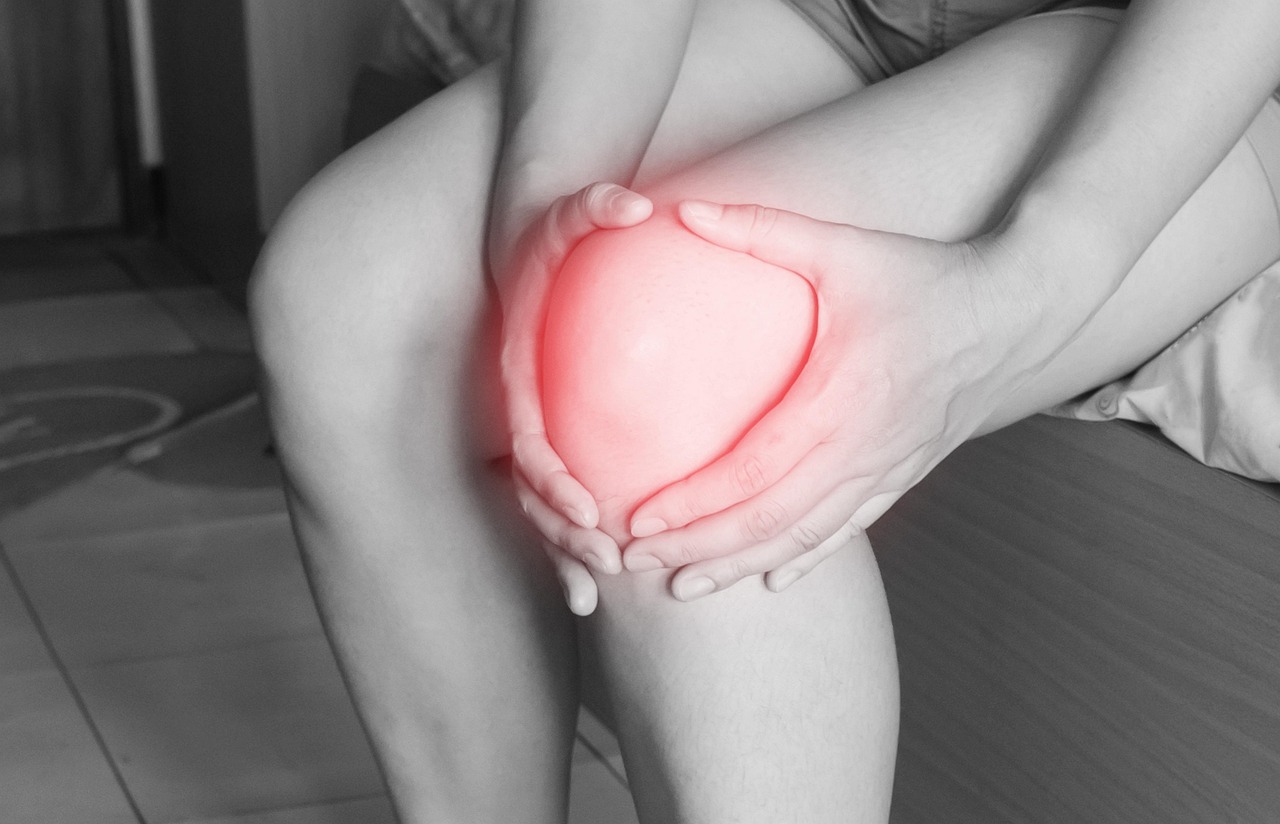
There's a reasonable objection people raise about physical therapy for knee arthritis. If the cartilage is worn away, how is exercise supposed to help? Nothing you do in a gym grows cartilage back. That's a fair point, and the answer is genuinely interesting.
Pain Doesn't Follow Wear As Closely As You'd Think
Here's the finding that reframes everything. How arthritic a knee looks on imaging correlates loosely with how much it actually hurts. Plenty of badly worn knees function fine. Plenty of mildly worn ones hurt constantly.
That gap exists because the cartilage isn't the only variable. Muscle strength, movement quality, and how much load the joint absorbs all shape the experience. Those are modifiable, and that's the opening physical therapy works through.
What Strength Does For The Joint
Your quadriceps, hamstrings, and hip muscles absorb force with every step, squat, and stair. Strong ones take a meaningful share of the load off the joint surfaces. Weak ones pass that load straight through to cartilage that's already thin.
People with knee arthritis frequently have weak quads, partly from the arthritis itself causing the muscle to inhibit, and partly from moving less because of the pain. That weakness then makes the knee hurt more, which drives more inactivity. Breaking that cycle is central to the whole approach.
What A Real Program Includes
- Progressive strengthening for the quads, hamstrings, and glutes
- Hip work, since weak hips let the knee drift inward and grind
- Range-of-motion work to keep the joint from stiffening up
- Movement retraining for stairs, squatting, and rising from chairs
- Guidance on activity so you stay active without overloading it
- A home program, because consistency is what produces results
Why The Results Hold Up
This is where therapy beats most alternatives for the long run. An injection calms a flare for a while. Rest helps until you resume normal life. Strength, though, is durable as long as you maintain it. You've changed how much load the joint takes with every step, and that keeps paying off.
The catch is the maintenance. Strength fades when you stop training it, which is why the home program isn't a temporary assignment.
It Also Delays Surgery
Plenty of people use conservative care to push a knee replacement years down the road, and some never need one. And if surgery does eventually happen, going in with strong legs consistently produces a smoother recovery. The work isn't wasted either way.
Is knee arthritis slowing you down, and are you afraid that surgery is your only answer? Please reach out to Modern Medicine of Northwest Tucson, AZ, and we can build a program that changes how your knee feels. Call or book through the online form.