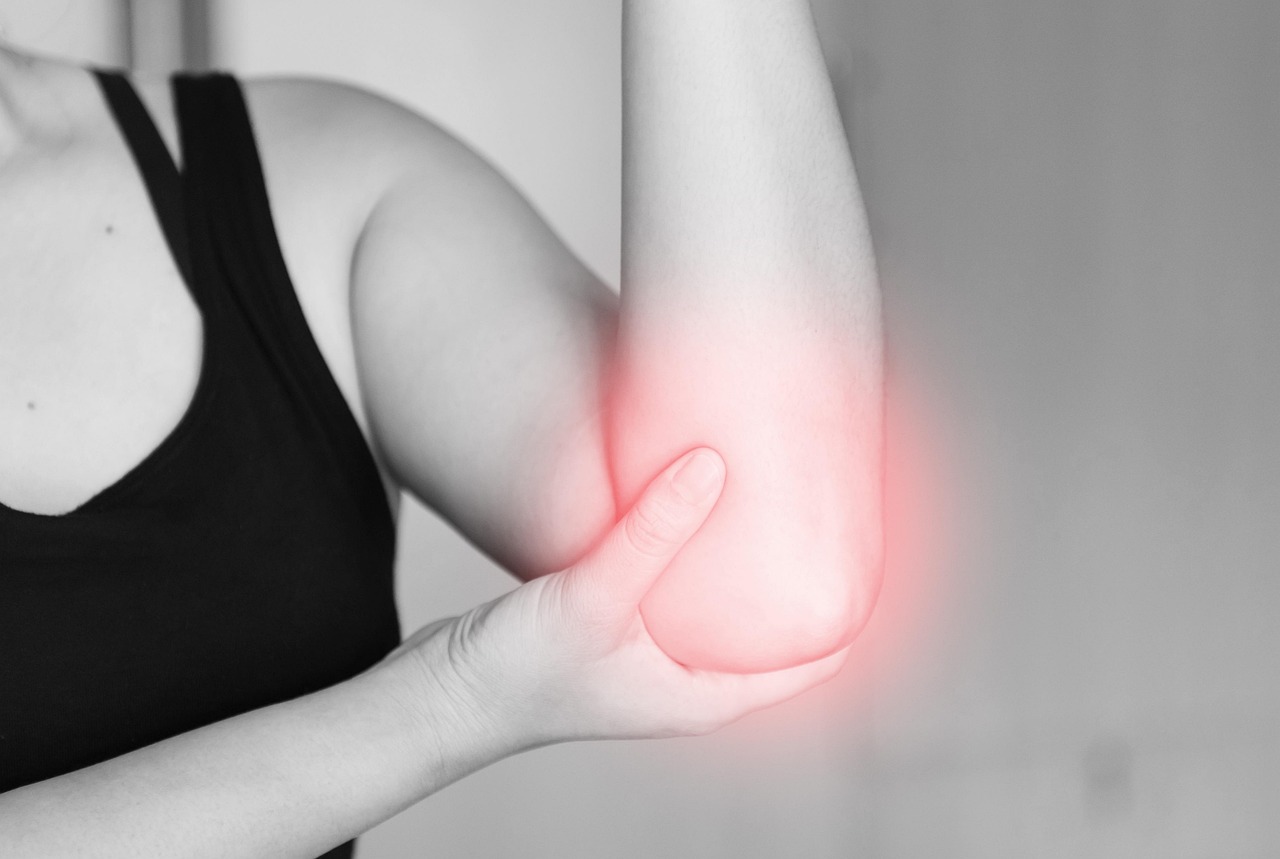
Here’s something that surprises people. Most of our tennis elbow patients don’t play tennis at all. One guy got it putting up a backyard fence. A retired teacher got it from carrying a gallon water jug up Tumamoc Hill three mornings a week, and plenty of office workers get it from the mouse. It’s always the same spot, on the bony knob on the outside of the elbow. Shaking hands hurts, and so does picking up the coffee pot, and after a while it feels like your grip just isn’t what it was.
What’s Happening in the Elbow
There’s a group of forearm muscles that pull the wrist and fingers back, and they all share one tendon that hooks onto that outer elbow bump. Think about how many times a day you grab and turn something, because each one of those tugs on that tendon. Eventually it gets frayed and worn, more than swollen. So you rest it for a couple of weeks, it feels better, and you go right back to the fence or the mouse. The tendon is still just as weak as before, though, and the pain is back within days.
Signs It’s Tennis Elbow
A sore elbow isn’t always tennis elbow. These are the things that make us think it is:
- The ache is on the outer side, and on bad days it runs halfway down the forearm.
- Coffee mugs feel heavier, and you’ve dropped a couple of things this month for no reason.
- Lifting with your palm facing down makes it worse.
- There’s one tender spot you can press with a finger.
- The elbow feels stiff in the morning and loosens up as you go.
How We Treat It Without Surgery
We’ll start by examining the elbow, wrist, and grip and asking about your work and hobbies. We’ll also check your neck and shoulder, because sometimes pain that feels like it’s in the elbow starts somewhere else.
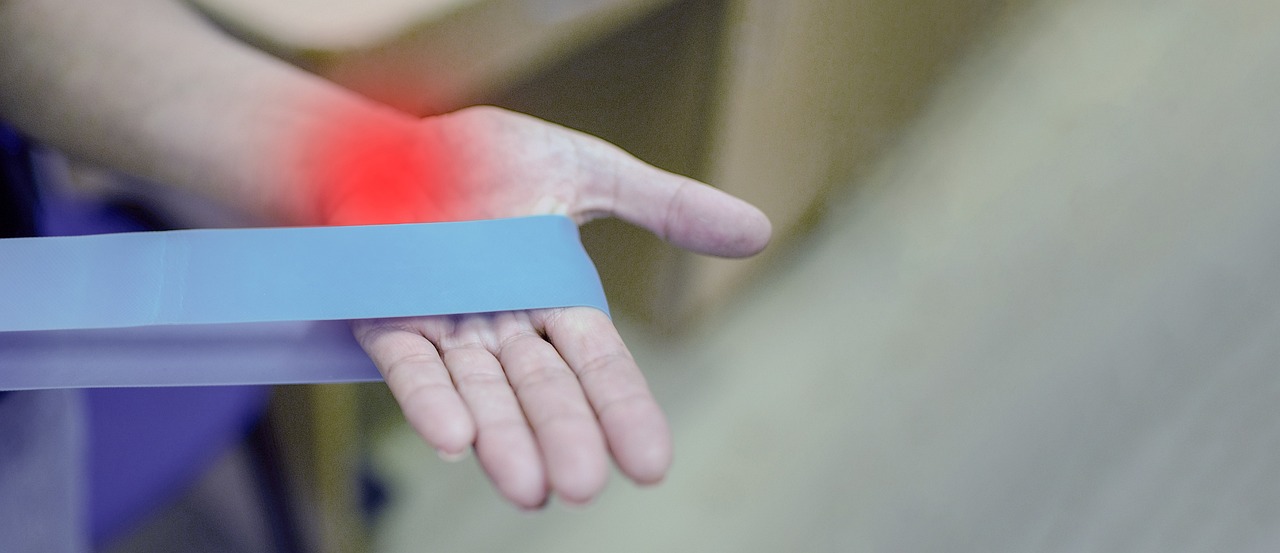
The heart of treatment is strengthening the tendon. You’ll do slow wrist exercises with a light weight or a flexible rubber bar, lowering the wrist over a few seconds. The exercises are simple, but they work best when you do them regularly for several weeks. We’ll add forearm and shoulder strength as the pain allows.
A forearm strap can take some pressure off the tendon during activity. We’ll also look at how you hold things. Lifting with your palm up, using two hands, or changing the grip on your tools or racket can make a real difference.
For stubborn cases, an injection may be an option. Cortisone can calm pain in the short term, and PRP is something we sometimes talk about for elbows that haven’t responded to other care.
If tennis elbow has been bothering you for weeks or months, reach out to Modern Medicine of Northwest Tucson, AZ. We’ll help you build a plan that gets the tendon healing.