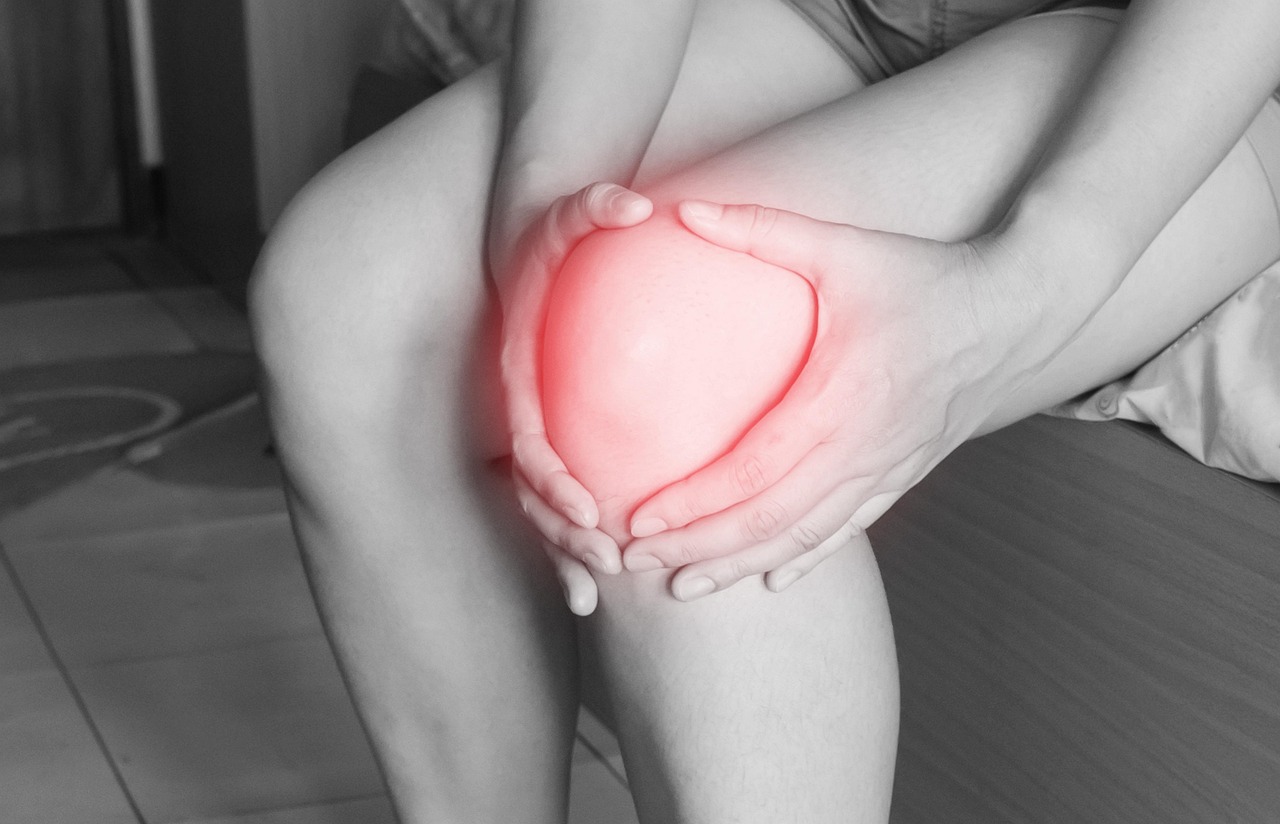
 Most people come in knowing where it hurts. What they do not know is why, what is driving it, or what the body has been doing around it for the past several weeks or months.
A non-surgical orthopedic evaluation is not a confirmation visit. It is an investigation. The goal is to understand the full picture before deciding what to do about it. That means looking beyond the painful site and beyond what imaging already shows.
History of the Pain
How long the pain has been present? Whether it started with a specific event or crept in over time. What makes it worse, and what settles it? Whether it travels into other areas.
Previous injuries get discussed even when they seem unrelated. An old ankle sprain changes how the knee loads. A previous shoulder injury influences how the cervical spine compensates. Nothing about the body is truly isolated, and the history fills in the connections that a physical exam alone cannot.
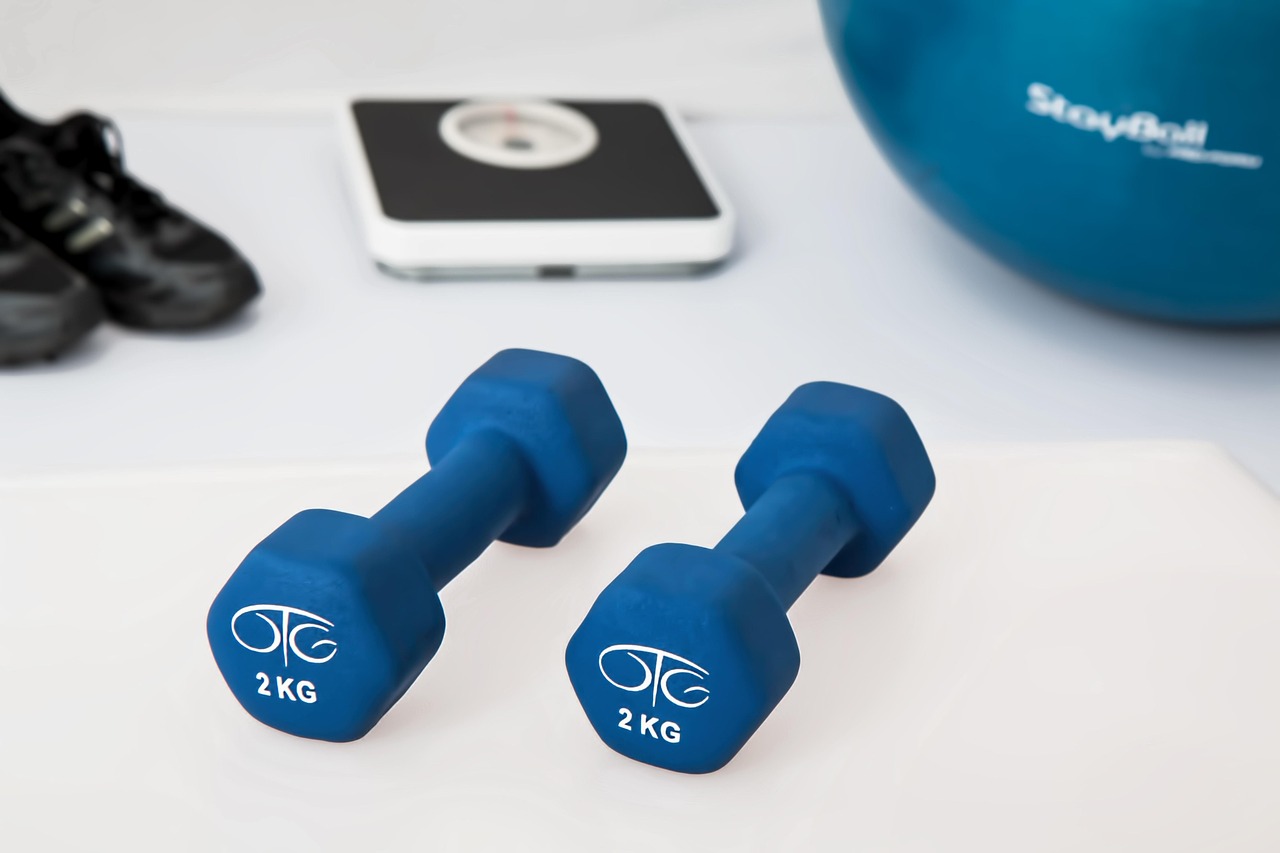
Strength and Muscle Function
Muscle weakness around a painful joint is almost always part of the picture. The question is whether the weakness caused the pain or developed because of it.
Either way, it needs to be identified and addressed. Weak quads leave the knee without adequate support. The glute med that stopped contributing and changed how the hip and lower back load. Rotator cuff inhibition allows the humeral head to migrate upward and compress the tendon with every arm movement.
Strength testing identifies exactly which muscles are underperforming and by how much. That information shapes a significant part of the treatment plan.
Joint Mobility and Soft Tissue Quality
A joint that has lost range due to capsular tightening, scar tissue, or chronic muscle guarding does not just hurt. It changes how every adjacent structure loads during movement.
The evaluation looks at the range of motion in the affected joint and the joints above and below it. A hip that is restricted in internal rotation loads the knee differently. A stiff thoracic spine limits how far the scapula can rotate during arm elevation and puts more stress on the shoulder joint directly.
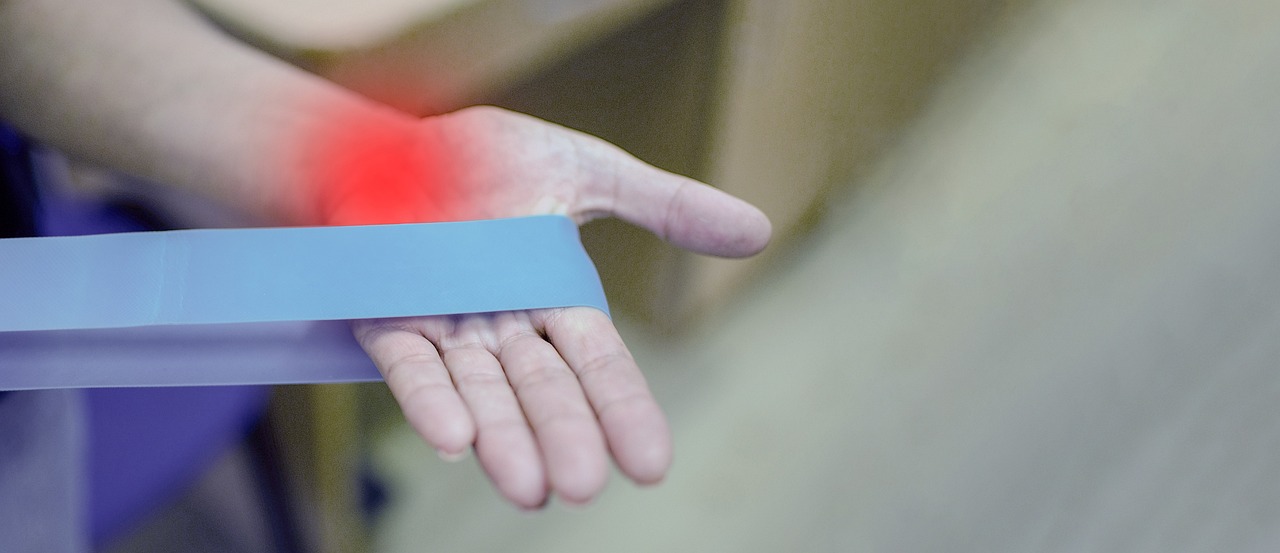
Soft tissue quality gets assessed, too. Muscle tension, trigger points, and fascial restrictions are limiting movement and contributing to the pain pattern.
Movement Analysis
How the body moves under real conditions reveals what static testing does not.
A squat that shows the knee tracking inward. A single-leg stance that exposes a hip drop on the stance side. An overhead reach that relies on the upper trap because the lower scapular stabilizers have stopped doing their job. A walking pattern that offloads one side consistently enough to be loading the opposite hip and back.
These movement faults load specific structures unevenly on every repetition. They are often the reason pain keeps returning despite treatment aimed only at the painful site.
Building the Plan
Everything the evaluation finds feeds into a treatment plan built around the actual source of the pain. Not the location. The source.
That might mean physical therapy targeting specific deficits, injections addressing a particular structure, manual therapy to restore mobility before loading work can be effective, or a combination of several things running together.
If pain has been building without a clear explanation or a real plan behind it, contact Modern Medicine of Northwest Tucson, AZ to schedule a non-surgical orthopedic evaluation.
Most people come in knowing where it hurts. What they do not know is why, what is driving it, or what the body has been doing around it for the past several weeks or months.
A non-surgical orthopedic evaluation is not a confirmation visit. It is an investigation. The goal is to understand the full picture before deciding what to do about it. That means looking beyond the painful site and beyond what imaging already shows.
History of the Pain
How long the pain has been present? Whether it started with a specific event or crept in over time. What makes it worse, and what settles it? Whether it travels into other areas.
Previous injuries get discussed even when they seem unrelated. An old ankle sprain changes how the knee loads. A previous shoulder injury influences how the cervical spine compensates. Nothing about the body is truly isolated, and the history fills in the connections that a physical exam alone cannot.
Strength and Muscle Function
Muscle weakness around a painful joint is almost always part of the picture. The question is whether the weakness caused the pain or developed because of it.
Either way, it needs to be identified and addressed. Weak quads leave the knee without adequate support. The glute med that stopped contributing and changed how the hip and lower back load. Rotator cuff inhibition allows the humeral head to migrate upward and compress the tendon with every arm movement.
Strength testing identifies exactly which muscles are underperforming and by how much. That information shapes a significant part of the treatment plan.
Joint Mobility and Soft Tissue Quality
A joint that has lost range due to capsular tightening, scar tissue, or chronic muscle guarding does not just hurt. It changes how every adjacent structure loads during movement.
The evaluation looks at the range of motion in the affected joint and the joints above and below it. A hip that is restricted in internal rotation loads the knee differently. A stiff thoracic spine limits how far the scapula can rotate during arm elevation and puts more stress on the shoulder joint directly.
Soft tissue quality gets assessed, too. Muscle tension, trigger points, and fascial restrictions are limiting movement and contributing to the pain pattern.
Movement Analysis
How the body moves under real conditions reveals what static testing does not.
A squat that shows the knee tracking inward. A single-leg stance that exposes a hip drop on the stance side. An overhead reach that relies on the upper trap because the lower scapular stabilizers have stopped doing their job. A walking pattern that offloads one side consistently enough to be loading the opposite hip and back.
These movement faults load specific structures unevenly on every repetition. They are often the reason pain keeps returning despite treatment aimed only at the painful site.
Building the Plan
Everything the evaluation finds feeds into a treatment plan built around the actual source of the pain. Not the location. The source.
That might mean physical therapy targeting specific deficits, injections addressing a particular structure, manual therapy to restore mobility before loading work can be effective, or a combination of several things running together.
If pain has been building without a clear explanation or a real plan behind it, contact Modern Medicine of Northwest Tucson, AZ to schedule a non-surgical orthopedic evaluation.
Sahuarita, AZ - What Does a Non-Surgical Orthopedic Clinic Evaluate During Pain?
SYNOPSIS: This article covers what gets evaluated during a non-surgical orthopedic pain assessment, including each component of the process and why it matters for building an effective treatment plan.
What Gets Evaluated During an Orthopedic Pain Visit
BY: Josh Adams, Modern Medicine of Northwest Tucson, AZ
Most people come in knowing where it hurts. What they do not know is why, what is driving it, or what the body has been doing around it for the past several weeks or months.
A non-surgical orthopedic evaluation is not a confirmation visit. It is an investigation. The goal is to understand the full picture before deciding what to do about it. That means looking beyond the painful site and beyond what imaging already shows.
History of the Pain
How long the pain has been present? Whether it started with a specific event or crept in over time. What makes it worse, and what settles it? Whether it travels into other areas.
Previous injuries get discussed even when they seem unrelated. An old ankle sprain changes how the knee loads. A previous shoulder injury influences how the cervical spine compensates. Nothing about the body is truly isolated, and the history fills in the connections that a physical exam alone cannot.
Strength and Muscle Function
Muscle weakness around a painful joint is almost always part of the picture. The question is whether the weakness caused the pain or developed because of it.
Either way, it needs to be identified and addressed. Weak quads leave the knee without adequate support. The glute med that stopped contributing and changed how the hip and lower back load. Rotator cuff inhibition allows the humeral head to migrate upward and compress the tendon with every arm movement.
Strength testing identifies exactly which muscles are underperforming and by how much. That information shapes a significant part of the treatment plan.
Joint Mobility and Soft Tissue Quality
A joint that has lost range due to capsular tightening, scar tissue, or chronic muscle guarding does not just hurt. It changes how every adjacent structure loads during movement.
The evaluation looks at the range of motion in the affected joint and the joints above and below it. A hip that is restricted in internal rotation loads the knee differently. A stiff thoracic spine limits how far the scapula can rotate during arm elevation and puts more stress on the shoulder joint directly.
Soft tissue quality gets assessed, too. Muscle tension, trigger points, and fascial restrictions are limiting movement and contributing to the pain pattern.
Movement Analysis
How the body moves under real conditions reveals what static testing does not.
A squat that shows the knee tracking inward. A single-leg stance that exposes a hip drop on the stance side. An overhead reach that relies on the upper trap because the lower scapular stabilizers have stopped doing their job. A walking pattern that offloads one side consistently enough to be loading the opposite hip and back.
These movement faults load specific structures unevenly on every repetition. They are often the reason pain keeps returning despite treatment aimed only at the painful site.
Building the Plan
Everything the evaluation finds feeds into a treatment plan built around the actual source of the pain. Not the location. The source.
That might mean physical therapy targeting specific deficits, injections addressing a particular structure, manual therapy to restore mobility before loading work can be effective, or a combination of several things running together.
If pain has been building without a clear explanation or a real plan behind it, contact Modern Medicine of Northwest Tucson, AZ to schedule a non-surgical orthopedic evaluation.