 Today this post is going to explore the evolution of material that have been used for water services over the years. Some piping that existed long ago was made of wood fibers! Needless to day, some much needed adaptations to the materials used to make pipes for civilization has modernized with the times and continues to be made better today.
Earlier plumbing water services utilized galvanized pipe. Originally created as an alternative to lead pipes, galvanize pipe was used primarily in the construction of homes and other water supply lines prior to 1960. Galvanized pipe are steel pipes that are then coated with a protective zinc coating with the purpose of preventing rust and corrosion. They do, however, become rusty over time, and can deteriorate so bad you can barely see through them! Galvanized pipe will rust, corrode, and become restricted over time.
A shift came about and galvanized pipe gave way to PVC piping. PVC stands for Polyvinyl Chloride, which is one of the world’s most widely created types of plastic. This upgrade was great because you could glue the pieces together, a feature that increased the stoppage of leaks. However, over time, the settling of the ground caused the pipes to crack. The convenience of the assembly of these pipes does not stand up to this serious disadvantage. There have also been claims of chemicals that can leach from the pipes into your drinking water!
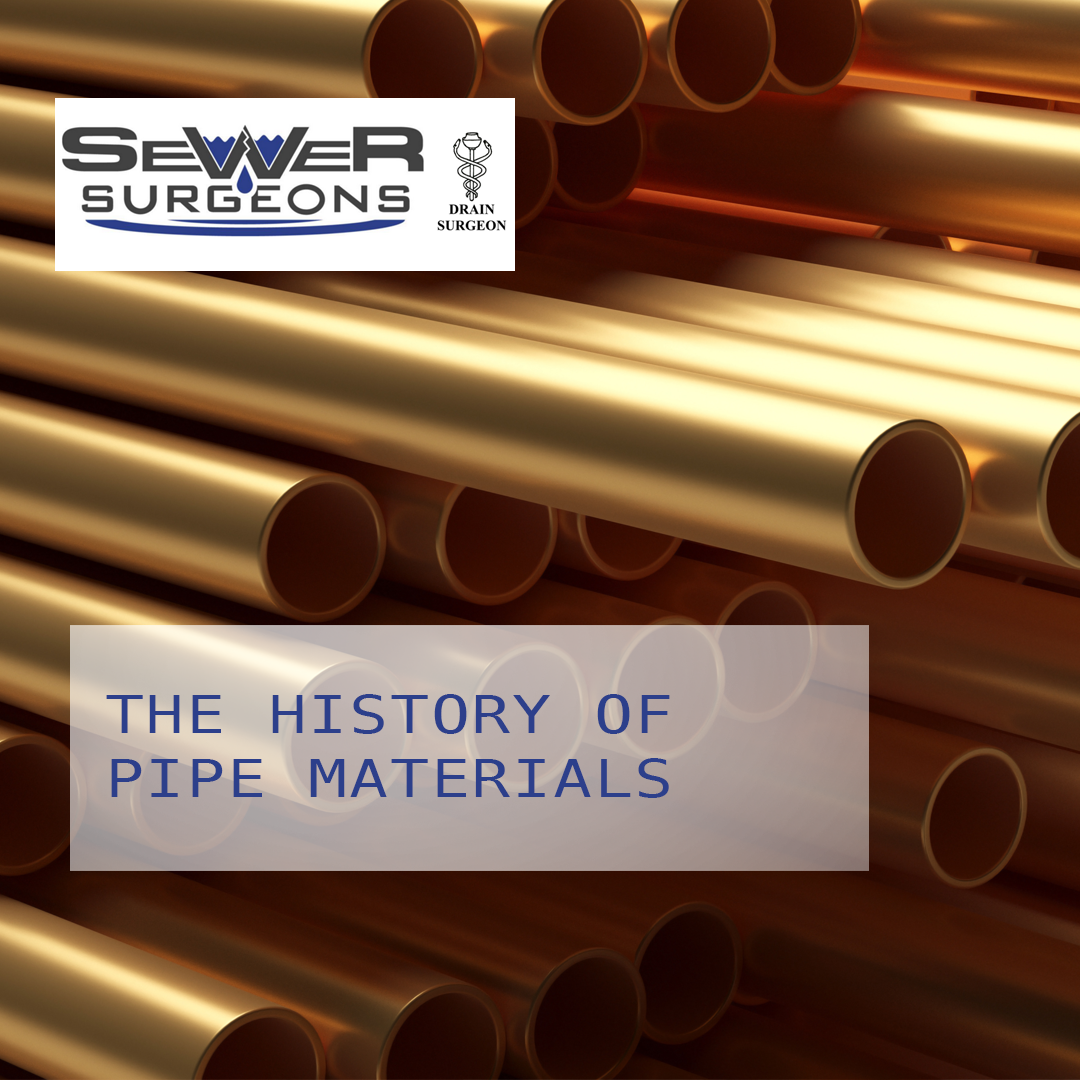
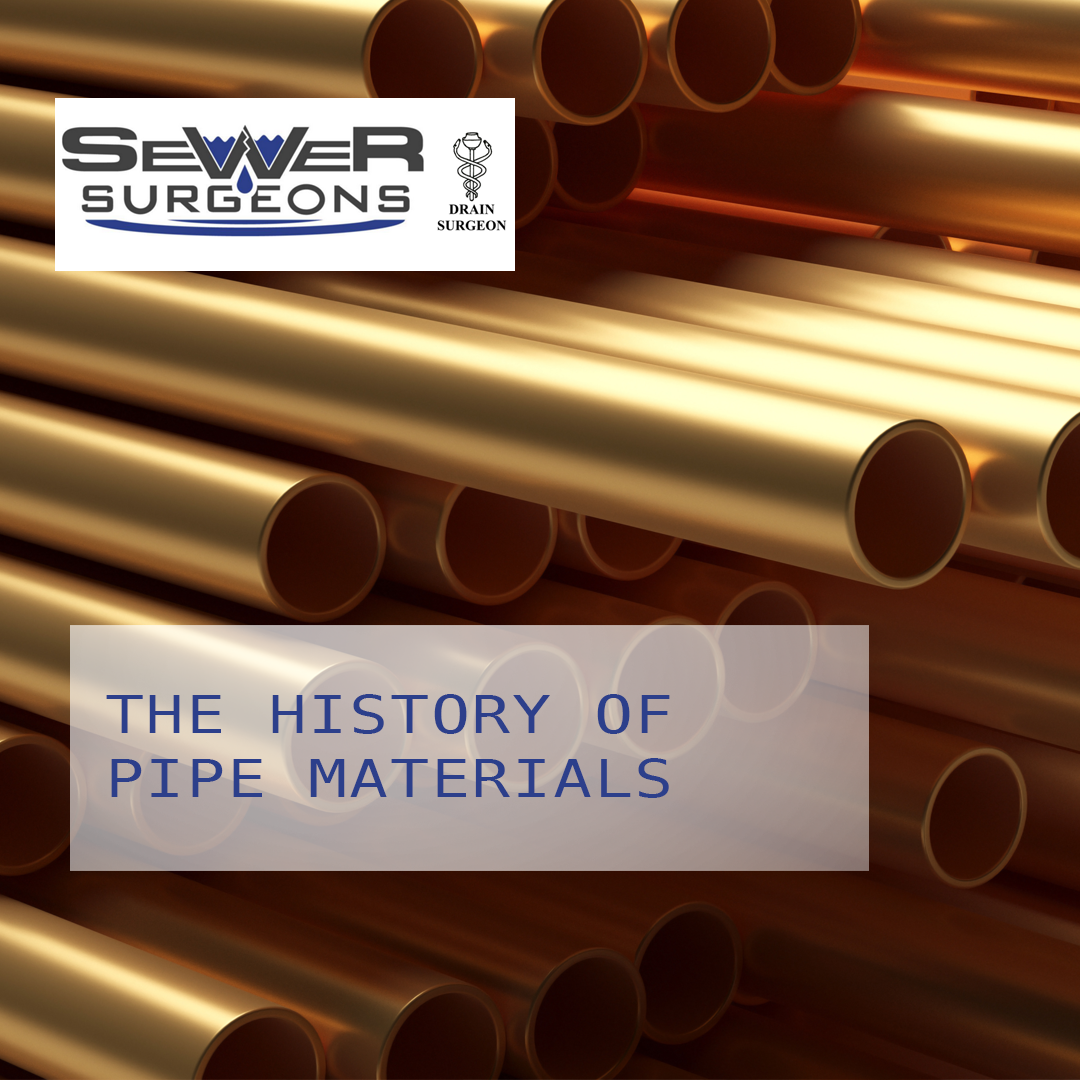
Another common piping material is copper. Copper tends to wear very well, holding up as a more durable piping material. It also handles temperature change well. Although copper can provide resilience, it is generally more difficult to install. Some older pipe joining methods used lead solder. Though this pipe material is strong and resilient, it has a weakness. Copper pipes that are used for water supply lines with acidic water will be heavily affected by acidic water and corrosion will be an issue.
PEX piping is a more recent piping material and can come in a variety of types and grades of PEX. PEX pipes are flexible, and can remain flexible even while being made with thicker walls. A flexible pipe helps retain the integrity of the pipe during ground settling and shifting. The flexible nature of the pipe also allows for a significantly smaller amount of joints that have to be used, decreasing the chance of leaks by much less.
There are several different materials of pipes that we have not covered in this post! They are some of the most mainstream pipes and all offer pros and cons that you may want to talk to a local professional about which option is best for your home. Give Sewer Surgeons a call to discuss any pipe replacement or repair your home needs!
Today this post is going to explore the evolution of material that have been used for water services over the years. Some piping that existed long ago was made of wood fibers! Needless to day, some much needed adaptations to the materials used to make pipes for civilization has modernized with the times and continues to be made better today.
Earlier plumbing water services utilized galvanized pipe. Originally created as an alternative to lead pipes, galvanize pipe was used primarily in the construction of homes and other water supply lines prior to 1960. Galvanized pipe are steel pipes that are then coated with a protective zinc coating with the purpose of preventing rust and corrosion. They do, however, become rusty over time, and can deteriorate so bad you can barely see through them! Galvanized pipe will rust, corrode, and become restricted over time.
A shift came about and galvanized pipe gave way to PVC piping. PVC stands for Polyvinyl Chloride, which is one of the world’s most widely created types of plastic. This upgrade was great because you could glue the pieces together, a feature that increased the stoppage of leaks. However, over time, the settling of the ground caused the pipes to crack. The convenience of the assembly of these pipes does not stand up to this serious disadvantage. There have also been claims of chemicals that can leach from the pipes into your drinking water!
Another common piping material is copper. Copper tends to wear very well, holding up as a more durable piping material. It also handles temperature change well. Although copper can provide resilience, it is generally more difficult to install. Some older pipe joining methods used lead solder. Though this pipe material is strong and resilient, it has a weakness. Copper pipes that are used for water supply lines with acidic water will be heavily affected by acidic water and corrosion will be an issue.
PEX piping is a more recent piping material and can come in a variety of types and grades of PEX. PEX pipes are flexible, and can remain flexible even while being made with thicker walls. A flexible pipe helps retain the integrity of the pipe during ground settling and shifting. The flexible nature of the pipe also allows for a significantly smaller amount of joints that have to be used, decreasing the chance of leaks by much less.
There are several different materials of pipes that we have not covered in this post! They are some of the most mainstream pipes and all offer pros and cons that you may want to talk to a local professional about which option is best for your home. Give Sewer Surgeons a call to discuss any pipe replacement or repair your home needs!
The History of Plumbing Pipe Materials Sewer Surgeons
SYNOPSIS: Today this post is going to explore the evolution of material that have been used for water services over the years. Some piping that existed long ago was made of wood fibers! Needless to day, some much needed adaptations to the materials used to mak
BY: ,
Today this post is going to explore the evolution of material that have been used for water services over the years. Some piping that existed long ago was made of wood fibers! Needless to day, some much needed adaptations to the materials used to make pipes for civilization has modernized with the times and continues to be made better today.
Earlier plumbing water services utilized galvanized pipe. Originally created as an alternative to lead pipes, galvanize pipe was used primarily in the construction of homes and other water supply lines prior to 1960. Galvanized pipe are steel pipes that are then coated with a protective zinc coating with the purpose of preventing rust and corrosion. They do, however, become rusty over time, and can deteriorate so bad you can barely see through them! Galvanized pipe will rust, corrode, and become restricted over time.
A shift came about and galvanized pipe gave way to PVC piping. PVC stands for Polyvinyl Chloride, which is one of the world’s most widely created types of plastic. This upgrade was great because you could glue the pieces together, a feature that increased the stoppage of leaks. However, over time, the settling of the ground caused the pipes to crack. The convenience of the assembly of these pipes does not stand up to this serious disadvantage. There have also been claims of chemicals that can leach from the pipes into your drinking water!
Another common piping material is copper. Copper tends to wear very well, holding up as a more durable piping material. It also handles temperature change well. Although copper can provide resilience, it is generally more difficult to install. Some older pipe joining methods used lead solder. Though this pipe material is strong and resilient, it has a weakness. Copper pipes that are used for water supply lines with acidic water will be heavily affected by acidic water and corrosion will be an issue.
PEX piping is a more recent piping material and can come in a variety of types and grades of PEX. PEX pipes are flexible, and can remain flexible even while being made with thicker walls. A flexible pipe helps retain the integrity of the pipe during ground settling and shifting. The flexible nature of the pipe also allows for a significantly smaller amount of joints that have to be used, decreasing the chance of leaks by much less.
There are several different materials of pipes that we have not covered in this post! They are some of the most mainstream pipes and all offer pros and cons that you may want to talk to a local professional about which option is best for your home. Give Sewer Surgeons a call to discuss any pipe replacement or repair your home needs!