 Municipal drainage systems are a crucial part of a community's infrastructure, as they help to prevent flooding in residential and commercial areas. These systems are designed to manage the flow of water during heavy rainfall or snowmelt, directing it away from buildings and toward bodies of water such as rivers or lakes.
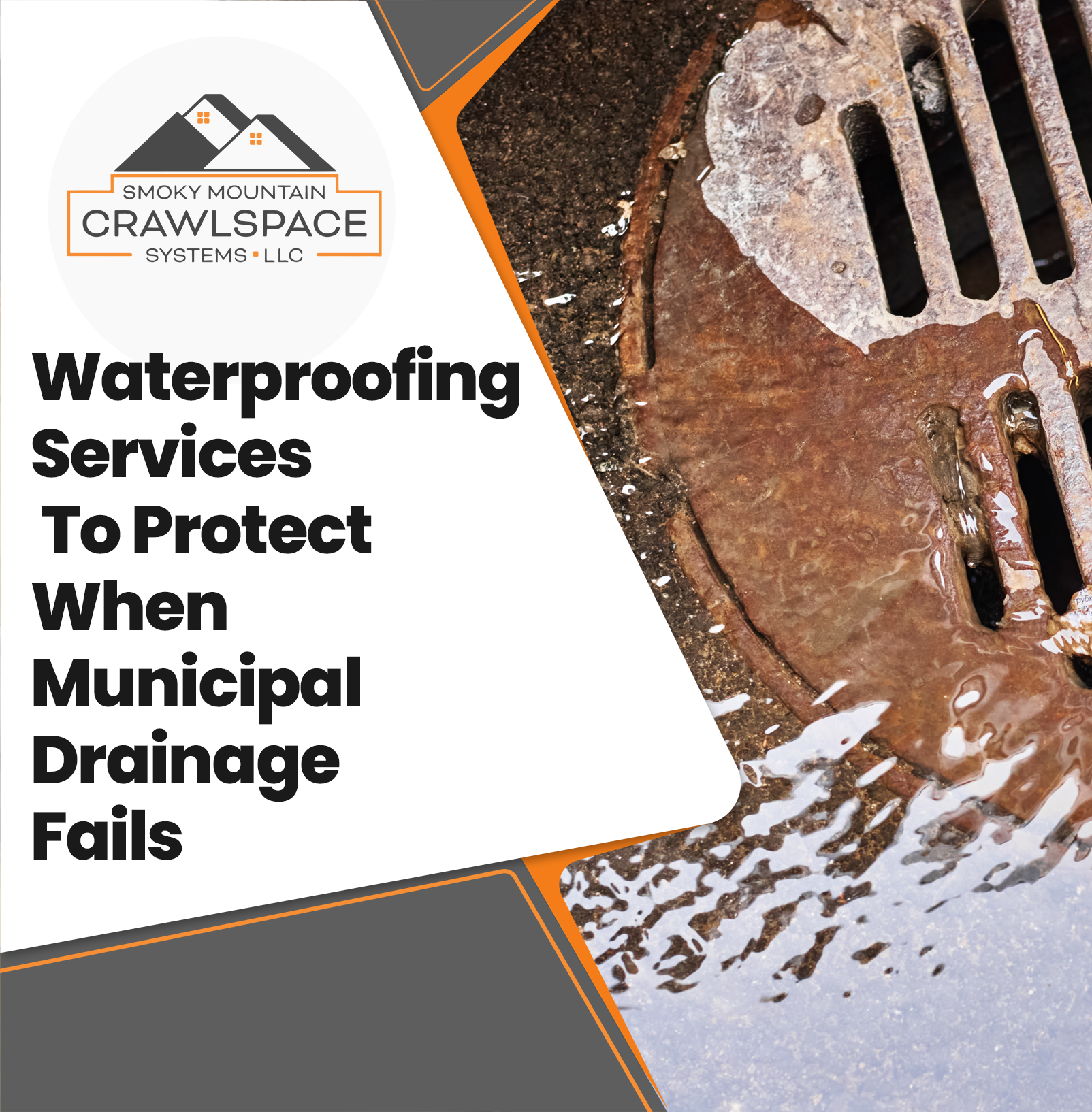
The main components of municipal drainage systems include storm sewers, catch basins, and pipes. Storm sewers are large underground channels that collect water from the streets and sidewalks, while catch basins are concrete or metal grates located at the bottom of curbs that allow water to enter the storm sewer. Pipes are used to transport the water from the storm sewers to a larger body of water.
The system is designed with a network of pipes that run throughout the community, collecting water from the catch basins and other surface areas. This water is then transported to a retention pond or wetland area, where it is held until it can be safely released into a river or lake. The retention pond serves as a natural filtration system, allowing the water to be cleaned before it is released into the environment.
Municipal drainage systems must be properly maintained to ensure their effectiveness. This includes regularly cleaning catch basins and storm sewers to remove debris and prevent blockages. In addition, the system must be updated and expanded as the community grows to ensure that it can handle the increased water flow.
In summary, municipal drainage systems play a crucial role in preventing flooding within a community. By managing the flow of water during heavy rainfall or snowmelt, these systems help to protect residential and commercial buildings from damage. Proper maintenance and expansion of the system are necessary to ensure its continued effectiveness in the face of changing weather patterns and a growing community.
Municipal drainage systems are a crucial part of a community's infrastructure, as they help to prevent flooding in residential and commercial areas. These systems are designed to manage the flow of water during heavy rainfall or snowmelt, directing it away from buildings and toward bodies of water such as rivers or lakes.
The main components of municipal drainage systems include storm sewers, catch basins, and pipes. Storm sewers are large underground channels that collect water from the streets and sidewalks, while catch basins are concrete or metal grates located at the bottom of curbs that allow water to enter the storm sewer. Pipes are used to transport the water from the storm sewers to a larger body of water.
The system is designed with a network of pipes that run throughout the community, collecting water from the catch basins and other surface areas. This water is then transported to a retention pond or wetland area, where it is held until it can be safely released into a river or lake. The retention pond serves as a natural filtration system, allowing the water to be cleaned before it is released into the environment.
Municipal drainage systems must be properly maintained to ensure their effectiveness. This includes regularly cleaning catch basins and storm sewers to remove debris and prevent blockages. In addition, the system must be updated and expanded as the community grows to ensure that it can handle the increased water flow.
In summary, municipal drainage systems play a crucial role in preventing flooding within a community. By managing the flow of water during heavy rainfall or snowmelt, these systems help to protect residential and commercial buildings from damage. Proper maintenance and expansion of the system are necessary to ensure its continued effectiveness in the face of changing weather patterns and a growing community.
Waterproofing To Protect When Municipal Drainage Fails | Smoky Mountain of TN
SYNOPSIS: These systems are designed to manage the flow of water during heavy rainfall or snowmelt, directing it away from buildings and toward bodies of water such as rivers or lakes.
Waterproofing To Protect Municipal Drainage Fails
BY: John Greene, Smoky Mountain Crawl Space Systems
Municipal drainage systems are a crucial part of a community's infrastructure, as they help to prevent flooding in residential and commercial areas. These systems are designed to manage the flow of water during heavy rainfall or snowmelt, directing it away from buildings and toward bodies of water such as rivers or lakes.
The main components of municipal drainage systems include storm sewers, catch basins, and pipes. Storm sewers are large underground channels that collect water from the streets and sidewalks, while catch basins are concrete or metal grates located at the bottom of curbs that allow water to enter the storm sewer. Pipes are used to transport the water from the storm sewers to a larger body of water.
The system is designed with a network of pipes that run throughout the community, collecting water from the catch basins and other surface areas. This water is then transported to a retention pond or wetland area, where it is held until it can be safely released into a river or lake. The retention pond serves as a natural filtration system, allowing the water to be cleaned before it is released into the environment.
Municipal drainage systems must be properly maintained to ensure their effectiveness. This includes regularly cleaning catch basins and storm sewers to remove debris and prevent blockages. In addition, the system must be updated and expanded as the community grows to ensure that it can handle the increased water flow.
In summary, municipal drainage systems play a crucial role in preventing flooding within a community. By managing the flow of water during heavy rainfall or snowmelt, these systems help to protect residential and commercial buildings from damage. Proper maintenance and expansion of the system are necessary to ensure its continued effectiveness in the face of changing weather patterns and a growing community.