 Perhaps we can all agree one of the most crucial components of a residential building is the bathroom. But occasionally, it proves to be one of the most overlooked areas when it comes to moisture mitigation. It is because it is consistently exposed to a lot of moisture that it is prone to several problems.
That being said, bathroom waterproofing should be one of your top priorities when considering a home repair project. Installing bathroom tiles without a waterproof coating leads to future structural and health problems with the bathroom.
Taking care of the waterproofing before building inside the bathroom is essential to do before the job is done. In order to make a prepared and comprehensive bathroom waterproofing job, you need to plan beforehand.
Perhaps we can all agree one of the most crucial components of a residential building is the bathroom. But occasionally, it proves to be one of the most overlooked areas when it comes to moisture mitigation. It is because it is consistently exposed to a lot of moisture that it is prone to several problems.
That being said, bathroom waterproofing should be one of your top priorities when considering a home repair project. Installing bathroom tiles without a waterproof coating leads to future structural and health problems with the bathroom.
Taking care of the waterproofing before building inside the bathroom is essential to do before the job is done. In order to make a prepared and comprehensive bathroom waterproofing job, you need to plan beforehand.
Importance of Bathroom Waterproofing
Consider speaking with a knowledgeable waterproofing professional (like us here at Smoky Mountain Systems) before starting any project. There are several contractors offering numerous sorts of waterproofing services, but you must select a reputable company to receive an adequate job that will last.- Stops water from leaking into adjacent areas of the house
- Boosts the value of your home
- Makes the bathroom atmosphere acceptable
- Prevents leaks from forming
- Low cost of upkeep
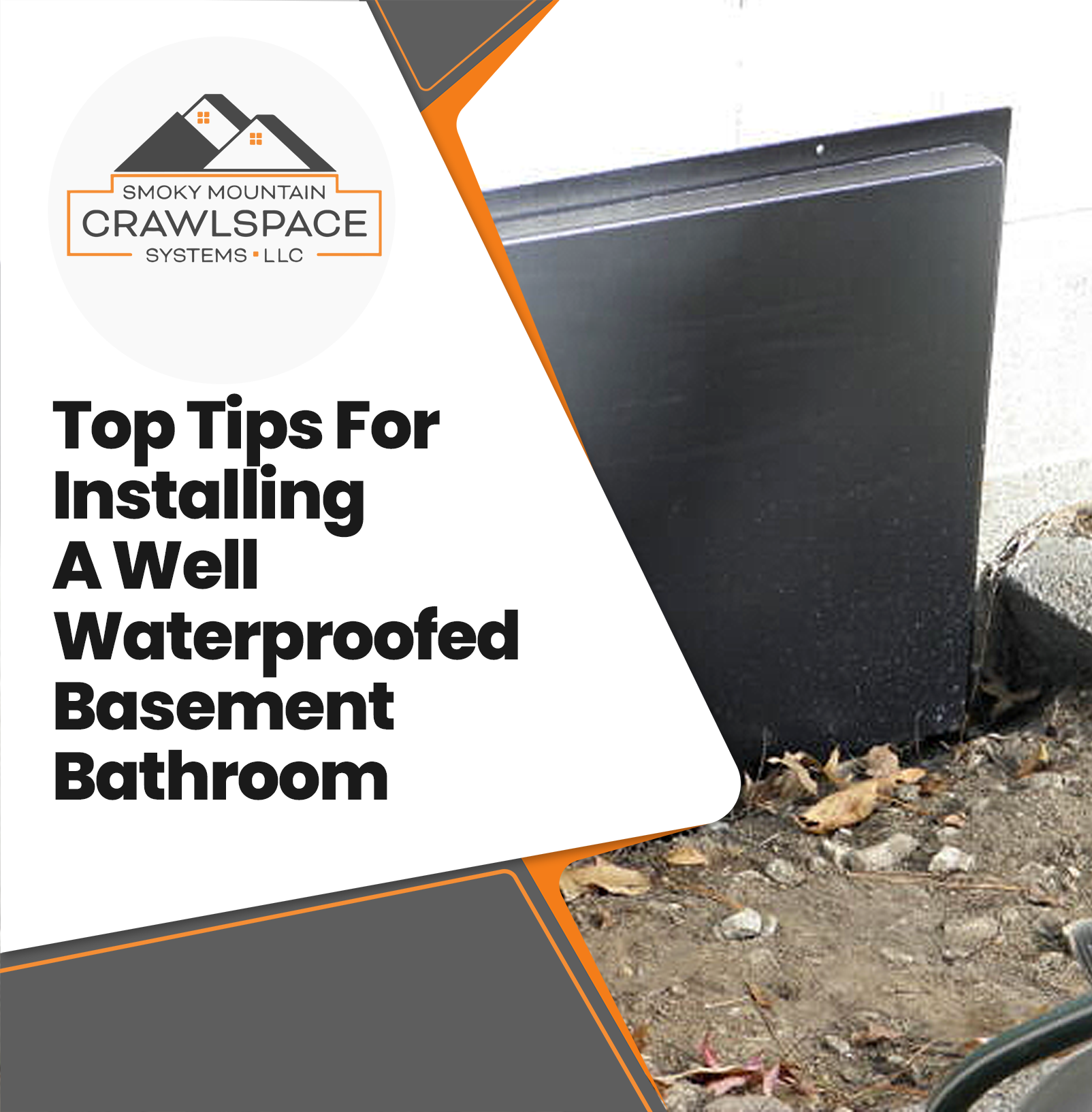
Requirements for Waterproofing Basement Bathrooms
The following are some minimal specifications for all residential bathroom waterproofing projects:- It is necessary to waterproof the bathroom's whole floor inside the shower area.
- Waterproofing should be done on the walls inside the shower area.
- If the bathroom has wood flooring, particleboard, or plywood, the floor should be waterproofed throughout.
- The bathroom has to be waterproofed if it is on a floor above the first.
What Necessitates Bathroom Waterproofing?
Long-term water leak detection can cause significant harm to the home. Some of the issues one may have if waterproofing is not done are listed below:- Rise in Damp: This occurs when the water rises against gravity through masonry, such as walls, floors, and ceilings, as a result of capillary action.
- Rotting and warping of the beams: When the primary structural elements like posts, bearers, beams, and joists are destroyed over here, it compromises the structural integrity of the entire home.
- Damaged electrics: There is a great risk of fire and electrocution when water accumulates in the ceilings or drips onto the light fixtures.
- Plumbing corrosion: Rusted pipes may lead to more water leaks, exacerbating the issue.
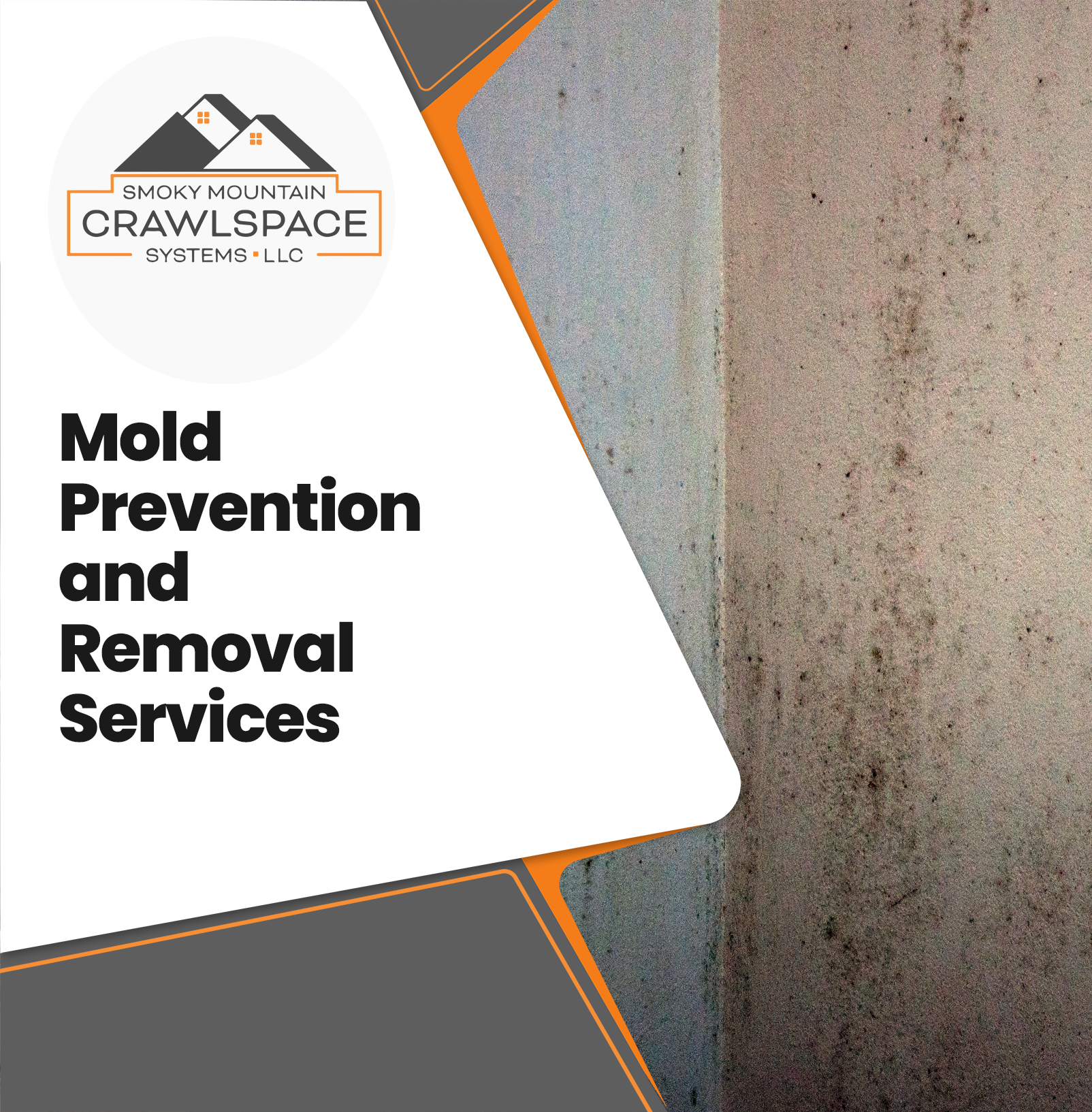
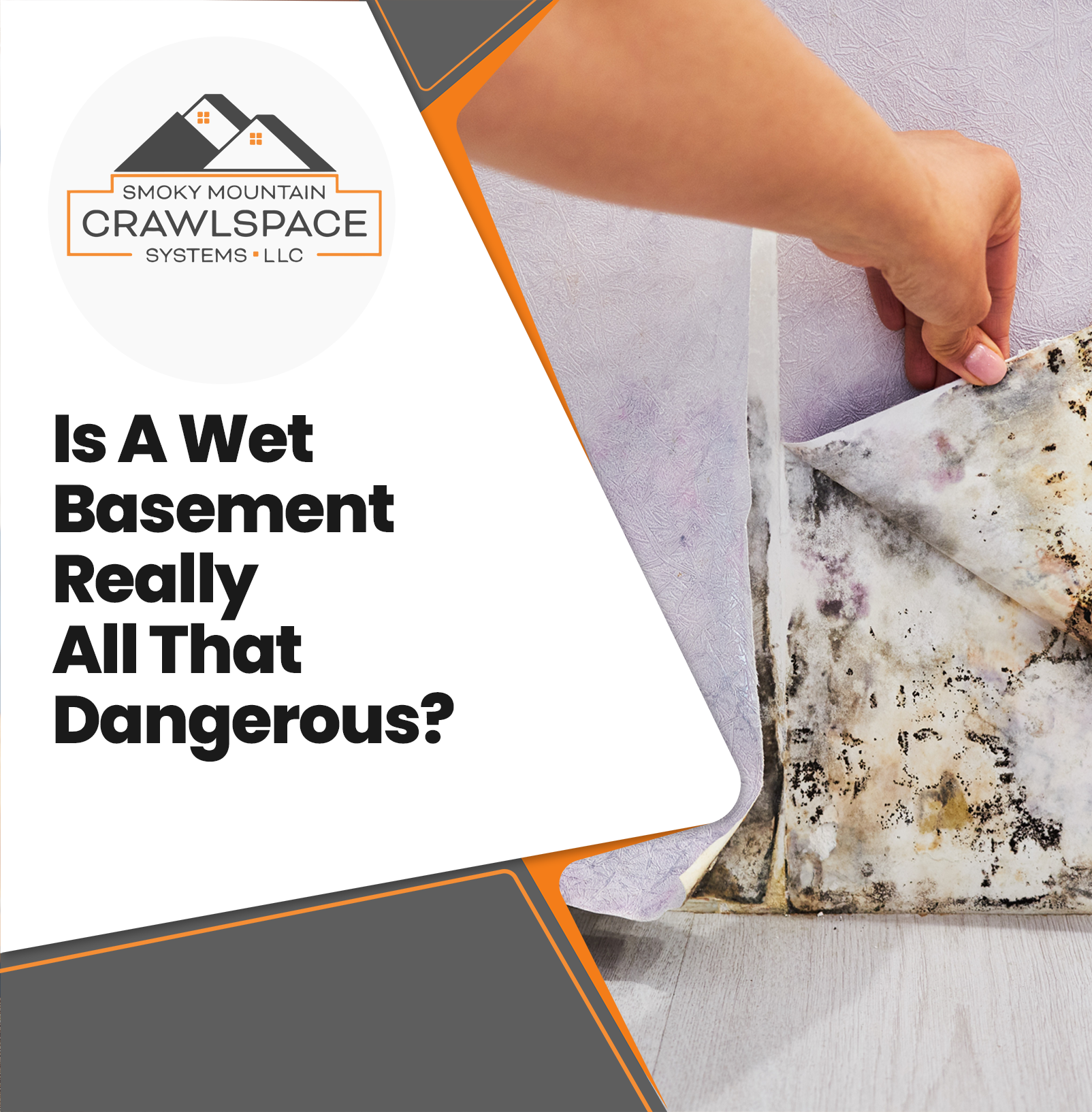
- Mildew and mold: Asthma and other respiratory issues might be brought on by spore dispersal into the air.
- Cracks: When the reinforced steel in concrete starts to rust, it starts to expand and shift the concrete around it. As a result, the concrete becomes brittle, which damages the building's base.