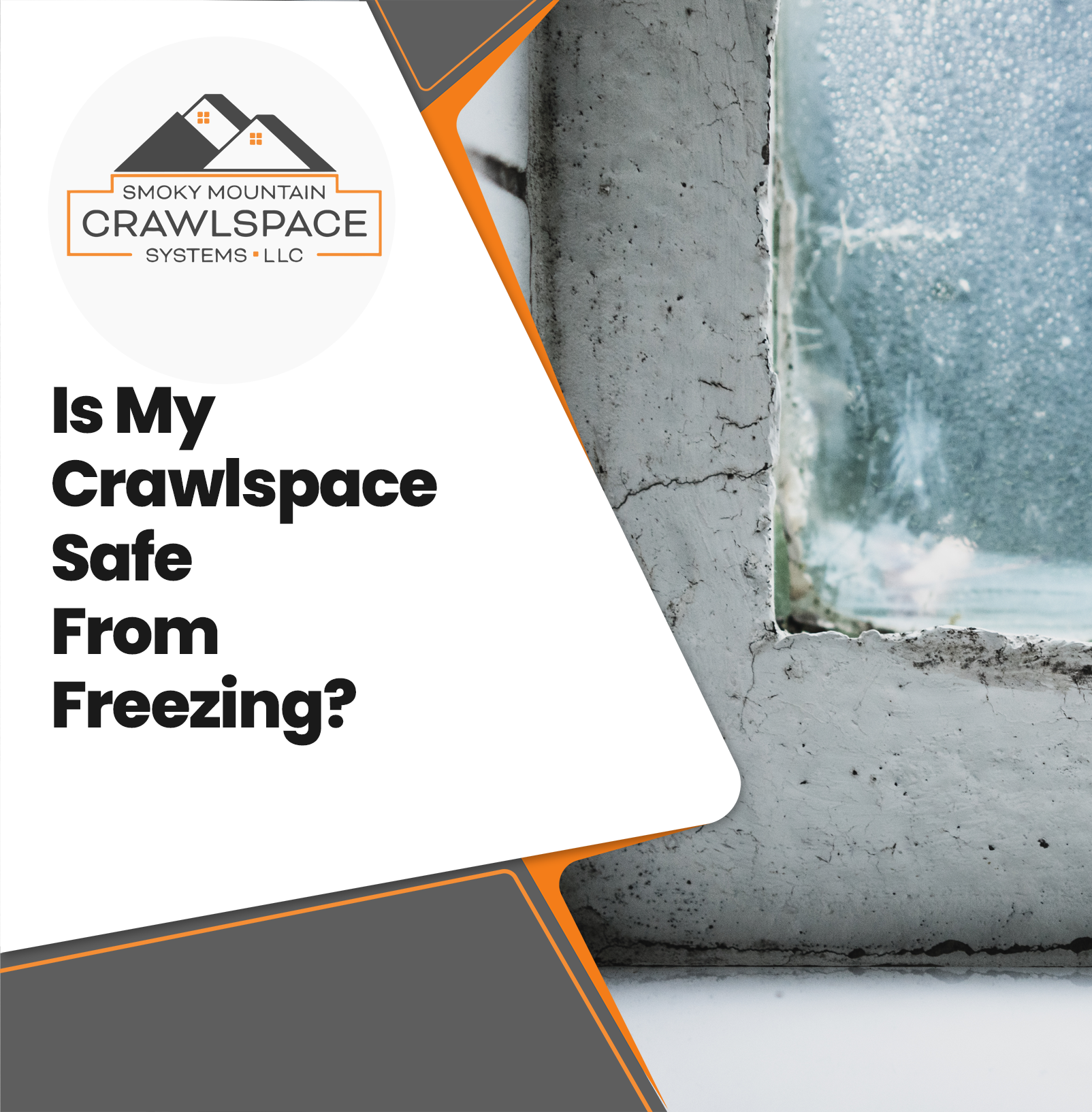
 Frozen pipes are one of the most common problems winter brings for households. When winter arrives, it not only causes temperatures to drop but also threatens to freeze water pipes. The likelihood of this occurring increases significantly, notably if the crawl space is not properly insulated.
What results from the damage left behind by freezing is water leaks and water loss, which may ruin your holiday spirit. Because crawl spaces are partially vulnerable to the external environment, even brief bursts of cold air can trigger the water in the pipes that run through this region to seize.
Frozen pipes are one of the most common problems winter brings for households. When winter arrives, it not only causes temperatures to drop but also threatens to freeze water pipes. The likelihood of this occurring increases significantly, notably if the crawl space is not properly insulated.
What results from the damage left behind by freezing is water leaks and water loss, which may ruin your holiday spirit. Because crawl spaces are partially vulnerable to the external environment, even brief bursts of cold air can trigger the water in the pipes that run through this region to seize.
Why Is Insulation Required?
Sufficient insulation is required to maintain the warm temperature of a home while keeping energy expenses low. Insulating planks of wood or concrete crawl space sidewalls and sealing the surface is one of the most significant techniques to keep your house warm. Adequate crawl space insulation may keep your basement from becoming a wet environment where mold and mildew grow and thrive. Fixing crawl space moisture and temperature is a two-step procedure with a single goal: a temperate lower region that keeps levels above comfortable while your apartment's foundation stays strong.Crawl Space Insulation
Insulate the entire crawl space and construct a vapor shield as the first line of defense against frozen pipes. Covering the crawl area prevents chilly air from entering your home. This allows you to maintain a consistent temperature that is closer to that of your house. As a direct consequence, pipes are less prone to freezing. As the temperature changes, moisture does not accumulate as much in your basement.The Fundamentals Of Crawl Space Insulation:
- In order to properly insulate a crawl space, homeowners need to wrap the walls and install a vapor barrier on the ground. Professionals may utilize spray foam, but most do-it-yourselfers don't have the necessary equipment and skills to create a durable seal that will last a lifetime (like our team here at Smoky Mountain can achieve!).
- The two materials are taped together with a plastic vapor layer on the floor. To ensure that the insulation is successful, any gaps or fractures in the walls must be sealed before installation.
- A heavy plastic sheet serves as a vapor barrier in crawl spaces. Its purpose is to keep moisture out of the crawl space and to help manage humidity levels. The material is a reinforced polyethylene plastic sheeting 6 mils or thicker.
- The goal of crawl space insulation is to prepare the crawl space in the same manner that you would condition other areas of your home. Rather than attempting to isolate the basement room from the conditioned higher floors, bring the crawl area closer to the temperature of the upper levels. By insulating the walls and protecting the floor from outside moisture and temperatures, it avoided installing underfloor insulation.