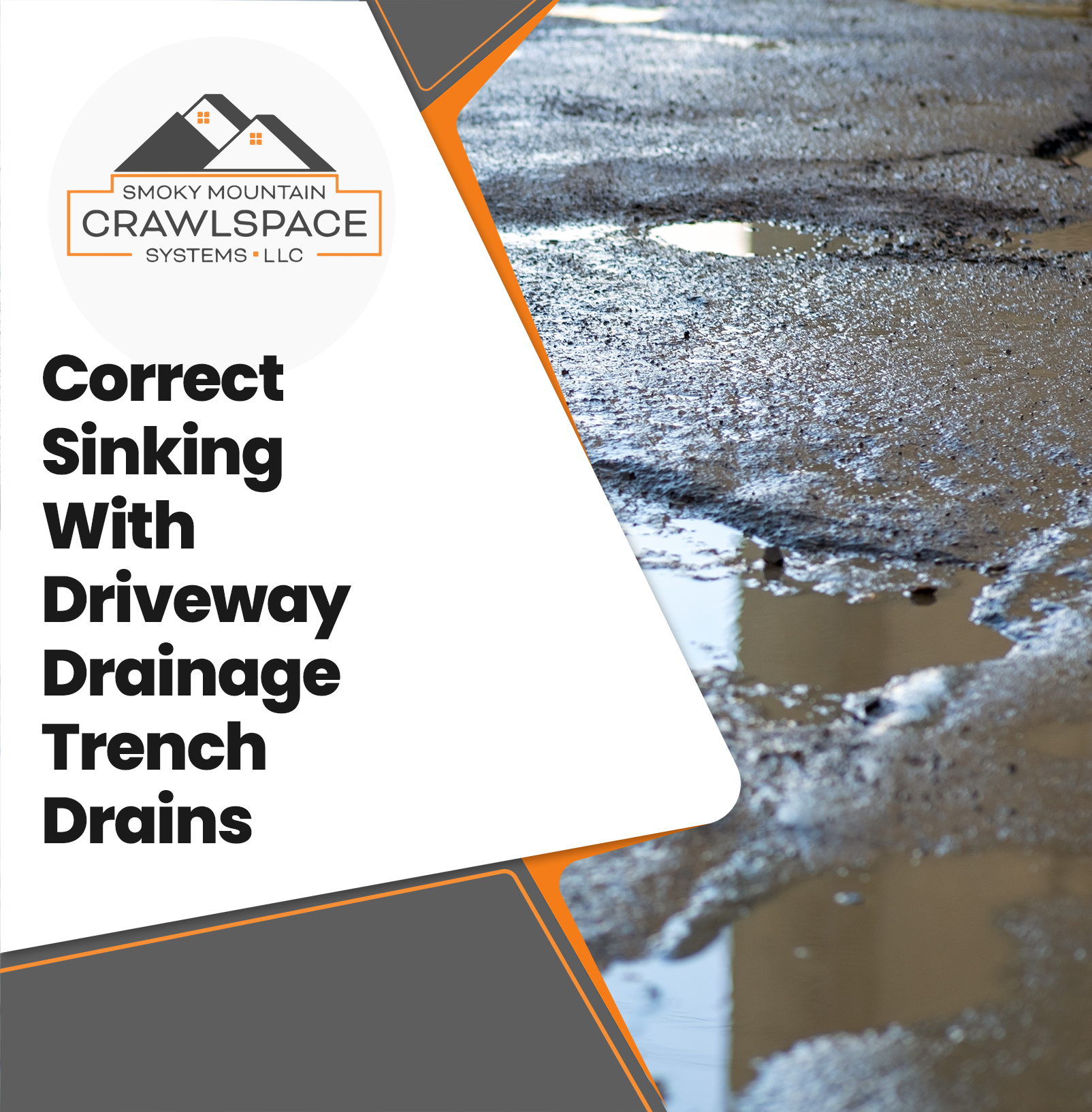
 The whole goal of driveway drainage is to prevent it from flooding by allowing surface water to flow away from it into the surrounding soil. Utilizing the top techniques for driveway drainage is especially crucial when creating a new driveway. This is due to the possibility that improper driveway installation might result in floods and excessive surface water later on. Both of these can cause overall damage to your property.
According to common regulations, newly constructed driveways must be equipped with an appropriate driveway drainage system. If your driveway isn't made of a porous material, like gravel, you may end up frequently needing to apply for planning approval. A primary function of the porous material, like gravel, is so that surface water may drain away.
Below we will cover more information about why driveway drainage is so important for your property as a whole.
The whole goal of driveway drainage is to prevent it from flooding by allowing surface water to flow away from it into the surrounding soil. Utilizing the top techniques for driveway drainage is especially crucial when creating a new driveway. This is due to the possibility that improper driveway installation might result in floods and excessive surface water later on. Both of these can cause overall damage to your property.
According to common regulations, newly constructed driveways must be equipped with an appropriate driveway drainage system. If your driveway isn't made of a porous material, like gravel, you may end up frequently needing to apply for planning approval. A primary function of the porous material, like gravel, is so that surface water may drain away.
Below we will cover more information about why driveway drainage is so important for your property as a whole.
Key Reasons Why Driveway Drainage Is So Important
- Avoiding Backed-Up Drains: If there is a lot of extra water on your driveway, it may not only be coming from your driveway. It can also be coming from your house's roof, gutter, or even your neighbor's structure, which might cause a lot of water to flow off of your own driveway and cause flooding or pooling concerns in yet another residence's yard!
- A Remedy For Very Soggy Driveways: Consistently wet driveways may cause moss and general mold to accumulate in the driveways' cracks, crevices, and surfaces. Any driveway would look awful with these ailments.
- Several Holes and Fissures: The water between the cracks in your driveway will ultimately freeze over the winter, leading to cracks in the concrete from the expanding water! Your driveway may even develop a pothole as the problem worsens. Proper drainage helps avoid these potential hazards.
- Without a drainage system, water that runs from your driveway toward your house could possibly lead to puddles forming on the house's exterior walls. This might eventually result in humidity and mold on the inside walls and flooring or other problems caused by excess moisture in or around the home.