 For homeowners, basement floor cracks can be a source of anxiety. After all, professional companies (like us here at BARRIER Waterproofing Systems!) continue to spread the news that cracks can spell some serious foundation problems. While this is most certainly the truth, the good news is that most floor cracks in the basement are common and don't require fixing.
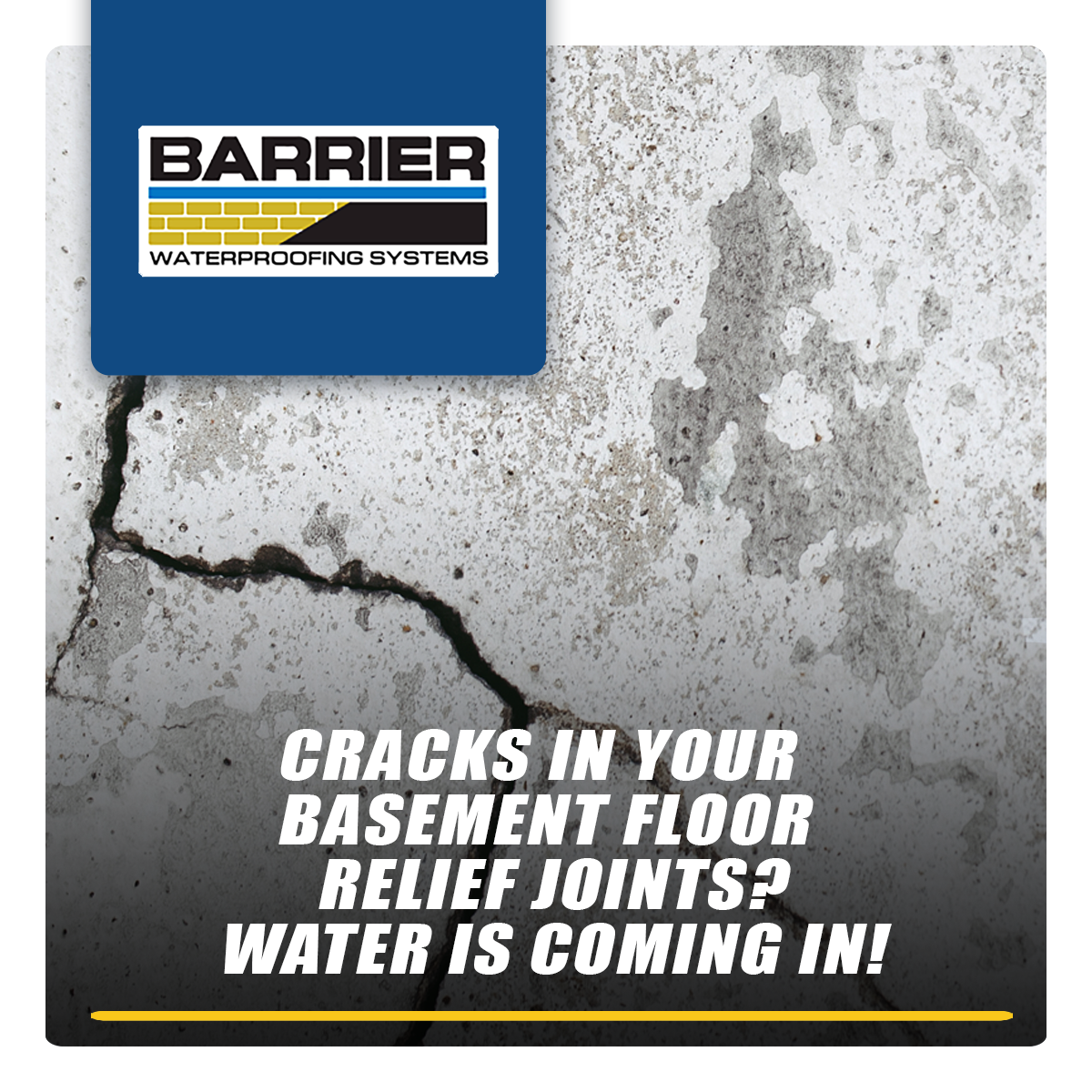
That being said, certain basement floor fractures can allow harmful soil vapors, dampness, and water to enter your home's foundation. Learning what the cracks in your basement floor represent and whether or not they need to be repaired is the goal of today's post.
For homeowners, basement floor cracks can be a source of anxiety. After all, professional companies (like us here at BARRIER Waterproofing Systems!) continue to spread the news that cracks can spell some serious foundation problems. While this is most certainly the truth, the good news is that most floor cracks in the basement are common and don't require fixing.
That being said, certain basement floor fractures can allow harmful soil vapors, dampness, and water to enter your home's foundation. Learning what the cracks in your basement floor represent and whether or not they need to be repaired is the goal of today's post.
Why Do Basement Floors Crack?
After a house is constructed, foundation fractures frequently appear. These fractures are frequently common, non-structural cracks that result from a naturally occurring settling. A foundation can become fractured for a variety of reasons, including the sinking of the house, concrete shrinkage and curing, tension, and even faulty construction.What Do You Know About Drainage Systems?
Water accumulates around your home and can exert pressure (known as hydrostatic pressure) on the foundation if the soil surrounding it is not properly graded or there is inadequate drainage. This pressure can lead to foundation cracking. You may ease hydrostatic pressure and lessen the likelihood of cracks in your basement by taking a few easy steps.Solutions to Improve Drainage:
- Seek help from a professional waterproofing company to verify that the landscape is leveled appropriately and slopes away from the foundation.
- Maintain the functionality of cleanliness of your gutters. If you don't already have gutters and downspouts, have them installed properly!
- Extend your downspouts away from home to prevent water from being dumped too close to the foundation walls.
- Include interior perimeter drainage and a reliable basement sump pump system in your questions to your local waterproofing experts. These systems can help protect your home.
Types of Basement Floor Cracks & Professional Solutions
Level of Sinking Should be Considered with Cracks in Concrete Floor
A concrete slab foundation may fracture as a result of foundation settlement, and the portion of the slab that is least supported will further sink into the property. As a result, the uneven surface may create tripping hazards. Solution: An uneven basement flooring should be leveled. A sinking concrete slab can be permanently raised and stabilized with the right interventions. Whether leveling your foundation or repairing the existing concrete, our team can help!- Cracks With Signs Of Tough Problems That Need To Be Addressed
- Although Unattractive, Flaking Or Spalling Doesn't Need To Be Repaired
These flaws might happen for a few reasons, including when the concrete mix is too wet or hasn't been fully cured. Essentially, the concrete's top layer begins to peel off as the water evaporates and loosens. Spalling concrete is unsightly, but it is more than likely the slab is still in decent condition. Solution: Do not use paint to cover up the issue! The floor's surface will probably continue to flake, causing the paint to come off with it when it does. Consider concrete resurfacing for a brand-new finish and to stop further spalling. Installing waterproof flooring over the concrete is an additional cosmetic choice.
- Mild Hairline Cracks Do Not Need Repairing
- 1/8-Inch Or Wide Cracks Can Be Sealed