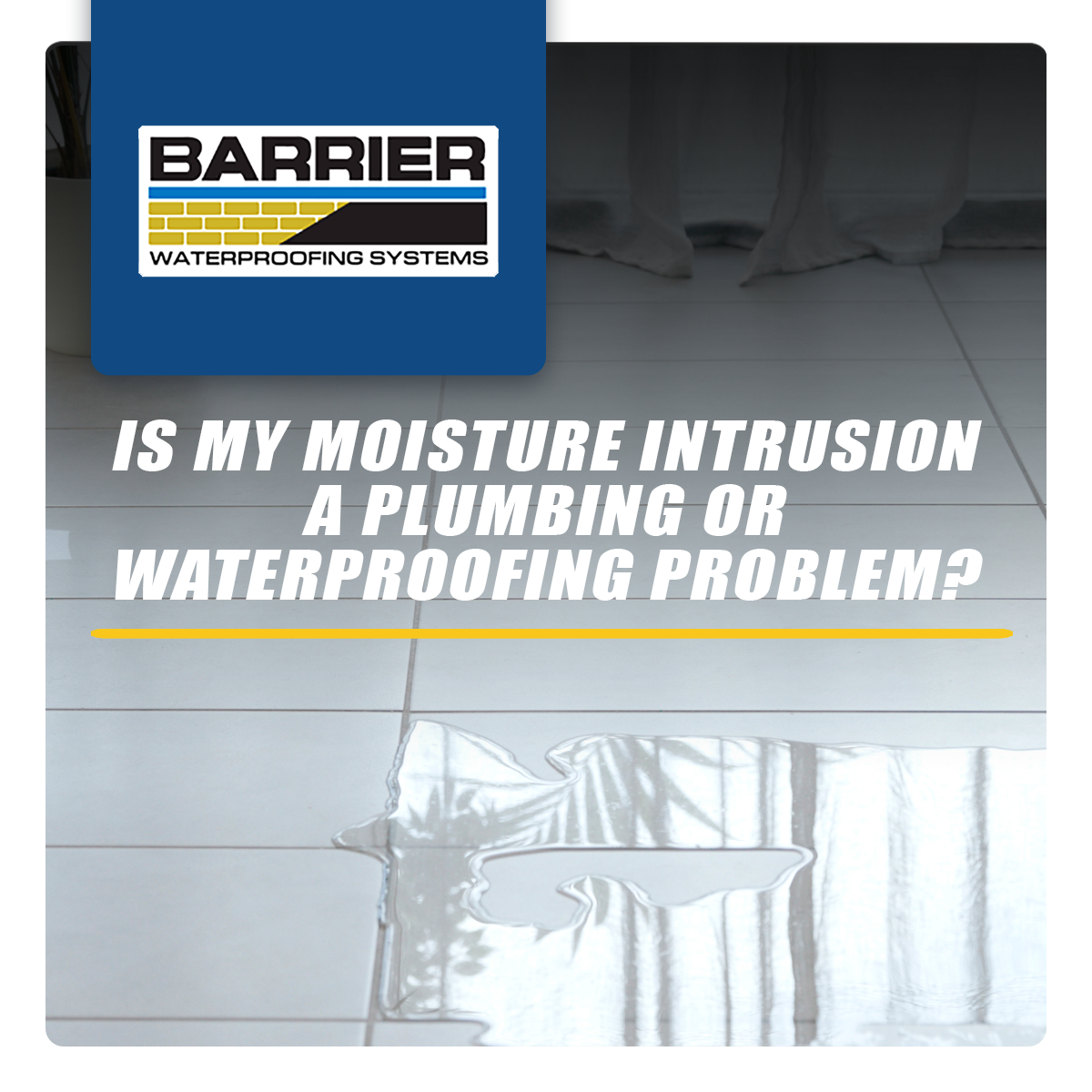
 Water infiltration inside a home is a major problem that must be resolved immediately. There are several variables and causes that might contribute to water leakage, including cracked walls, corroded waterproofing, leaking AC units, plumbing leaks, corrosion, and more. In short, both a plumbing problem and a waterproofing problem can cause moisture intrusion to occur in your home.
Water leaks within the home will always have negative effects on your home. Some of these include musty odors, the development of microorganisms, bug infestations, damaged goods, and many more. Therefore, although the house needs a complete health checkup to determine the true source of the moisture intrusion, here is a summary of likely candidates for causing those pesky water problems.
The potential sources of water infiltration might be very different, but because of how buildings are constructed they typically fit into well-known categories. One of the most frequent variables is a leak in your roofing system or ceiling, for example. These are typically brought on by some weakness in the roof itself.
Another frequent reason for moisture encroachment in many homes is a water line break or sewage backup, particularly if such systems have aged considerably. When they malfunction, fire sprinkler systems requiring plumbing may also produce leaks, which can swiftly result in serious damage to both the room's ceiling and the room itself.
It doesn't take much for a little flaw to grow and allow a sizable amount of flooding; moisture can also enter your home from the outside through basement walls or the floor. The overflowing of surrounding streams and rivers, snowmelt, intense rainfall, and localized flooding are just a few examples of natural meteorological conditions that most oftentimes turn into significant sources of water intrusion!
Water infiltration inside a home is a major problem that must be resolved immediately. There are several variables and causes that might contribute to water leakage, including cracked walls, corroded waterproofing, leaking AC units, plumbing leaks, corrosion, and more. In short, both a plumbing problem and a waterproofing problem can cause moisture intrusion to occur in your home.
Water leaks within the home will always have negative effects on your home. Some of these include musty odors, the development of microorganisms, bug infestations, damaged goods, and many more. Therefore, although the house needs a complete health checkup to determine the true source of the moisture intrusion, here is a summary of likely candidates for causing those pesky water problems.
The potential sources of water infiltration might be very different, but because of how buildings are constructed they typically fit into well-known categories. One of the most frequent variables is a leak in your roofing system or ceiling, for example. These are typically brought on by some weakness in the roof itself.
Another frequent reason for moisture encroachment in many homes is a water line break or sewage backup, particularly if such systems have aged considerably. When they malfunction, fire sprinkler systems requiring plumbing may also produce leaks, which can swiftly result in serious damage to both the room's ceiling and the room itself.
It doesn't take much for a little flaw to grow and allow a sizable amount of flooding; moisture can also enter your home from the outside through basement walls or the floor. The overflowing of surrounding streams and rivers, snowmelt, intense rainfall, and localized flooding are just a few examples of natural meteorological conditions that most oftentimes turn into significant sources of water intrusion!
How Do I Know My Home Is Being Damaged By Moisture Intrusion?
Water can be dispersed through your home by way of leaks, harming your house and promoting unwelcome organic development. You might not always be aware that a leak has developed, especially since much of the plumbing in your home is hidden from view. Understanding and searching for typical symptoms that lead to leaks are one of the most effective strategies to safeguard your property from future leaks (as well as repair damage before it spreads!). There are some typical indications of water leakage:- Spots of darkness on the ceiling and walls
- A stale, musty smell or persistent musty odors
- Paint flaking off and plaster crumbling
- Arrival of pests
- Watermarks and color changes
- Moist masonry
- Mildew or mold growth
- Drips from the roof or puddles on the floor near the walls