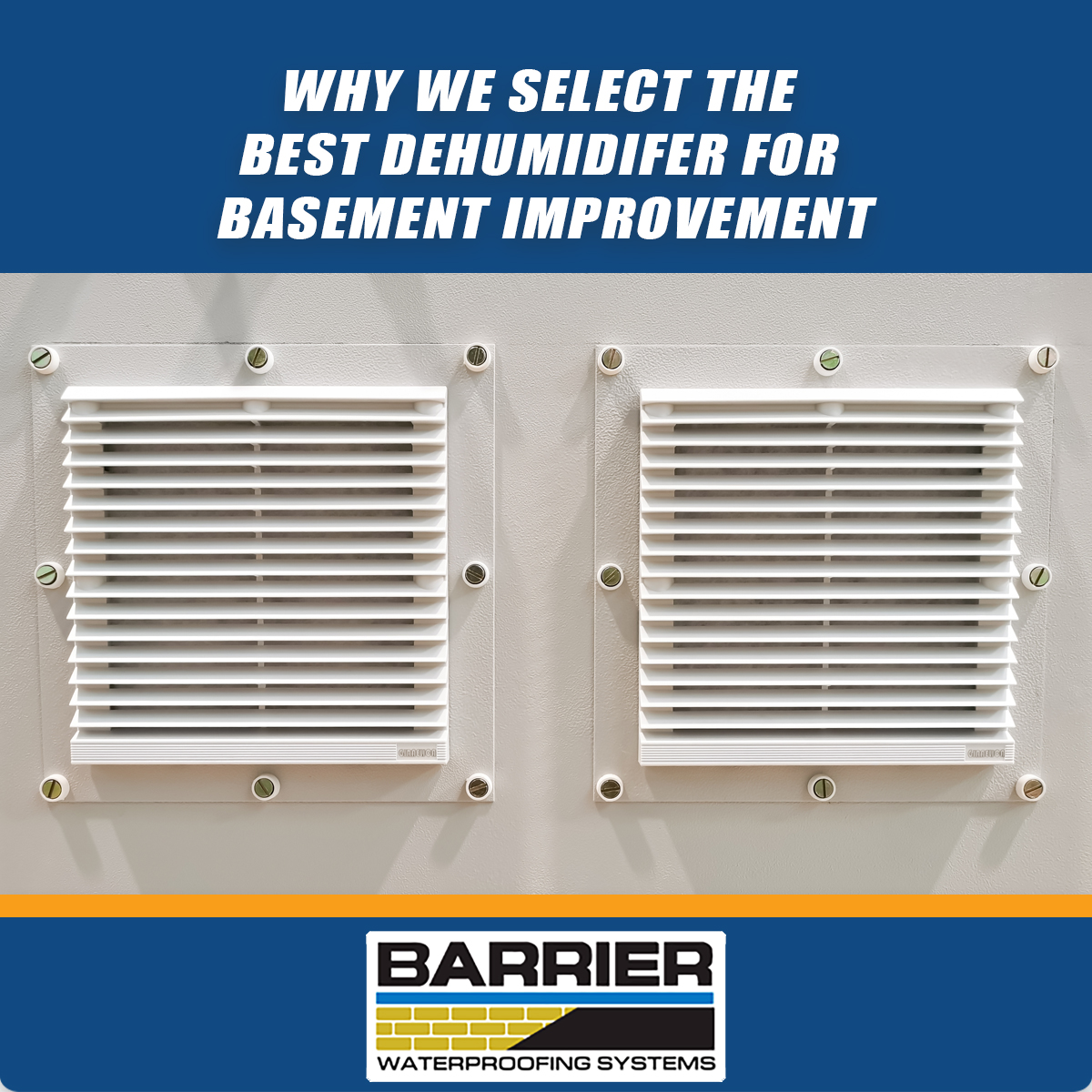
 Basement dehumidifiers lower the chance of mold and mildew formation, resulting in cleaner, safer air in your house. Basements collect moisture from the surrounding soil below ground level, making them wet and musty. Inhaling mold spores can cause respiratory and allergic reactions, as well as causing damage to basement furniture and other belongings.
These are some of the reasons the best dehumidifier for basement improvement is needed. Read on if you’re looking for a device to remove extra moisture from the air. You’ll discover how to select the finest dehumidifier for basements and other parts of your house, as well as details on our top recommendations.
Signs and Conditions You Need the Best Basement Dehumidifier
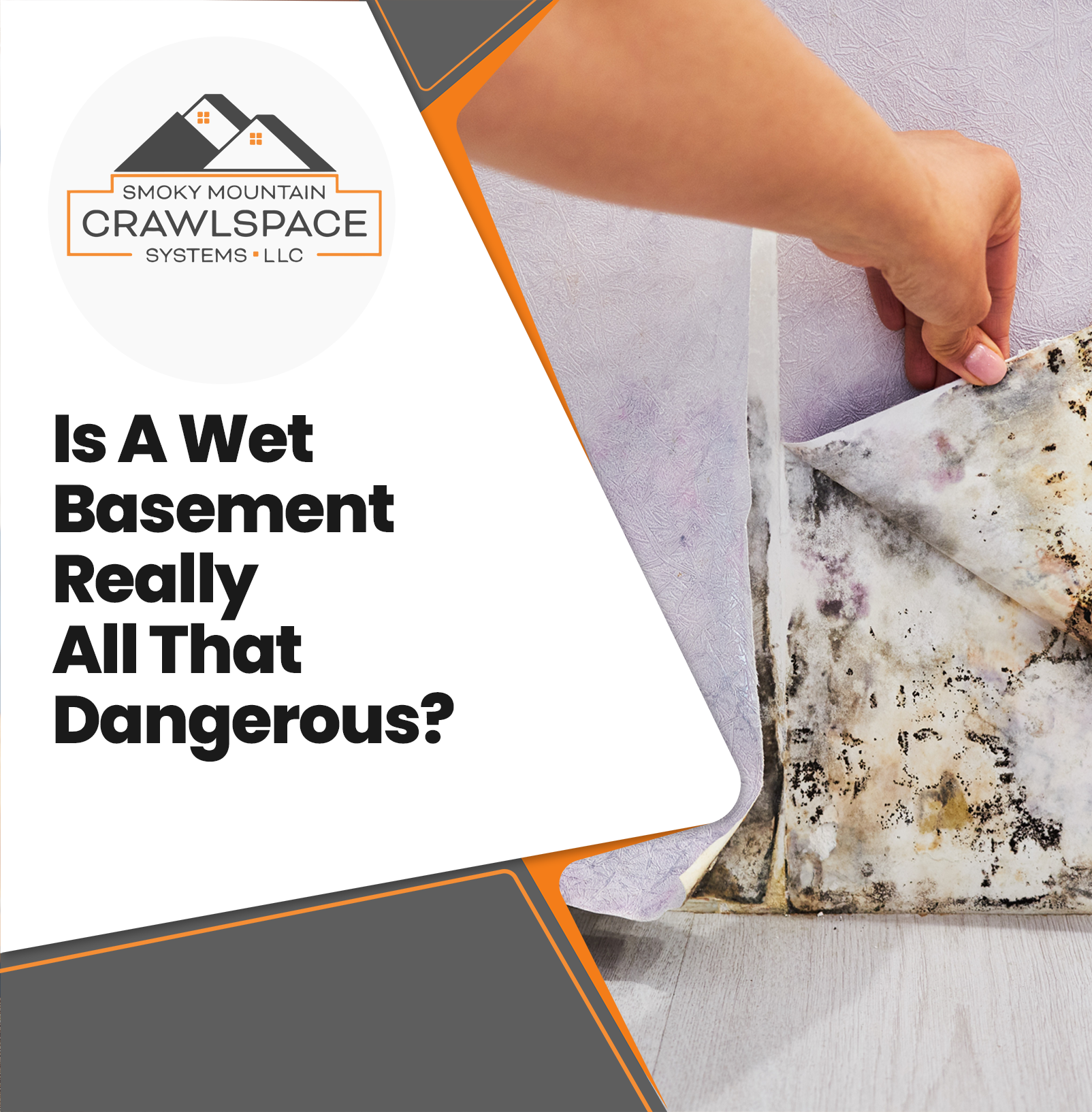
High moisture levels aren’t always so easy to detect – knowing the signs to watch for will help you know if you need to install a basement dehumidifier to address moisture in this area of your home. Signs you need the best dehumidifier for basement improvement include: ● Mold development might be seen on the floors, ceilings, walls, or other surfaces. ● When you touch the walls, they feel moist. ● Condensation is seen on the surfaces. ● In the basement, there is a moldy or musty stench. ● Moisture is rising through the foundation, as shown by watermarks on the flooring. ● Mold or mildew smells and has visible growth on items stored in the basement.Reasons to Choose Best Dehumidifier for Basement Improvement
Are you finding one reason for choosing the best dehumidifier? In this case, you’re mistaken because there are many reasons. Take a look!- Mold development can be slowed by using a dehumidifier. Mold thrives in moist, humid environments, and as mold develops, mold spores are released. “Allergy and asthma symptoms can be activated in persons who have sensitive airways by breathing in chemicals termed allergens, or triggers,” according to the National Institutes of Health (NIH). Mold is a frequent cause of asthma. “The National Institutes of Health suggests to use the dehumidifier to reduce allergy trigger exposure.”
- Dust mite allergies can be reduced with the use of a dehumidifier. Dust mites with the by-products are among the most frequent home allergies. A healthy population of dust mites thrives in the humid air. According to the prime research published in the Journal of Allergy and Clinical Immunology, residences with relative humidity below 51 percent (which may be achieved with air conditioning and high-efficiency dehumidifiers) had much lower numbers of live dust mites and dust mite-related allergies. After 17 months, the low-humidity homes had ten times fewer levels of live dust mites and dust mite allergens than the higher-humidity homes.
- Maintain the Proper Drainage System Although all dehumidifiers include collecting tanks, some versions additionally allow you to connect a drainage hose (usually a normal garden hose) to transfer collected moisture into a floor drain. When the collecting tank is full, the unit will automatically shut off; therefore, if you won’t empty it every day, you should get a unit with a drain hose.
- Manage the Maximum Noise Level Dehumidifiers make a noise akin to a window air conditioner’s hum, and the higher the capacity, the louder the unit. Manufacturers aren’t allowed to indicate the noise levels on their units. However, most dehumidifiers emit between 53 decibels (similar to a typical conversation) and 65 dB (equivalent to the sound of street traffic).