Have you noticed excess water collecting on your windows and doors? While it may seem natural to assume that the windows or doors are creating the problem, condensation (the same excess water collecting droplets on your doors and windows as you would see on your glass of cold drink outside in the summer) is really an indication of humidity.
Humidity, or moisture in the air of your home, can accumulate naturally from common indoor tasks. Of course, if the condensation on the window panes is forming on the inside of the home, then it is important to take note that there is a high potential of moisture damage being done in your living areas.
Some signs of excess moisture present in your home:
- A feeling of “dampness” in the air
- Colored or stained interior surfaces
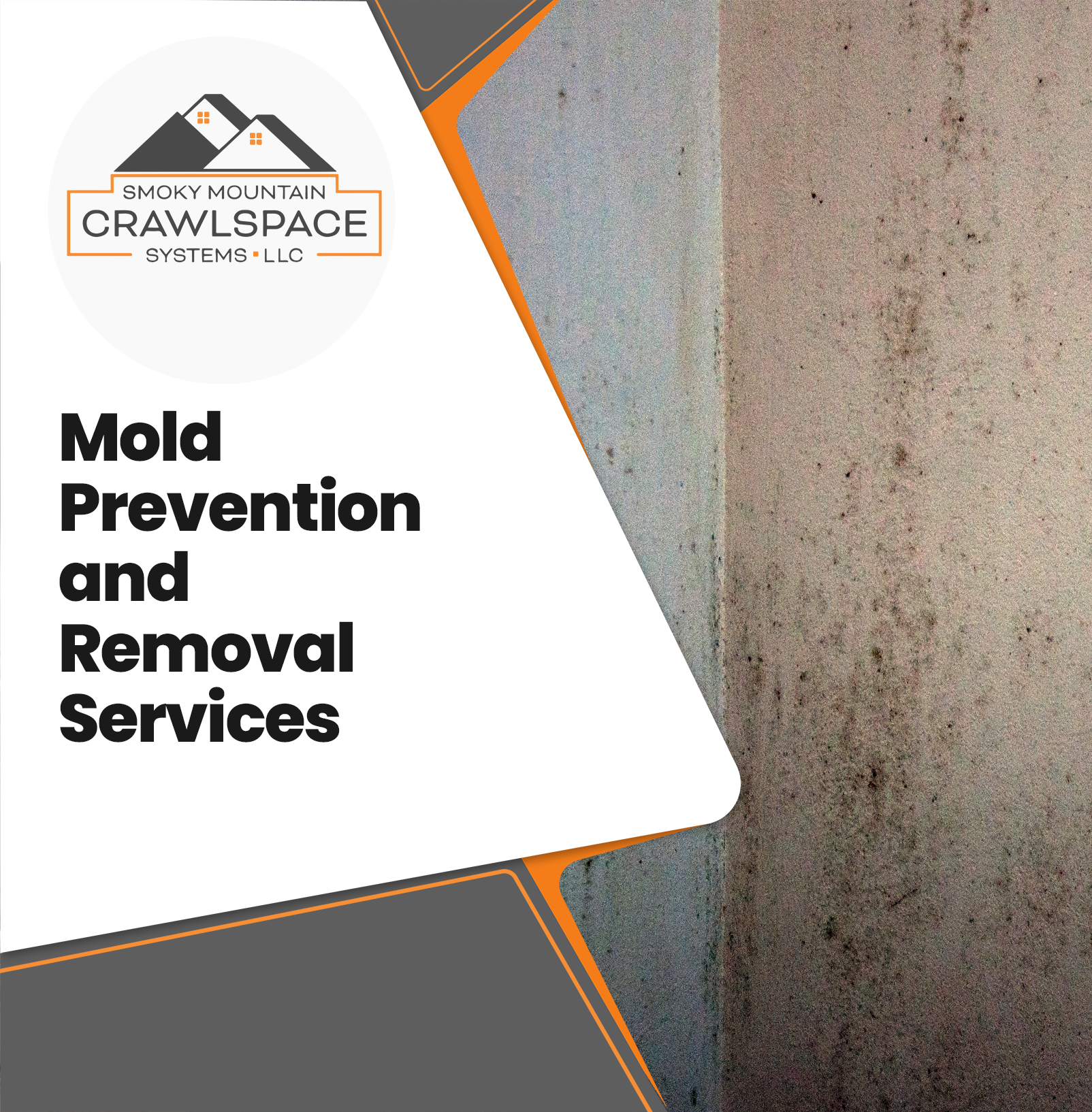
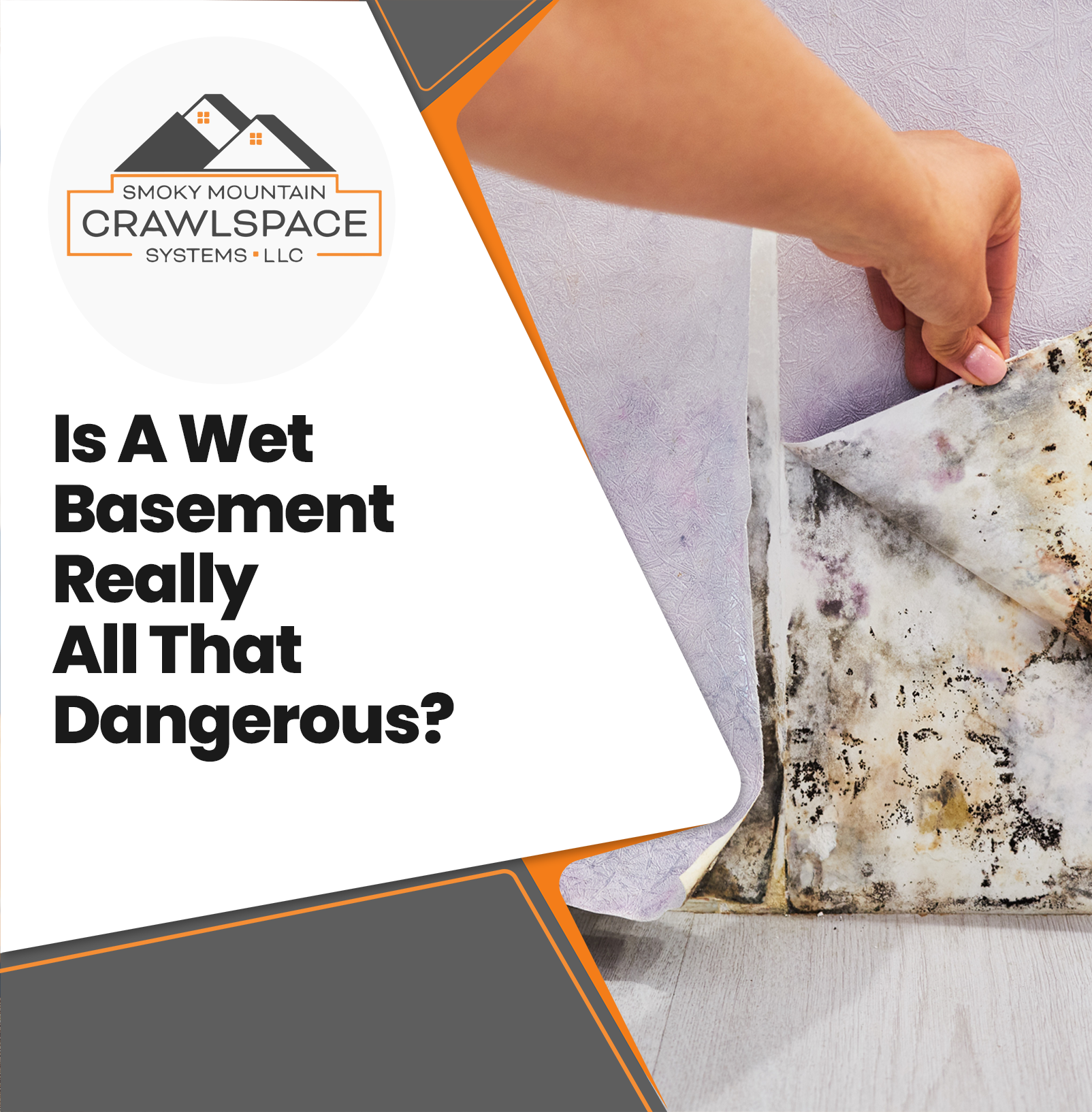
- Mold/mildew present and/or a must smell
- Warping wooden surfaces
- Paint that is cracking, peeling, or blistering
- Damp spots on the ceiling
What causes condensation is when warm, moist air comes into contact with surfaces cooler than itself. The excess moisture in the air then condenses when the cooled air aside the cool surface can't hold as much moisture as the more warm and surrounding air.
One of the most humid places in your home actually lies below the floorboards. It is your crawl space, and with as much moisture that can accumulate there, if not properly maintained, you could be dealing with large amounts of damage. The humid air from the outside, when allowed to rather freely enter into the crawl space (especially those awful crawl space vents!) can bring enough moisture in to create a myriad of problems like the following:
- Mold and mildew growth
- A prime environment for animal infestation
- Wood rot
- Soil erosion
- Damage to the foundation of the home
- Cracked or bowing crawl space walls
- and more
There are also some above ground consequences your home could face from crawl space moisture that you might otherwise not think of the crawl space as being the culprit. For example, warped or “cupped” floorboards are a telltale sign of moisture intrusion, and could very well be pointing at the amount of humid air below. Another common scenario is when the walls to your garage are becoming rotten, or the structural integrity of the garage framing is sinking or failing.
While the amount of humidity it takes in your home to cause damage like peeling paint or stained interior surfaces is more than likely to be coming up through your crawl space, it can contribute a significant amount to the moisture of the air in your home. Along with that moisture will also come remnants of any mold or mildew growth occurring there and be brought up right into your living spaces.
Sealing the crawl space off from the bottom of the home and surrounding elements will ensure the moisture stays out of your crawl space, keeping it safe, dry, and healthy. This process is called encapsulation. Give your local waterproofing contractors at
Barrier Waterproofing Systems call today at (615) 257-1060 for an estimate on a project like this and make an investment in the health of your home and your family.