 Retaining top talent remains a major challenge for many companies, making executive coaching an increasingly popular solution. Coaching demonstrates a commitment to professional growth, enhancing job satisfaction and loyalty among high-level leaders. It equips executives with the skills and support needed to overcome obstacles and thrive in their roles. This investment reduces turnover and strengthens leadership continuity.
Guiding Leaders Through the Emotional Impact of Change
Change can trigger uncertainty, resistance, and anxiety among employees and leaders alike. Executive coaches work closely with leaders to acknowledge these emotional responses and develop strategies for addressing them constructively. By fostering emotional intelligence and empathy, coaches help executives create a supportive environment that eases the transition and builds trust throughout the organization.
Clarifying Vision and Communicating Purpose
A clear, compelling vision is essential during times of change. Executive coaches assist leaders in refining and articulating the organization’s purpose and the reasons behind the change. Effective communication ensures everyone understands the transformation’s goals and benefits, which reduces resistance and fosters alignment.
Enhancing Adaptability and Resilience in Leadership
Organizational change demands flexibility and resilience. Coaches help executives strengthen these qualities, enabling them to respond to setbacks and uncertainties calmly and resourcefully. This resilience inspires teams to stay engaged and persevere through challenges.
Developing Strategic Change Management Skills
Executive coaches equip leaders with proven change management tools and frameworks. This training includes assessing risks, identifying key stakeholders, and planning phased implementations. Such strategic approaches increase the likelihood of successful change initiatives and minimize disruption.
Fostering Collaboration and Inclusion
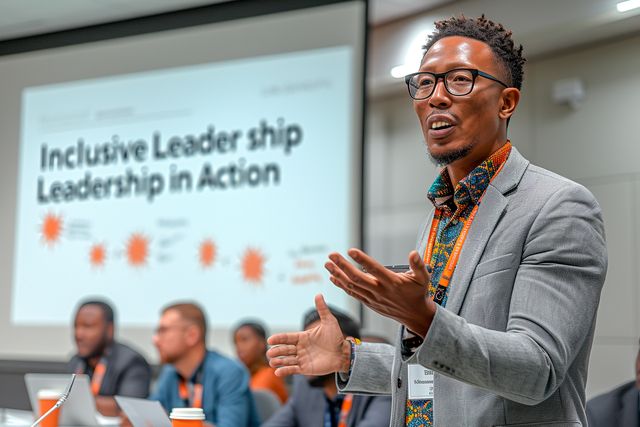
Inclusive leadership is critical during change, as it encourages diverse perspectives and collective problem-solving. Executive coaches guide leaders in promoting collaboration across departments and levels. This inclusive approach improves buy-in and uncovers innovative solutions to complex challenges.
Addressing Resistance and Building Engagement
Resistance to change is natural, but it can hinder progress if left unmanaged. Coaches assist executives in identifying sources of resistance and crafting tailored strategies to address concerns. They also help leaders engage employees actively, turning skeptics into advocates for the change.
Monitoring Progress and Adjusting Course
Change efforts rarely follow a straight path. Executive coaches encourage leaders to monitor progress regularly, gather feedback, and remain open to adjusting strategies as needed. This agility ensures the organization can respond quickly to emerging issues and maintain forward momentum.
Companies recognize that coaching fosters engagement by addressing stress, improving work-life balance, and boosting confidence. It also prepares leaders to meet business demands, benefiting the organization. Companies create a culture that values development and long-term success by integrating coaching into retention strategies. Executive coaching thus becomes a key asset in attracting and keeping top performers.
My name is Kerrie Hoffman, a licensed executive and business coach passionate about business transformation and guiding companies into The Next Age™. As a #1 bestselling business author and CEO of Hoffman Digital, I lead an ecosystem of companies focused on igniting the human experience at work. With over 35 years of experience, I specialize in accelerating business growth through human potential and digital transformation. My background spans CIO, operations, supply chain, and sales roles at Aurora Health Care, Johnson & Johnson, and Johnson Controls. I empower leaders to embrace innovation, drive new business models, and unlock their full potential.