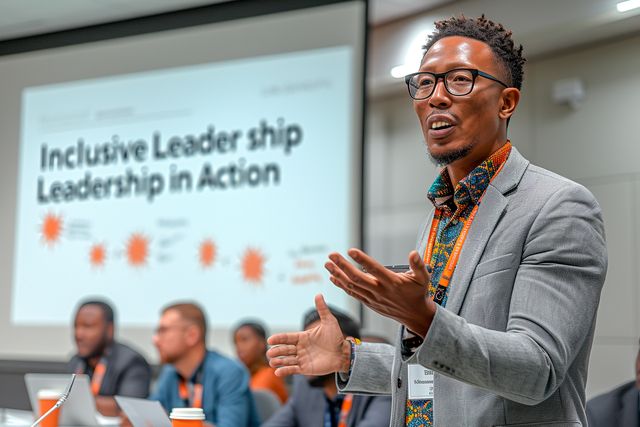
 Strategic Change Requires More Than a Plan
In my work as an executive coach, I’ve found that one of the most critical roles a leader plays is guiding an organization through change. Whether it’s a significant shift in business strategy, a technology implementation, or a new market entry, change initiatives are rarely just operational—they’re deeply human.
Strategic change involves altering how an organization thinks, acts, and performs. That’s why even the best strategies can falter if they’re not supported by strong, adaptable leadership. My role as a coach is to help executives navigate these transitions in ways that inspire trust, foster alignment, and maintain momentum moving forward.
The Leader’s Role in Strategic Change
Leaders are the visible drivers of any transformation. Their ability to communicate a clear vision, address concerns, and model new behaviors determines whether a change is embraced or resisted. Without this leadership, teams may lose focus, and the change effort can stall before it delivers results.
Through executive coaching, I work with leaders to strengthen the skills needed to guide their organizations through uncertainty. This includes setting a compelling direction, creating measurable goals, and ensuring that every part of the organization understands its role within the broader context.
Common Barriers to Successful Change
Even with a solid plan, organizations face common challenges when implementing strategic change:
- Lack of Alignment: Teams may not fully understand the change or its impact on their work.
- Change Fatigue: Running multiple initiatives simultaneously can lead to employee burnout.
- Communication Gaps: Without consistent messaging, rumors and resistance can grow.
- Short-Term Focus: Leaders may become overly focused on immediate issues, losing sight of the long-term objective.
My coaching process helps leaders identify these barriers early and develop strategies to address them before they undermine progress.
How Executive Coaching Supports Change Leadership
- Clarifying the Vision
A clear and compelling vision ensures that the change has a defined purpose. I help leaders refine this message so it resonates with stakeholders at all levels. - Building Change Leadership Skills
Leading through change requires adaptability, emotional intelligence, and resilience. Coaching sessions focus on developing these capabilities, enabling leaders to respond effectively to challenges and opportunities. - Creating Engagement Strategies
People support what they help create. I work with leaders to design engagement plans that involve employees in shaping and implementing the change. - Strengthening Communication
Consistent, transparent communication builds trust. I guide leaders in delivering messages that are clear, honest, and aligned with the organization’s values. - Maintaining Momentum
Change takes time. Coaching helps leaders set milestones, track progress, and keep teams motivated through each stage of the transition.
From Planning to Measurable Results
The most successful strategic changes are those that move beyond a vision statement and become part of the organization’s DNA. Executive coaching bridges the gap between planning and execution by ensuring that leaders possess the necessary tools, strategies, and mindset to bring about change and see it through to completion.
In Wauwatosa’s dynamic business environment, the ability to drive and sustain change is a competitive advantage—leaders who can navigate transitions with confidence and clarity position their organizations for long-term success.
Lead Change with Confidence
Strategic change is challenging, but it’s also one of the most rewarding opportunities a leader will encounter. With the proper coaching support, you can guide your organization through transformation in a way that strengthens both performance and culture.
Contact me today to learn how executive coaching can help you lead strategic change that delivers real, lasting results.