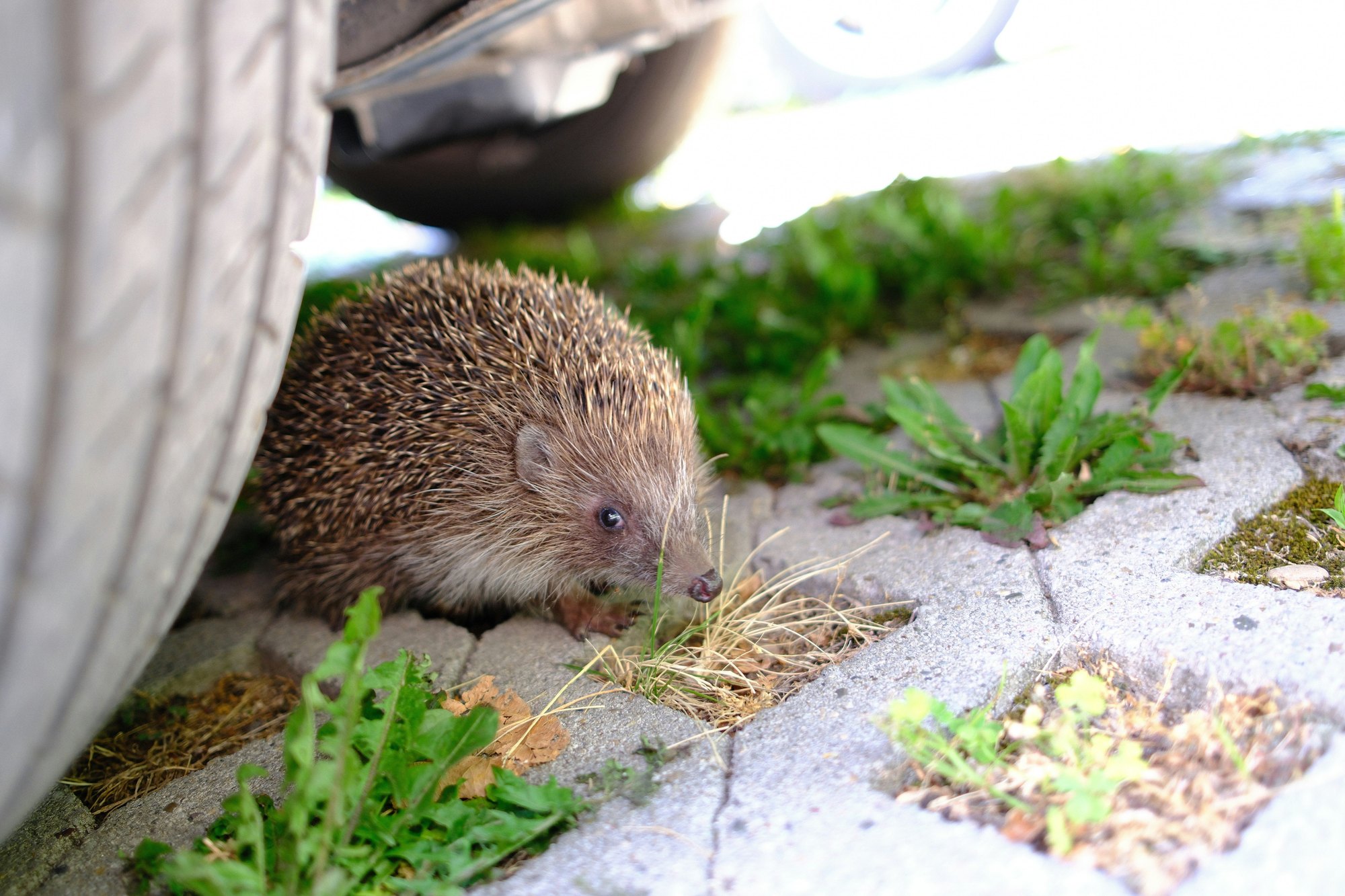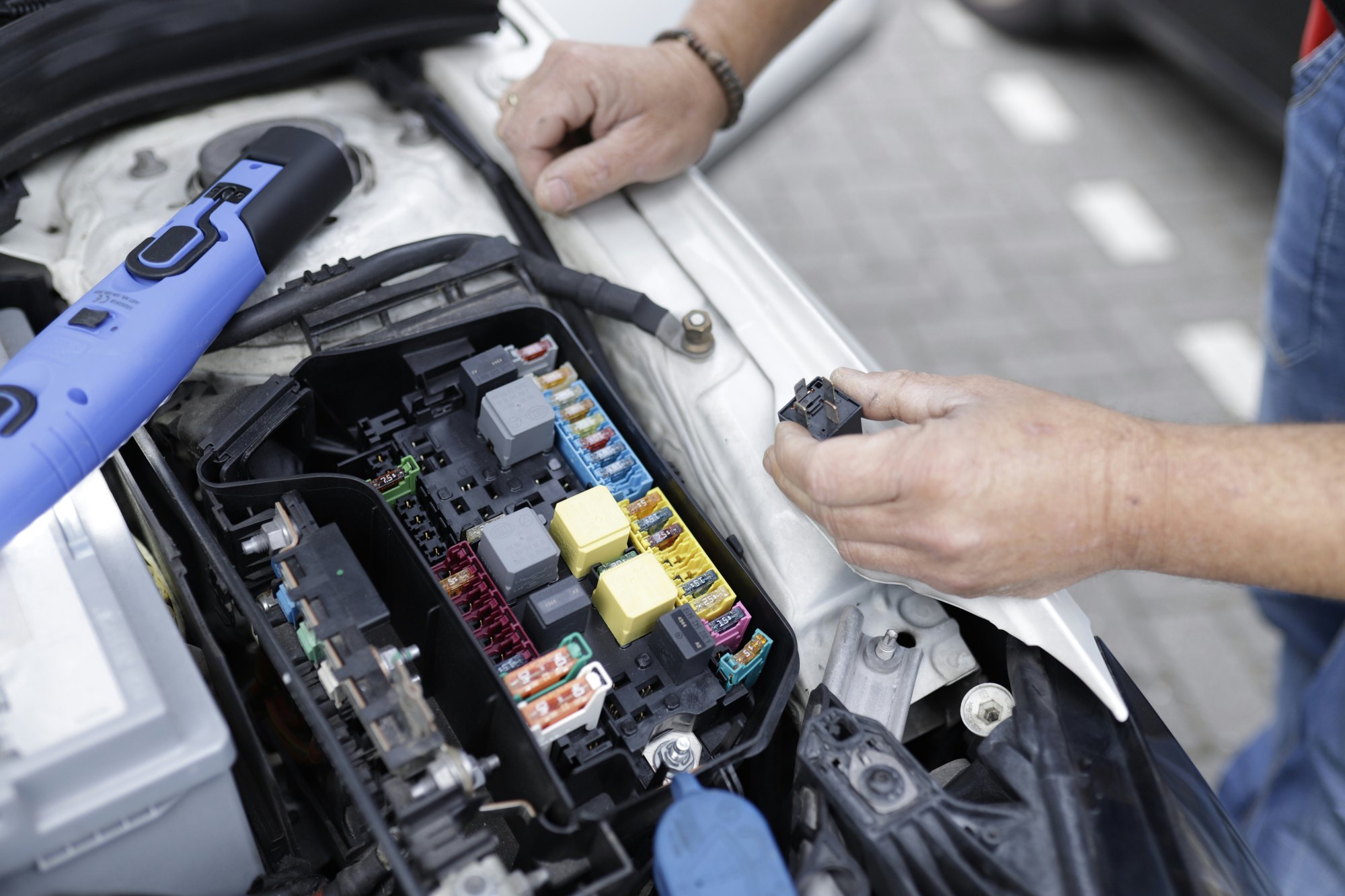
At M & R Automotive of Menlo Park, CA, we see a fair number of vehicles with rodent damage to the wiring. This is especially common in the winter months when mice and rats like to nest inside cars or seek out the warmth and relative safety of the engine bay.
Once inside, rodents will sometimes chew through wiring harnesses, hoses, insulation and other components. Even a vehicle parked inside a garage isn’t necessarily protected from mice and rats, which can squeeze through tiny holes and cracks.
Rodents don’t chew through wiring harnesses and other components because they’re vindictive. The problem is their incisors never stop growing, and gnawing helps wear their teeth down, to maintain a functional length. They tend to chew on things closest to their nesting area, which can even sometimes be used as additional bedding.
Unfortunately, automotive wiring insulation, plastic wire looms, rubber hoses and other components make for convenient targets. While the damage might look minor at first, even a small bite in a wiring harness can expose copper conductors. This in turn will weaken the wire or potentially even sever the electrical connection.
Unfortunately, signs of rodent activity aren’t always immediately obvious, and even if you’re vigilant, you might not notice chewed wires right away. Yet when there’s a mouse or rat nest hiding somewhere in your car or engine bay you might notice some telltale signs.
Dashboard warning lights appearing unexpectedly is a common sign gnawed wires have caused a short somewhere in the car’s electrical system. This could even happen in conjunction with the car being difficult to start, headlight problems, flickering internal lights and even engine misfires.
A strange sour smell in the engine compartment or coming through the ventilation system is also a potential sign of a rodent problem. You might even notice shredded insulation, droppings, leaves or nesting material under the hood or falling suspiciously from under the car.
If you find a rodent nest, you might be able to simply remove it by hand. Yet usually by this point, the damage is already done. So, the wise move is to schedule your car for a thorough inspection. Our technicians will find all rodent nests, remove them and repair the damaged wires or other components.
Repairing a chewed wiring harness usually requires more than wrapping electrical tape around a damaged section. Automotive wiring needs to be able to withstand engine heat, road vibrations, moisture and movement.
Our automotive technicians will examine all the affected areas and identify which wires, connectors or systems have been damaged by rodents. We’ll assess whether the damage affects the insulation, conductor strands, connector terminals or a larger portion of the car’s wiring harness. This typically includes testing the electrical integrity of the wires to determine if they need to be repaired or replaced.
With many of these cases, we can repair the damaged wire section using an automotive-approved splice and insulation method. Other situations require replacement of a connector, wiring section or entire harness.
Once the rodent damage to the car’s wiring harness has been properly repaired, there are things you can do to reduce the chance of it happening again. This starts with removing food sources and avoiding leaving food inside the vehicle.
Do your best to keep the garage organized, while reducing access to cardboard, fabric, paper and other common rodent nesting materials. Seal gaps around garage doors and openings where rodents may enter.
Consider rodent deterrents such as peppermint oil, dryer sheets, moth balls and similar home remedies. These sometimes have mixed results, so don’t rely on them as guaranteed protection, but they add another layer of prevention.
If you’ve noticed signs of potential rodent damage to wires, or other components, the wise move is to schedule an appointment at M & R Automotive. We’ll perform a thorough inspection, repair any damage to the car’s wiring harness or other affected areas, and help you understand how to keep mice and rats from doing it again.