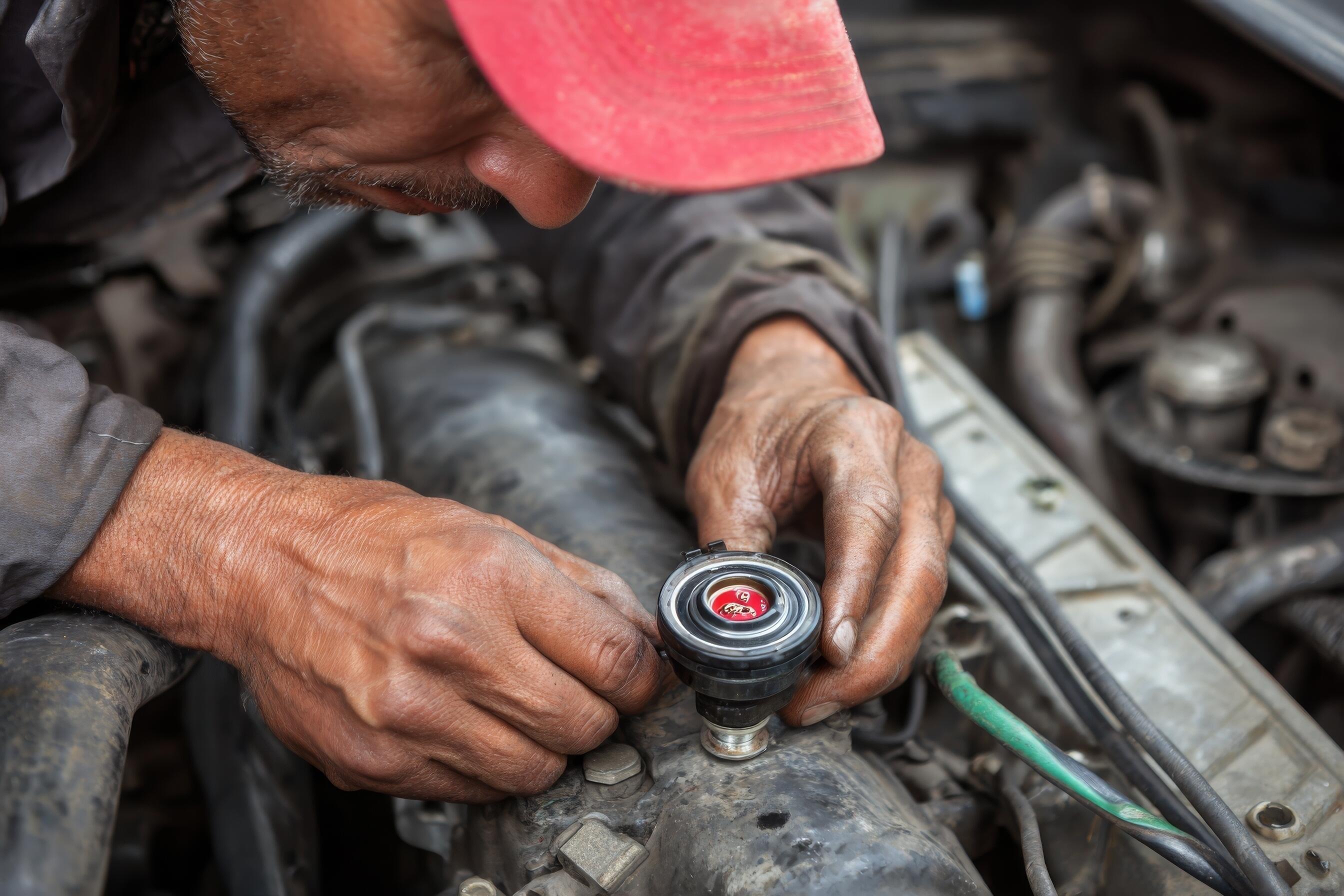
At M & R Automotive, we routinely inspect the cooling system of Honda Accords, and similar vehicles to determine if a coolant flush is needed. Our service technicians look at the condition of the coolant and will often recommend a flush to remove old fluid and contaminants. This allows fresh coolant to circulate through the system to prevent corrosion and overheating.
In the Honda Accord, fresh coolant does more than simply move heat through the engine. It also contains additives designed to help protect metal components from corrosion. These special additives gradually degrade over time making them less effective at preventing corrosion.
Coolant contamination is another potential problem solved by a routine flush and fill. Rust particles, scale deposits and other particulate matter will gradually accumulate throughout the engine and radiator. Left unchecked they can develop into sludge and restrict coolant movement. When this happens, the engine becomes increasingly at risk of overheating.
Older coolant gradually degrades, to the point where it might not provide the same level of thermal performance as fresh coolant. This is why waiting for an overheating warning before thinking about coolant service is rarely a good idea. The routine inspections we perform proactively look for signs of contamination, leaks and other cooling-system problems before they become more serious issues.
If a proper coolant flush is called for, we do more than simply remove the fluid sitting in the reservoir. Our comprehensive coolant flushing process starts with thoroughly draining all the old coolant and removing trace deposits from the system. Then we replace the old fluid with the correct coolant for your make and model of Honda Accord.
Fresh coolant effectively restores the fluid's intended thermal characteristics to help the engine maintain the proper operating temperature range. It also helps protect metal galleries in the engine and the radiator from corrosion and particulate matter buildup.
Just how often you need a coolant flush and fill depends on the Honda Accord's model year, mileage, coolant type and maintenance history. If you don’t know when the coolant was last serviced, our technicians will inspect it to look for signs of trouble throughout the cooling system.
During a routine service inspection our technicians look for visible discoloration, debris in the coolant or evidence of a leak. Be sure to let us know if your engine’s temperature gauge has been running higher than normal. A recurring sweet coolant odor, visible coolant under the vehicle or unexplained changes in coolant level are also common signs of a problem.
You should never ignore overheating problems in a Honda Accord. Continuing to drive an overheating car could easily turn a cooling-system problem into a much more expensive engine repair.
If your Honda Accord has been running hot or showing signs of a coolant system problem, call M & R Automotive to schedule a service appointment. Our technicians will inspect the engine cooling system to determine whether your Honda Accord needs coolant service or repairs.