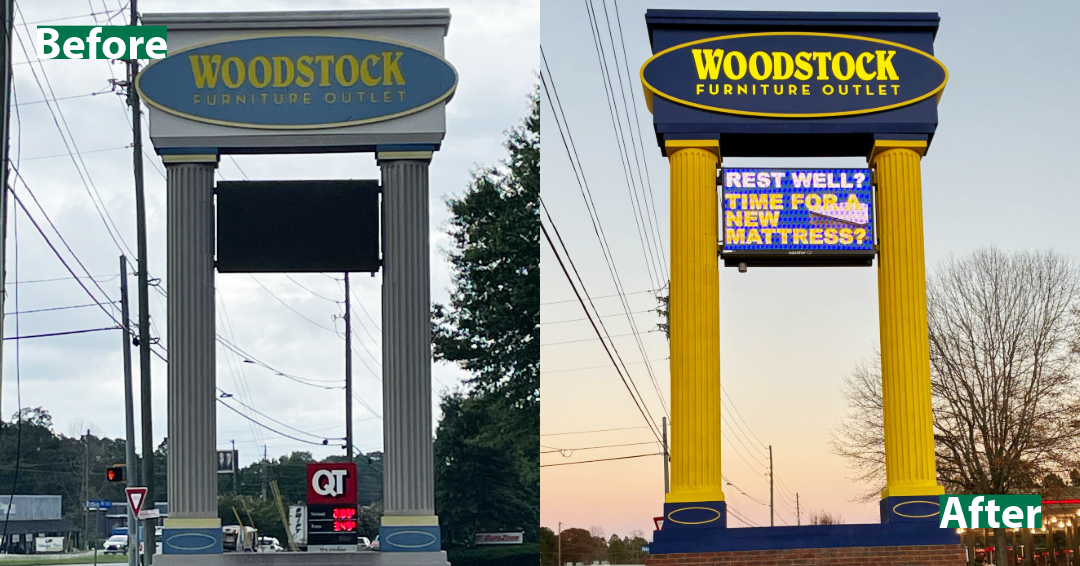
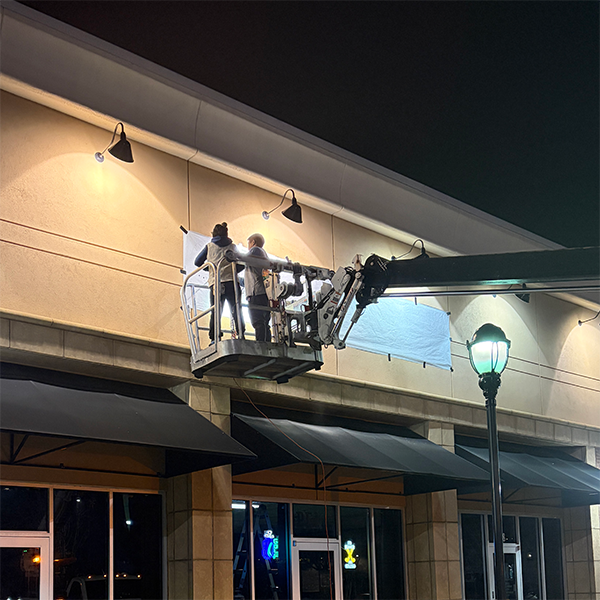
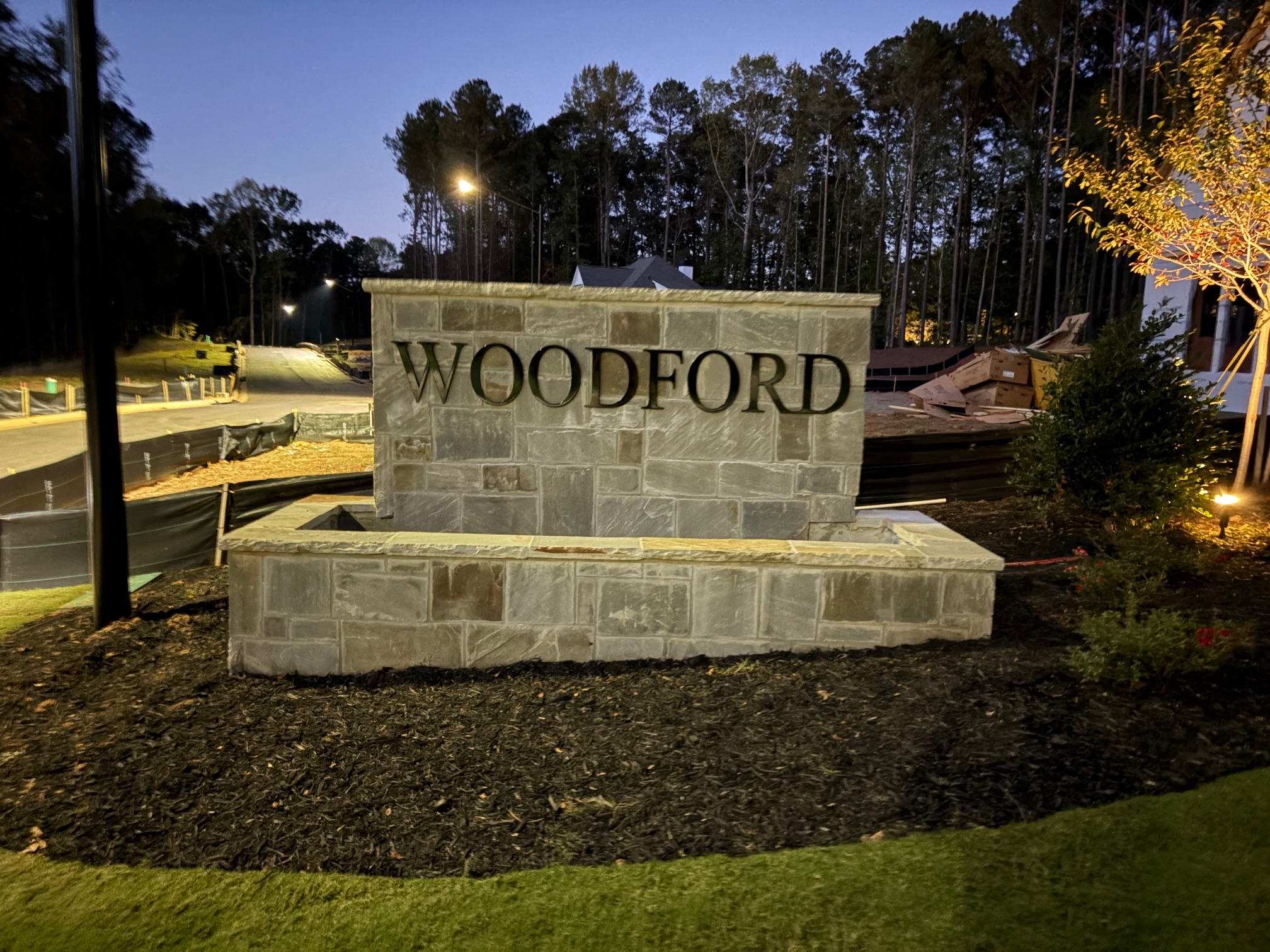
Sign projects feel simple—until permits, scheduling, and installation details show up. If you’re planning new signage in Marietta, a clear process is the difference between a smooth project and weeks of avoidable delays. Here’s what a full-service sign process looks like, step by step, so you know what to expect and how to keep things moving.
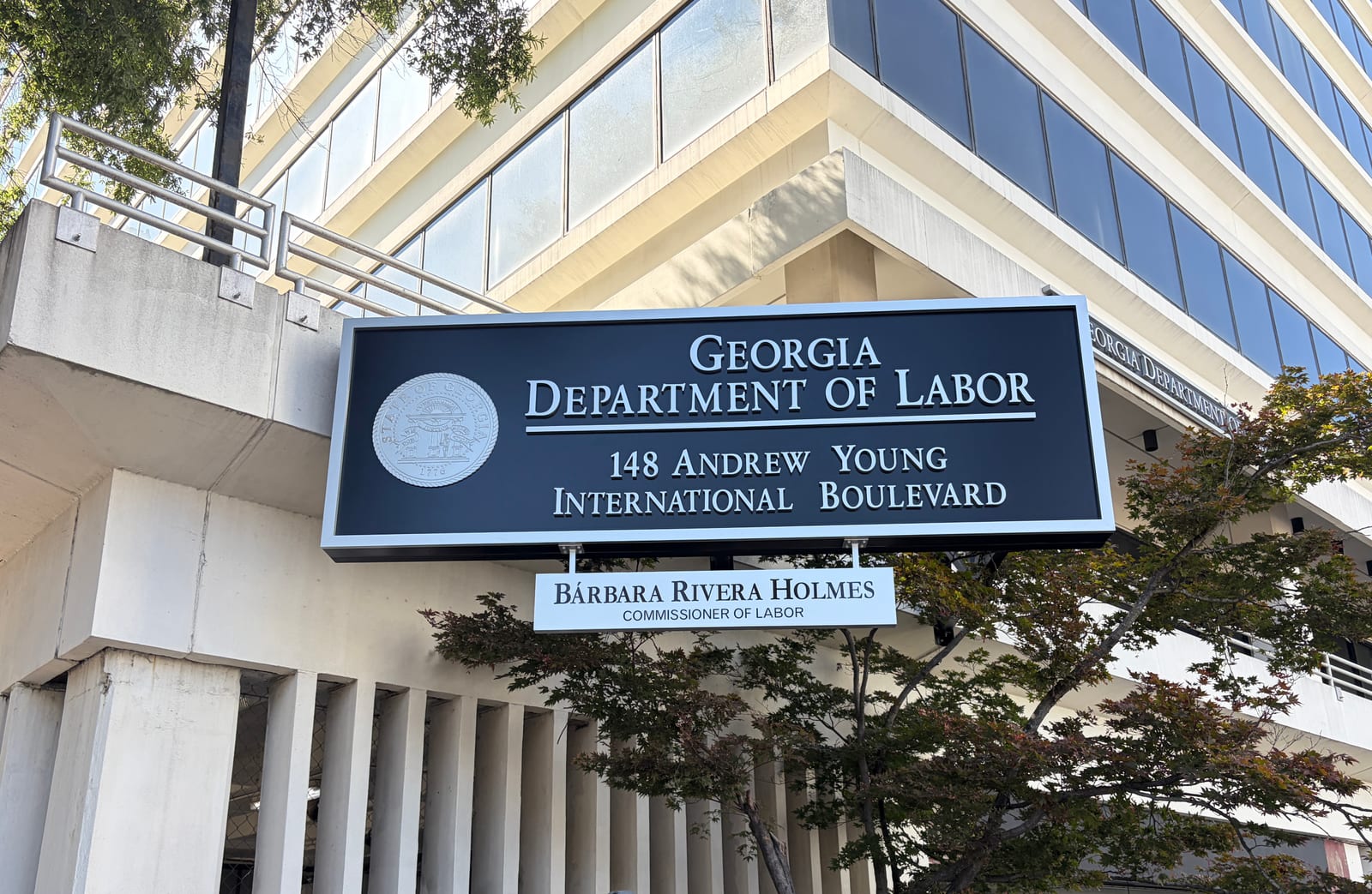
[caption id="attachment_1608" align="alignright" width="371"]
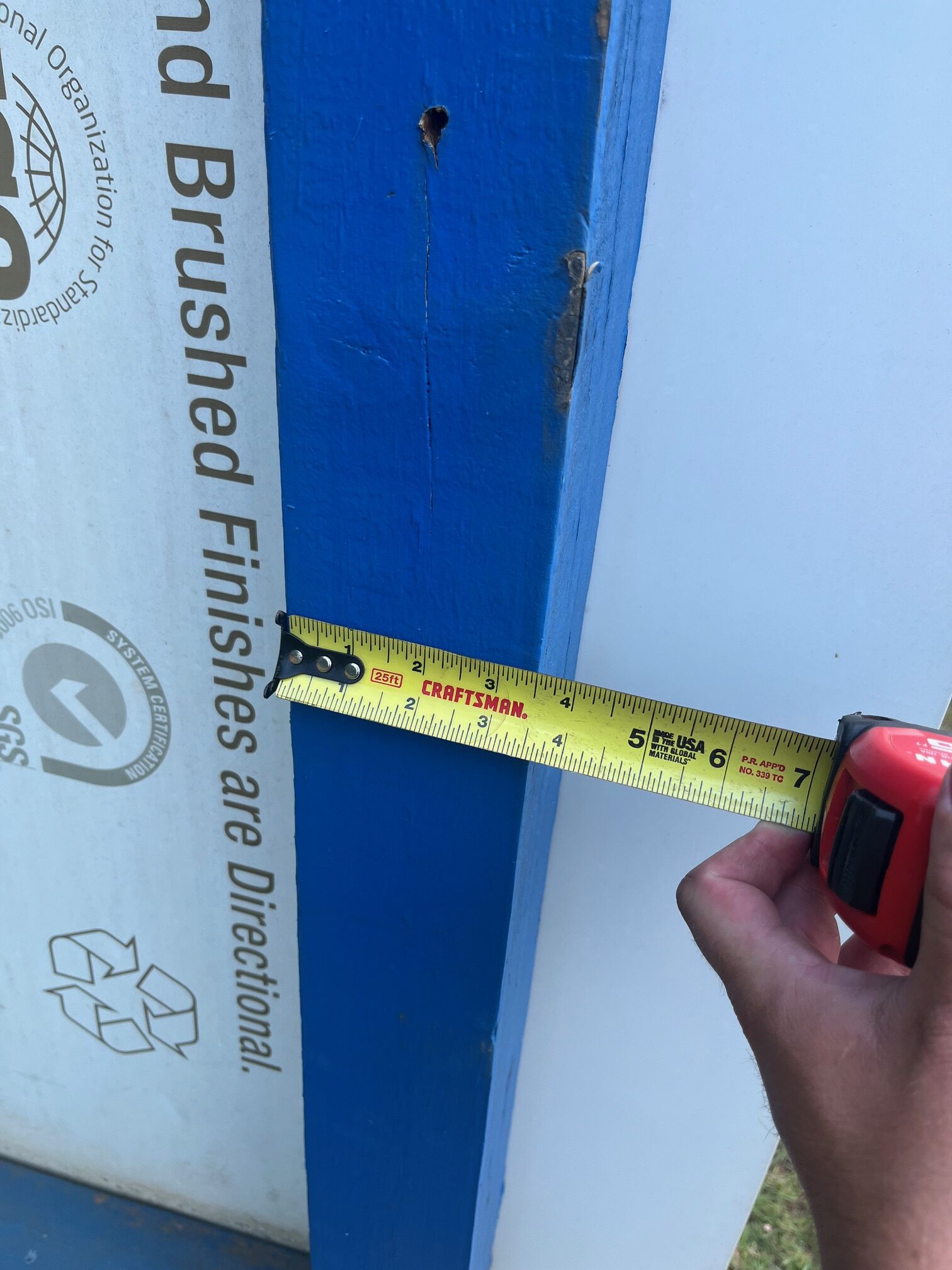
On-site measurement to ensure the sign panel fits correctly.[/caption]
Step 1: Site review and visibility goals
Before design starts, confirm what the sign needs to do:
- Get found from the road (visibility and wayfinding)
- Get confirmed once customers arrive (trust and clarity)
- Look established (curb appeal and brand consistency)
This step also checks placement, sight lines, and any property requirements that can affect the final design.
Step 2: Design for real-world readability
Great sign design is not just aesthetics—it’s readability at a distance. For most Marietta locations, the biggest improvements come from:
- High-contrast colors
- Fewer words (short message, fast comprehension)
- Clear hierarchy (business name first)
- Letter sizing and spacing that works from the road
Step 3: Specs and engineering (when needed)
Some signs require structural planning, electrical considerations (for illuminated signs), and exact material specifications. Getting this right protects the sign long-term and prevents install-day surprises.
Step 4: Permits and approvals
Permits are one of the most common reasons sign timelines stretch. Many monument signs and building ID signs require approvals, and requirements can vary by sign type and placement. This is especially important in Historic Districts like Marietta's.
- Confirm what’s required early
- Prepare accurate drawings/specs for submission
- Plan for review time before scheduling installation
[caption id="attachment_1607" align="alignleft" width="462"]
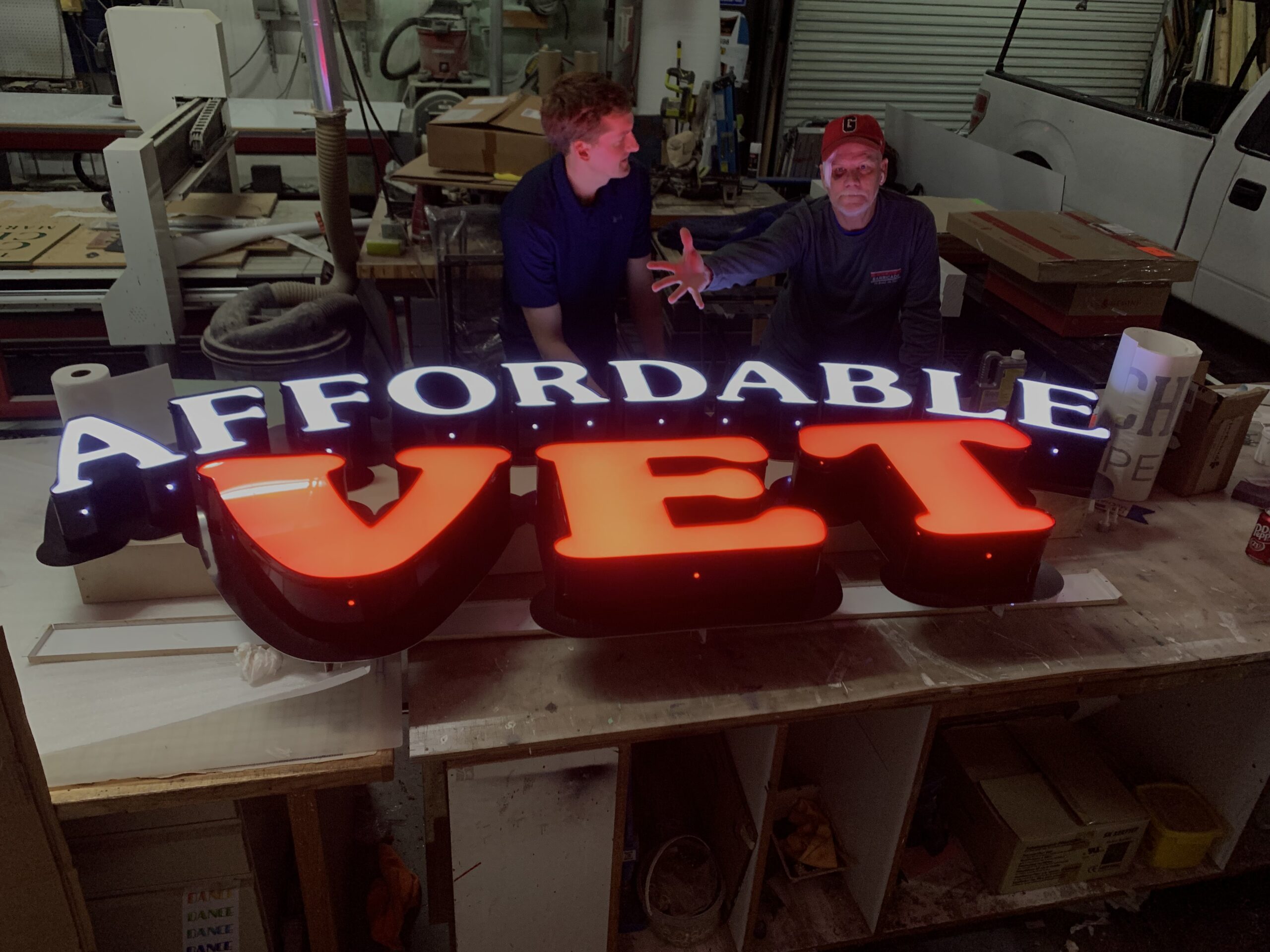
Custom illuminated channel letters for Affordable Vet, built in-house.[/caption]
Step 5: Manufacturing and finishing
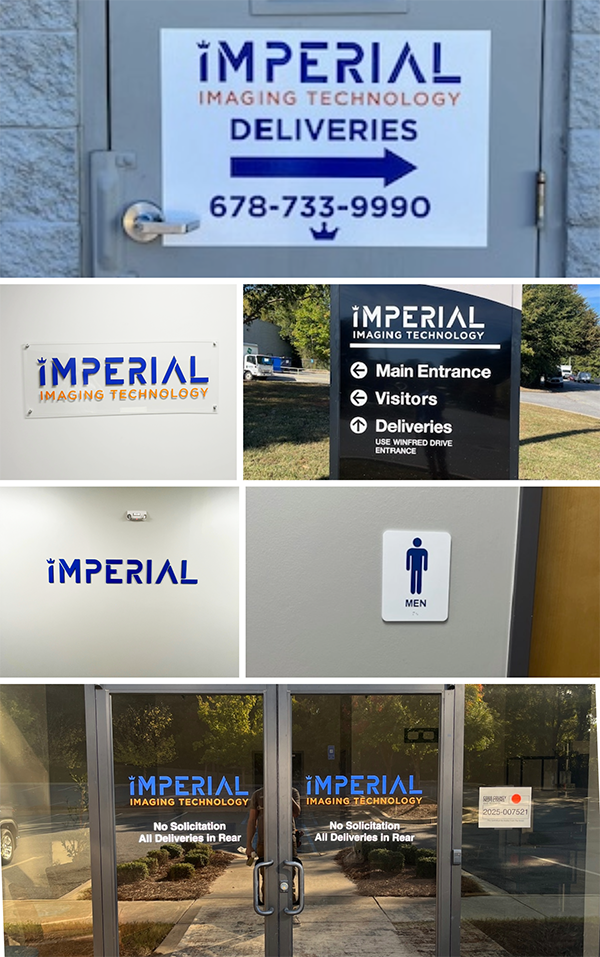
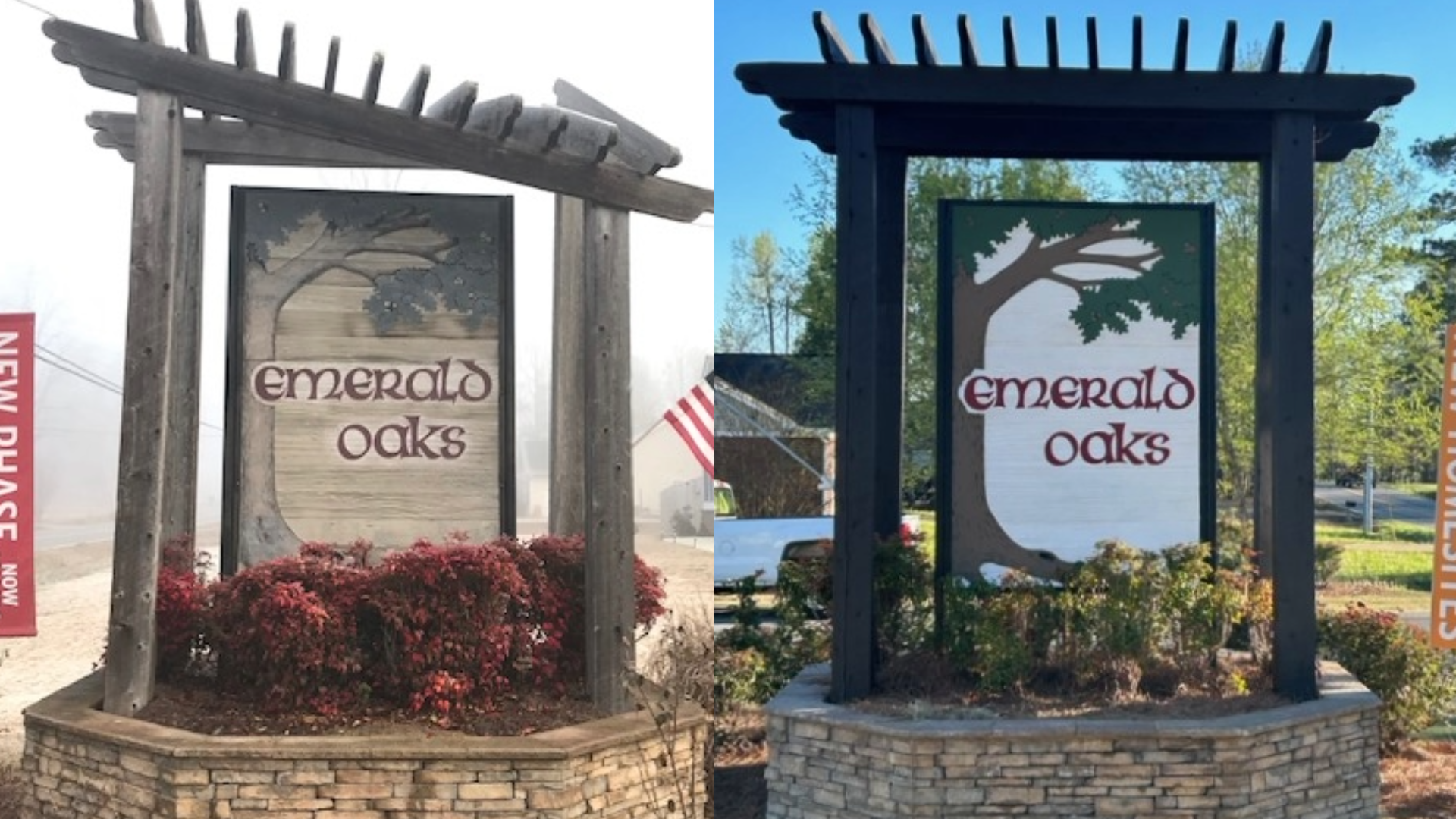
This is where quality shows up. Materials, fabrication, and finishing determine how your sign holds up in sun and weather—and how professional it looks from day one.
Step 6: Scheduling and coordination
Installation often involves coordinating access, equipment, and timing so your business isn’t disrupted. A good plan accounts for:
- Site access and property rules
- Business hours and customer flow
- Crew and equipment scheduling
Step 7: Installation and final check
A professional install protects your investment. The final check confirms the sign looks right from the street, lighting (if applicable) works properly, and the site is left clean.
Timeline note (typical)
Many projects run
4–6 weeks from design approval to installation, especially when permits are involved. Starting early is the easiest way to keep your project on track.
FAQ
Why do sign projects take weeks?
Permits, fabrication time, and scheduling crews/equipment are usually the biggest factors.
What can I do to speed up a sign project in Marietta?
Start early, approve designs promptly, and work with a team that can manage permits, manufacturing, and installation in one coordinated process.
Is full-service worth it?
If you want fewer handoffs, fewer surprises, and a smoother timeline—yes, especially for permit-required projects.
Call to action: Planning a sign project in Marietta? Start now and we’ll help you scope it correctly from day one—design, permits, manufacturing, and installation.