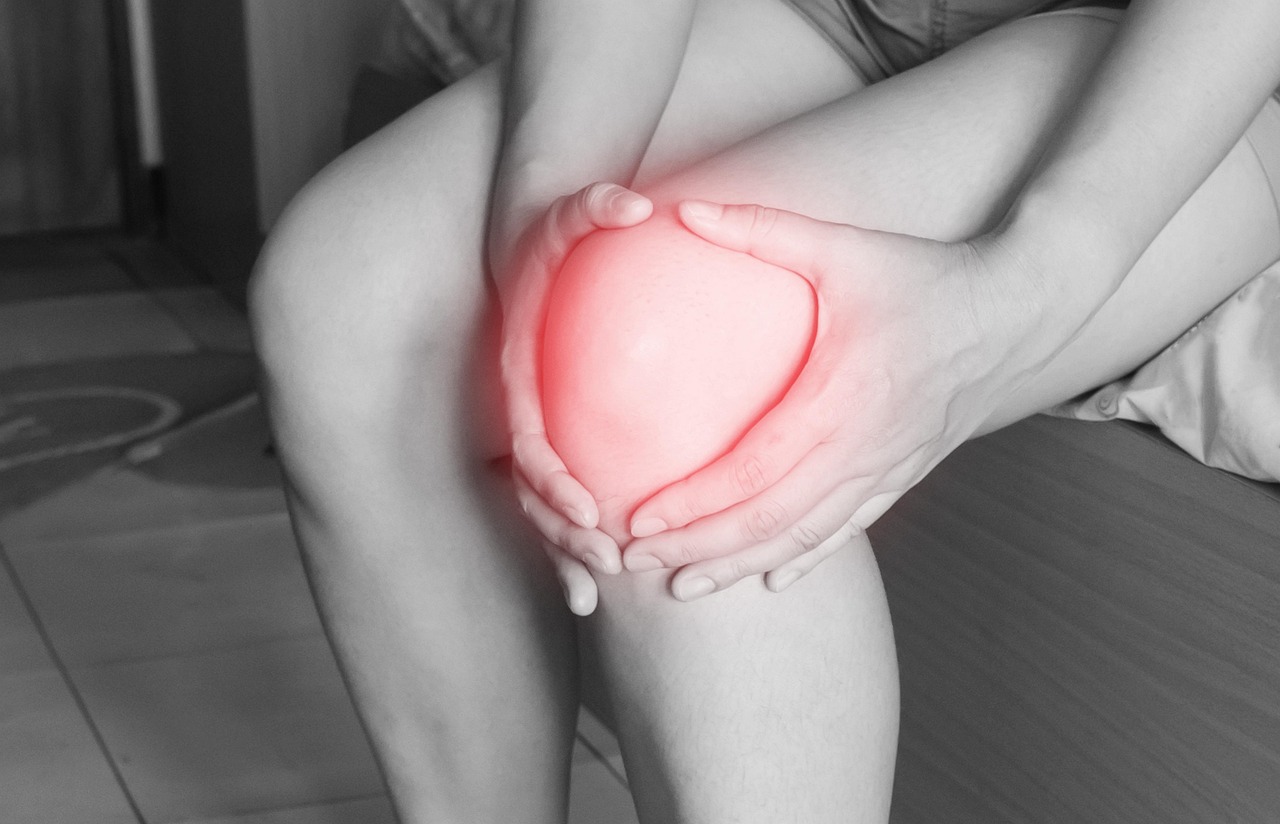
Not every knee injury comes with a story. A lot of people can't tell us the moment it happened. They just noticed one day that the stairs felt off, the knee puffed up for no clear reason, and squatting down to the garden started catching partway.
That vague, no-big-injury start is common with a meniscus tear. And the word "tear" scares people toward surgery faster than it should.
Start With What The Meniscus Is
Picture two rubbery wedges of cartilage sitting inside your knee, one on each side, between the thigh bone and the shin bone. They cushion the joint and spread out the load every time you step. When one tears, the knee loses some of that smooth cushioning, and you get the swelling, the snag, and the stiffness that follow.
The confusing part is that you can usually still walk. People take that as a sign it's minor. A knee that walks fine and a knee with a real tear are not mutually exclusive.
Why Surgery Often Waits
Here's the thing that shapes the whole plan: not all tears are built the same, and not all of them need cutting.
- The outer rim has a decent blood supply, so tears there can knit with support
- The inner zone gets almost no blood, so those don't heal as readily
- Degenerative tears, the wear-and-tear kind, often calm down with therapy
- A tear that keeps locking the knee is the one that pushes toward surgery
Sort out which kind you're dealing with and the path forward gets a lot clearer. That's why we don't rush anyone toward an operating room before we understand the tear.
How We Handle It Without Surgery
Physical therapy does the heavy lifting. Strong muscles around the knee take load off the torn cartilage and let the joint work with less grinding.
We build the quads, hamstrings, and glutes so the knee has real backup. We clean up movement habits that overload the joint. We check the hips too, because weak hips let the knee cave inward with every step, and that cave-in dumps stress right onto the meniscus. Fix the pattern upstream and the knee stops taking the brunt.
Early on, a brace helps through the sore stretch, and we adjust your activity so you keep moving without stirring things up. Then it's a graded return to walking, hiking, whatever you were doing before.
The Timeline
Milder tears settle over a few weeks. Bigger or more stubborn ones take a couple of months of steady work. We reassess as we go and shift the plan as the knee changes. The people who keep up with the home exercises turn the corner faster than the ones who do them only when the knee reminds them.
Knee been swelling or snagging on you? Modern Medicine of Goodyear, AZ can take a look and sort out the tear before you assume the worst. Reach us by phone or the online booking form.