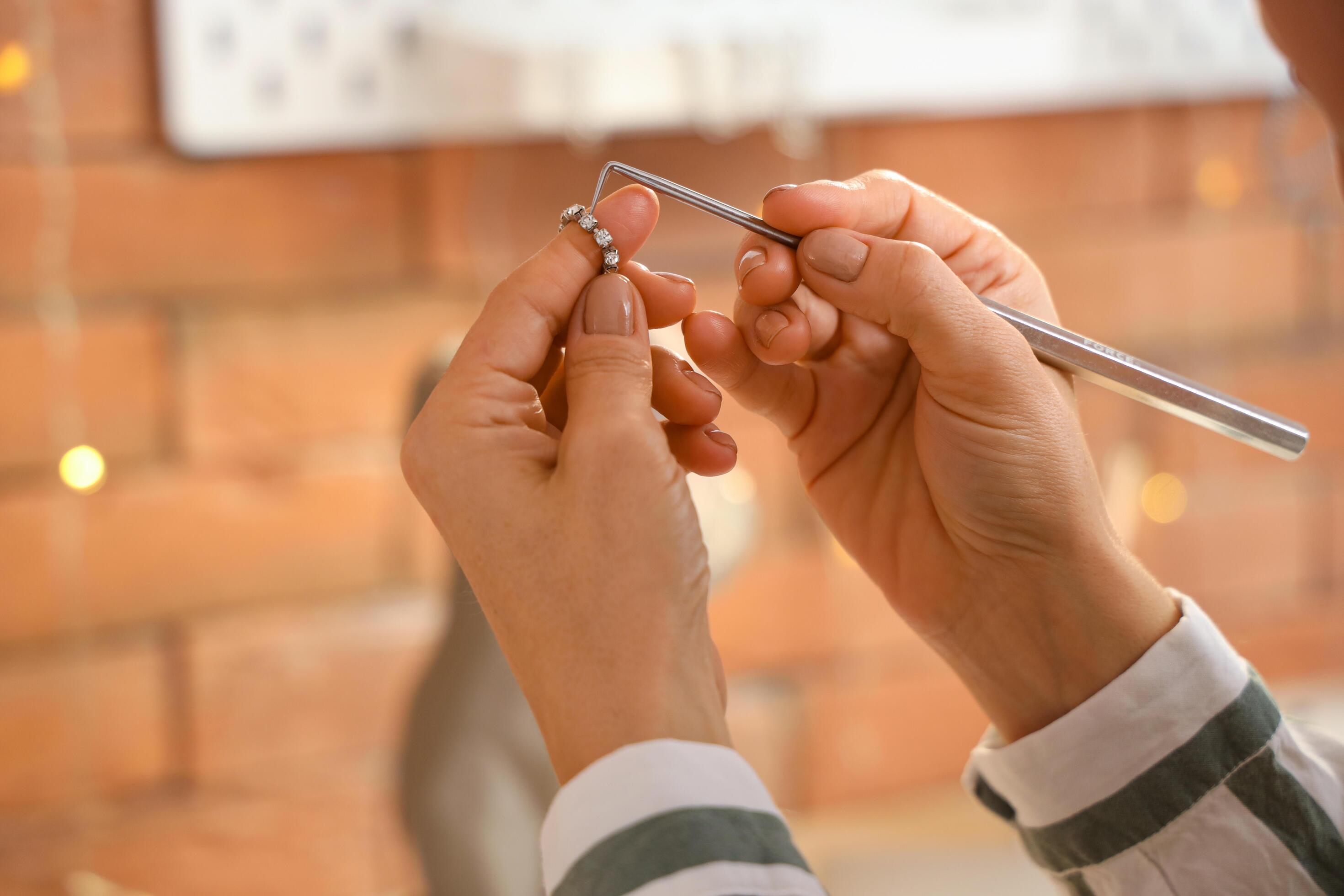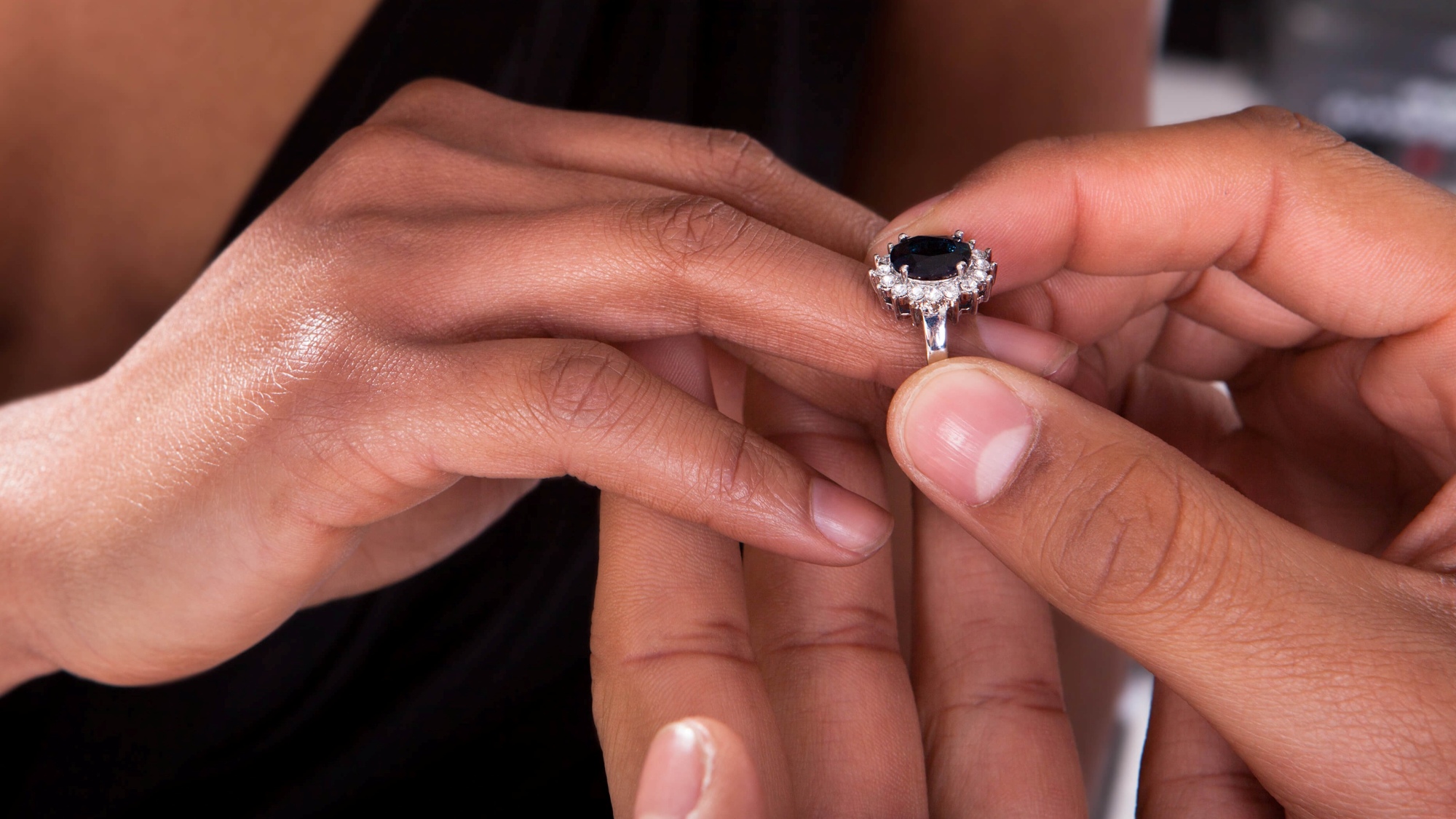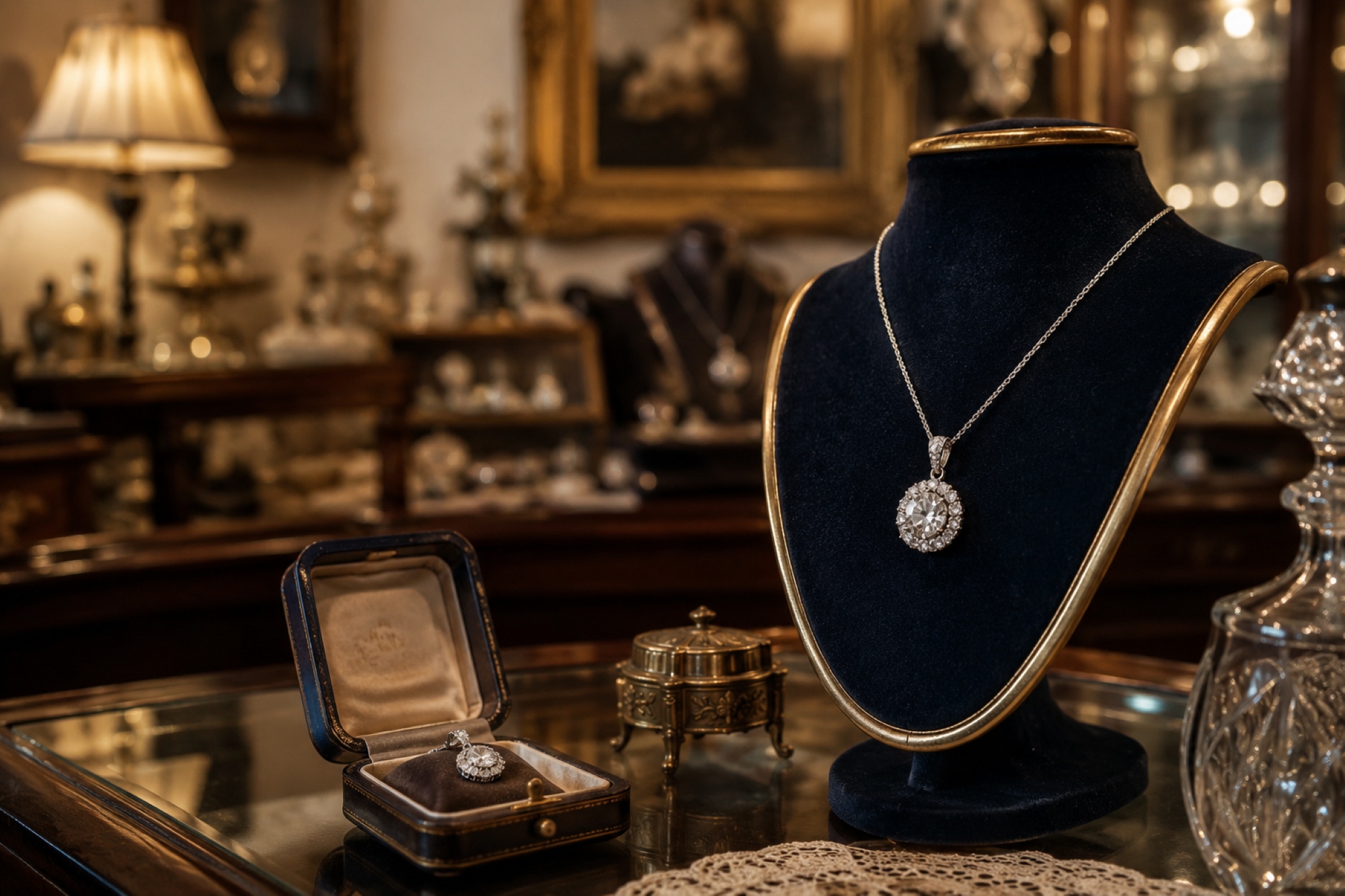
Somebody hands you a pen-shaped tester, touches it to a stone, and the light goes green for diamond. That reading is correct, and you still know nothing about where the stone came from. A laboratory grown diamond is diamond, with the same carbon structure and the same heat behavior as one pulled out of the ground. At Judy's Jewelry in Fort Myers we own equipment built to separate the two, because eyes and loupes can't. Here's what the difference means for you, whether you're buying a ring or selling one you already own.
A Thermal Tester Shows Diamond Either Way
Those handheld testers measure how fast heat travels through a stone. Diamond moves heat faster than almost any other material, and that single property is what the whole test relies on. Glass and cubic zirconia fail it instantly, which is why the pen works fine as a first screen. But a laboratory grown diamond has the same carbon lattice and the same conductivity, so the light goes green and the answer is correct. Handheld testers aren't built to separate a grown stone from a mined one, whatever is printed on the packaging. Separating them takes laboratory equipment, which is what we keep at the shop for exactly this.
Growth Leaves A Record Inside The Stone
Two methods make gem quality diamonds in a laboratory today. One squeezes carbon under high pressure and high temperature, close to the conditions that made natural stones. The other builds a crystal layer by layer from a carbon rich gas, on top of a thin diamond seed. Each method leaves a different internal pattern, because a stone grown in weeks doesn't form the way a stone grown over geologic time does. Natural diamonds and grown diamonds also fluoresce differently under certain wavelengths, and that difference is measurable with the right instrument. None of it shows up to your eye, and magnification doesn't reveal it either.
Ask For The Report Number And Check The Girdle
There's a thin edge running around a stone where the top half meets the bottom half, and jewelers call it the girdle. Most laboratory grown diamonds sold with a grading report leave the lab with a number laser-inscribed right there. That inscription usually spells out laboratory grown next to the number, and magnification brings it into view. Ask a seller two things before you pay, starting with the report number and ending with whether that inscription exists on the girdle of the stone in front of you. Anyone holding the paperwork produces it without hesitating, and anyone who can't answer has told you something worth knowing. A grown stone has to be sold as grown, and sellers who are upfront about it make that easy for you to confirm.
What This Changes When You Sell A Ring
A ring you inherited was set at some point in its life, and the date of that setting limits what can be inside it. Colorless grown diamonds only reached jewelry counters in commercial volume within roughly the last decade. Nobody set one into an original Edwardian mounting, because none existed anywhere at the time. Stones do get replaced, so the mounting narrows your question without closing it. When you bring a ring to us to sell, identifying the stone is part of what we do, because a grown stone and a mined stone aren't the same transaction. Either way, you will know which one you own.
Why Knowing Beats Guessing On Either Side
Nothing about a grown diamond is a problem when everybody involved knows what it is. The stones are real diamond, they wear the same way on a hand, and choosing one on purpose is nobody's compromise. Sold as a grown diamond, it makes for a straightforward purchase. Trouble starts only when a ring moves from one owner to the next and nobody along the way says which kind it is. We test instead of guessing, and you get a definite answer either way. Either way, both sides should know which kind it is before anybody agrees to a number.
Test The Stone Before The Money Moves
Have any stone properly identified before you agree to buy it or sell it. Here at Judy's Jewelry we answer at (239) 481-9600, and the shop is on McGregor Boulevard in Fort Myers. We'll examine the piece and tell you plainly what we find in it. You'll know exactly which kind you own before you make any other decision.