Hold an older diamond up to a window and look straight down through the flat facet on top. Near the center you'll often catch a small bright point, about the size of a pinhole. That opening is a culet, and hand cutters left it there on purpose to protect the fragile tip of the stone from chipping at the bench. Here at Judy's Jewelry, we see it in rings people inherited and never looked at closely. Between that detail and the outline of the stone, we can name the cutting style and the light it was built for.
The Culet Is The First Thing We Look For
A modern round brilliant comes to a point at the bottom, so nothing interrupts the pattern you see through the table. Old mine cuts and old European cuts were finished with a small flat facet at that point instead. Look down through the table with a loupe and you'll find the culet sitting as a tiny bright window at dead center of the stone. The window is easy to mistake for chipping if nobody has told you otherwise. Old mine cuts ran from the early 1700s through the late 1800s, soft and squarish in outline, with a large culet. The old European cut ran from about 1890 into the 1930s, and it's round with a smaller opening.
Old Cuts Handle Light Differently
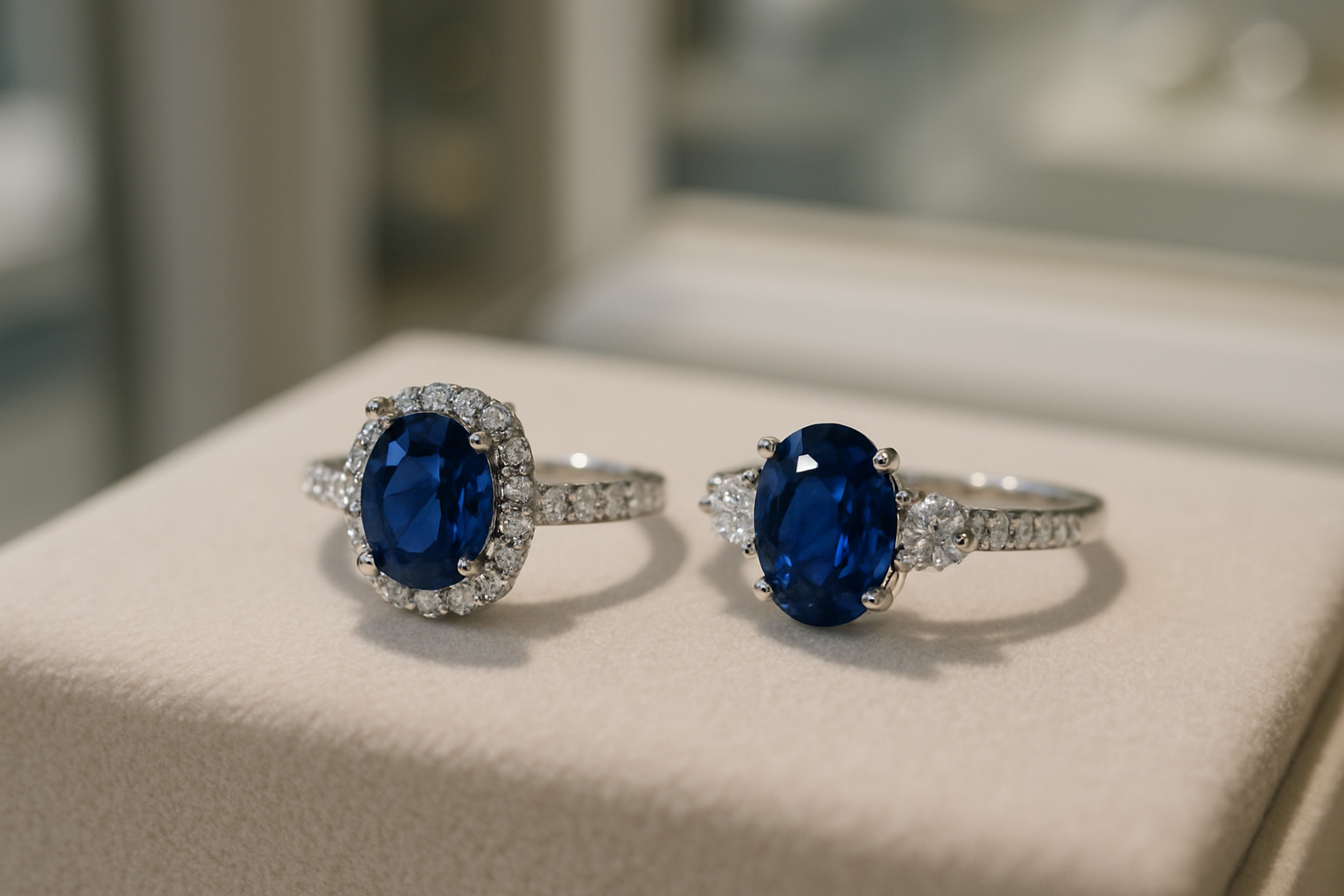
Those big facets and that high crown change what a stone does under a lamp. An old mine cut throws less brilliance than a modern round and noticeably more fire, which is the spread of light into separate colors. On a hand you get broad color flashes where a modern cut shows fine white sparkle. Low restaurant light suits them, and so does late Fort Myers sun coming sideways through a window. Buyers who love them usually prefer that softer, warmer light to a bright white flash. That's why two rings of the same carat weight can look nothing alike on your hand.
Weight On A Mounted Old Stone Is An Estimate
A stone can't go on a scale while it's still in the setting. Most figures you hear for a diamond in a ring are calculated from the diameter and the depth. Old cuts run deep through the pavilion and tall through the crown, which puts more of the weight below the girdle where nobody sees it. A one carat old European cut spreads smaller across your finger than a one carat modern round. Grading reports on old European cuts normally carry no cut grade at all, since the cutting varies too much for one scale to fit. Ask for millimeter measurements whenever somebody quotes you a weight on a mounted stone.
We Test The Metal Before A Ring Goes In The Case
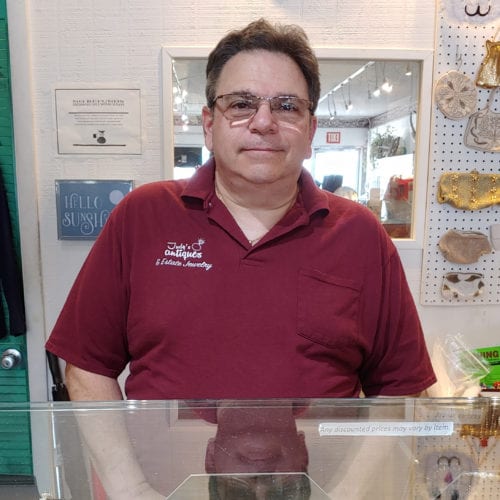
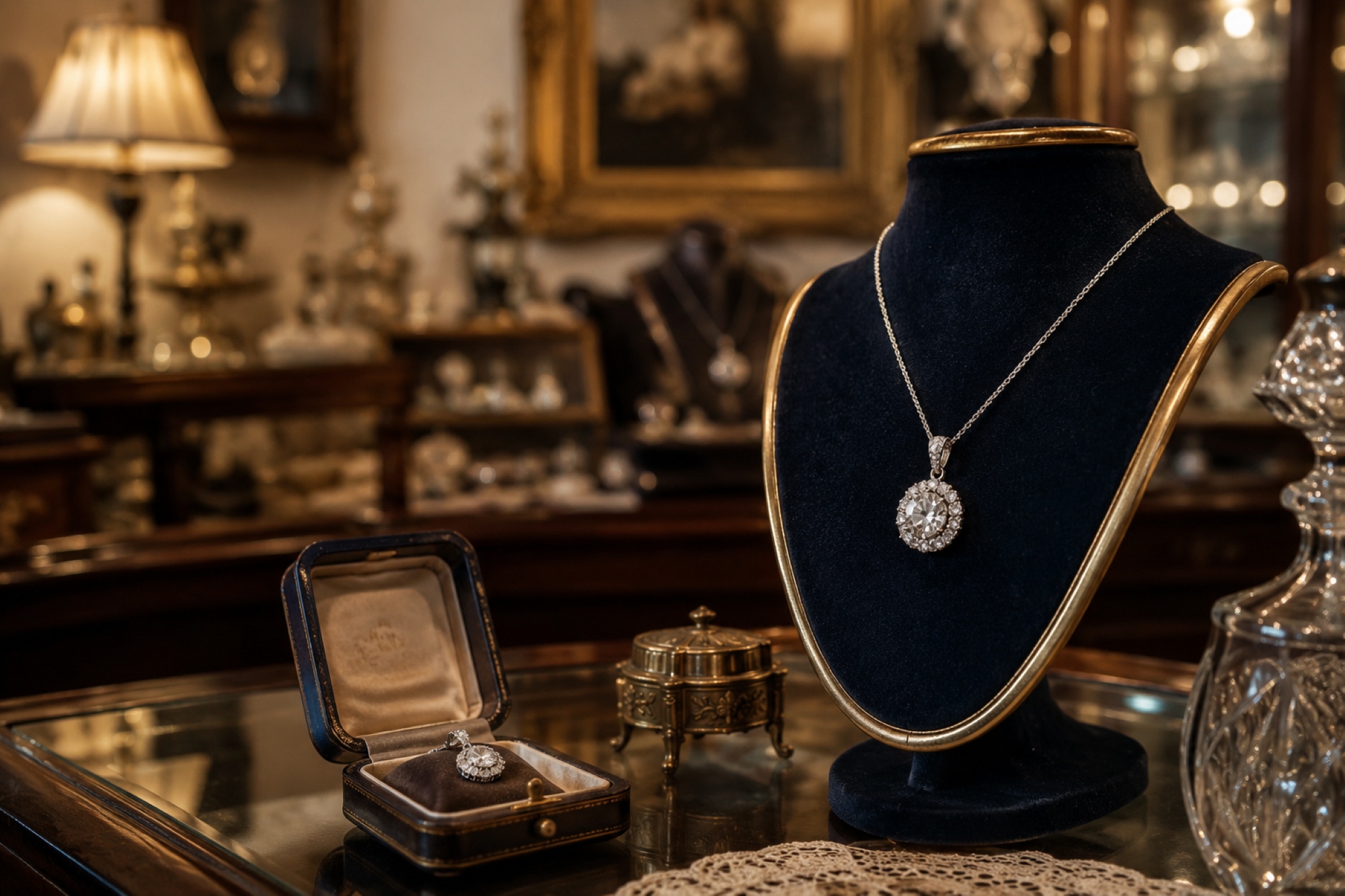
Pieces we take in get their metal tested before we make an offer. We verify purity on gold from 10k up through 24k and on platinum at .950, using non-invasive methods that leave no mark on your piece. A ring can be stamped 18k and test lower, and a ring with no stamp at all can test exactly where it should. Older American work frequently has a karat stamp and nothing else to go on. Certified stones are part of what we handle, and a GIA report comes from a laboratory rather than from whoever is selling the ring. At Judy's Jewelry, Sal and JP are the only two of us authorized to buy a piece you bring in, and that is deliberate.
Resizing Depends On How The Shank Was Built
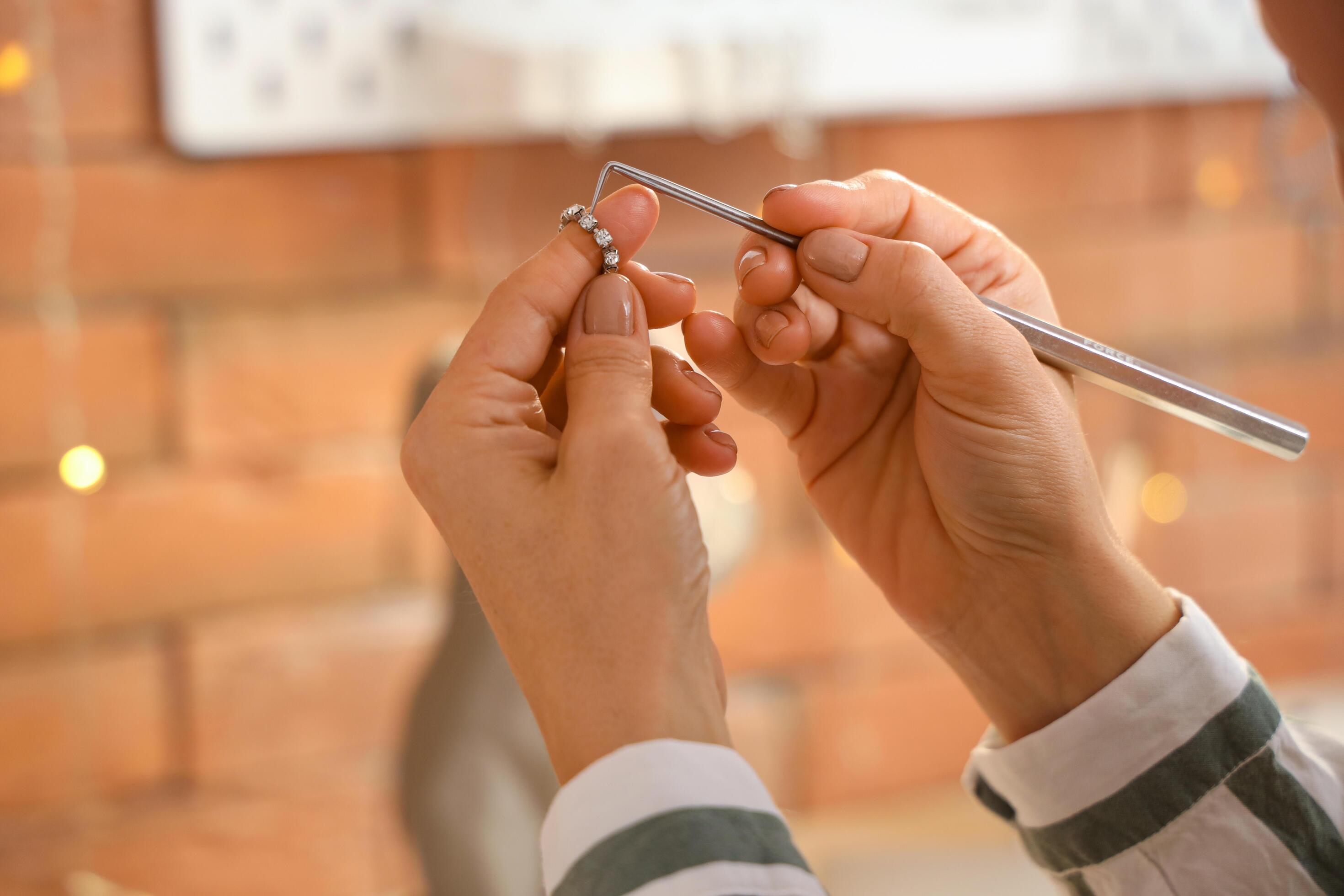
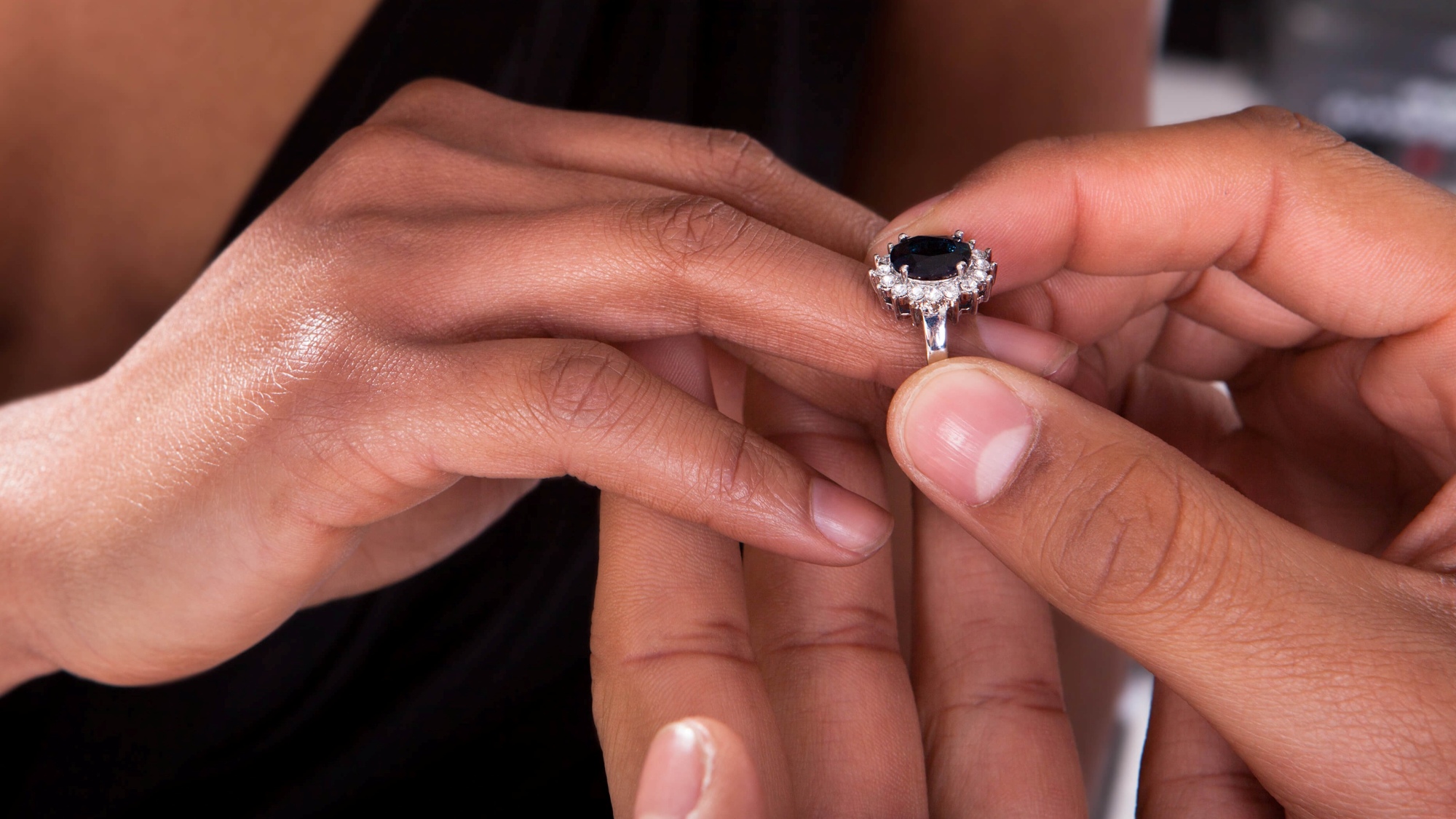
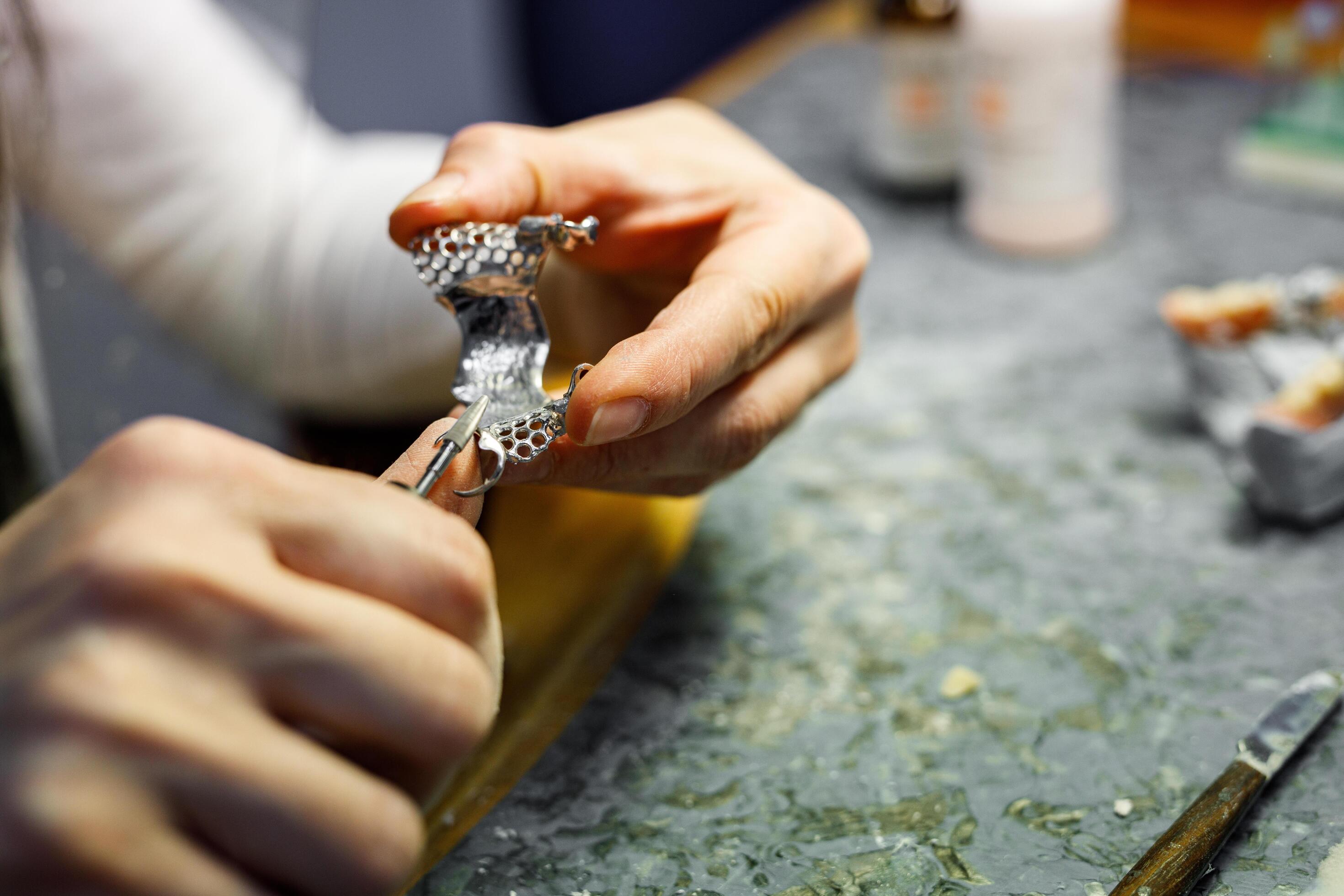
An engagement ring gets worn every day, so it has to fit your hand first. We resize in house, and a piece bought from us gets resized at no charge. What we can do depends entirely on the shank, because the stones set into it and the engraving cut across it limit how much metal we can safely move. Hand engraving that runs the full circle rarely lines up again once a section comes out, and Edwardian filigree can distort under too much heat. Older platinum alloys behave differently under a torch than today's platinum does, so we'll look at your ring before quoting the work. Moderate changes are usually fine, and dramatic ones stress antique prongs that weren't built to take it.
Compare Two Rings At Our Counter
You will understand an old cut much better with a modern stone beside it. Ask us to show you the difference. At Judy's Jewelry, our number is (239) 481-9600. Our Fort Myers shop is open Monday through Saturday, and we take appointments.