 What Is Dual-Task Training?
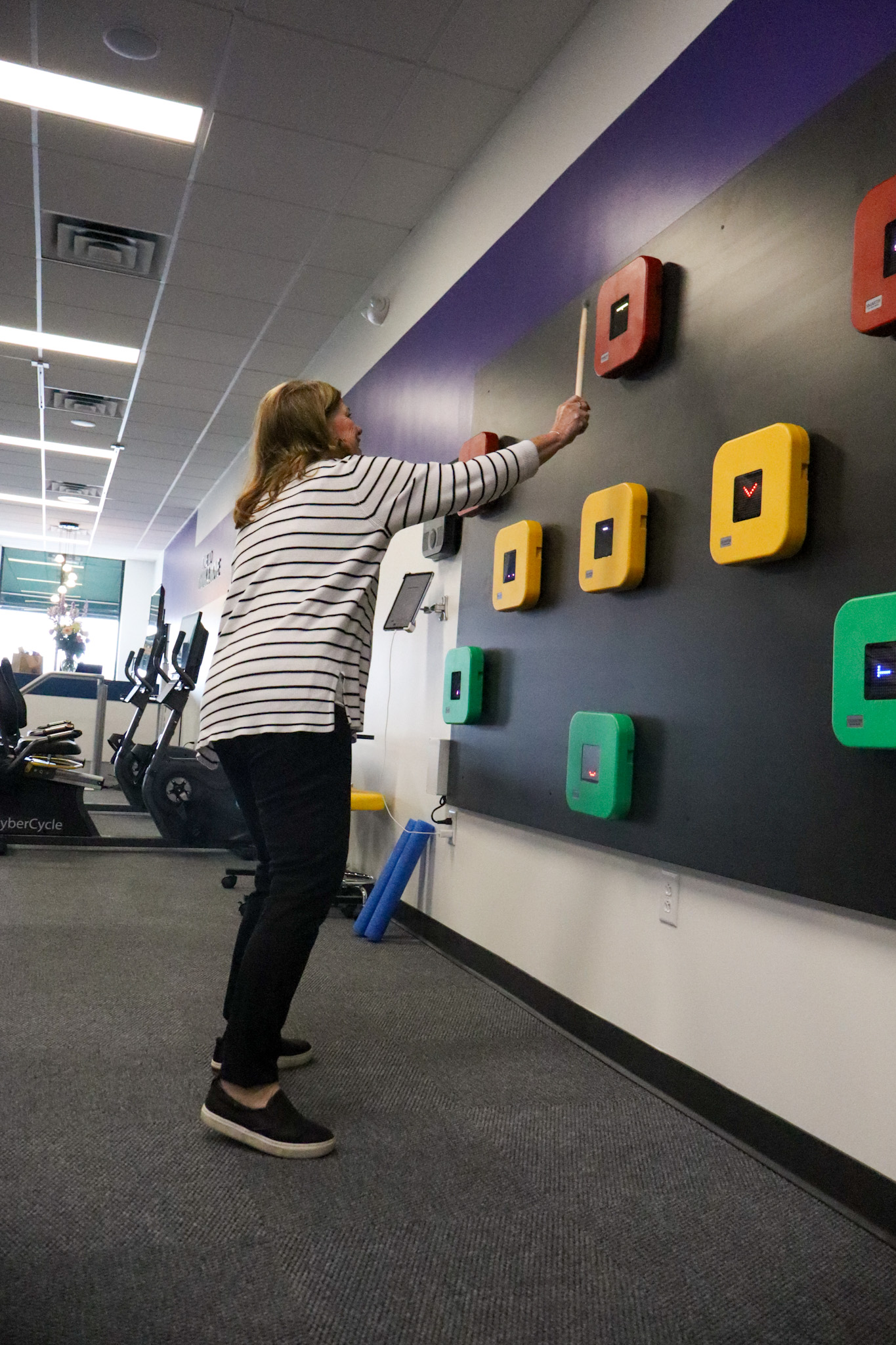
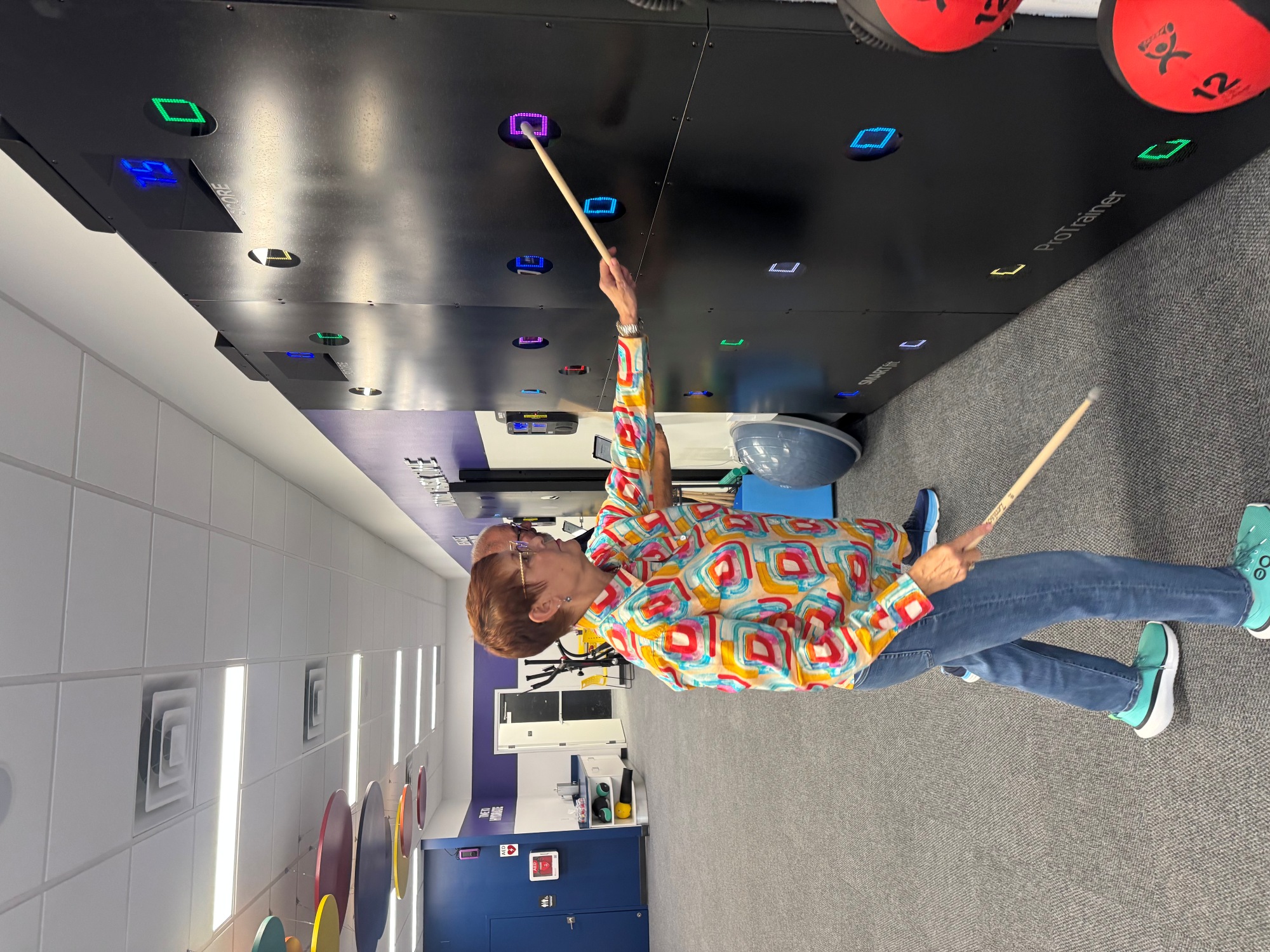
Dual-task training is pretty much what it sounds like: doing two things at once, but with a lot more thought behind it than you might expect. You’re not just walking and chatting. You’re pairing intentional movement with a mental challenge that keeps your brain on its toes. One moment, you might be following a shifting light pattern while recalling a short list. Another time, you could be changing direction on cue while solving a quick puzzle. It is about coordination, adaptability, and staying fully engaged.
Why It’s the Future of Brain Fitness
Think about daily life. You carry on a conversation while making dinner. You glance for traffic while stepping off the curb. You look for a friend in a crowd while remembering what you were about to say. Traditional workouts are good for building strength, but they don’t train you for these real-world scenarios. Dual-task training does, which is why it’s moving from an “interesting idea” to a core strategy in healthy aging.
The Benefits It Offers Aging Adults
With age, multitasking often feels harder, and reaction times can slow down. It can affect your confidence and your safety. By challenging your brain and body at the same time, dual-task training strengthens the pathways that help you think clearly while moving. It can mean steadier balance in busy spaces, faster decision-making in the moment, and a sharper memory when you need it most. Many people also notice they can focus longer without drifting off, even in noisy or distracting settings.
How We Use It at Marbles Brain Body Fitness of Fishers, IN
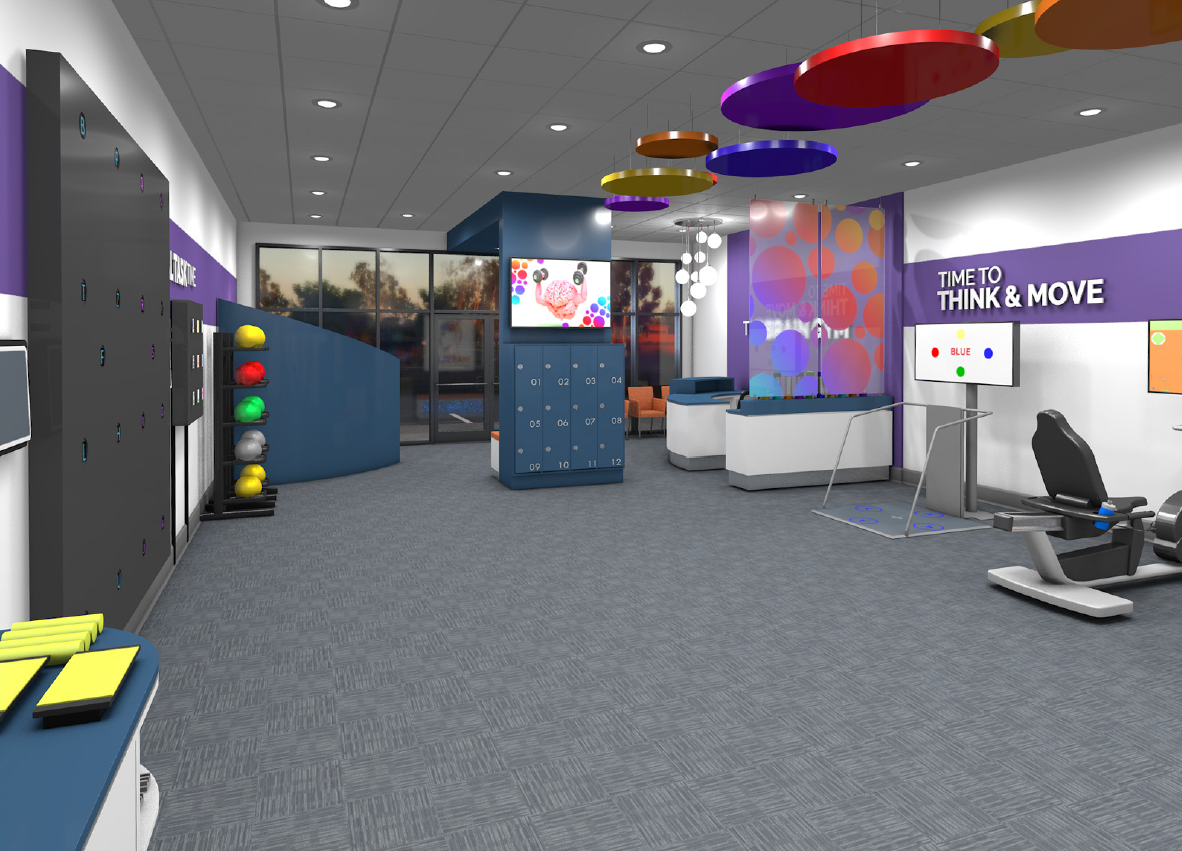
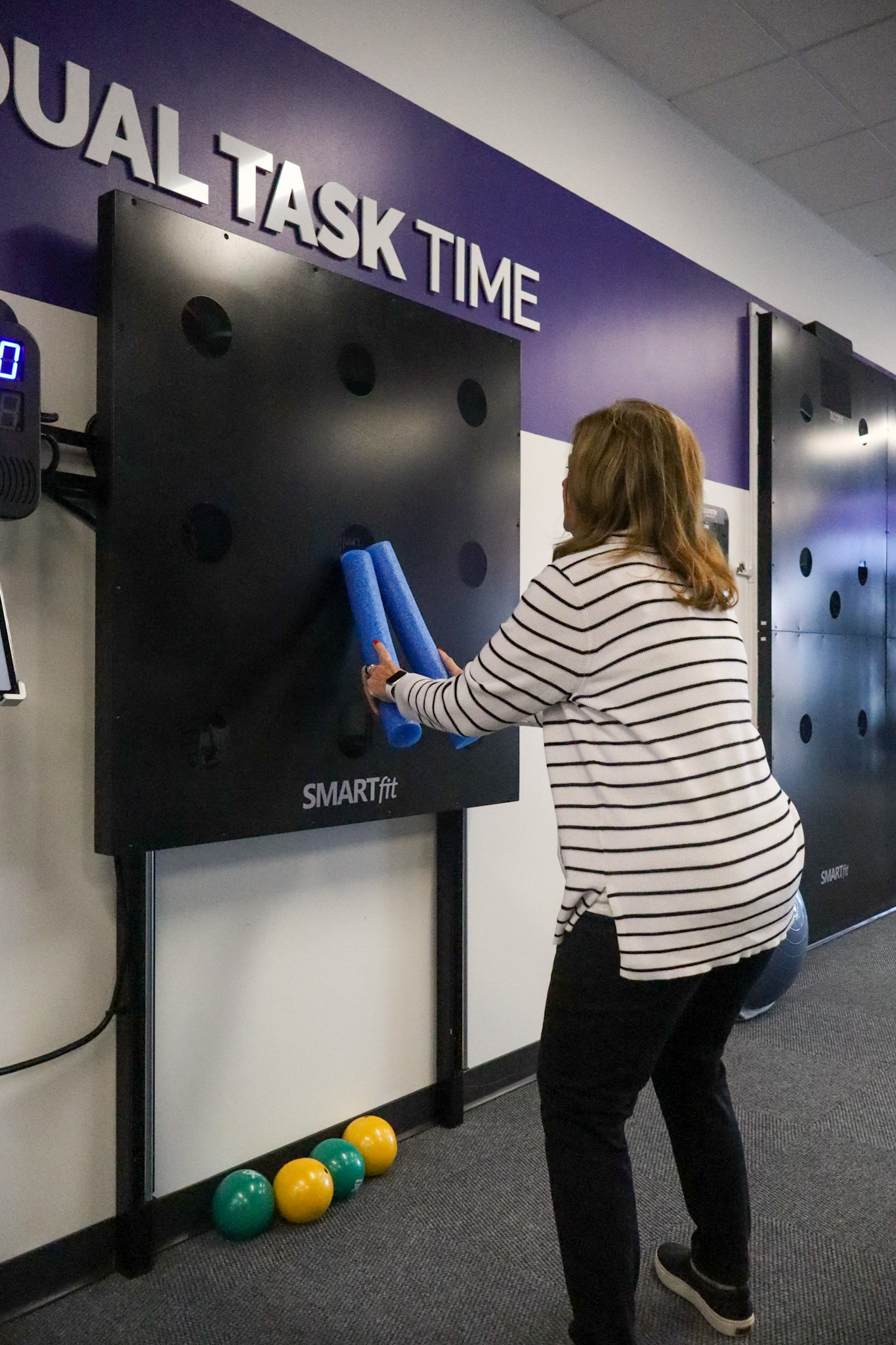
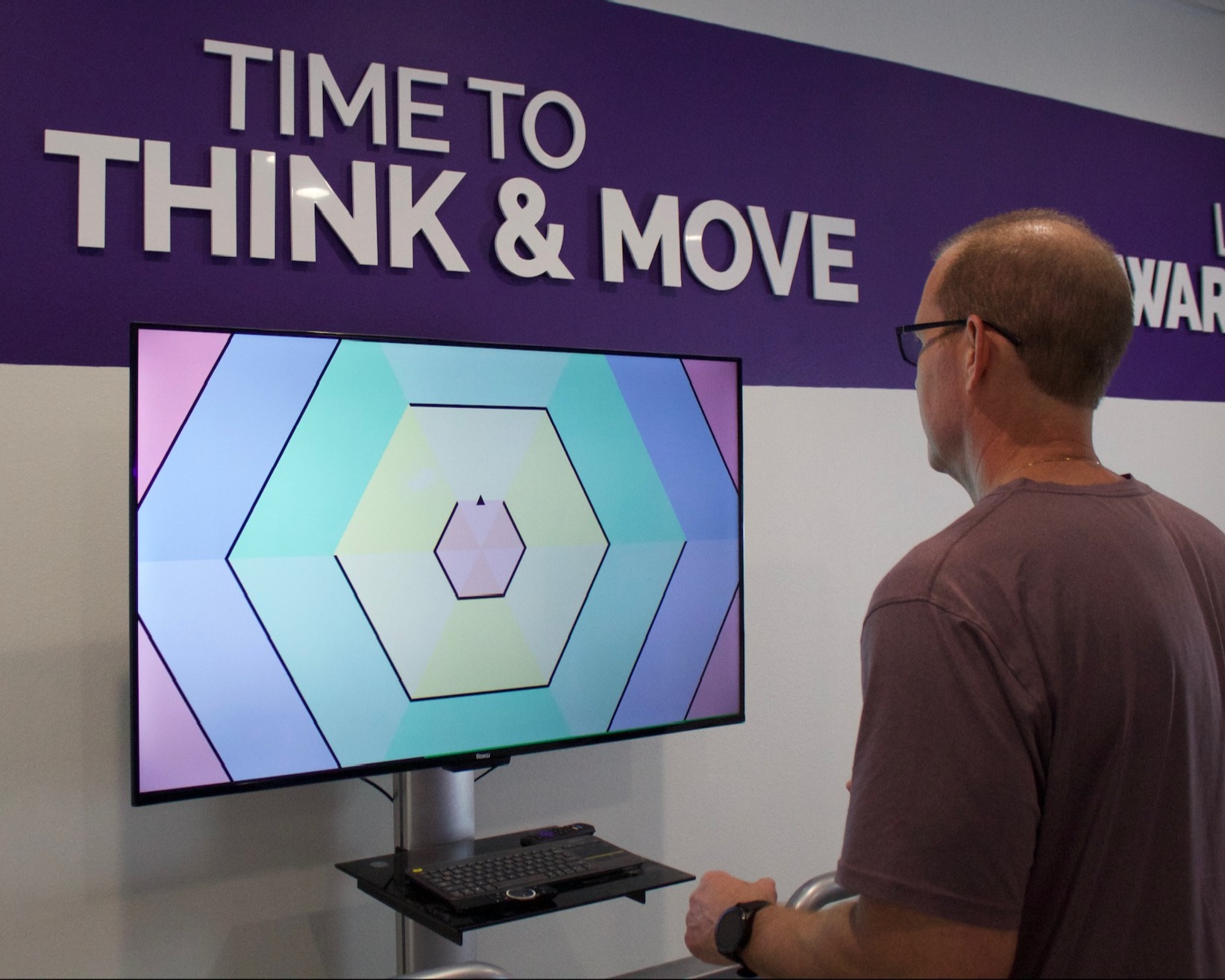
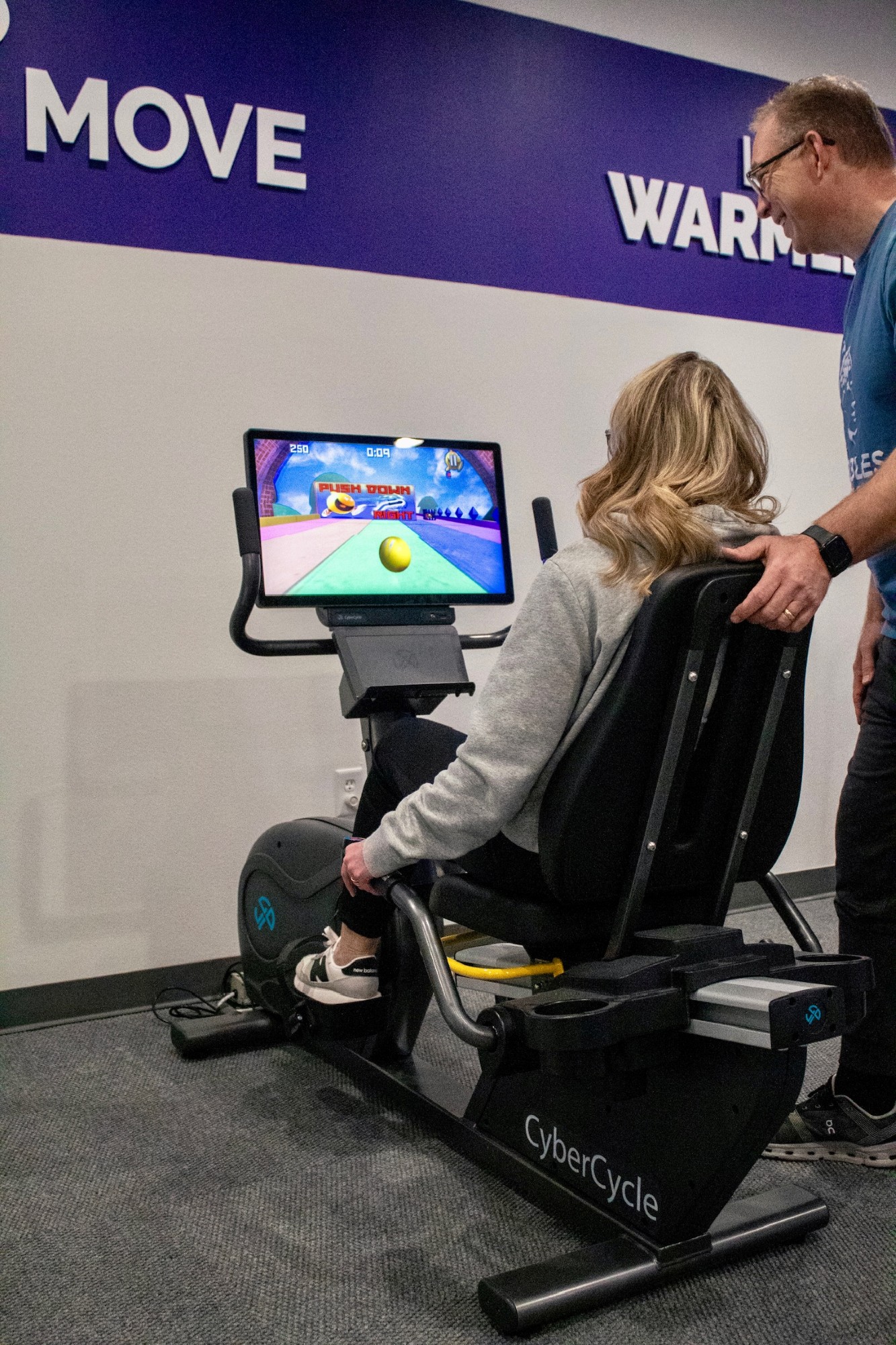
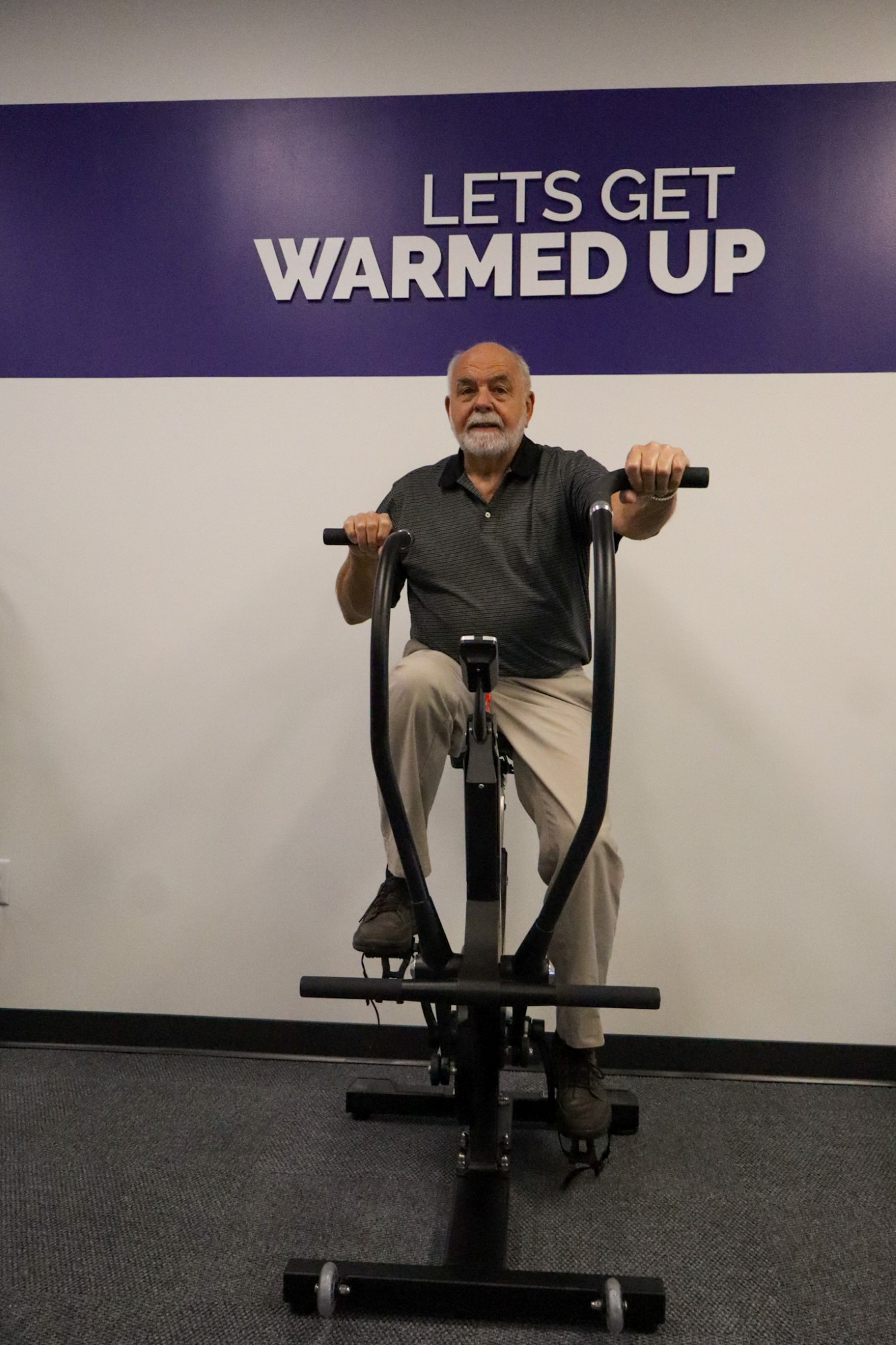
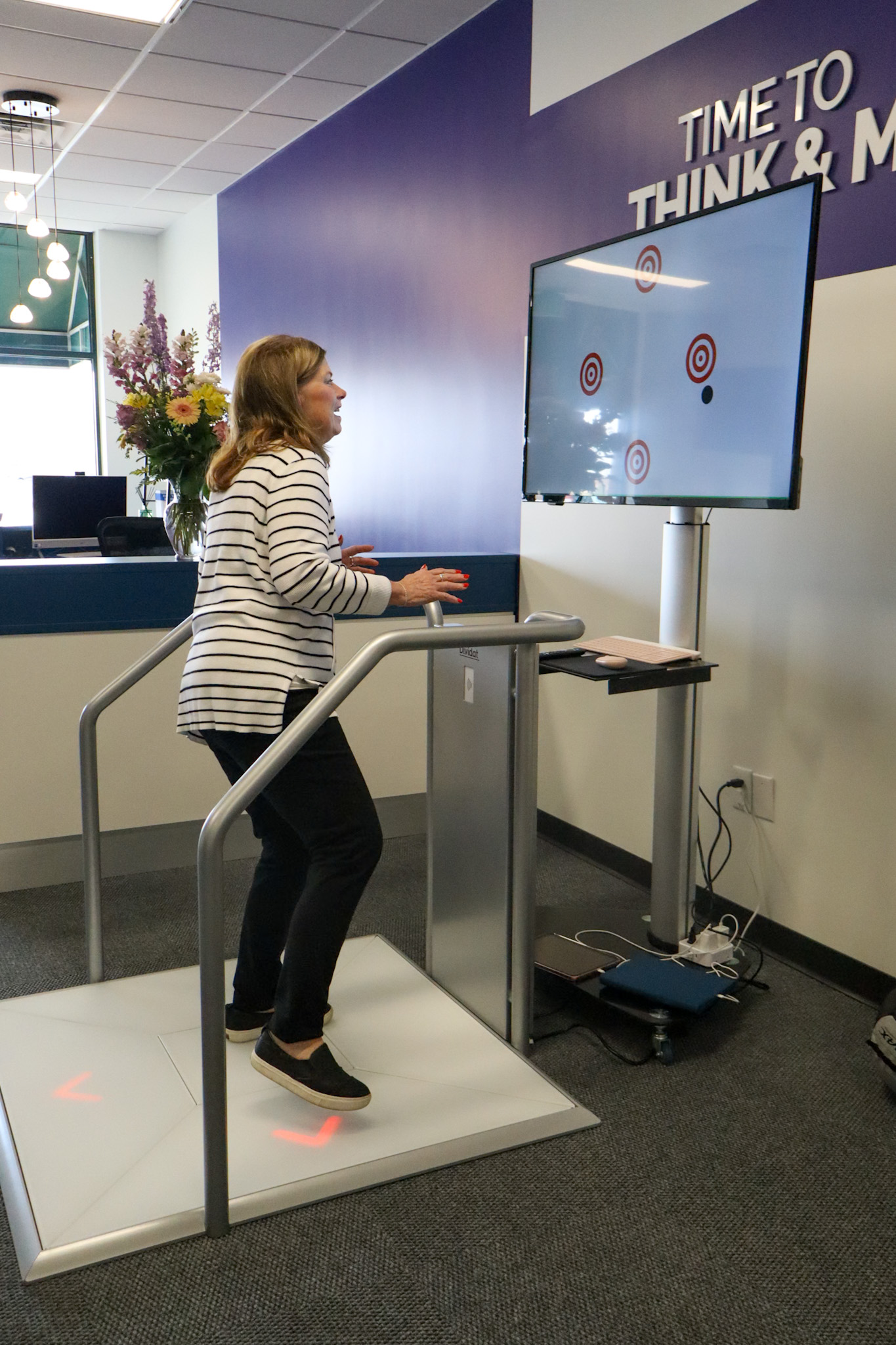
Every session we run includes some form of dual-task training. One workout might have you stepping through a moving pattern while tracking a sequence of words. Another might challenge you to respond to unpredictable cues while maintaining your balance. It is varied on purpose because novelty keeps the brain alert. Members often tell us they notice changes outside the gym, too, like remembering directions more easily or feeling more surefooted in unfamiliar places.
Looking Ahead
Dual-task training isn’t a fitness buzzword. Research is building, and the results keep pointing in the same direction: training the brain and body together works. In the future, we may see more tools and technology to track progress, but the heart of it will stay the same: engage the mind and the body in one focused effort.
Aging well means being active in how you care for yourself, not waiting for things to happen. Dual-task training is one of the best tools we have to make that possible. If you want to see what it can do for you, we would love to have you visit Marbles Brain Body Fitness of Fishers, IN, and try it for yourself.
What Is Dual-Task Training?
Dual-task training is pretty much what it sounds like: doing two things at once, but with a lot more thought behind it than you might expect. You’re not just walking and chatting. You’re pairing intentional movement with a mental challenge that keeps your brain on its toes. One moment, you might be following a shifting light pattern while recalling a short list. Another time, you could be changing direction on cue while solving a quick puzzle. It is about coordination, adaptability, and staying fully engaged.
Why It’s the Future of Brain Fitness
Think about daily life. You carry on a conversation while making dinner. You glance for traffic while stepping off the curb. You look for a friend in a crowd while remembering what you were about to say. Traditional workouts are good for building strength, but they don’t train you for these real-world scenarios. Dual-task training does, which is why it’s moving from an “interesting idea” to a core strategy in healthy aging.
The Benefits It Offers Aging Adults
With age, multitasking often feels harder, and reaction times can slow down. It can affect your confidence and your safety. By challenging your brain and body at the same time, dual-task training strengthens the pathways that help you think clearly while moving. It can mean steadier balance in busy spaces, faster decision-making in the moment, and a sharper memory when you need it most. Many people also notice they can focus longer without drifting off, even in noisy or distracting settings.
How We Use It at Marbles Brain Body Fitness of Fishers, IN
Every session we run includes some form of dual-task training. One workout might have you stepping through a moving pattern while tracking a sequence of words. Another might challenge you to respond to unpredictable cues while maintaining your balance. It is varied on purpose because novelty keeps the brain alert. Members often tell us they notice changes outside the gym, too, like remembering directions more easily or feeling more surefooted in unfamiliar places.
Looking Ahead
Dual-task training isn’t a fitness buzzword. Research is building, and the results keep pointing in the same direction: training the brain and body together works. In the future, we may see more tools and technology to track progress, but the heart of it will stay the same: engage the mind and the body in one focused effort.
Aging well means being active in how you care for yourself, not waiting for things to happen. Dual-task training is one of the best tools we have to make that possible. If you want to see what it can do for you, we would love to have you visit Marbles Brain Body Fitness of Fishers, IN, and try it for yourself.
Carmel, IN - The Future of Brain Fitness for Healthy Aging is Dual-Task Training
SYNOPSIS: This article covers what dual-task training is, why it’s becoming the future of brain fitness, and how Marbles Brain Body Fitness of Fishers, IN, uses it to help adults age with confidence.
Movement and Mental Challenges Shape How We Age
BY: ,
What Is Dual-Task Training?
Dual-task training is pretty much what it sounds like: doing two things at once, but with a lot more thought behind it than you might expect. You’re not just walking and chatting. You’re pairing intentional movement with a mental challenge that keeps your brain on its toes. One moment, you might be following a shifting light pattern while recalling a short list. Another time, you could be changing direction on cue while solving a quick puzzle. It is about coordination, adaptability, and staying fully engaged.
Why It’s the Future of Brain Fitness
Think about daily life. You carry on a conversation while making dinner. You glance for traffic while stepping off the curb. You look for a friend in a crowd while remembering what you were about to say. Traditional workouts are good for building strength, but they don’t train you for these real-world scenarios. Dual-task training does, which is why it’s moving from an “interesting idea” to a core strategy in healthy aging.
The Benefits It Offers Aging Adults
With age, multitasking often feels harder, and reaction times can slow down. It can affect your confidence and your safety. By challenging your brain and body at the same time, dual-task training strengthens the pathways that help you think clearly while moving. It can mean steadier balance in busy spaces, faster decision-making in the moment, and a sharper memory when you need it most. Many people also notice they can focus longer without drifting off, even in noisy or distracting settings.
How We Use It at Marbles Brain Body Fitness of Fishers, IN
Every session we run includes some form of dual-task training. One workout might have you stepping through a moving pattern while tracking a sequence of words. Another might challenge you to respond to unpredictable cues while maintaining your balance. It is varied on purpose because novelty keeps the brain alert. Members often tell us they notice changes outside the gym, too, like remembering directions more easily or feeling more surefooted in unfamiliar places.
Looking Ahead
Dual-task training isn’t a fitness buzzword. Research is building, and the results keep pointing in the same direction: training the brain and body together works. In the future, we may see more tools and technology to track progress, but the heart of it will stay the same: engage the mind and the body in one focused effort.
Aging well means being active in how you care for yourself, not waiting for things to happen. Dual-task training is one of the best tools we have to make that possible. If you want to see what it can do for you, we would love to have you visit Marbles Brain Body Fitness of Fishers, IN, and try it for yourself.